Hot rooms, screen glare, fading floors, and rising cooling bills usually point to the same weak spot: exposed glass. In 2026, with hotter summers and higher energy costs, many homeowners and facility managers are looking for a practical way to make windows work harder without replacing them.
Table of Contents:
- Why Reflective Window Film Is in Such High Demand in 2026
- How Reflective Window Film Works
- Reflective vs Non Reflective Window Film
- Types of Reflective Window Film (Interior, Dual-Reflective, Exterior)
- Key Benefits: Heat Reduction, Glare Control, UV Protection & Energy Savings
- Frequently Asked Questions About Reflective Window Film
- Conclusion & Next Steps
Why Reflective Window Film Is in Such High Demand in 2026
Record heat waves in 2024–2025 made one thing clear: glass-heavy spaces can become uncomfortable fast. Large windows bring in more light and outside views, but they can also bring more heat, harsh sunlight, and hot spots near desks, couches, and screens.
Reflective film helps solve those everyday problems by improving solar heat rejection, glare control, daytime privacy, and uv protection. Reflective window film can lower energy costs significantly because less solar energy enters the room, reducing demand on air conditioning.
This article compares reflective vs non reflective window film, explains common types such as silver, dual reflective film, and exterior films, and gives practical guidance for choosing the right window film based on heat reduction needs, privacy goals, appearance, and specific requirements.
How Reflective Window Film Works
Reflective window film is made from polyester layers, a metalized or sputtered reflective layer, a scratch-resistant surface, and an adhesive layer that bonds to interior or exterior glass. Most products are installed on the interior for durability, while specialized exterior films are used when the exterior side is the better application surface.
In simple terms, reflective film sends a significant amount of solar energy and visible light back outside before that energy turns into heat inside. This is why reflective films provide maximum solar heat rejection compared with many traditional tinted products.
Two ratings matter most:
- Visible Light Transmission (VLT) measures the percentage of daylight passing through the film. A 15% VLT silver film looks dark and lets in less light than a 35% VLT shade.
- Total Solar Energy Rejection (TSER) indicates the film’s ability to block heat. Dark silver reflective films can reject up to 80% of solar heat before it enters the premises.
Many reflective films block over 99% of UV radiation, and reflective window film blocks over 99% of UV rays in quality product lines. Some dark films also reduce incoming glare by up to 83%, which makes rooms more comfortable without forcing you to close blinds all day.
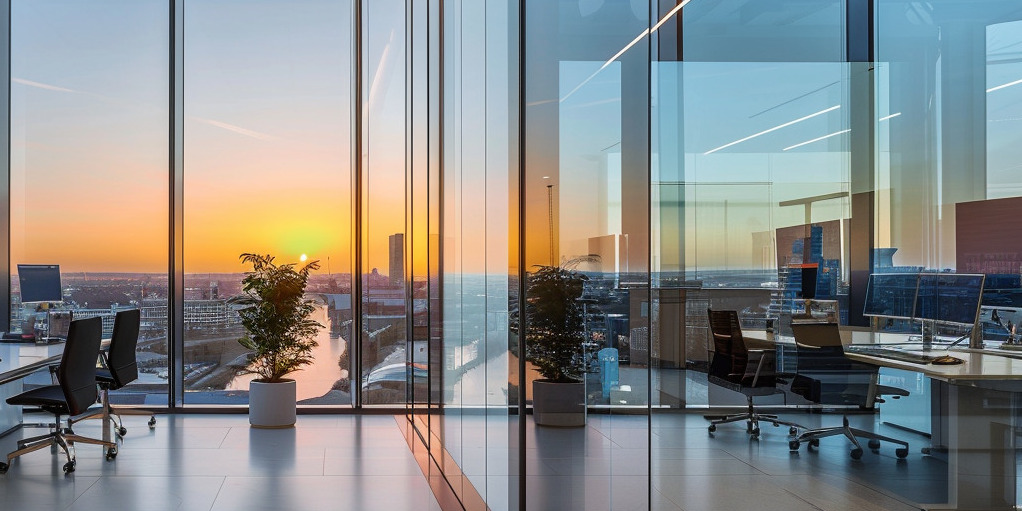
The mirror effect is based on light intensity. When the exterior side is brighter than the interior, the outside surface looks like a mirror while allowing visibility from inside. At night, that balance changes.
Reflective vs Non Reflective Window Film
Window film generally falls into two visual categories: reflective film with a shiny, mirrored finish, and non reflective window film with a subtler look. Both can improve comfort, but they serve different goals.
Reflective film excels at glare control, high heat rejection, maximum heat reduction, and daytime privacy. It is commonly used on commercial buildings, storefronts, sunrooms, and modern homes where a mirrored exterior appearance is acceptable or desired.
Non reflective window film is often dyed, ceramic, or nano-ceramic. Non-reflective films do not alter the glass’s appearance significantly, and non-reflective films offer UV protection without a mirrored finish. That makes a non reflective finish useful for heritage properties, neighborhoods with strict appearance rules, or homeowners who want energy efficiency without changing the look of the window.
Homeowners Associations may restrict the use of highly reflective window films, especially if the film creates a bright mirror appearance on the street-facing exterior. If you live in an HOA community, check guidelines before installation.
Choose reflective if your main concerns are strong glare reduction, excellent privacy during daylight, and significant heat reduction. Choose non reflective if you want more thermal comfort and uv rays protection while maintaining the original glass appearance.
Types of Reflective Window Film (Interior, Dual-Reflective, Exterior)
Not all reflective films perform or look the same. Options ranging from lightly reflective bronze tones to dark silver mirror products can create very different results.
Standard Silver Reflective Film
Standard silver reflective film is the classic office-tower look: bright, metallic, and highly reflective. Silver reflective films come in shades like 15% and 35%, along with lighter options such as 50%.
Key points:
- Darker reflective films block more heat than lighter tints.
- Typical light transmission ranges sit around 15–50%, depending on the shade.
- Dark versions create a strong mirror effect and significant glare reduction.
- These films can transform a façade into a uniform silver reflective window look.
This is a great choice for commercial buildings, storefronts, high-rise apartments, and sunny glass surfaces where privacy and solar performance matter more than a subtle appearance.
Dual-Reflective Window Film
Dual-reflective films have a reflective outer layer and non-reflective inner layer. That design gives the exterior a reflective appearance while keeping the interior less mirror-like.
Typical VLT options include 15%, 25%, and 35%. A dual reflective film is often the right film for living rooms facing busy streets, upper-floor apartments, and offices where staff work after sunset.
The advantage is balance. You get daytime privacy, glare control, and heat rejection, while maintaining better interior visibility and clearer outside views in the evening than with a highly mirrored film.
One-Way Mirror and High-Privacy Reflective Film
High-reflective films create a sharp mirror effect for daytime privacy. These films often have very low VLT, around 5–15%, and create a vivid external reflection similar to products marketed as mirror privacy film.
One-way mirror film blocks up to 82% of solar energy in some high-performance products. This makes it useful for reception areas, lobbies, meeting rooms, ground-floor offices, and street-facing glass where excellent privacy is important during the day.
The limitation is night performance. When the interior is brighter than the exterior, the effect reverses and people outside may see in. Pair high-privacy reflective film with blinds or curtains if you need privacy after dark.
Exterior Reflective Window Film
Exterior reflective film is engineered with UV-stable, weather-resistant coatings that can handle rain, wind, cleaning, and sun exposure. It is often used on skylights, frameless glass balustrades, hard-to-reach high panes, and windows where interior access is blocked.
Exterior placement can improve heat rejection because the film stops solar energy before it passes through the glass. However, exterior installation should be assessed carefully for climate, seal condition, and warranty terms.
Key Benefits: Heat Reduction, Glare Control, UV Protection & Energy Savings
Modern reflective films are designed around four practical benefits: heat reduction, glare reduction, UV protection, and lower cooling energy costs.
For heat reduction, dark silver films can reject 70–80% of total solar energy. Reflective window film can reduce solar heat by nearly 50% or more even in many moderate applications. On south- and west-facing glass, that can mean fewer hot spots during summer afternoons and a cooler environment near windows.
For glare control, reflective film lowers brightness on screens, TVs, and workstations. Depending on shade, it can reduce glare by 60–90%, with documented examples near 83%. This helps protect productivity because people can keep open windows visually unobstructed instead of shutting blinds to see screens.
For UV protection, most high-quality reflective films block over 99% of harmful uv rays, including UVA and UVB. That helps protect flooring, artwork, furniture, retail displays, and skin from long-term sun damage.
For energy efficiency, less incoming heat means fewer HVAC run hours. This solar control can deliver up to 30% annual energy savings in favorable buildings, although actual savings depend on climate, glass area, orientation, insulation, and utility rates. In many hot climates, payback may fall in the 3–7 year range.

Daytime Privacy, Mirror Effect and Night-Time Limitations
Daytime privacy is not the same as 24/7 privacy. Reflective films create a mirrored effect for daytime privacy because the film creates a one-way mirror effect based on light intensity.
During the day, the exterior side is usually brighter. The glass looks reflective from outside, while occupants can still enjoy outside views from the interior. Reflective films provide daytime privacy while allowing outside views, especially when the interior is darker than outdoors.
At night, interior lights make the room brighter than the outside. That reduces the mirror effect and may allow people to see in. No passive film can guarantee full privacy in every lighting condition.
A few practical tips help:
- Use curtains, blinds, or sheer drapes for night privacy.
- Keep interior lighting away from the glass when possible.
- Add exterior lighting if you need to improve the outside light balance.
- Choose softer charcoal or bronze reflective options if a sharp silver mirror feels too bold.
Glass Safety, Installation & Choosing the Right Film
Professional installation matters because poor installation can cause bubbling, peeling, haze, or avoidable stress on the glass. It also matters because thermal shock can occur if reflective film is installed on incompatible glass types.
Thermal stress happens when parts of the glass heat unevenly. Dark, reflective, or high-absorption film can create more thermal stress on certain panes, especially if the glass is annealed, oversized, damaged, or part of a sealed double-pane unit.
Evaluate glass type for safe window tint application before choosing a product. A professional installer should identify annealed, tempered, laminated, double-pane, triple-pane, and Low-E glass. Install reflective film on Low-E glass with caution because existing coatings and sealed cavities can change how heat moves through the unit.
Other site conditions matter too. Shading can increase thermal stress on glass during installation because shaded and sunny areas heat at different rates. Heating vents can create hot spots on glass surfaces, especially in winter. Altitude affects thermal stress on double-pane windows because pressure differences can add stress to sealed insulating units.
The installation process usually includes cleaning the surfaces, measuring and cutting the material, applying a slip solution or dry adhesive system depending on product type, positioning the film, removing moisture, and trimming edges. Some films allow easier installation than others, but complex glazing systems are not ideal DIY projects.
The adhesive backing serves as shatter protection for glass by helping hold broken pieces together if the pane cracks or breaks. It is not a substitute for laminated safety glass, but it can add a useful protective layer.
To choose the right window film:
- For maximum heat reduction and reduce glare goals, choose darker reflective film.
- For privacy plus evening visibility, choose dual-reflective film.
- For minimal shine but strong performance, consider advanced non reflective ceramic options.
- For skylights or inaccessible panes, ask about exterior reflective solutions.
Frequently Asked Questions About Reflective Window Film
Does reflective window film work at night?
Reflective film works best when the outside is brighter than the inside. At night, interior lights reduce the mirror effect, so blinds, curtains, or shades are needed for full privacy.
How much heat can reflective film actually block?
High-performance reflective films can reject up to 80% of solar heat before it enters the premises. Many installations achieve nearly 50% or more solar heat reduction, while darker products typically provide more heat rejection than lighter tints.
Will window film damage my windows or seals?
The right film should not damage compatible glass, but the wrong product can increase thermal stress. Professional assessment is important for Low-E glass, large panes, double-pane units, damaged edges, shaded glass, and high-altitude buildings.
Can I still see out clearly with reflective film installed?
Yes, but the view depends on VLT. A 35% film allows more light and clearer interior visibility than a dark 15% film, while dual-reflective options help preserve outside views with less interior reflection.
Is reflective film removable if I change my mind?
Yes. Most window film products can be removed, although older adhesive may require careful scraping and cleaning. A professional removal reduces the chance of residue or scratched glass.
What is the difference between reflective film and non reflective film for home use?
Reflective film creates a mirror finish for stronger daytime privacy, glare control, and solar heat rejection. Non reflective film keeps the glass looking closer to original while still helping protect interiors from uv rays and reducing some heat.
How long does reflective window film last?
Many residential films carry long warranties, sometimes lifetime coverage depending on the product line and installer terms. Commercial and exterior films often have warranties closer to 10–15 years because they face larger glass areas, heavier sunlight, and tougher cleaning conditions.
Conclusion & Next Steps
Reflective window film offers a cost-effective solution to reduce heat, improve glare control, enhance daytime privacy, protect interiors, and improve energy efficiency without replacing the glass. The best first step is deciding what matters most: privacy, heat reduction, appearance, more light, or a non reflective look.
Before installation, request samples and a window audit so the selected film matches your glass, climate, building use, and specific requirements. A professional recommendation helps ensure safe installation, long-term solar performance, and reliable energy savings as homes and offices prepare for hotter seasons and rising energy costs.