What is UV Radiation and Its Invisible Threat to Commercial Interiors?
Ultraviolet (UV) radiation is an omnipresent component of the solar spectrum, often overlooked due to its invisibility. It comprises three primary types: UVA, UVB, and UVC. The Earth’s ozone layer filters out most UVC radiation. However, UVA and UVB rays still penetrate our atmosphere. These rays can pass through untreated standard window glass. This continuous, invisible exposure acts as a silent destructive force. It initiates a cascade of material degradation within interior spaces.
The Real Financial Impact of Fading: Protecting Merchandise, Flooring, and Valuables

The most immediate and tangible consequence of UV exposure is fading. For retail environments, this translates directly into depreciated merchandise value. A vibrant display item, once faded by sunlight, loses its appeal and often its saleability, leading to markdowns or disposal. In offices, homes, and public spaces, valuable assets like hardwood floors, custom carpets, upholstered furniture, fine art, and delicate fabrics suffer irreversible color loss and material breakdown. Replacing these prematurely damaged items represents a significant, often unbudgeted, financial burden that directly impacts client satisfaction and project profitability.
Beyond Aesthetics: Understanding Material Degradation and Health Considerations
Beyond mere aesthetic decline, UV radiation instigates chemical and physical changes at a molecular level. Fabrics can become brittle and tear easily, plastics may yellow and crack, and wood finishes can degrade, leading to splintering or delamination. This compromises the structural integrity and longevity of materials, accelerating their wear and necessitating earlier replacement. While the primary focus remains asset protection, it is also worth noting that excessive UV exposure can contribute to health concerns for occupants, including skin damage and eye strain, subtly impacting comfort and well-being within the built environment.
The Project Manager’s Dilemma: Balancing Durability, Aesthetics, and Client Expectations
Project managers must balance design aesthetics with long-term material durability. Clients expect their high-end investments to maintain pristine conditions for years. Without proactive UV mitigation, vibrant interiors can begin to degrade quickly. This degradation often occurs within just a few months or years. Managers must address these risks to protect the project’s value. Strategic planning ensures that interiors remain protected from invisible solar damage. This leads to costly complaints, warranty issues, and a diminished perception of quality. This necessitates a strategic approach to protect those vital interior elements from the outset.
Why Standard Building Glass Falls Short in Comprehensive UV Protection
The Limited Defense of Untreated Commercial Windows Against UV Rays
Standard commercial window glass offers a limited defense against harmful UV radiation. It effectively blocks most UVB rays responsible for sunburn. However, its efficacy against UVA rays is considerably lower. Interior spaces remain continuously exposed to substantial solar energy. This exposure precipitates fading and material degradation over time.
Understanding the Full Solar Spectrum: Differentiating Between UVA and UVB Damage
To effectively counter solar damage, it is crucial to differentiate between UVA and UVB. UVB rays, with their shorter wavelengths, carry higher energy and are primarily absorbed by the outer layers of materials, causing superficial damage like color alteration and some breakdown. UVA rays, conversely, possess longer wavelengths and penetrate deeper into materials. They initiate chemical changes that lead to fading, yellowing, and degradation of structural bonds within fabrics, plastics, and dyes. Standard architectural glass typically blocks approximately 25-50% of UVA, allowing the majority of this destructive radiation to pass through unimpeded, unlike its more effective blockage of UVB.
The Myth of “UV Resistant” Glass: Practical Limitations and Gaps in Protection
The term “UV-resistant glass” can be misleading in its broader application. Specialty glass types with interlayers offer enhanced protection but are often cost-prohibitive. Standard float glass primarily provides a baseline blockage that is far from comprehensive.
Significant gaps remain regarding persistent and deeply penetrating UVA rays. These rays cause the most significant long-term damage to interior assets. Relying on vague claims without understanding limitations leads to false security. This misunderstanding ultimately results in premature depreciation of interior assets.
Unmet Client Expectations and Project Risks from Inadequate UV Defense
Failing to specify comprehensive UV protection presents tangible risks for project managers and their clients. When expensive flooring, custom furnishings, or valuable retail inventory begin to fade or degrade prematurely, it directly contravenes client expectations regarding durability and aesthetic longevity. This can lead to dissatisfaction, requests for remediation, potential warranty claims, and ultimately, a negative impact on the project’s success and the manager’s reputation. Proactive UV defense through specialized films eliminates this critical vulnerability, ensuring client assets retain their value and appearance for the intended lifespan. This safeguards the project’s integrity and long-term client relationships.
Evaluating Your Options: A Spectrum of UV Blocking Methods for Commercial Properties
When addressing the challenges of solar radiation in commercial and renovation projects, project managers have several strategies at their disposal. Understanding the strengths and limitations of each is crucial for making informed decisions that safeguard client investments and meet aesthetic demands.
Traditional Window Treatments: Aesthetic Solutions with Limited Long-Term UV Protection
Common window treatments such as blinds, curtains, and drapes offer immediate visual appeal and can provide a degree of privacy or light control. While they physically block some direct sunlight, their effectiveness in preventing UV-induced damage to interiors is inherently limited. These treatments only protect the specific areas they cover, allowing ambient UV radiation to degrade exposed surfaces. Furthermore, they often need to be closed to offer protection, compromising natural light and views. Their primary role remains aesthetic and functional for light management, not comprehensive UV mitigation.
Architectural Coatings and Advanced Glazing: Their Role and Inherent Trade-offs
Modern architectural designs frequently incorporate advanced glazing or specialized factory-applied coatings. These solutions can offer improved thermal performance and some integrated UV protection compared to standard glass. They are often part of the initial building specification, providing a baseline level of solar control. However, these systems come with inherent trade-offs. The upfront cost for advanced glazing is significantly higher, and once installed, their performance characteristics are fixed, offering no flexibility for post-occupancy adjustments. Retrofitting existing structures with advanced glazing is also a substantial undertaking, often cost-prohibitive and disruptive. While beneficial for new construction, they may not always provide the optimal balance of performance, flexibility, and cost-effectiveness for renovation projects or existing properties.
The Core Advantage of Applied Professional-Grade UV-Blocking Window Film
This is where professional-grade, applied uv blocking window film presents a compelling advantage. Unlike traditional treatments, which obstruct views, or integrated glazing, which is costly to retrofit, high-performance films are a versatile and cost-effective solution. They adhere directly to existing glass, transforming standard windows into high-performance barriers against solar damage without altering the building’s exterior aesthetic or significantly impacting natural light transmission. This provides an immediate, measurable upgrade in UV protection for any property, making it an ideal choice for both new projects and extensive renovations where interior preservation is paramount.
Why a Holistic Approach to Interior Preservation is Paramount
For project managers like Paul, a holistic approach to interior preservation is not merely a nicety. It is a critical component of delivering long-term value and mitigating client-side risks. Valuable interior assets, from custom flooring and upscale furniture to fine art and retail merchandise, are continually exposed to the relentless degenerative effects of solar radiation. Neglecting this exposure leads to premature fading, discoloration, and material degradation, directly impacting a client’s investment and satisfaction. Implementing effective UV protection, therefore, becomes an essential strategy for maintaining the integrity, aesthetics, and value of a property’s interior environment over its lifespan.
The Advanced Solution: Professional-Grade 3M™ UV Protection Films for Windows
When it comes to safeguarding assets and enhancing building value, professional-grade 3M UV protection films stand out as a premier solution. Their design and application address the shortcomings of traditional methods, providing a robust defense against solar damage.
Unpacking the Technology Behind 3M Anti-Fade Window Film Performance
3M’s anti-fade window films are engineered with proprietary, multi-layer optical film technology, which distinguishes them from generic tints. These 3M Sun Control Window Film products utilize advanced materials that are selectively tuned to block specific wavelengths of light, particularly the most damaging UV radiation, without significantly darkening the glass or altering its appearance. This intricate construction involves multiple micro-thin layers, each contributing to the film’s overall performance, durability, and optical clarity. This technological sophistication allows 3M films to deliver exceptional performance while maintaining natural light levels.
Superior UV Rejection: Blocking Up to 99.9% of Harmful Rays for Ultimate Asset Protection
A cornerstone of 3M’s advanced film technology is its unparalleled ability to reject ultraviolet light. Professional-grade 3M uv blocking window film is engineered to block up to 99.9% of the sun’s harmful UVA and UVB rays. This near-total UV rejection is critical for comprehensive asset protection. By significantly reducing UV exposure, these films dramatically slow the degradation process for:
- Interior furnishings: Upholstery, carpets, and drapes retain their original color and structural integrity longer.
- Hard surfaces: Wood flooring, cabinetry, and fine finishes resist fading and cracking.
- Art and historical artifacts: Irreversible damage from light exposure is substantially mitigated.
- Retail merchandise: Displayed goods maintain their freshness and appeal, reducing product spoilage and merchandise fading and depreciation.
This superior performance directly translates into extended lifespans for valuable interiors and merchandise, preventing costly replacements or write-offs.
Beyond Pure UV: Mitigating Solar Heat Gain and Glare for Enhanced Comfort and Efficiency
The benefits of 3M professional-grade films extend beyond just UV rejection. Many of these advanced films are also designed to mitigate solar heat gain and reduce excessive glare. By selectively filtering solar energy, they help maintain more stable indoor temperatures, reducing the workload on HVAC systems. This can lead to noticeable energy efficiency and a reduction in operational costs over time. Furthermore, the reduction in glare improves occupant comfort, particularly for those working near windows, enhancing productivity and the overall living or working experience. This combination of UV protection, heat reduction, and glare control contributes to a more efficient, comfortable, and sustainable building environment.
The Durability and Longevity of 3M Commercial Window Tinting Solutions
Investing in a protective film is a long-term decision, and the durability of the solution is paramount. 3M commercial window tinting solutions are renowned for their exceptional durability and longevity. Engineered to withstand rigorous commercial environments, these films resist peeling, bubbling, and cracking, maintaining their performance and appearance for years. They are backed by robust warranties, providing project managers and building owners with confidence in their investment. This assurance of lasting performance makes 3M films a reliable and valuable component of any comprehensive asset preservation strategy, minimizing the need for frequent replacements and ongoing maintenance.
Specifying for Success: Key Performance Metrics and Selection Criteria for UV Films
Understanding UV Transmission (UVR) and Its Critical Importance for Interior Preservation
Ultraviolet Radiation (UVR) is the primary culprit behind the degradation of interior furnishings, flooring, artwork, and retail merchandise. While most standard glass blocks a portion of harmful UV rays, it often allows enough transmission to cause significant fading and material breakdown over time. This ongoing exposure leads to costly damage, directly impacting client assets and the perceived value of a space. Professional-grade 3M window films are engineered to virtually eliminate this risk by blocking 99% or more of UVA and UVB rays, far surpassing the protective capabilities of untreated glass. This high level of UV protection is non-negotiable for preserving the vibrancy and integrity of expensive interiors.
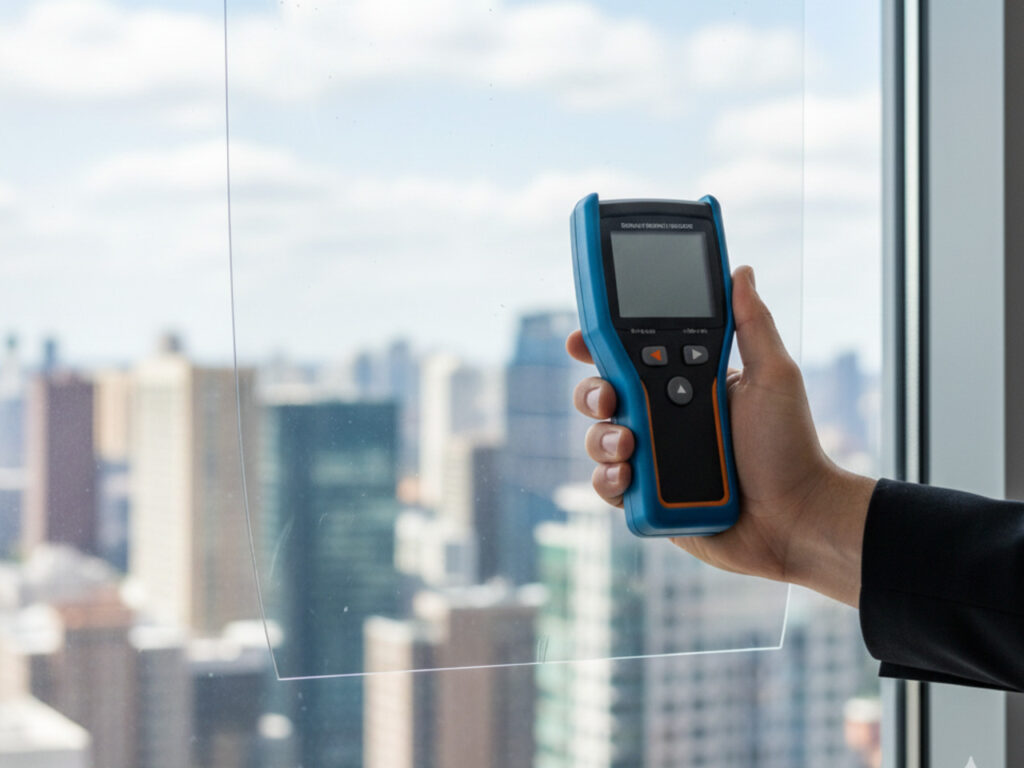
Visual Light Transmission (VLT) vs. Performance Needs: Balancing Light with Protection
When specifying window films, a common consideration is Visual Light Transmission (VLT), which denotes the percentage of visible light that passes through the film. Project managers often seek to maximize natural light without compromising asset protection. A crucial insight here is that superior UV protection does not necessitate a dark or heavily tinted film. Advanced film technologies can achieve maximum UV rejection, blocking virtually all damaging rays, while maintaining high VLT levels. This allows interiors to remain bright and welcoming, effectively balancing the functional need for protection with the aesthetic desire for ample natural light, addressing a core client demand.
Balancing Aesthetics with Optimal Protection: The Role of Spectrally Selective Films
For projects where both robust protection and pristine aesthetics are paramount, spectrally selective films offer an intelligent solution. These advanced films are engineered to selectively filter specific wavelengths of the solar spectrum. They effectively block the damaging UV rays and a significant portion of heat-generating infrared (IR) rays, all while allowing a high percentage of visible light to pass through. This translates into comfortable interior temperatures, reduced energy consumption, and exceptional protection for valuable assets without altering the building’s architectural appearance or natural light quality. It is a sophisticated way to meet stringent client expectations for both performance and visual integrity.
Manufacturer Warranties, Product Certifications, and Long-Term Reliability
Thoroughly reviewing manufacturer warranties is essential when specifying UV protection films. Reputable manufacturers like 3M offer comprehensive coverage for bubbling and peeling. These warranties also protect against cracking and loss of adhesion for extended periods. This coverage ensures the long-term reliability of the construction material.
Look for products with certifications from the National Fenestration Rating Council (NFRC). These provide independent verification of UV rejection and visible light transmission. They also validate the solar heat gain coefficient for the film. These assurances provide peace of mind and validate the client’s investment. This underscores the film’s long-term contribution to building value.
Integrating Professional UV Protection into Your Project Scope: A Manager’s Playbook
Early Planning: Making UV Film a Proactive Specification, Not an Afterthought
Integrating UV protection film early in the planning phase is highly beneficial. It should not be treated as a reactive measure later. Proactive specification allows for optimal film selection based on building orientation. This tailoring ensures the system meets the client’s asset protection requirements.
Engaging specialists during initial design reviews prevents costly future adjustments. This ensures seamless integration with other building envelope strategies. Strategic foresight positions UV film as a fundamental protective system. This approach minimizes long-term risks and maximizes building benefits.
Cost-Benefit Analysis: Demonstrating Tangible Value and ROI to Clients
Presenting UV protection film as a critical investment rather than an optional add-on requires a clear cost-benefit analysis. Quantify the potential savings by outlining the direct impact on asset longevity.
- Prevented Fading: Showcase how the film protects expensive flooring, bespoke furniture, artwork, and retail merchandise from UV-induced degradation, extending their lifespan and maintaining their aesthetic appeal.
- Reduced Replacement Costs: Illustrate how avoiding premature replacement of these assets translates into significant financial savings over the building’s operational life.
- Enhanced Property Value: Explain that preserving interior quality directly contributes to the property’s overall market value and tenant satisfaction.
- Energy Efficiency (where applicable): Many UV films also offer substantial heat rejection, leading to reduced HVAC loads and energy costs, further boosting the return on investment.
These tangible benefits underscore the film’s role in mitigating financial risk and enhancing long-term value for the client.
The Professional Installation Process: What Construction Managers Need to Know for Optimal Results
The performance and longevity of UV protection film are heavily reliant on the quality of its installation. Professional installation by certified technicians is non-negotiable for achieving the specified performance characteristics and validating the manufacturer’s warranty. Construction managers should ensure that the chosen installation team possesses the necessary training and experience for the specific film product being used. Key considerations include:
- Certified Installers: Verify that technicians are factory-trained and authorized for the specific 3M film products.
- Site Preparation: Ensure windows are meticulously cleaned and prepped according to manufacturer guidelines to prevent defects.
- Environmental Controls: Confirm that installation occurs under optimal temperature and humidity conditions.
- Post-Installation Care: Understand and communicate the proper curing time and care instructions to the client for optimal film adhesion and clarity.
Adhering to these standards prevents common issues like bubbling, peeling, or haziness, ensuring the film delivers its intended protective and aesthetic benefits flawlessly.
Long-Term Asset Preservation: Maximizing Client Satisfaction and Building Value Through Strategic Protection
The ultimate objective of specifying professional-grade UV protection film is comprehensive long-term asset preservation. By proactively safeguarding valuable interiors from the relentless damaging effects of solar radiation, project managers deliver a critical service that extends beyond initial construction or renovation. This strategic protection directly translates into sustained client satisfaction, as their investments remain vibrant and intact for years. Moreover, a well-preserved interior contributes significantly to a property’s enduring marketability and value, showcasing a commitment to quality and forethought. This underscores that professional UV protection is not merely an an aesthetic enhancement. It is a foundational element of responsible asset management and a testament to building value.
Conclusion: Elevating Building Value and Client Satisfaction Through Proactive UV Protection
Ultimately, the successful delivery of any project hinges on strategic decisions that safeguard long-term investments and exceed client expectations. While the allure of natural light is undeniable, its inherent risks, primarily UV-induced degradation, pose a significant, often overlooked, threat to interior assets and property value. As project managers, our role is to anticipate these challenges and implement solutions that offer lasting protection.
Specifying professional-grade 3M windows UV protection film emerges not merely as an enhancement but as a fundamental component of a responsible and forward-thinking project strategy. It directly addresses the pervasive problem of sun damage, acting as an invisible shield that preserves the integrity and aesthetics of valuable interiors. This proactive measure mitigates the financial risks associated with premature fading, cracking, and deterioration of furnishings, flooring, artwork, and retail merchandise.
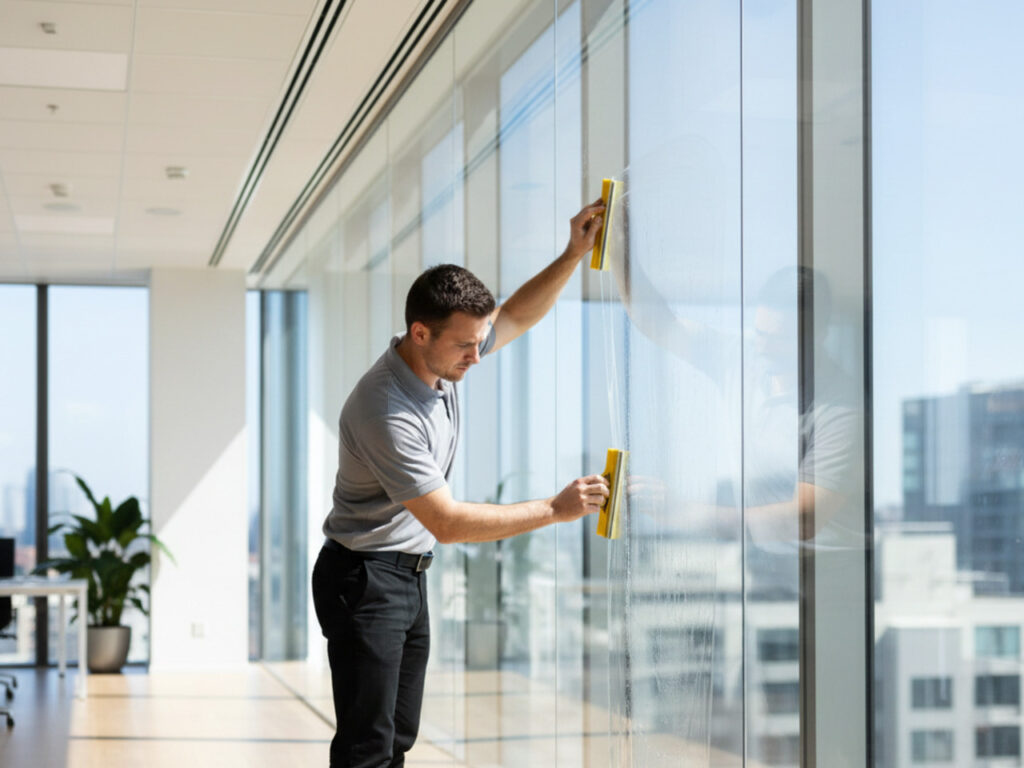
Tangible Returns on a Strategic Investment
The decision to integrate advanced UV protection is a clear investment that yields tangible returns, both financially and in terms of client relations.
- Preservation of Assets: By blocking up to 99% of harmful UV rays, these films dramatically extend the lifespan and maintain the original appearance of interior elements. This translates into reduced replacement costs and sustained aesthetic appeal, directly addressing client demands for enduring quality.
- Enhanced Property Value: A building where interiors remain vibrant and undamaged over time commands higher value. UV protection film contributes to this by preventing the kind of deterioration that depreciates a property’s appeal and market worth.
- Mitigation of Client-Side Risk: For retail and commercial clients, safeguarding merchandise from fading is critical to sales and brand perception. For residential clients, protecting irreplaceable artwork, expensive custom flooring, or designer furniture prevents significant emotional and financial loss. This directly alleviates concerns about aesthetics and asset integrity that project managers frequently encounter.
- Sustainable Building Practices: Beyond direct protection, reduced asset replacement contributes to a more sustainable lifecycle for building components, aligning with modern construction values and environmental responsibility.
In essence, deploying professional-grade 3M UV protection film is a pivotal strategy for project managers aiming to deliver not just a structure, but a fully preserved and highly valued asset. It underscores a commitment to quality and foresight, cementing client satisfaction and distinguishing a project through its enduring integrity. This approach transforms a potential vulnerability into a powerful, long-term advantage, proving that superior protection is inseparable from superior value.
Frequently Asked Questions
What are the main benefits of installing UV protection film on commercial windows?
Installing UV protection film primarily safeguards valuable interior assets like flooring, furniture, artwork, and retail merchandise from fading and degradation caused by the sun’s harmful UV rays. It extends their lifespan, preserves aesthetics, reduces replacement costs, and can also contribute to glare reduction and energy efficiency by mitigating solar heat gain.
How much UV radiation do standard windows block compared to professional-grade UV film?
Standard windows offer limited UV protection, blocking most UVB rays but only about 25-50% of UVA rays. Professional-grade UV blocking window film, especially 3M products, can block up to 99.9% of both UVA and UVB rays, providing a far more comprehensive defense against sun damage.
Will UV window film change the appearance of the glass or interior light levels?
Professional-grade UV film, particularly spectrally selective films, are designed to offer maximum UV protection while maintaining high levels of visual light transmission (VLT). This means they can block damaging UV and infrared rays without significantly altering the glass’s appearance or darkening your interior, preserving natural light and views.
How does UV protection film contribute to a project’s return on investment (ROI)?
UV protection film provides a strong ROI by significantly reducing the need for premature replacement of costly interior assets like flooring, custom furnishings, and retail inventory due to sun damage. It also enhances property value by preserving interior aesthetics, improves energy efficiency by reducing solar heat gain, and boosts client satisfaction by protecting their investments and maintaining the building’s quality over time.