Table of Contents:
- Acknowledging the Familiar: Understanding Tempered Glass in Commercial Contexts
- The Basic Principle: How Tempered Glass Achieves “Strength”
- The Critical Limitations of Tempered Glass for Modern Building Security
- Beyond Impact: Addressing Blast Mitigation and Environmental Security Challenges
- Introducing Advanced Protection: 3M Security Window Film as the Superior Solution
- The Strategic Advantage of Retrofitting: Minimizing Disruption and Maximizing Value
- Strategic Advantages for Project Managers: Why 3M Security Film is the Smarter Choice
- Conclusion: Elevating Building Security and Project Outcomes
- Frequently Asked Questions
- Related Posts from Window Film Depot
Acknowledging the Familiar: Understanding Tempered Glass in Commercial Contexts
For project managers evaluating building security, tempered glass often appears as a default “stronger” option. Its widespread use, from smartphone screen protectors to building facades, contributes to a perception of robust protection. However, a deeper understanding of its design and purpose reveals critical distinctions between general safety and advanced security requirements.
The Basic Principle: How Tempered Glass Achieves “Strength”
Tempered glass undergoes a specific thermal tempering process. After cutting the glass to size, manufacturers heat it to approximately 1,200°F (650°C). They then rapidly cool, or “quench,” the glass with forced air. This cooling makes the outer surfaces solidify much faster than the interior. As the interior cools and contracts, it pulls on the solid outer layers. This creates high compressive stress on surfaces and tensile stress in the core.
This internal stress structure gives tempered glass window its increased strength. It resists direct impact and thermal shock significantly better than standard annealed glass. When tempered glass eventually breaks, it suddenly releases its stored energy. The pane disintegrates into small, relatively blunt, pebble-like pieces.
These fragments are far safer than the large, sharp shards produced by standard glass. Industry experts universally refer to this material as safety glass because of this unique characteristic.

From Smartphone Screens to Building Facades: Common Applications and Perceptions of Tempered Glass
Selecting film thickness and material composition corresponds directly to specific security objectives. These precise choices ensure the installation meets necessary protection standards for the building.
- Consumer Electronics: Manufacturers choose tempered glass for smartphone screen protectors and tablet displays to resist scratches and absorb impact. This material prevents immediate catastrophic failure. While the glass offers a layer of protection, it does not render the device invulnerable
- Automotive Industry: Automakers predominantly use tempered glass for side and rear vehicle windows to prioritize occupant safety during collisions. This fragmentation reduces the risk of lacerations for passengers.
- Architectural and Commercial Spaces: Storefronts, entrance doors, partitions, shower enclosures, and balcony railings frequently incorporate tempered glass. Its ability to withstand minor impacts and thermal stress makes it a common specification for areas where safety from incidental breakage is paramount.
This broad exposure has solidified tempered glass’s reputation as a strong, safe, and reliable material. Project managers, drawing on this widespread familiarity, often naturally extend this perception to its suitability for high-security applications.
The Hidden Vulnerabilities: Why Perceived Strength Doesn’t Equal Full Commercial Glass Security
While tempered glass upgrades safety and durability, one must differentiate between safety and security. Its familiar role can obscure fundamental limitations regarding modern commercial glass security demands.
- Safety vs. Security: Tempered glass is designed to break safely, not to prevent entry or contain threats. Its primary benefit activates after impact, by minimizing injury from fragmentation.
- Vulnerability to Targeted Impact: Despite its general resistance, tempered glass has a critical weakness: a single point of sharp impact on its edge or an area of high stress can cause it to shatter completely and instantly.
- Instant Breach Potential: Once an intruder compromises the integrity of tempered glass, it fragments almost immediately, creating an unhindered opening.
- This rapid disintegration creates a significant vulnerability during forced entry attempts, blasts, or prolonged impacts.
This distinction is crucial for project managers, as relying solely on tempered glass overlooks the true protective requirements of a commercial facility.
The Critical Limitations of Tempered Glass for Modern Building Security
Moving beyond general safety, an objective assessment reveals that tempered glass presents substantial limitations when confronted with the complex and evolving threats that modern commercial buildings face. These shortcomings directly impact a project’s security efficacy, logistical feasibility, and long-term cost.
The Immediate Danger: Glass Fragmentation and Project Risk
The characteristic that makes tempered glass safe becomes a critical vulnerability in a security context. Its tendency to shatter into small, blunt pieces is ideal for personal safety. However, this fragmentation still results in an immediate and complete breach of the building envelope. Once the glass shatters, the opening is left entirely unprotected against intruders.
- Instantaneous Access: Once shattered, the window opening is exposed, offering no significant delay to an intruder. This can negate valuable response time for security personnel or law enforcement.
- Operational Disruption: A shattered window, even without sharp shards, requires immediate attention. This leads to costly clean-up, boarding up, and potential business interruption.
- Internal Damage: In high-force incidents like explosions or severe weather, even small glass fragments can become projectiles, damaging interior assets, equipment, and posing a risk to occupants.
These factors introduce significant unforeseen project risks, including unplanned budgets for emergency repairs, potential security lapses, and impacts on business continuity.
Inadequate Resistance to Forced Entry and Impact Threats
For security applications, the primary goal of glazing is often to deter or delay unauthorized entry. Tempered glass falls critically short in this regard. Its “strength” is largely measured against general breakage, not sustained forced entry.
- Point-of-Impact Failure: As previously noted, a concentrated impact, even from a common tool like a hammer or a rock, can instantly compromise tempered glass. Unlike other materials that might bend or crack, tempered glass rapidly ceases to function as a barrier once an impact breaches its surface integrity.
- Minimal Delay Tactics: In a forced entry scenario, the objective is to delay an intruder for as long as possible, providing time for a response. Tempered glass offers virtually no delay; its immediate fragmentation provides quick access, often within seconds.
- Vulnerability to Smash-and-Grab: This characteristic makes it highly susceptible to smash-and-grab theft, where rapid entry and exit are critical for perpetrators.
Project specifications that prioritize forced entry resistance will find tempered glass alone to be an insufficient barrier.
Beyond Impact: Addressing Blast Mitigation and Environmental Security Challenges
Modern building security extends beyond deterring simple forced entry to encompass a broader spectrum of threats, including catastrophic events. Here, the limitations of tempered glass become even more pronounced.
- Blast Mitigation: In the event of an explosion, tempered glass is not designed to absorb or dissipate blast energy. Instead, it instantaneously shatters into thousands of small, fast-moving projectiles. These fragments become secondary shrapnel, capable of causing severe injury or fatality to building occupants and significant damage to the interior structure and assets. There is no protective “cushion” or containment offered.
- Severe Weather Events: Regions prone to hurricanes, tornadoes, or other severe storms often experience high winds and flying debris. Tempered glass, when struck by wind-borne objects, will break, leading to a breach in the building’s envelope. This breach can allow wind and water to enter, causing immense internal damage, compromising structural integrity, and leading to extensive repair costs and operational downtime. It offers minimal resistance to maintaining the building’s integrity against environmental forces.
Logistical Hurdles and Cost Implications of Tempered Glass Replacement in Existing Structures
When considering security upgrades for existing commercial buildings, the reliance on tempered glass presents considerable logistical and financial challenges, particularly when replacement is deemed necessary.
- High Replacement Costs: Replacing entire tempered glass units involves not just the cost of new glass, but also significant labor, specialized equipment, and often, extensive scaffolding.
- Disruptive Installation Process: Removing existing glass and installing new, heavier tempered units can be highly disruptive to building occupants and operations. This often necessitates facility shutdowns, re-routing of pedestrian traffic, and coordination with various trades.
- Extended Lead Times: Custom-sized tempered glass units can have substantial lead times, ranging from weeks to months. This delay can impede project schedules, especially when a security upgrade is urgent.
- Complex Logistics: The transportation and handling of large, rigid glass panels require careful planning and specialized logistics, adding to project complexity and expense.
- Disposal Challenges: The proper disposal of old glass units, especially large commercial panels, can be costly and requires adherence to specific waste management regulations.
These factors make relying on full tempered glass replacement an unwieldy and often prohibitive solution for enhancing security in existing commercial properties, pushing project managers to seek more agile and cost-effective alternatives.
Introducing Advanced Protection: 3M Security Window Film as the Superior Solution
Project managers seeking better building security must balance robust protection with practical project constraints. Tempered glass offers safety advantages, but modern security window films provide a more versatile solution.
These sophisticated films redefine possibilities in commercial glass security. They offer enhanced protection without the logistical complexities of full glass replacement. This technology allows for a high-performance upgrade within existing building frames and timelines.
Redefining Glass Security: The Technology Behind 3M Safety and Security Film
3M Safety and Security Window Film represents a significant leap in material science for building envelopes. These films consist of multiple layers of high-strength polyester bonded with unique, robust adhesives. This multi-layered construction provides a flexible yet incredibly tough barrier designed to absorb impact. When applied, this technology transforms brittle glass into a highly resilient part of the building’s perimeter. The optical clarity ensures that visibility remains unimpeded for building occupants. This preserves the aesthetic and natural light qualities of the original glazing while adding critical protection.
How 3M Security Film Transforms Standard Glass into a Fortified Barrier
The primary function of 3M security film is to prevent glass fragmentation into dangerous, shattered pieces upon impact. When standard or even tempered glass is struck, it fractures. Without film, these fragments can become airborne projectiles, posing severe injury risks and creating immediate breach points for forced entry or environmental exposure. Security film acts as an invisible net, holding the broken shards firmly in place, adhering them to the film’s surface and the window frame. This anti-shatter capability yields several critical benefits:
- Enhanced Safety: Significantly reduces the risk of injury from flying glass fragments during accidents, natural disasters, or intentional attacks.
- Delayed Entry: Forces intruders to exert significantly more effort and time to gain access, turning a quick smash-and-grab into a prolonged, noisy event that increases their risk of detection.
- Containment of Damage: Helps maintain the building envelope’s integrity, protecting interior assets from wind, rain, and debris after an impact event.
- Reduced Cleanup: Simplifies post-incident cleanup by keeping glass fragments localized and attached to the film.
The Strategic Advantage of Retrofitting: Minimizing Disruption and Maximizing Value
For project managers, the ability to retrofit existing structures with security film offers a profound strategic advantage over traditional glass replacement. Installing security film involves applying it directly to the interior surface of existing windows. This process circumvents the need for extensive demolition, framing modifications, or the complex logistics of removing and installing heavy glass units. The strategic benefits include:
- Minimized Operational Disruption: Work can often be completed with minimal interference to ongoing business operations or tenant activities, avoiding costly downtime.
- Reduced Project Timelines: Installation is typically much faster than glass replacement, accelerating project completion and occupancy.
- Cost Efficiency: Eliminates the significant labor and material costs associated with glass removal, disposal, and procurement of new specialized glazing.
- Preservation of Aesthetics: Maintains the building’s existing architectural lines and fenestration designs, as the film is virtually invisible once applied.
Understanding 3M™ Scotchshield™ Safety & Security Window Film Ultra Series for Enhanced Performance
When specifying security solutions, understanding product tiers is crucial. The 3M™ Scotchshield™ Safety & Security Window Film Ultra Series represents the pinnacle of this technology, engineered for environments demanding the highest levels of protection. What sets the Ultra Series apart is its patented micro-layered construction. Instead of a few thick layers, these films feature hundreds of ultra-thin, tear-resistant layers that work synergistically. This unique design provides:
- Superior Tear Resistance: The micro-layers distribute stress more effectively, making the film incredibly difficult to penetrate or tear, even when subjected to repeated, concentrated impacts.
- Exceptional Elongation: The film can stretch significantly without breaking, allowing it to absorb a tremendous amount of energy from impacts or blast waves, keeping glass intact within the frame.
- Enhanced Adhesion: Coupled with specialized adhesives, the Ultra Series maintains its bond to glass and frame systems under extreme conditions, offering sustained security.
- Optimized Performance: These films are specifically designed to meet stringent security standards, offering a robust defense against forced entry, bomb blast, and severe weather events.
A Head-to-Head Analysis: Security Window Film vs Tempered Glass Performance, Practicality, and Project Benefits
A comprehensive evaluation requires a direct comparison between security film and tempered glass across key performance indicators. This analysis will provide project managers with the data needed to make informed decisions that align with security objectives and project realities.
Impact Resistance and Forced Entry: A Direct Comparison
When evaluating impact resistance and forced entry capabilities, the differences between security film and tempered glass become stark.
- Tempered Glass: Engineered to shatter into small, relatively harmless pieces upon impact. While this is a safety feature designed to prevent jagged shards, it also means tempered glass offers minimal resistance to forced entry once broken. A single, well-placed impact can create an immediate, wide-open breach. It provides a ‘safe’ break, but not a ‘secure’ one.
- Security Window Film: Transforms the glass’s response to impact. Instead of shattering and dispersing, the film holds the broken glass fragments together, maintaining a formidable barrier within the window frame. This requires multiple, sustained impacts to create an opening, significantly delaying an intruder’s access and increasing the likelihood of detection. The goal shifts from merely preventing injury to actively deterring and delaying forced entry.
Blast Mitigation Capabilities: Surpassing Tempered Glass Standards
For critical infrastructure and high-risk environments, blast mitigation is a paramount concern. Here, security film demonstrates a clear superiority.
- Tempered Glass Alone: Offers negligible blast mitigation. The immense pressure wave from an explosion will cause tempered glass to shatter and propel its ‘safe’ fragments at high velocity, turning them into dangerous projectiles capable of causing severe injury or death.
- Security Window Film: Specifically engineered to absorb and dissipate the energy from blast waves. Holding shattered glass fragments together maintains the integrity of the window system. This prevents primary fragmentation hazards, dramatically reducing injuries and property damage. High-performance films are often anchored directly to the window frame. These systems are tested and certified to rigorous GSA and ASTM standards. These standards, like GSA TS01 and ASTM F1642, define performance levels for blast resistance that tempered glass alone cannot achieve.
Installation Dynamics: Efficiency, Cost, and Operational Continuity for Commercial Glass Security
The practicalities of installation directly impact project timelines and budgets.
- Security Window Film Installation: A clean, quiet, and typically rapid process. Technicians apply the film to the interior surface of existing glass. This means:
- Minimal Disruption: No need to remove window frames or existing glazing. Operations within the building can often continue uninterrupted.
- Lower Labor Costs: Fewer personnel and specialized equipment are required compared to glass replacement.
- Reduced Project Duration: The installation of film across an entire building can often be completed in days or weeks, as opposed to months for glass replacement.
- No Building Envelope Breaches: The building’s weather seal and thermal envelope remain intact throughout the process.
- Tempered Glass Replacement (for security upgrades): Involves removing the existing glass, transporting new, often heavier tempered units, and reinstalling them. This is a far more involved process:
- Significant Disruption: Loud, messy, and typically requires vacating areas during installation.
- Higher Labor and Material Costs: Specialized equipment, larger crews, and the cost of new glass units add considerably to the budget.
- Extended Project Timelines: Can cause significant delays and impact project scheduling.
- Potential for Weather Exposure: Temporarily compromises the building’s weather barrier during glass removal and reinstallation.
Long-Term Value and Maintenance Considerations for Building Envelope Security
Investing in building envelope security requires considering long-term value, durability, and maintenance.
- Security Window Film: Engineered for durability and longevity, often coming with multi-year warranties. Once installed, it requires minimal maintenance beyond standard window cleaning. High-quality films also offer additional benefits such as UV protection, reducing fading of interior furnishings and potentially improving energy efficiency by blocking solar heat gain. This dual benefit contributes to the overall performance and value of the building throughout its lifecycle.
- Tempered Glass: While durable in its intended use, its primary security weakness lies in its inability to resist forced entry without shattering. Replacement due to security breaches or desired upgrades would incur the same high costs and disruptions as initial installation. Its intrinsic properties do not offer the same holistic security and performance enhancements as advanced film.
Adherence to Industry and Government Standards: Meeting Strict Security Requirements
For project managers tasked with meeting specific security mandates, adherence to industry and government standards is non-negotiable.
- Security Window Film: High-performance security films are rigorously tested and certified to meet or exceed a broad range of international and national security standards. This includes, but is not limited to, those from:
- General Services Administration (GSA): For blast protection in government buildings.
- American Society for Testing and Materials (ASTM): For impact, forced entry, and blast resistance.
- Underwriters Laboratories (UL): For various safety and security classifications.
- Specifying films that carry these certifications provides project managers with verifiable proof of performance and ensures compliance with stringent security protocols.
- Tempered Glass: Tempered glass meets safety standards for breakage patterns but fails advanced security requirements. It does not provide the blast mitigation or forced entry resistance demanded by industry standards. True security requires combining tempered glass with more expensive, complex systems like laminated glass. These integrated protective layers often introduce their own set of difficult project challenges.
Strategic Advantages for Project Managers: Why 3M Security Film is the Smarter Choice
Enhancing Building Value and Meeting Diverse Client Demands for Security
Project managers aim to increase the long-term value and versatility of their building assets. Modern security window films offer a distinct advantage over traditional tempered glass. Unlike tempered glass, security film holds glass together to create a formidable barrier. This technology protects against forced entry, ballistic threats, and natural disasters. Such resilience provides a measurable upgrade that directly enhances overall building value.
3M films can be specified to meet precise performance criteria for diverse security demands. This allows for tailored solutions rather than a one-size-fits-all approach to facility protection. Managers ensure specific client needs are met without over-engineering or under-protecting the property.
Cost-Effectiveness and Return on Investment for Building Upgrades and Retrofitting
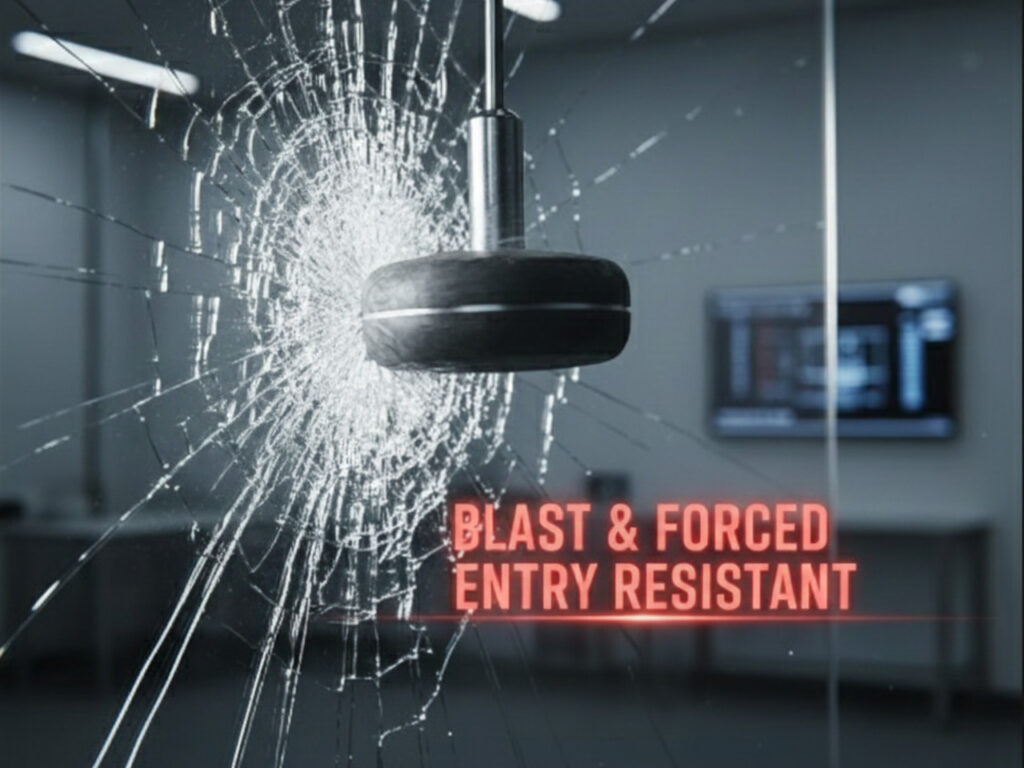
For building upgrades and retrofitting projects, the financial implications of security enhancements are paramount. Replacing existing glazing with specialized security glass, such as thicker tempered or laminated units, often involves significant costs related to demolition, disposal, labor, and the procurement of new, custom-sized glass panels. In contrast, the application of high-performance security window film represents a highly cost-effective alternative. It leverages existing glass infrastructure, avoiding the expense and complexity of full window replacement. The faster installation times also contribute to reduced labor costs. This approach not only provides a superior return on investment by significantly extending the functional security life of existing windows but also allows project budgets to be allocated more efficiently, delivering higher security performance per dollar spent.
Minimizing Operational Downtime and Disruption During Security Enhancements
Installing security window film is significantly less intrusive for building operations than full glass replacement. The application requires only temporary access to window surfaces with minimal disruption to occupants. There is no need for heavy machinery, extensive scaffolding, or prolonged section closures. This expedited process allows businesses to continue operations with little to no downtime.
Residents experience minimal inconvenience while project schedules remain on track. This efficiency makes film the preferred choice for hospitals, schools, and government buildings. Continuous operation remains possible while significantly upgrading the building’s defensive perimeter.
Versatility Across Building Envelopes: Addressing Specific Security Concerns with 3M Film
The adaptability of 3M security film across various building envelopes and architectural designs is a major advantage. Unlike rigid glass units that require specific frame types and dimensions, film can be applied to virtually any existing glass surface, regardless of its shape, size, or location. This versatility allows project managers to address a wide array of specific security concerns with precision:
- Forced Entry Resistance: Certain 3M safety and security films are engineered to drastically increase glass integrity, delaying or preventing unauthorized access attempts.
- Blast Mitigation: Specialized films can significantly reduce the hazards of flying glass shards in the event of an explosion, protecting occupants from severe injury.
- Natural Disaster Protection: In areas prone to hurricanes, earthquakes, or severe storms, film helps windows withstand extreme forces and remain intact, maintaining the building’s envelope.
- Spontaneous Glass Breakage: For large glass panels, safety film helps contain fragments from accidental or spontaneous breakage, preventing injury and property damage.
This targeted approach ensures that the chosen film solution directly corresponds to the identified vulnerabilities and specific security objectives of the project, optimizing protection where it is most needed.
Our Expertise: Leveraging the #1 U.S. 3M Window Film Installer for Your Project Success
Selecting and installing advanced security films are complex processes requiring specialized knowledge and experience. Partnering with the top 3M installer ensures your project benefits from unparalleled expertise. Our team possesses in-depth knowledge of 3M’s extensive product lines and cutting-edge series. We recommend precise solutions for your unique security challenges based on this specialized expertise.
This specialization translates into meticulous project planning and efficient execution. We guarantee the film’s intended performance, providing project managers with total confidence. This partnership effectively mitigates project risk while ensuring high-performance security results.
Navigating Specification: Tailoring 3M Security Film to Your Project’s Needs
Comprehensive Threat Assessment: Identifying Vulnerabilities and Security Objectives
Effective security planning begins with an objective assessment of potential threats and existing vulnerabilities. Project managers must move beyond generic assumptions to analyze specific risks facing a building. This process involves evaluating building location, operational profile, and the value of internal assets. Managers must consider various incidents, from accidental impacts to targeted criminal activity or terrorism. Understanding these elements allows for the precise identification of specific security objectives. Objectives might include delaying forced entry or enhancing blast protection for building occupants. A comprehensive assessment forms the bedrock for selecting the most appropriate 3M security film.
Choosing the Right 3M Security Film Series for Specific Applications
3M offers a diverse portfolio of security films, each engineered with distinct properties to address specific applications and performance requirements. Selecting the correct series is critical for achieving desired security outcomes and optimizing project investment.
- 3M Safety Films (SCL Series): These films are primarily designed to hold shattered glass together, preventing dangerous shards from flying inward during accidental breakage, impact, or minor events. They enhance personal safety and mitigate property damage.
- 3M Scotchshield™ Safety & Security Films (Ultra Series): Representing a significant advancement, the Ultra Series films utilize a micro-layered construction that offers superior tear resistance compared to standard films. This makes them exceptionally effective for forced entry resistance, blast mitigation, and severe weather protection, designed to absorb and distribute impact energy more effectively.
The choice between these series, and their varying thicknesses, depends directly on the threat assessment. For instance, a facility requiring enhanced protection against prolonged forced entry attempts would likely specify a thicker Ultra Series film, possibly integrated with an impact protection adhesive system for maximum integrity.
Integrating Security Film with Existing Building Envelope Security Measures
Security window film acts as a critical component within a layered security strategy, not a standalone solution. Project managers must understand how film complements existing building envelope security measures. This includes door systems, access control, alarm systems, and electronic surveillance. Applied film extends delay times during breach attempts, allowing security personnel or law enforcement to respond. This synergy creates a more resilient and difficult target for intruders. The comprehensive system ensures each component reinforces the others, maximizing protection against various threats.
The Role of Expert Consultation: Specialized Expertise in Custom Glass Security Systems
Given the complexity of security threats and the array of available solutions, expert consultation is indispensable for project managers. Our specialized expertise in custom glass security systems ensures that every aspect of the project, from initial threat assessment to product selection and installation methodology, is meticulously managed. We bring an understanding of building codes, performance standards, and real-world application challenges, guiding you through the technical specifications of different 3M films. This consultative approach helps identify potential points of failure, optimize material choices, and integrate film seamlessly into the broader security framework, ultimately delivering a robust and reliable security enhancement tailored to the project’s unique demands.
Ensuring Compliance: Meeting Regulatory and Performance Standards for Building Security
Compliance with regulatory and performance standards is a non-negotiable requirement for any building project. Project managers must consider building codes, safety regulations, and industry standards when specifying films. Requirements often include impact resistance, blast mitigation, and fire safety ratings. These factors depend on building occupancy, location, and specific security objectives. 3M security films undergo rigorous testing to meet or exceed global standards. We provide documented performance data to support all project compliance efforts. Our team helps you navigate these requirements to align with applicable codes. This ensures the project maintains its integrity and future operational legitimacy.
Conclusion: Elevating Building Security and Project Outcomes
Beyond Perception: The Case for Advanced Film Technology over Traditional Tempered Glass
The assumption that tempered glass provides adequate security often belies its true performance. It resists thermal stress and impact better than standard annealed glass. However, its response to significant force is to shatter into small pieces. This mitigates fragment injuries but compromises the integrity of the building envelope. The failure creates an immediate and accessible breach point for intruders. This contrasts sharply with the superficial resilience offered by small device screen protectors.
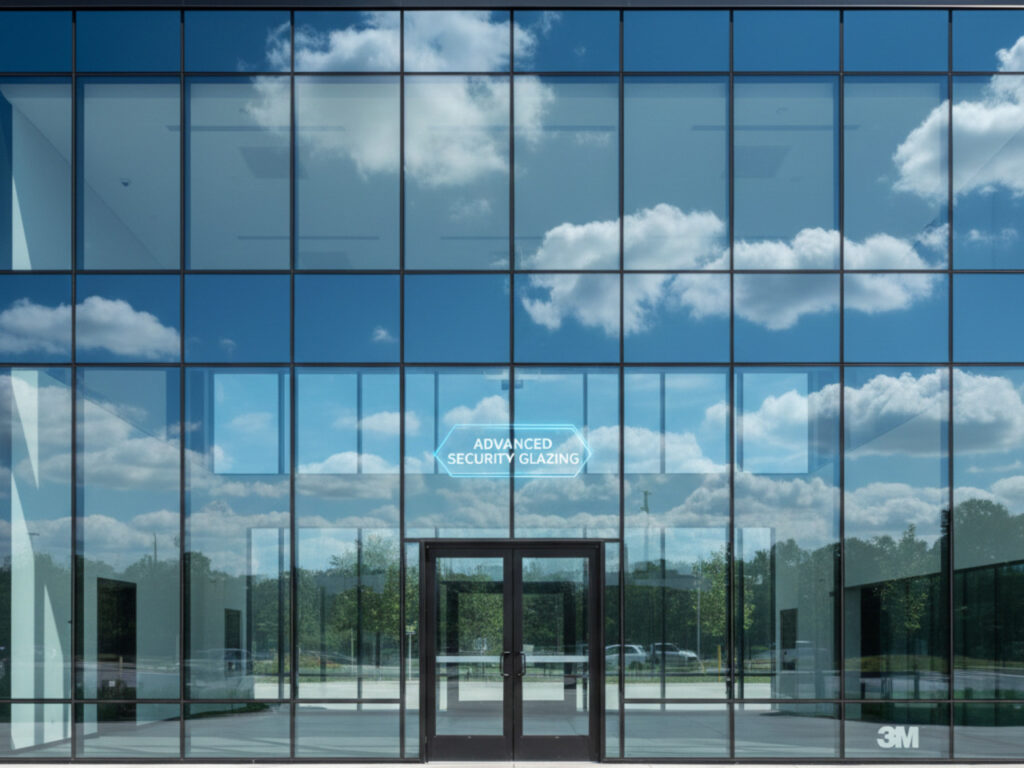
Modern security window films fundamentally transform the performance of existing glass. They do not prevent glass from breaking but act as a robust, invisible shield. The film bonds shattered fragments together and holds them firmly within the frame. This provides a substantial delay against forced entry and mitigates flying glass shard dangers. It enhances blast resistance far beyond what tempered glass alone can offer. Security performance depends on maintaining building envelope integrity under extreme duress.
Empowering Project Managers with Informed Security Solutions
For project managers tasked with enhancing building security and meeting stringent client demands, understanding the nuanced differences between traditional glass and advanced film technologies is paramount. Specifying security window film represents a strategic shift from merely meeting baseline safety codes to actively fortifying a property against a spectrum of threats, from smash-and-grab attempts to more severe impact events. This knowledge empowers project managers to advocate for solutions that offer superior protection while often being more cost-effective and less disruptive to implement than full glass replacement.
Key advantages for informed specification include:
- Reduced Installation Complexity: Security film is applied to existing glass, avoiding the logistical challenges, demolition, and disposal costs associated with replacing entire window units.
- Accelerated Project Timelines: Installation is typically quicker, minimizing downtime and disruption for occupants or business operations.
- Optimized Budget Allocation: Achieving a higher level of security performance often comes at a significantly lower cost compared to structural glass upgrades.
- Enhanced Multi-Threat Protection: Films offer benefits beyond impact resistance, including UV protection, energy efficiency, and privacy options, adding layers of value.
Partnering for Superior Safety and Long-Term Value
The successful implementation of advanced security solutions hinges on effective collaboration with experienced partners. Engaging with certified specialists ensures that the chosen film technology is appropriate for the specific threat landscape and architectural requirements of the project. These partnerships extend beyond simple installation, encompassing detailed threat assessments, product selection guidance, and adherence to manufacturer-specified installation protocols, all of which are critical for validating warranties and ensuring optimal performance.
Investing in high-quality security film is an investment in the long-term resilience and value of a commercial property. It enhances occupant safety, protects valuable assets, and provides peace of mind for building owners and tenants. This approach contributes directly to a building’s overall marketability and its ability to attract and retain occupants who prioritize security.
Future-Proofing Commercial Properties with 3M Security Film
In an evolving security landscape, the ability to adapt and upgrade building protections is increasingly vital. 3M security films offer a future-proof solution that can be integrated into existing structures, providing a dynamic layer of protection against emerging threats without necessitating major structural renovations. Their modular nature allows for scalable solutions, from foundational protection to advanced blast mitigation, addressing current needs while providing flexibility for future enhancements.
Choosing 3M security film for commercial properties positions them for enduring value by:
- Adapting to Evolving Threats: Provides a versatile defense that can be upgraded or combined with other security measures as threat profiles change.
- Meeting Sustainability Goals: Many films contribute to energy efficiency by reducing heat gain and loss, aligning with modern green building initiatives.
- Maintaining Aesthetic Integrity: The optical clarity of advanced films ensures that enhanced security does not detract from a building’s design or natural light.
- Leveraging Proven Technology: 3M’s rigorous testing and continuous innovation ensure that their security films meet the highest standards for performance and durability, providing a reliable and trusted solution for decades to come.
Frequently Asked Questions
What is the primary difference between annealed glass and tempered glass?
The main difference lies in their strength and how they break. Annealed glass is standard glass that breaks into large, sharp, and dangerous shards. Tempered glass, through a thermal tempering process, is significantly stronger and, when broken, shatters into thousands of small, relatively blunt pieces (dicing), making it a much safer option for human impact areas.
Can 3M security film effectively prevent forced entry into a commercial building?
Yes, high-performance 3M security film is engineered to drastically increase glass integrity and significantly delay forced entry. By holding the glass together even after it shattered, it transforms a quick smash-and-grab opportunity into a prolonged, noisy event, providing valuable time for security response and deterring intruders.
Is security window film suitable for blast mitigation?
Absolutely. Unlike tempered glass, which shatters into dangerous projectiles during an explosion, security window film is designed to absorb and dissipate blast energy. It keeps glass fragments contained within the frame, dramatically reducing the risk of injury from flying debris and maintaining the building’s integrity. High-performance films meet stringent blast mitigation standards like GSA TS01 and ASTM F1642.
How disruptive is the installation of security window film compared to replacing tempered glass?
Installing security window film is a far less disruptive process than replacing tempered glass. Film is applied to existing windows, avoiding the need for demolition, heavy equipment, and extensive labor. This means minimal operational downtime for businesses, shorter project timelines, and no compromise to the building’s weather seal, offering a cost-effective and efficient upgrade.
What are the long-term benefits of installing 3M security film on commercial properties?
Beyond immediate security enhancements, 3M security film provides long-term value by extending the functional security life of windows, protecting interior assets from UV damage, and often improving energy efficiency. It also offers a future-proof, scalable security solution that can adapt to evolving threats and maintain a building’s aesthetic integrity, contributing to its overall resilience and marketability.