Table of Contents:
- Legal Requirements and Performance Expectations
- Assessing the Need: When is Full Glass Replacement the Only Option?
- The Strategic Alternative: Elevating Security with Advanced Window Film Technology
- Strategic Project Planning: Cost-Benefit Analysis of Retrofit vs. Replacement
- Crafting Custom Security: Specifying the Ideal Solution for Your Commercial Project
- Conclusion: Key Takeaways for Modern Glass Security and Project Efficiency
- Frequently Asked Questions
- Related Posts from Window Film Depot
Legal Requirements and Performance Expectations
For project managers, understanding what safety glass is extends beyond a technical specification. It is a critical component of risk management, occupant welfare, and regulatory compliance. Commercial projects inherently involve higher foot traffic, greater potential for accidental impact, and heightened security considerations. Integrating appropriate safety window glazing is, therefore, not merely a recommendation but a legal and ethical imperative to mitigate potential injuries from broken glass and enhance the overall resilience of the structure against various threats. This strategic choice directly addresses client demands for secure, compliant, and safe environments, while safeguarding the project against future liability.
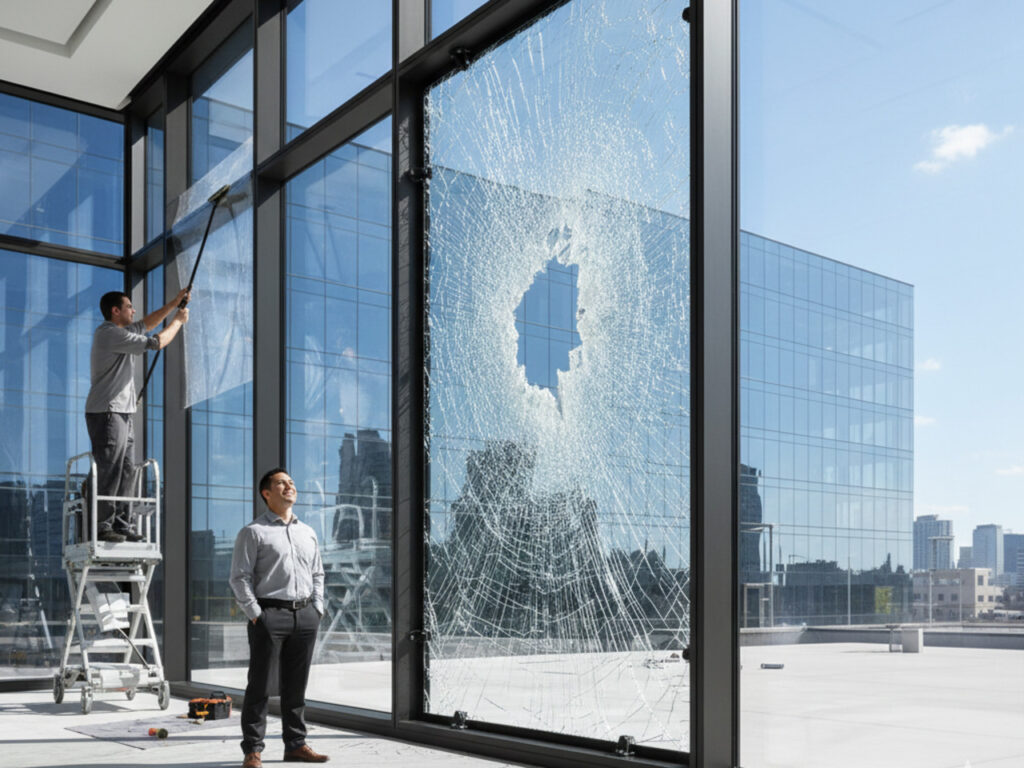
Engineers design safety glass to reduce injury severity or provide enhanced protection against impact. Its definition focuses on how the glass behaves upon failure rather than just simple strength.
Building codes mandate its application in hazardous locations like doors and sidelights.Performance expectations include shattering into harmless pieces or maintaining structural integrity after impact. These features help prevent intruders, contain blasts, and hold glass fragments in place.
Tempered Glass: The Shatter-Resistant Choice
Manufacturers create tempered glass, or toughened glass, by intensely heating the material and then cooling it rapidly. This thermal treatment creates compressive stress on the outer surfaces and tensile stress in the core. When broken, this stress differential causes the glass to fracture into small, relatively blunt, granular chunks rather than sharp, jagged shards, significantly reducing the risk of deep lacerations.
- Key Characteristics:
- Approximately four to five times stronger than annealed (regular) glass of the same thickness.
- Exhibits a “dicing” breakage pattern.
- Cannot be cut or drilled after tempering.
- Common Applications: Primarily used where human impact is a concern, such as in glass doors, shower enclosures, partitions, and certain automotive windows.
Laminated Glass: Layered Protection for Enhanced Security and Containment
Laminated glass consists of two or more panes bonded together by strong plastic interlayers. These interlayers are typically made of polyvinyl butyral (PVB) or SentryGlas Plus (SGP). In the event of breakage, glass fragments adhere firmly to the intact interlayer. This design prevents large, sharp pieces from detaching and keeps the opening largely contained. The glass maintains a significant barrier to entry or exit even after impact. This highlights distinct performance characteristics often discussed when comparing laminated versus tempered glass.
- Key Characteristics:
- Fragments remain bonded to the interlayer when broken.
- Provides enhanced security by resisting penetration.
- Offers significant sound attenuation and UV light reduction.
- Can be engineered for blast mitigation and hurricane resistance.
- Common Applications: Vehicle windshields, skylights, security glazing for banks and retail, sound-reduction windows, and applications requiring robust containment.
Regulatory Frameworks: ANSI, CPSC, and Building Codes for Window Glazing
Compliance with national and local safety glass standards is non-negotiable for project managers. The primary regulatory bodies influencing glazing specifications in the United States include the American National Standards Institute (ANSI) and the Consumer Product Safety Commission (CPSC).
- ANSI Z97.1: This standard specifies the safety performance requirements for glazing materials used in buildings, focusing on impact resistance.
- CPSC 16 CFR Part 1201: The federal safety standard for architectural glazing materials in hazardous locations. It outlines specific impact test methods and performance criteria that glass must meet to be deemed “safety glazing.”
- International Building Code (IBC) and Local Codes: These codes adopt and reference the ANSI and CPSC standards, integrating them into mandatory requirements for construction projects. They define “hazardous locations” (e.g., doors, windows near walking surfaces, bath enclosures) where safety glazing is compulsory. Adherence ensures public safety and legal compliance, forming a baseline for any construction or renovation project involving glass.
Assessing the Need: When is Full Glass Replacement the Only Option?
Security film offers compelling performance upgrades for many commercial projects. However, specific scenarios require a complete window replacement instead. The fundamental condition of existing glass may necessitate full removal. Some overarching project goals cannot be met through film alone. Recognizing these distinct situations is crucial for making informed, budget-conscious decisions.
Structural Imperfections and Degradation: Beyond Repair Scenarios
Sometimes, the existing glass unit is simply past its useful life or has sustained damage that compromises its fundamental integrity, making superficial enhancements ineffective. This includes:
- Extensive Cracking or Fractures: Beyond minor chips, deep or widespread cracks within the glass pane itself signal a critical structural failure that cannot be remedied by film.
- Insulated Glass Unit (IGU) Seal Failure: Fogging between panes in double-glazed units indicates a broken seal, leading to significant energy performance degradation and moisture ingress. This requires IGU replacement.
- Delamination of Existing Laminated Glass: If the interlayers in existing laminated glass have begun to separate, the original safety properties are compromised, necessitating replacement.
- Severe Etching or Corrosion: Environmental factors or harsh cleaning agents can cause irreversible surface damage, impacting clarity and potentially weakening the glass.
In these instances, the glass itself is functionally deficient, and a full replacement is the only viable path to restore structural soundness and performance.
Achieving Specific Aesthetic or Insulation Requirements
Certain project objectives cannot be met without specifying entirely new glazing units that possess inherent aesthetic or thermal properties.
- Architectural Aesthetics: Custom tints, complex patterns, or specific low-iron glass for maximum clarity may be paramount to the building’s design vision, requiring new glass.
- Advanced Thermal Performance: Achieving aggressive U-factor or Solar Heat Gain Coefficient (SHGC) targets for energy efficiency often necessitates multi-pane insulated glass units with specialized low-emissivity (Low-E) coatings embedded in the glass itself, or inert gas fills. While films can enhance thermal performance, they typically cannot replicate the full spectrum of high-performance IGU capabilities.
When Existing Glazing Fails to Meet Modern Code Compliance
Older buildings frequently feature glazing that was compliant at the time of construction but no longer meets contemporary building codes, especially concerning energy efficiency and structural performance.
- Outdated Energy Performance: Single-pane windows or inefficient double-pane units in older structures may not meet current energy conservation codes, which often mandate specific U-factors or SHGCs that can only be achieved with modern, high-performance insulated glass units.
- Structural Integrity: In some renovation contexts, existing glass might not meet current wind load requirements or other structural demands for the building’s updated use, particularly in areas prone to severe weather.
The Logistical Complexities and Project Timelines of Full Replacements
Opting for full glass replacement introduces a series of logistical challenges and can significantly impact project timelines and budgets.
- Extended Procurement: Sourcing custom-sized glass, especially with specialized coatings or thicknesses, can lead to substantial lead times, delaying project phases.
- Operational Disruption: The process of removing old glass and installing new units is often noisy, messy, and requires extensive staging areas, leading to significant disruption for building occupants or ongoing operations.
- Higher Labor and Disposal Costs: Replacement involves considerable labor for de-glazing, careful disposal of old materials, and precision installation of new units.
- Potential for Unforeseen Issues: Opening up existing window frames can uncover underlying structural issues or unexpected rot, leading to scope creep and further delays.
- Impact on Project Schedules and Budgets: These combined factors frequently result in extended project schedules and increased costs, directly challenging the critical need to stay on budget and avoid costly project delays.
The Strategic Alternative: Elevating Security with Advanced Window Film Technology
Introducing Security Window Film: A Modern Approach to Glass Fortification
Security window film represents a pivotal advancement in fortifying existing glass installations without resorting to complete replacement. Unlike traditional glass, which shatters upon impact, security film is a multi-layered polyester laminate applied to the interior surface of windows. Its primary function is to transform ordinary glass into a robust, integrated system that resists breakage and contains fragments, offering a strategic upgrade for a multitude of applications. This modern approach addresses a critical need in renovation and construction: enhancing safety and security efficiently and economically. This makes security window film for commercial buildings a highly attractive option.
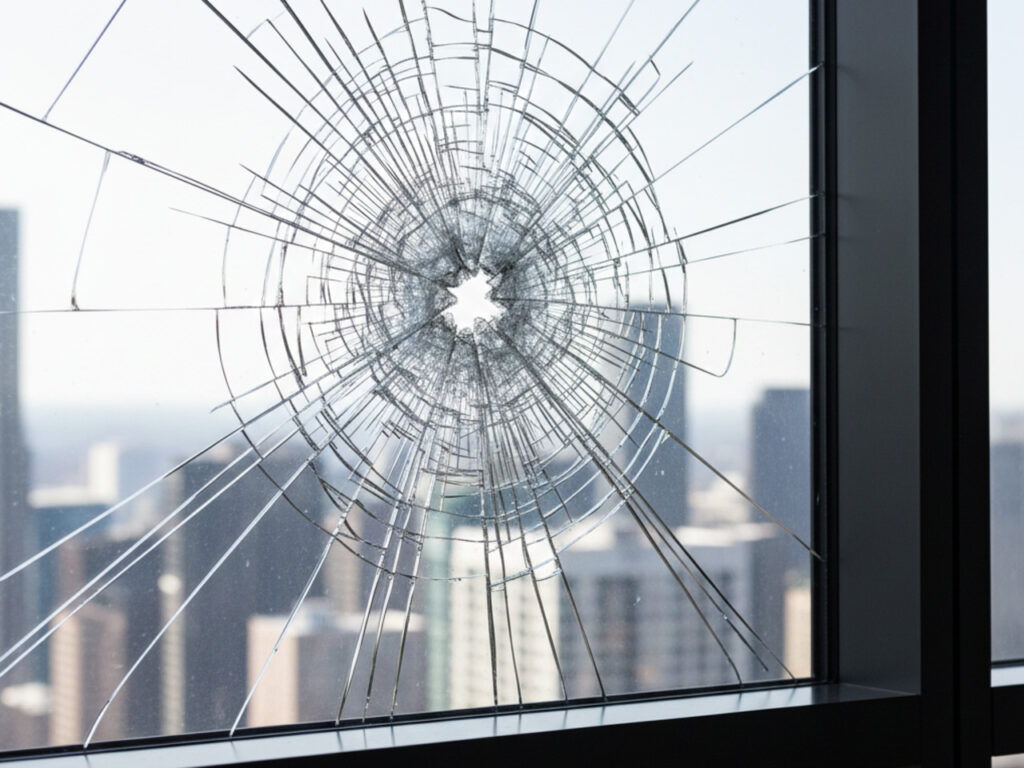
How Security Film Works: Enhancing Glass Integrity Post-Impact
Security film efficacy lies in its ability to absorb and redistribute impact energy effectively. When force strikes the window, the film acts as a flexible, high-strength membrane.
It holds glass shards together rather than allowing them to become dangerous projectiles. The film maintains the integrity of the window opening instead of allowing an immediate breach. This creates a formidable barrier that significantly delays forced entry attempts. It also mitigates dangers posed by flying glass during explosions or severe weather.
3M Security Window Film: Engineered Performance and Specialized Expertise
When considering advanced film technology, 3M stands out as a pioneer in material science and adhesive innovation. 3M Security Window Film products are the result of decades of research and development, engineered to deliver specific performance characteristics. Their expertise extends beyond simply creating a strong film. It encompasses the adhesive technology that ensures a lasting, high-performance bond to the glass, crucial for post-impact integrity. This specialized engineering provides reliable solutions tailored to various security requirements, backed by extensive testing and a global reputation for quality.
Understanding Performance Specifications: Tear Resistance, Thickness, and Tensile Strength
Evaluating security film performance requires an understanding of key material specifications that directly correlate to its protective capabilities. These metrics provide a quantifiable basis for selecting the appropriate film for a given threat level.
- Tear Resistance: This specification measures the film’s ability to resist tearing once an initial cut or puncture has occurred. Higher tear resistance indicates a film that is more difficult to breach, even after the glass itself has been compromised.
- Thickness: Measured in mils (thousandths of an inch), film thickness is a primary indicator of its strength. Thicker films (e.g., 8 mil, 14 mil) offer greater resistance to impact and penetration than thinner films, making them suitable for higher-threat scenarios.
- Tensile Strength: This refers to the maximum stress the film can withstand while being stretched or pulled before breaking. A high tensile strength ensures the film can absorb and distribute significant force without failing, maintaining the window’s integrity under duress.
Types of Security Film: From Basic Protection to Blast Mitigation Window Film
Security films are available in a spectrum of designs, each engineered to address specific types of threats and performance needs. Selecting the right type depends on the project’s security objectives.
- Basic Protection Films: These thinner films primarily offer protection against accidental breakage, holding glass fragments together to prevent injury from shattered glass. They are also effective deterrents against “smash-and-grab” opportunists, significantly slowing down an intruder.
- Enhanced Security Films: Designed for more robust protection, these films are thicker and stronger, offering increased resistance against forced entry attempts using common tools. They can delay intruders for critical minutes, allowing for emergency response.
- Blast Mitigation Window Film: At the highest end of the spectrum, blast mitigation films are engineered to withstand extreme pressure waves from explosions. These films, often paired with specialized attachment systems, are crucial for government buildings, critical infrastructure, and facilities in high-risk areas. They are designed to prevent catastrophic glass failure and protect occupants from blast debris.
Strategic Project Planning: Cost-Benefit Analysis of Retrofit vs. Replacement
For project managers, the decision between retrofitting existing windows with security film and undertaking a full glass replacement often hinges on a comprehensive cost-benefit analysis that extends beyond initial material costs. The strategic advantages of security film often prove compelling.
The Economic Equation: Comparing Upfront Costs of Film vs. Full Replacement
One of the most significant advantages of security window film is its favorable economic equation compared to full glass replacement. Upfront costs for film installation are typically a fraction of what would be required for removing and replacing entire window units. This includes not only the material cost of the glass itself, but also substantial savings on labor, specialized equipment for glass removal and installation, and the often-overlooked expenses associated with debris disposal. For large-scale projects, these savings can be substantial, directly addressing budget constraints.
Expediting Projects: Minimizing Downtime and Avoiding Costly Delays with Film
Project timelines are critical, and full window replacement is inherently time-consuming and disruptive. It often requires extensive deconstruction, structural checks, and precise installation, all of which can lead to costly delays. Security film installation, in contrast, is a far less intrusive process. It can be completed quickly and efficiently, often within operational hours, minimizing downtime for building occupants or avoiding the need for extensive site modifications. This expedited timeline directly translates into lower labor costs and keeps projects on schedule, mitigating the risk of expensive penalties associated with delays.
Installation Logistics: A Comparison of Process, Disruption, and Waste Management
The logistical differences between retrofitting with film and full replacement are profound. Replacing windows involves:
- Process: Demolition of existing window frames, potential structural work, and significant construction noise.
- Disruption: High levels of noise, dust, and security vulnerabilities during the replacement process, often requiring temporary relocation of personnel or operations.
- Waste Management: Substantial amounts of glass, frame materials, and construction debris requiring specialized and costly disposal.
Conversely, installing security film involves:
- Process: Non-invasive application to existing glass, with minimal impact on the building structure.
- Disruption: Limited noise and no dust, allowing operations to continue largely uninterrupted. Security of the premises remains largely intact throughout the process.
- Waste Management: Minimal waste generated, typically limited to film liners and packaging, resulting in significantly reduced disposal costs and environmental impact.
Long-Term Value: Maintenance, Durability, and Lifecycle Costs
The long-term value proposition of security film further solidifies its appeal. Once installed, security films require no specialized maintenance beyond standard window cleaning. High-quality films, like those from 3M, are engineered for exceptional durability, often offering extended warranties against bubbling, peeling, or cracking. They also provide additional benefits such as UV protection, which helps to preserve interior furnishings and reduce energy costs by rejecting solar heat. These factors contribute to a lower lifecycle cost for the window system, enhancing the overall return on investment for the building owner.
Addressing Project Manager’s Dilemma: Meeting Demands on Budget and Schedule
Security window film offers a strategic solution for project managers balancing client demands and budgets. This technology directly addresses the dual challenge of enhancing security while managing project constraints.
Managers can deliver high-performance upgrades that rival or exceed traditional safety glass options. Choosing advanced film maintains fiscal responsibility and adheres to ambitious timelines. This approach ensures security specifications are met without derailing financial or temporal goals.
Crafting Custom Security: Specifying the Ideal Solution for Your Commercial Project
Achieving specific safety and security requirements without the extensive disruption and cost of full glass replacement hinges on a strategic, tailored approach to advanced film technology. This involves a precise assessment of needs, followed by the selection and integration of appropriate film specifications into a cohesive security system. The objective is to deliver robust protection while maintaining project efficiency and fiscal responsibility.
Assessing Vulnerabilities: Identifying Critical Areas for Enhanced Protection
A thorough vulnerability assessment is paramount before any solution can be specified. Not all commercial glass carries the same risk profile or requires identical protection levels.
Ground-level windows and accessible entry points possess higher vulnerability to forced entry or blast events. Areas with high pedestrian traffic or proximity to critical infrastructure also require robust protection. Upper-floor windows or internal partitions may not need the same heavy security specifications. Identifying these areas allows project managers to allocate resources effectively. This strategic approach ensures maximum protection where needed while avoiding unnecessary expenditures elsewhere.
Tailoring Solutions: Matching Film Specifications to Specific Threat Levels
After assessing vulnerabilities, match the appropriate security film specifications to the identified threat levels. Advanced film technology offers a significant advantage over a one-size-fits-all approach.
- Forced Entry Resistance: Films designed for forced entry resistance are typically thicker, often ranging from 8 mil to 15 mil, and are formulated to absorb significant impact. Their primary function is to delay access, turning what might be a quick smash-and-grab into a time-consuming, noisy endeavor that draws attention and allows security personnel to respond.
- Blast Mitigation: For blast mitigation, films are engineered not only for thickness but also for tear resistance and elongation properties. These films are rigorously tested to meet stringent government standards, such as GSA ratings, which evaluate their ability to hold shattered glass within the frame during an explosive event. This significantly reduces dangerous flying debris, the leading cause of injury in such incidents.
Selecting film thickness and material composition directly corresponds to specific security objectives. Attachment systems are also chosen based on unique project requirements and client demands. These precise choices ensure the installation meets the necessary protection standards for the building.
Understanding a “Custom Glass Security System” Approach with Advanced Film
While the film itself is central, a truly effective solution often extends beyond just the film to incorporate a “custom glass security system.” This approach integrates the advanced security film with an attachment system, such as the 3M Impact Protection Attachment System. This system mechanically bonds the filmed glass to the window frame, creating a unified, robust barrier.
- Enhanced Performance: When combined, the film and attachment system work synergistically to provide superior resistance against impacts, whether from forced entry attempts or blast pressures. The film holds the shattered glass together, and the attachment system keeps the entire glazed unit securely within the window frame.
- Engineered Protection: This systematic approach is engineered to ensure that even under extreme stress, the glass unit remains largely intact and within its frame, significantly reducing the risk of injuries from flying shards and deterring intruders by maintaining the integrity of the building envelope. This integrated solution provides a level of security that often surpasses that of standard safety glass, proving that retrofitting can indeed outperform traditional solutions in specific threat scenarios.
Integrating Security Film into Overall Building Security Strategies
Security film is not a standalone solution but a vital component that enhances the overall building security strategy. It acts as a passive, always-on deterrent and protective measure. By delaying forced entry, security film provides critical extra minutes for alarm systems to activate, surveillance cameras to capture events, and security personnel or law enforcement to arrive on site. In the context of blast events, it mitigates shrapnel hazards, safeguarding occupants and valuable assets, thereby complementing active security measures. Its seamless integration fortifies the building’s first line of defense without visible alterations, maintaining the aesthetic integrity of the property while significantly bolstering its resilience.
Partnering with Experts: The Role of a #1 U.S. 3M Window Film Installer in Project Success
The successful implementation of advanced security film hinges critically on expert partnership. Collaborating with a #1 U.S. 3M Window Film Installer offers unparalleled advantages for project managers. These experts possess a deep understanding of product specifications, installation methodologies, and adherence to performance standards. Their certified installers ensure that films are applied precisely, and critical attachment systems are installed correctly, guaranteeing the film performs to its rated capabilities. This expertise minimizes installation errors, reduces project delays, and ensures that the investment yields its intended security benefits. Such a partnership provides peace of mind, knowing that the project’s security enhancements are executed with the highest level of professionalism and technical proficiency.
Conclusion: Key Takeaways for Modern Glass Security and Project Efficiency
Recapping the Core Differences and Advantages
Modern commercial projects often choose between traditional safety glass replacement and retrofitting with advanced security film. Both options offer enhanced protection over standard annealed glass for building occupants.
However, security film provides significant advantages in cost-effectiveness and speed of deployment. It delivers comparable protection against specific threats like forced entry and blast mitigation. This approach retains existing window systems while frequently enhancing overall energy efficiency. Project managers can successfully manage budgets and timelines without compromising on stringent security demands.
Embracing Innovation: The Future of Glass Security in Commercial Construction
The landscape of glass security in commercial construction is continuously evolving, with advanced film technology leading the charge. As materials science progresses, security films are becoming thinner, stronger, and capable of integrating multiple functionalities, such as solar control or privacy, alongside security. This innovation allows project managers to leverage cutting-edge solutions that are adaptable to changing threat environments and building requirements. Embracing these advanced films is not just about meeting current security specs. It is about future-proofing buildings with intelligent, multi-faceted glass solutions.
Empowering Project Managers: Making Informed Decisions for Client Demands and Project Success
Project managers must balance robust security demands with strict budget and timeline constraints. Understanding the strategic advantages of advanced security film empowers these managers to make informed decisions.
This technology provides a compelling, evidence-backed alternative to costly and time-consuming glass replacement. High-level security specifications can be met efficiently and effectively using this approach. This knowledge equips managers to deliver solutions that satisfy security objectives and project success metrics.
Window Film Depot: Your Partner in Advanced Film Technology and Security
Navigating the complexities of modern glass security requires a trusted partner with proven expertise. Window Film Depot stands as the premier #1 U.S. 3M Window Film Installer, committed to delivering advanced film technology solutions. Our partnership provides access to industry-leading products, certified installation, and consultative support from initial vulnerability assessment through project completion. We help project managers achieve security goals and optimize budgets. Our team ensures timely project delivery with precision and professionalism.
Frequently Asked Questions
What is safety glass, and how is it different from regular glass?
Safety glass is glass engineered and processed to reduce the likelihood or severity of injury if broken, or to provide enhanced protection against penetration and impact. Unlike regular (annealed) glass, which breaks into large, sharp shards, safety glass types like tempered glass shatter into small, relatively blunt pieces, and laminated glass holds fragments to an interlayer.
What are the main differences between laminated and tempered glass?
Tempered glass is heat-treated to be stronger and shatters into small, harmless chunks when broken. Laminated glass consists of multiple glass panes bonded by an interlayer, which holds glass fragments in place upon impact. Tempered glass focuses on reducing injury from shattered pieces, while laminated glass provides enhanced security, containment, and sound reduction.
Can security window film truly replace full glass replacement for security?
In many scenarios, yes. Security window film, especially when combined with an attachment system, can significantly enhance the impact and forced entry resistance of existing glass, often matching or exceeding the performance of traditional safety glass solutions, particularly for applications like blast mitigation window film. This avoids the cost, disruption, and delays of full replacement.
How does security window film help meet building codes and safety standards?
While security film itself isn’t a type of safety glass in the way tempered or laminated glass is manufactured, it significantly upgrades the performance of existing glass to meet or exceed safety and security requirements. It helps glass comply with standards for impact resistance, forced entry, and blast mitigation by holding broken glass fragments together, preventing dangerous flying debris, and delaying unwanted access.
What is blast mitigation window film, and when is it used?
Blast mitigation window film is a specialized type of security film engineered to withstand extreme pressure waves from explosions. It is typically used in government buildings, critical infrastructure, and high-risk commercial facilities. When an explosion occurs, the film holds shattered glass securely within the window frame, preventing catastrophic glass failure and protecting occupants from injury caused by flying glass shards.