Table of Contents:
- The Universal Need for UV Protection in Commercial and Large-Scale Properties
- The Hidden Downsides of Traditional Shades in Commercial and Institutional Settings
- Introducing the Professional Alternative: 3M UV Protection Window Film
- A Project Manager’s Comparison: Window Film vs Shades on Key Project Metrics
- Unpacking Performance Data: Beyond Basic UV Rejection for Comprehensive Protection
- Calculating the True ROI: Installation, Maintenance, and Lifespan for Project Success
- Conclusion: Key Takeaways and Next Steps
- Frequently Asked Questions
- Related Posts from Window Film Depot
The Universal Need for UV Protection in Commercial and Large-Scale Properties
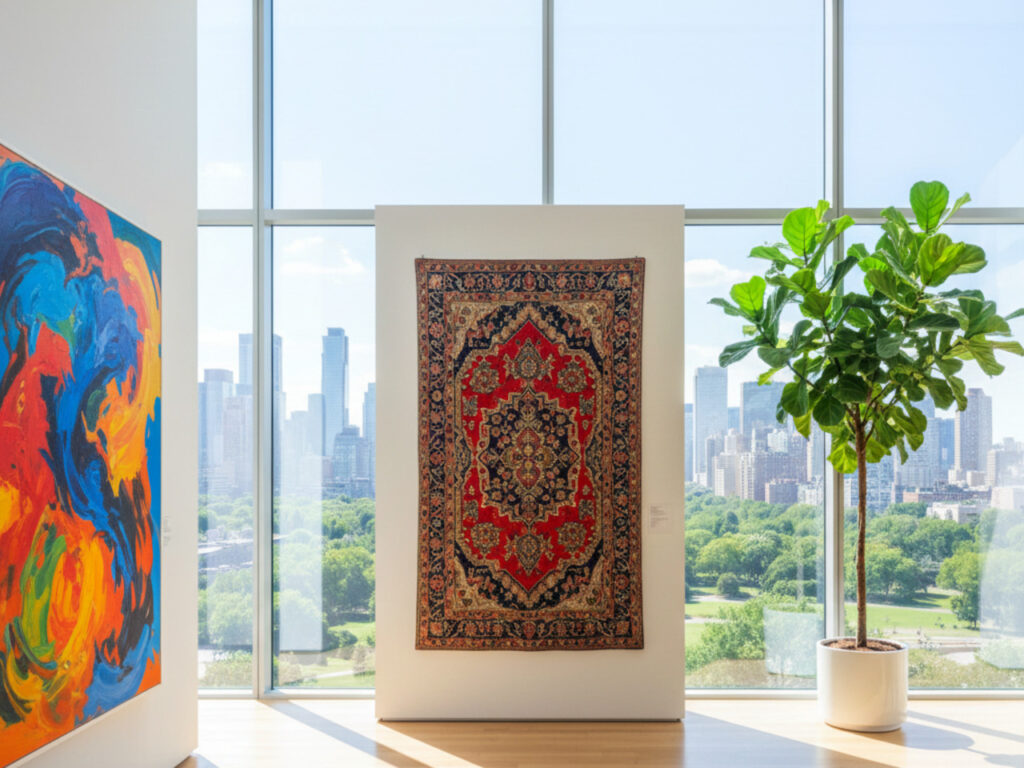
In any commercial, educational, or retail environment, the need for effective UV protection shades for windows is critical. Excessive ultraviolet radiation poses significant risks to building occupant well-being and the longevity of interior furnishings and assets. Uncontrolled UV rays accelerate the fading and degradation of inventory, flooring, and artwork, leading to premature replacement costs. Managing solar heat gain and glare is essential for maintaining a comfortable indoor climate, directly impacting employee productivity.
Excessive ultraviolet radiation poses significant risks to building occupant well-being and the longevity of interior furnishings and assets. Uncontrolled UV rays accelerate the fading and degradation of inventory, flooring, and artwork, leading to premature replacement costs. Managing solar heat gain and glare is essential for maintaining a comfortable indoor climate, directly impacting employee productivity.
Why Traditional Window Shades Often Seem Like the Obvious First Choice for Property Managers
For many project managers, traditional shades or blinds emerge as the initial consideration when addressing UV protection and privacy. This perception is largely rooted in their familiarity and immediate, direct visual impact on the building interior. Shades offer a tangible solution, allowing manual control over light ingress, providing a clear barrier against sunlight. Widespread availability and straightforward installation contribute to their appeal as a primary, conventional choice for window treatments.
Setting the Stage: Beyond Initial Appearances for Long-Term Value and Performance
While the immediate appeal of shades is understandable, large-scale projects must look beyond these initial appearances. A comprehensive evaluation demands a deeper dive into long-term value, operational performance, and total cost of ownership. The goal is not merely to block light, but to achieve sustainable UV protection, energy efficiency, and uncompromised aesthetics. This holistic perspective is essential for making informed decisions that serve the project’s objectives and long-term financial health.
The Hidden Downsides of Traditional Shades in Commercial and Institutional Settings
Surface-Level Appeal Versus Operational Realities of Traditional Shades
The perceived simplicity of shades often masks a complex array of operational challenges in large commercial and institutional settings. While a single shade might appear straightforward, multiplying that by hundreds or thousands across a facility introduces significant operational burdens. Daily manual adjustments become impractical, and even motorized systems require substantial infrastructure, programming, and ongoing maintenance. Furthermore, shades obstruct views when deployed, counteracting design intentions for natural light and connection to the outside world.
They also occupy valuable space within the window reveal, which can disrupt the intended architectural lines.
The Complexities of Managing Multiple Subcontractors for Shade Installation and Maintenance
A significant pain point for project managers lies in the logistical complexities introduced by traditional shade systems. Implementing shades across large properties typically involves engaging multiple subcontractors for measurement, supply, installation, and repairs. This fragmentation complicates project management and requires coordination between separate teams for motorization, programming, or cleaning.
- Fragmented Responsibility: Difficulty in assigning clear accountability when issues arise across different components or phases.
- Coordination Overheads: Extensive scheduling and oversight required to align various teams, leading to potential delays and communication breakdowns.
- Quality Control Challenges: Ensuring consistent installation quality and performance across numerous units from different providers can be an arduous task.
- Warranty Management: Navigating multiple warranties for different parts of the system (fabric, hardware, motors) adds layers of administrative burden.
This multi-vendor approach inevitably inflates project management overhead, extends timelines, and can compromise overall project quality and cohesion.
Inconsistent Performance: Limitations in UV Protection and Solar Control Across Large Areas
The performance of traditional window shades is inherently inconsistent, especially when used across expansive glass facades. Shades offer protection only when fully deployed, leaving interiors vulnerable to radiation when they are not drawn. Areas remain unprotected due to occupant preference, manual oversight, or system malfunctions that prevent consistent shade deployment. Many shade materials focus on glare reduction, offering varying and often incomplete ultraviolet light blocking capabilities.
This results in:
- Uneven Temperatures: Significant temperature fluctuations between shaded and unshaded areas, increasing HVAC load and energy consumption.
- Localized Glare: Despite the presence of shades, glare can still penetrate around edges or through gaps, impacting productivity and comfort.
- Incomplete UV Protection: Vulnerable assets and occupants may still be exposed to harmful UV rays even with shades present, leading to continued fading and health concerns.
This variability undermines the goal of a consistently controlled and protected interior environment.
Aesthetic Discrepancies and Brand Impact: Fading, Damage, and Replacement Cycles
Over time, shades present aesthetic and long-term cost challenges that can significantly impact a property’s appearance and brand image. The materials used in shades are often susceptible to fading and discoloration from prolonged sun exposure, leading to mismatched panels and a worn, dated look that detracts from the building’s professionalism. Beyond fading, shades are prone to physical damage from daily use, accidental tears, or mechanical failures in motorized systems. These issues necessitate frequent repairs or complete replacements, leading to:
- High Maintenance Costs: The ongoing expense of cleaning, repairing, and replacing damaged or faded shades.
- Disruption to Operations: Repair and replacement processes often require accessing individual windows, potentially disrupting occupants and operations.
- Visual Inconsistency: A patchwork of new and old, faded and fresh shades creates a disjointed appearance that fails to uphold a consistent brand image or architectural vision.
These factors contribute to a higher total cost of ownership and present an ongoing challenge to maintaining a pristine and modern facility.
Introducing the Professional Alternative: 3M UV Protection Window Film
What is 3M UV Protection Film and Its Core Technologies
3M window film is a sophisticated, multi-layered polyester laminate engineered for precision application directly to glass surfaces. These films integrate advanced proprietary technologies and specialized adhesives to deliver robust performance without compromising visibility. The engineering ensures a durable, long-lasting barrier that works seamlessly with your existing window infrastructure. This technology transforms standard glass into a high-performance asset, providing a superior alternative to traditional window shades. This solution is a superior alternative to traditional UV protection shades for windows.
How 3M Film Delivers Superior and Consistent UV Rejection (e.g., 99.9%)
3M UV window film blocks upwards of 99.9% of harmful ultraviolet rays, providing an unparalleled hallmark of protection. Advanced manufacturing embeds specialized UV inhibitors within the film’s layers rather than simply coating the exterior surface. This multi-layered approach ensures consistent, long-term protection that does not degrade or fade over time. This technology provides a reliable shield against the primary causes of fading for interior furnishings and merchandise. Unlike shades, which offer intermittent protection, 3M film provides continuous, passive UV blocking around the clock.
Tailored Solutions: Different Film Types for Specific Commercial, Retail, and Education Needs
One of the distinct advantages of 3M’s film technology is the breadth of specialized solutions available, addressing diverse project requirements beyond basic UV protection. For commercial, retail, and educational facilities, this means specifying films that precisely align with specific objectives.
- Solar Control Films: Reduce solar heat gain, cut glare reduction, and enhance energy efficiency.
- Safety and Security Films: Reinforce glass against breakage, deter intruders, and mitigate injury from shattered glass.
- Daylighting Films: Optimize natural light entry while controlling heat and glare, improving occupant comfort and productivity.
- Decorative Films: Offer aesthetic enhancements, privacy, or branding opportunities.
This tailored approach ensures Project Manager Paul can select optimal film types to meet specific facility performance goals. He can reduce energy consumption in south-facing offices and enhance security in ground-floor retail spaces using one product. This allows the project manager to address diverse technical needs while maintaining a consistent building aesthetic throughout.
The Role of Advanced Film Technology in Asset Preservation and Interior Protection
The consistent and high level of UV rejection offered by 3M films plays a critical role in asset protection. Exposure to UV radiation is a leading cause of fading and degradation for everything from flooring, artwork, and furniture to retail merchandise and educational materials. By blocking nearly all UV rays, 3M film significantly slows this process, extending the lifespan and maintaining the vibrancy of interior investments. This protection is delivered unobtrusively, preserving natural light and views, a stark contrast to shades which must obstruct views to offer protection.
A Project Manager’s Comparison: Window Film vs Shades on Key Project Metrics
When evaluating solutions for large-scale projects, Project Manager Paul is tasked with balancing performance, cost, and operational efficiency. A direct comparison of 3M UV protection window film against traditional shades on key project metrics reveals a clear advantage for film technology.
Installation Efficiency and Timelines: A Streamlined Single-Vendor Process
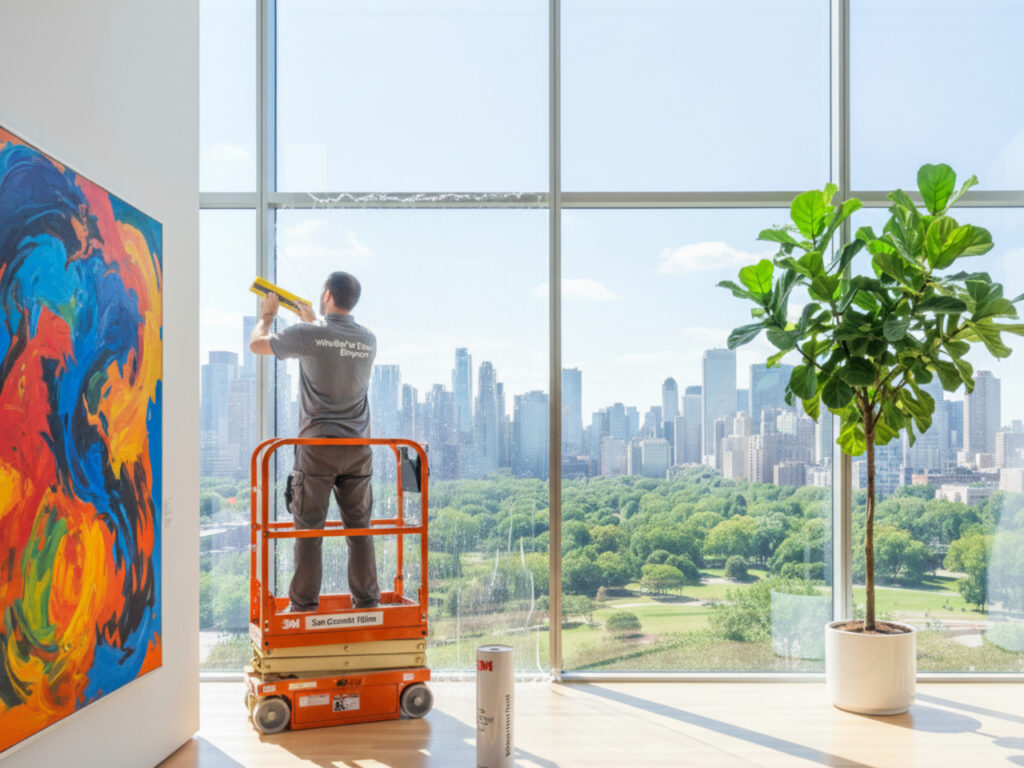
For a project manager overseeing a large facility, installation efficiency is paramount. Window film installation, often referred to as commercial window tinting, typically involves a single, expert team that can complete significant square footage rapidly and with minimal disruption to ongoing operations. The process is streamlined: surfaces are cleaned, film is cut to size, and then professionally applied. This single-vendor approach significantly reduces the complexity of managing multiple subcontractors, coordinating schedules, and ensuring consistent quality across hundreds or thousands of windows. Shades, by contrast, often involve multiple stages: individual measurements, custom fabrication (which can have long lead times), and a more labor-intensive installation process requiring precise hardware mounting for each unit. This can lead to fragmented timelines, increased administrative burden, and potential for delays.
Durability and Lifespan: Engineered for High-Traffic Commercial Environments
Commercial, retail, and education environments demand solutions that can withstand constant use and maintain performance over many years. 3M window films are engineered for this durability. Once applied, the film becomes an integral part of the glass, protected from casual contact and daily wear and tear. These films come with substantial warranties, often 10 to 15 years or more, reflecting their long-term resilience against peeling, bubbling, or cracking. Traditional shades, however, are inherently more susceptible to damage. Their mechanical components (cords, motors, brackets) can fail, fabrics can tear or fray from regular handling, and they are prone to dust accumulation and fading from direct sunlight. This often translates to a shorter lifespan and more frequent replacement cycles.
Maintenance and Cleaning Regimes: Simplifying Upkeep for Large Facilities
The ongoing maintenance burden is a critical factor in total cost of ownership for large-scale projects. Window film significantly simplifies this aspect. Once installed, films require no special maintenance beyond standard window cleaning with non-abrasive solutions. They do not collect dust or allergens in the same way fabric shades do, contributing to better indoor air quality and reduced cleaning complexity. For shades, particularly across hundreds of windows, maintenance is a far more involved process. It often requires regular dusting, spot cleaning, and potentially professional cleaning services to address accumulated grime or stains. Mechanical parts may also need periodic inspection and repair, adding to operational costs and staff time.
Aesthetic Consistency and Design Integration Across Diverse Architectural Styles
Maintaining a cohesive and professional aesthetic is a key consideration for commercial buildings. 3M window films offer a virtually invisible solution, preserving the original architectural design and exterior facade without introducing visual clutter. They allow for consistent light transmission and a uniform appearance across all windows, both from the interior and exterior. This maintains unobstructed views and ensures that the building’s design intent is fully realized. Shades, while offering design flexibility, inherently introduce a new element into the architectural design. They can create a less uniform exterior appearance if not all shades are deployed at the same height, or if varying styles or colors are used. Moreover, when deployed, shades block natural light and views, fundamentally altering the interior and exterior aesthetic and the occupant experience.
Unpacking Performance Data: Beyond Basic UV Rejection for Comprehensive Protection
Moving beyond the fundamental need for UV protection, a critical assessment of any solution for commercial, educational, or retail spaces involves scrutinizing its comprehensive performance across multiple facets. The efficacy of a system must extend beyond a singular benefit, offering integrated solutions that enhance comfort, protect assets, and contribute to a project’s overall sustainability objectives.
Quantifying UV Protection: The Indispensable Role of 3M’s 99.9% Rejection
When evaluating UV protection, precision is paramount. While many shades may offer some degree of UV filtration, their performance is often inconsistent and subject to variables like fabric density, color, and how fully they cover the window aperture. Professional 3M Window Film, in contrast, is engineered to provide a quantifiable 99.9% rejection of harmful UVA and UVB rays across the entire glass surface. This near-total blockage is not merely an incremental improvement; it is an indispensable safeguard for interior assets, preventing irreversible damage and fading to flooring, furniture, artwork, and merchandise. Moreover, it offers a consistent, invisible layer of protection for occupants, mitigating health risks associated with prolonged UV exposure without obstructing views or natural light.
Addressing Solar Heat Gain, Glare Reduction, and Fading Protection Simultaneously
A distinct advantage of advanced window films is their ability to address multiple solar-related challenges concurrently and uniformly. Unlike shades, which might provide some glare reduction but often trap heat or still allow UV to filter around their edges, 3M films are designed for comprehensive environmental control. They significantly reduce solar heat gain, translating directly into a more stable interior temperature and reduced load on HVAC systems. Simultaneously, these films effectively cut down on harsh glare, enhancing visual comfort for occupants and improving productivity in workspaces by minimizing screen reflections and eye strain. All of this occurs while also providing the aforementioned fading protection, safeguarding valuable interior investments from deterioration. This multi-faceted performance, integrated seamlessly into the window itself, offers a level of consistent, unobtrusive protection that traditional window film vs shades simply cannot match across a large-scale installation.
The Tangible Impact on Energy Efficiency and HVAC System Performance
The ability of high-performance window films to mitigate solar heat gain has a direct and tangible impact on a commercial building’s energy consumption and the longevity of its heating, ventilation, and air conditioning (HVAC) systems. By reducing the amount of heat entering a building through its windows, films lessen the burden on air conditioning units, leading to significant reductions in electricity usage, particularly during peak cooling seasons. This decreased demand not only results in substantial operational cost savings over the building’s lifespan but also reduces wear and tear on expensive HVAC equipment, extending its operational life and deferring costly replacements. For large commercial, educational, or retail projects, these energy savings can amount to tens of thousands of dollars annually, offering a compelling return on investment.
Contributing to Green Building Standards and Potential LEED Certification Points
3M window films support green building standards and contribute potential points toward LEED certification through proven energy-saving capabilities. By enhancing efficiency and reducing carbon footprints, these films align perfectly with modern corporate sustainability goals. This positions projects as environmentally responsible, leading to financial incentives and improved property values for building owners.
Calculating the True ROI: Installation, Maintenance, and Lifespan for Project Success
For any project manager, understanding the true return on investment (ROI) is paramount, encompassing more than just the initial price tag. It requires a holistic view that considers installation complexity, ongoing operational costs, maintenance requirements, and the expected lifespan of each solution. This detailed financial analysis often reveals hidden costs and long-term benefits that profoundly influence project success.
Initial Investment: A Comprehensive Look at Upfront Costs for Both Solutions
At first glance, the initial per-window cost of traditional UV protection shades for windows might appear lower than that of professional window film. However, this comparison often overlooks the comprehensive nature of a large-scale project. For shades, the upfront cost typically involves not just the material, but also separate procurement for hundreds or thousands of individual units, custom sizing for each window, and the coordination of multiple installation teams and schedules across a vast facility. This can quickly escalate into a complex logistical challenge for Project Manager Paul, demanding significant oversight to ensure quality and adherence to deadlines across numerous subcontractors. In contrast, specifying 3M window film involves a single product type applied consistently across all windows by a specialized, certified installation team. While the film material itself represents a premium, the installation process is often more streamlined, requiring less direct management of diverse trades, leading to a more predictable and often more efficient upfront deployment for the entire project.
Long-Term Operational Savings: Energy, Asset Protection, and Reduced Maintenance Costs
The true financial advantage of 3M window films becomes evident when examining long-term operational savings. As previously discussed, the consistent reduction in solar heat gain directly translates into substantial energy savings, reducing HVAC consumption year after year. Beyond energy, the unparalleled UV rejection and heat control offered by films significantly extend the lifespan of interior assets such as flooring, furniture, and inventory by preventing sun-induced fading and degradation. This asset protection minimizes the need for premature replacements and costly refurbishments. Furthermore, the maintenance requirements for window films are minimal; they simply require routine window cleaning. This contrasts sharply with shades, which accumulate dust, require specialized cleaning, and are prone to mechanical failures.
The Hidden Cost of Shades: Frequent Replacements, Repairs, and Operational Disruptions
The seemingly lower upfront cost of shades often masks significant hidden costs that accrue over time. Shades, especially those subjected to daily use in commercial or educational settings, are prone to wear and tear. Cords fray, mechanisms fail, fabrics tear or become discolored, and dust accumulation necessitates regular, often specialized, cleaning. This leads to a cycle of frequent repairs and eventual replacements, each incurring material costs, labor costs, and the administrative burden of managing these issues. For Project Manager Paul, this translates into managing a continuous stream of work orders, coordinating access to various parts of the building, and dealing with the inevitable operational disruptions caused by maintenance or replacement activities. These intermittent, unpredictable costs and inconveniences can significantly inflate the total cost of ownership over the life of the building.
Understanding the Total Cost of Ownership Over the Lifespan of 3M Window Films
When evaluating solutions for a large-scale project, the total cost of ownership (TCO) provides the clearest financial picture. For 3M window films, the TCO model typically demonstrates a compelling advantage. While the initial investment might be comparable or slightly higher than a comprehensive shade solution, the long-term benefits quickly offset this. Films offer consistent, predictable performance for many years, backed by substantial warranties. The ongoing costs are limited primarily to routine window cleaning. When factoring in significant energy savings, extended asset lifespan, and the near-elimination of repairs and replacements associated with films, the TCO for 3M window films consistently proves to be a more cost-effective and financially sound decision over the lifespan of a commercial, educational, or retail property. This predictability in expenditure and performance is a significant advantage for long-term project planning and budgeting.
Conclusion: Key Takeaways and Next Steps
Recapitulating the Superiority of 3M UV Protection Window Film for Commercial Projects
As we have explored, the decision between traditional UV protection shades for windows and professional 3M window films for commercial, educational, and retail environments extends beyond mere cost. It involves a strategic evaluation of performance, durability, operational efficiency, and long-term asset protection. While shades offer a basic level of UV mitigation, they often introduce aesthetic compromises, obstruct views, and present ongoing maintenance challenges. Professional 3M UV protection film, in contrast, provides a virtually invisible, high-performance barrier against harmful UV radiation, preserving interiors and merchandise without sacrificing natural light or exterior visibility. This non-obtrusive solution maintains the architectural integrity of a building while delivering a superior level of protection.

Strategic Decision-Making: Why Film Outperforms Shades for Longevity and ROI
For project managers focused on long-term value and operational efficiency, the return on investment (ROI) offered by 3M window films significantly surpasses that of traditional shades. Films are engineered for durability, boasting extended lifespans and backed by comprehensive warranties. This contrasts sharply with the typical wear, tear, and frequent replacement cycles associated with shades, especially in high-traffic commercial settings.
Consider these key differentiators in longevity and ROI:
- Durability and Lifespan: 3M films are designed to last for decades, maintaining their protective qualities and aesthetic integrity. Shades, particularly those in high-use areas, often require replacement every few years due to fading, tearing, or mechanical failure.
- Maintenance Requirements: Window films are exceptionally low maintenance, typically requiring only standard window cleaning. Shades, however, can accumulate dust, harbor allergens, and require specialized cleaning, repair, or replacement of cords and mechanisms.
- Energy Savings: Beyond UV protection, many 3M films offer significant energy savings by reducing solar heat gain, leading to lower HVAC loads and utility bills. This ongoing operational saving directly contributes to a favorable ROI, a benefit shades cannot consistently match.
- Asset Preservation: The consistent, 24/7 UV protection offered by films prevents premature fading of furnishings, flooring, and merchandise, safeguarding significant capital investments and preserving a professional aesthetic for longer.
Partnering for Success: Ensuring Expert Installation and Ongoing Support
Successfully implementing a high-performance UV protection solution across a large-scale commercial project requires more than selecting the right product. It demands expert execution. This is where the advantage of partnering with a leading 3M window film installer becomes critical for project managers. Instead of coordinating multiple vendors for hundreds or thousands of individual shades, each with its own specifications, installation timelines, and potential for quality inconsistencies, a single, expert commercial window tinting team streamlines the entire process.
This consolidated approach offers:
- Single-Source Accountability: A dedicated team manages the entire project, from initial assessment and product selection to precision installation, reducing coordination complexities and minimizing potential delays.
- Certified Expertise: 3M Certified Installers possess the specialized training and equipment required to ensure flawless application, maximizing film performance and upholding warranty validity.
- Consistent Quality: Uniform installation across all windows guarantees consistent UV protection and energy performance throughout the facility, avoiding the varied outcomes possible with disparate shade installations.
- Minimized Disruption: Professional film installation is often quicker and less disruptive to ongoing operations compared to the measuring, mounting, and calibration required for individual shades.
Securing Your Investment: A Proactive Approach to Property Management and Energy Savings
Choosing 3M UV protection window film represents a forward-thinking investment in the long-term health and efficiency of your commercial property. It shifts property management from a reactive stance, constantly addressing faded assets and inefficient cooling, to a proactive one focused on prevention and optimization. By integrating advanced film technology, you are not just blocking UV rays. You are actively contributing to:
- Enhanced Building Longevity: Protecting interior assets extends their useful life, reducing the frequency and cost of renovations and replacements.
- Sustainable Operations: Reducing energy consumption through improved thermal performance aligns with corporate sustainability goals and contributes to a greener building footprint.
- Optimal Occupant Comfort: Maintaining consistent indoor temperatures and mitigating glare creates a more comfortable and productive environment for employees, students, or customers.
- Increased Property Value: A well-maintained facility with enhanced energy efficiency and modern protective solutions holds greater appeal and value in the market.
Ultimately, specifying 3M UV protection window film for your next commercial project is a strategic decision that delivers tangible benefits across the spectrum of project management concerns, ensuring a superior, durable, and cost-effective solution for years to come.
Frequently Asked Questions
What is the primary difference between 3M UV protection film and traditional UV protection shades for windows?
The primary difference lies in consistency, performance, and operational complexity. 3M UV protection film offers continuous, 24/7, near-total UV rejection (99.9%) across the entire window surface without obstructing views. Traditional shades provide intermittent protection only when deployed, often have varying UV blocking capabilities, and introduce significant logistical and maintenance challenges, especially in large commercial settings.
How does 3M window film contribute to energy efficiency?
3M window film significantly reduces solar heat gain by blocking heat-producing infrared rays from entering the building. This directly lessens the load on HVAC systems, leading to substantial reductions in electricity consumption, particularly during peak cooling seasons. This translates to lower utility bills and extended HVAC equipment lifespan.
Can 3M window film help my commercial building achieve LEED certification?
Yes, high-performance 3M window films can contribute to earning points toward LEED certification. By improving energy efficiency, enhancing indoor environmental quality through glare reduction and consistent temperatures, and promoting asset preservation, these films align with several sustainability goals recognized by LEED standards.
Is the installation of 3M window film disruptive to ongoing business operations?
Installation of 3M window film is generally a quick and streamlined process, causing minimal disruption. A single, certified team handles the entire project efficiently, often allowing work to proceed during off-hours or in sections, unlike the more involved and multi-stage process often required for installing numerous traditional shades.
What is the typical lifespan and maintenance requirement for 3M UV protection film?
3M UV protection films are engineered for durability, often coming with warranties for 10 to 15 years or more, promising long-term performance without peeling, bubbling, or cracking. Maintenance is minimal, requiring only standard window cleaning with non-abrasive solutions, contrasting sharply with the frequent cleaning, repairs, and replacements often associated with traditional shades.