Table of Contents:
- A Project Manager’s Guide to Commercial Window Film
- Specifying Solar Control Films to Manage Heat and Energy Costs
- Meeting Security Mandates with Safety and Blast Mitigation Films
- Leveraging Decorative Films for Branding, Privacy, and Aesthetics
- Understanding 3M Window Film Specifications for Data-Driven Selection
- Mastering Logistics for Large-Scale Window Film Projects
- Why Your Installer Is as Critical as the Film Itself
- Frequently Asked Questions
- Related Posts from Window Film Depot
A Project Manager’s Guide to Commercial Window Film
Viewing architectural window film as a simple building material is the first step. The next is understanding the distinct categories available, as each is engineered to solve a specific set of problems. Aligning your project goals with the correct film category is the most critical step in a successful specification. This guide breaks down the primary types of commercial window film and their intended applications.
Specifying Solar Control Films to Manage Heat and Energy Costs
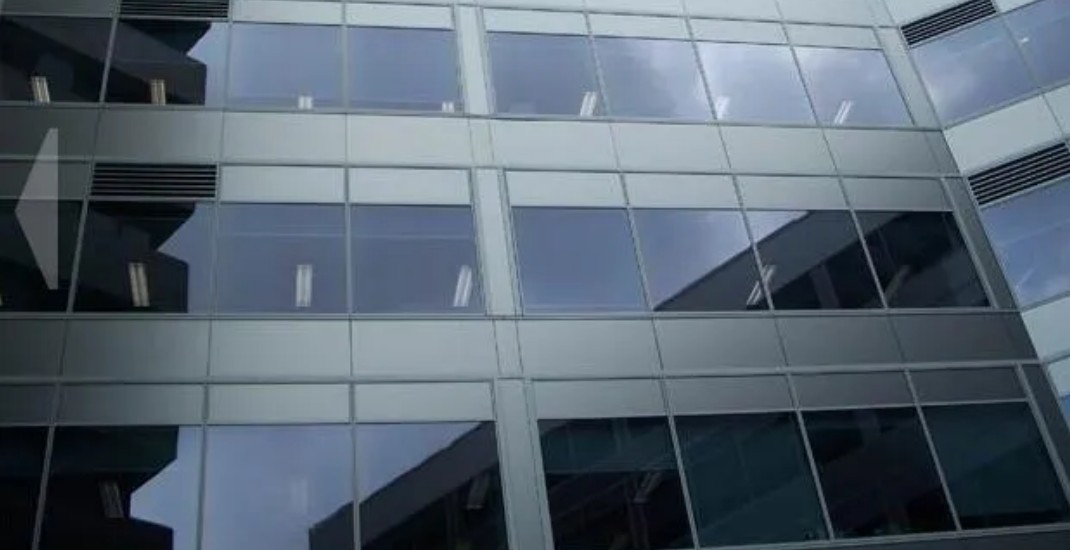
Solar control films are the workhorses of energy efficiency in commercial buildings. Their primary function is to manage the solar energy that passes through glazing, which directly impacts tenant comfort and your building’s energy consumption. By using a solar control film for buildings with a low Solar Heat Gain Coefficient (SHGC), you can significantly reduce the load on HVAC systems. This is a major driver of operational costs, especially in warmer climates.
These films are not just about blocking heat. They are also engineered to reduce glare without dramatically darkening a space. A film with an appropriate Visible Light Transmission (VLT) can cut down on the harsh brightness that causes eye strain and washes out computer screens, improving productivity and occupant experience. For project managers, the key benefits are clear and measurable.
- Reduced Energy Costs: A high-performance film can reject over 75% of solar energy, leading to documented reductions in peak cooling demand.
- Improved Tenant Comfort: Minimizes hot spots near windows and balances temperatures throughout a space.
- Enhanced Usability: Reduces glare on screens and work surfaces, making spaces more functional.
- UV Protection: Blocks over 99% of UV radiation, protecting interiors, merchandise, and occupants from sun damage, which can also contribute to LEED certification credits.
Meeting Security Mandates with Safety and Blast Mitigation Films
While solar films manage energy, safety and security film is designed to manage physical threats. This film is constructed from a thick, heavy-duty polyester and bonded to the glass with a powerful adhesive. Its purpose is not to make the glass unbreakable, but to hold the shards together when it shatters. This simple function has profound implications for building safety.
For general safety applications, a standard 4 to 8 mil film can prevent injury from accidental glass breakage. For higher-level security needs, such as deterring forced entry or meeting GSA blast mitigation standards, thicker films from 8 to 21 mils are required. In these scenarios, the film is often paired with an attachment system that mechanically bonds the filmed glass to the window frame. This system absorbs and disperses impact energy, frustrating intruders and containing glass fragments during a blast event. Specifying security film is a critical step in hardening a building’s perimeter against smash-and-grab theft, civil unrest, and seismic activity.
Leveraging Decorative Films for Branding, Privacy, and Aesthetics
Decorative films offer a versatile and cost-effective way to transform glass surfaces. Unlike permanent solutions like etched or sandblasted glass, these films provide flexibility, allowing for updates as tenants change or branding evolves.
Project managers use decorative films to solve a wide range of design challenges. Frosted and patterned films can create privacy for conference rooms and private offices without sacrificing the open feel of a modern workspace. Custom-cut films can display company logos on entrance doors or apply intricate branding elements across glass partitions. They also serve a practical role in wayfinding, providing a clean and professional medium for displaying room numbers, directional cues, and required safety markings on glass.

Understanding 3M Window Film Specifications for Data-Driven Selection
Choosing the right tint film for windows requires moving beyond categories and into specific performance data. Leading manufacturers like 3M provide detailed specification sheets that allow you to make an informed, data-driven decision. These documents are essential for ensuring the product you select will meet your project’s requirements.
When reviewing a spec sheet, you connect your project goals to tangible numbers. For an energy retrofit project in a hot climate, you would prioritize a film from a Sun Control series with the lowest available SHGC. For a retail storefront concerned with both security and fading, you might look for a film from an Ultra Series that combines a high VLT for visibility, 99.9% UV rejection, and a specified tear resistance. The data on these sheets, such as Infrared Rejection (IRR), allows you to compare products objectively. This process transforms window film selection from a guess into a precise technical specification.
Mastering Logistics for Large-Scale Window Film Projects
Executing a flawless installation across dozens or even hundreds of sites is a complex challenge. For project managers overseeing a national retail rollout or a major renovation, the logistical details are just as critical as the performance specifications. Viewing this phase as a simple subcontracting task, rather than a managed process, often leads to inconsistent results and scheduling conflicts.
Ensuring Specification Consistency Across a National Rollout
For a brand with a national footprint, consistency is paramount. A master specification is the essential tool for ensuring uniformity across a project portfolio. This document establishes a single, enforceable standard. Key elements include:
- Exact Film SKU: Identifies the specific film to be used at all locations to guarantee uniform appearance and performance.
- Installation Quality Standards: Details acceptable parameters for gaps, contamination, and final appearance, often referencing standards from the International Window Film Association (IWFA).
- Site-Specific Adaptations: Provides clear guidelines for when and how to deviate, such as specifying different films for north-facing versus south-facing elevations.
- Warranty Requirements: Ensures that product and labor warranties are consistent and centrally tracked for all locations.
Without this level of control, one location might opt for a dark, reflective film while another chooses a nearly invisible one, leading to a disjointed brand presence.
Integrating Film Installation into Construction and Renovation Timelines
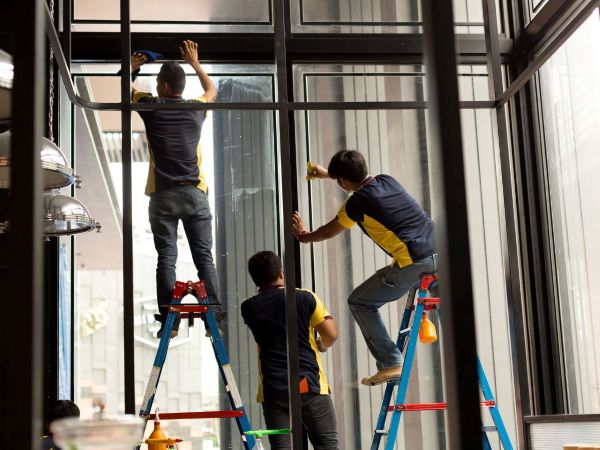
Proper scheduling is crucial for integrating window film installation with minimal disruption. In new construction, film installation is typically one of the final trades to work. The ideal window is after the building is enclosed, HVAC is running, and most dust-generating activities are complete. This clean environment is critical for a flawless application.
For renovations in occupied buildings, the goal is minimizing disruption. Because the process is quiet and clean, it is perfectly suited for off-hours work. Professional installation teams can complete entire floors overnight or over a weekend, allowing business to continue uninterrupted.
Navigating Complex Project Requirements: From GSA to Historic Preservation
Specialized facilities often have demanding requirements that dictate which films can be considered.
For government buildings under General Services Administration (GSA) contracts, specifications often require films that meet specific blast mitigation standards, such as GSA-TS01. This involves a particular type of security film and a specific attachment system that anchors the filmed glass to the frame.
Conversely, historic preservation projects prioritize maintaining the original aesthetic of a building. The challenge is to add modern performance like UV protection without visibly altering the historic glass. The solution lies in advanced, spectrally selective films that are virtually invisible. These films block a significant percentage of UV and infrared radiation while allowing maximum visible light to pass through.
Why Your Installer Is as Critical as the Film Itself
You can select the most advanced architectural film on the market, but if it is not installed with precision, its performance benefits can be significantly diminished. The installation process is not a final step. It is the critical link that unlocks the film’s engineered value. For project managers, viewing installation as a commodity service is a direct route to performance failures and client dissatisfaction.
The Difference Between a Local Dealer and a Certified National Installer
A local tint shop may be suitable for a single storefront, but the demands of a multi-story commercial building or a national rollout require a different level of capability. A certified national installer operates as a strategic project partner.
- Scale and Mobilization: A national installer has the logistical framework to manage projects across multiple sites without compromising timelines.
- Standardized Procedures: They employ standard installation protocols, ensuring the film in Phoenix is installed with the same precision as the film in Chicago.
- Centralized Project Management: You gain a single point of contact for scheduling, reporting, and quality assurance across the entire project.
How Installation Quality Impacts Performance and Warranty
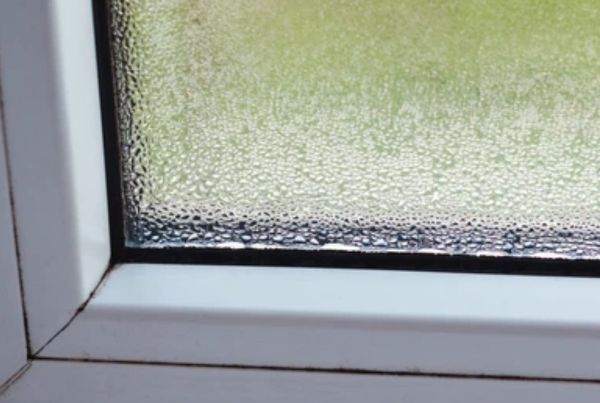
A flawless installation is invisible. A poor one creates points of failure. Contamination, bubbles, or peeling edges don’t just look unprofessional. On a solar control film, these imperfections can create thermal stresses and reduce energy efficiency. On a security film, an improperly anchored edge compromises its forced-entry resistance.
Premium manufacturers like 3M have stringent requirements for activating their comprehensive product warranties. The 3M Platinum Warranty, for instance, is contingent on the film being installed by a 3M Certified Installer who follows prescribed techniques. Opting for an uncertified installer may void this protection, leaving you exposed to the full cost of any future film failure.
Vetting an Installer: Experience, Insurance, and Certification
To ensure you are partnering with a qualified installer, your vetting process should be thorough.
- Relevant Project Experience: Ask for case studies of projects similar to yours in scale and complexity.
- Adequate Insurance Coverage: Verify their certificates of insurance, including General Liability, Automotive, and Workers’ Compensation policies.
- Manufacturer Certification: This is the most important credential. A 3M Certified Installer designation signifies that technicians have undergone rigorous training from the manufacturer. It is your best guarantee of a proper installation.
Partnering with the top 3M installer in the country means aligning your project with an organization built on flawless execution at scale. It signifies a deep, collaborative relationship with the manufacturer, access to the latest products, and a proven system for national installation and project management that ensures predictability. For you, this means the confidence that your specification will be realized perfectly, the performance will be delivered, and the manufacturer’s warranty will be fully intact.
For expert guidance, precise specification, and flawless installation at scale, partner with Window Film Depot to deliver reliable results on every project.
Frequently Asked Questions
How does commercial window film improve energy efficiency?
High-performance solar control film for buildings is designed with a low Solar Heat Gain Coefficient (SHGC). This means it reflects a large percentage of the sun’s heat-producing energy before it can enter the building and heat up the space. By reducing this solar heat gain, the film lessens the workload on your HVAC system, leading to lower energy consumption and reduced cooling costs.
Will security film make my windows unbreakable?
No, and this is a critical distinction. Security film is not designed to make glass unbreakable. Its primary function is to hold the glass fragments together upon impact. This strengthens the window against forced entry, deters smash-and-grab theft, and significantly reduces the hazard of flying glass shards during a blast event, severe weather, or accidental impact.
Can tint film for windows be installed in an active office without disruption?
Yes. The installation process is clean, quiet, and does not involve noxious fumes or loud equipment. Professional installation teams are accustomed to working in occupied spaces and can schedule the work during off-hours, such as nights and weekends. This allows your client’s business operations to continue without interruption.
What do SHGC, VLT, and IRR mean on 3M window film specifications?
These are key performance metrics you’ll find on technical data sheets:
IRR (Infrared Rejection): The percentage of infrared light rejected by the film. Since infrared light is a primary source of solar heat, a high IRR is a key indicator of a film’s heat-blocking performance.
SHGC (Solar Heat Gain Coefficient): The fraction of solar radiation admitted through a window. A lower SHGC means less solar heat is transmitted, which is better for reducing cooling costs.
VLT (Visible Light Transmission): The percentage of visible light that passes through the filmed glass. A lower VLT means a darker tint and more glare reduction, while a higher VLT allows more natural light in.