Table of Contents:
- Why 3M Safety and Security Film Installation Matters in 2026
- How 3M Window Films Work on Existing Glass
- 3M Window Films vs Glass Replacement
- Types of 3M Safety and Security Window Films
- Step‑by‑Step 3M Window Security Film Installation Process
- Common Installation Problems (Air Bubbles, Haze) and How to Avoid Them
- Curing Time: How Long 3M Window Film Takes to Fully Cure
- Performance Benefits: Security, Heat Rejection & Everyday Comfort
- Professional vs DIY Film Installation
- Maintenance, Lifespan & Return on Investment
- FAQs About 3M Window Security Film Installation
- Why Choose Our Team for Your 3M Window Security Film Project?
- Next Steps: Schedule Your 3M Window Security Film Installation
Why 3M Safety and Security Film Installation Matters in 2026
Standard glass is one of the weakest points in any building envelope. A single impact can turn an ordinary window into a shower of dangerous flying shards, putting occupants at risk and leaving property exposed. 3M safety and security window film changes that equation by bonding a tough polyester layer directly to existing glass, so when a pane cracks, the film holds glass fragments in place instead of scattering them across a room.
In 2026, facility managers, school districts, retailers, and homeowners are choosing 3M window security film installation as a retrofit solution rather than tearing out frames for full glass replacement. The reasons range from updated school security guidance to retail chains protecting street-level storefronts after waves of smash-and-grab incidents in 2024 and 2025. Office buildings are upgrading lobbies and ground-floor windows as part of broader safety and security plans. The film minimizes flying glass shards during storms, reduces injury risk in high-traffic areas, and slows forced entry by making the glass dramatically harder to breach.
One important clarification: 3M warns that their security films do not stop bullets or intruders outright. These films are not bulletproof or hurricane-rated glazing systems. What they do is keep broken glass contained, buy critical time during an emergency, and reduce property damage from everyday impact scenarios.
How 3M Window Films Work on Existing Glass
3M safety and security window film is a micro-layered polyester product that bonds directly to the interior glass surface using a high-performance pressure-sensitive adhesive. It is engineered specifically to retrofit existing windows without altering frames or structural elements.
When something strikes the glass, the film’s layers and adhesive work together to absorb and redistribute impact energy across the pane. Standard annealed glass shatters into large, dangerous shards on impact. Glass upgraded with 3M safety security film tends to crack but stay in the opening; safety films hold glass fragments together during impacts, keeping debris contained and cleanup minimal.
For many commercial and institutional buildings, this performance approaches what laminated glass provides against common threats like vandalism, accidental breakage, and smash-and-grab attempts. The key upgrade for higher-security applications is pairing the film with an attachment system or structural sealant around the window frame, which ties the filmed glass to the frame and prevents the entire pane from being pushed inward during a forced entry attempt.
3M Window Films vs Glass Replacement
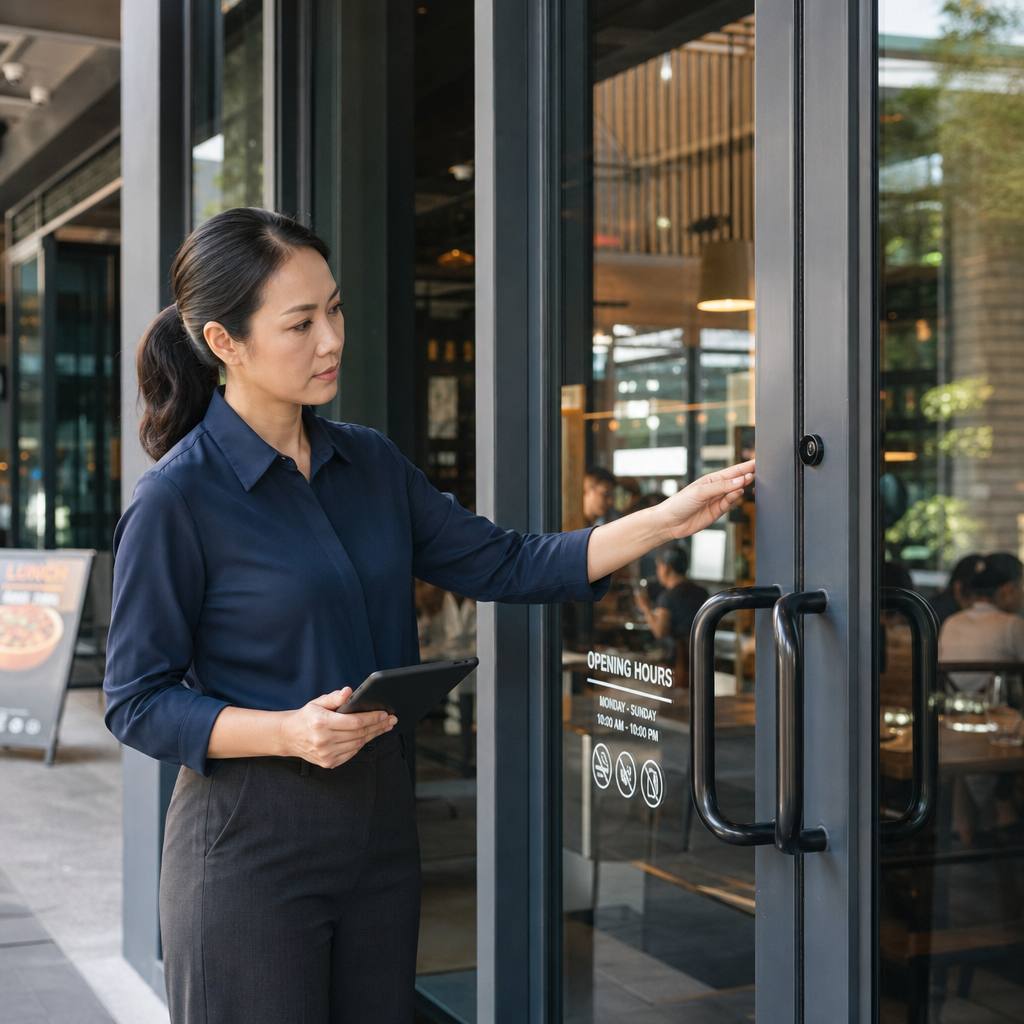
Building owners typically face two upgrade paths: installing 3M safety and security film on existing glass, or full glass replacement with laminated glass or specialty security glazing.
Advantages of film retrofit:
- Far lower cost per square foot than removing and replacing glazed units
- Less dust, noise, and interior disruption-no frames torn out, no finishing work
- Faster completion: most commercial spaces finish in 1–3 days
- Can be phased around school schedules, retail hours, or tenant operations
When glass replacement is still required:
- Frames are severely damaged or deteriorated and cannot support film
- Local building codes mandate fire-rated assemblies or impact-rated hurricane systems
- The opening requires ballistic-rated glazing beyond what any film can provide
For most offices, schools, retail storefronts, and residential properties where the primary goals are break-in deterrence, shatter resistance, and added protection against everyday hazards, security window film is the practical first-line solution. Before any project begins, have each window’s glass type assessed-whether it is tempered glass, insulated, annealed, or wired-to confirm film compatibility and select the right product.
Types of 3M Safety and Security Window Films
3M window films come in multiple thicknesses, constructions, and performance levels. The right film installation plan depends on the building’s risk profile, comfort goals, and aesthetic requirements.
Film thickness and protection level:
| Category | Typical Thickness | Primary Use |
|---|---|---|
| Safety films | 4–8 mil | Accident protection, glass retention |
| Security films | 8–14 mil | Forced entry delay, impact resistance |
| Ultra Series | 8–24 mil | High-security, superior tear resistance |
3M offers safety films from 4-mil to 14-mil thickness. Thicker films deliver greater impact protection, tear resistance, and forced entry delay. 3M’s Scotchshield Ultra Series provides superior tear resistance compared to standard polyester constructions, making it a frequent choice for school hardening programs.
Many security films are optically clear to maintain window appearance, which matters for historic buildings or storefronts relying on merchandise visibility. For sun-exposed facades, combined safety and solar control films add heat rejection, glare reduction, and UV protection without sacrificing security performance. 3M also offers decorative films that enhance aesthetics while providing protection. 3M safety films are tested to meet ANSI Z97.1 safety standards, giving specifiers a recognized benchmark for fragment retention.
Step‑by‑Step 3M Window Security Film Installation Process
The quality of the security window film installation directly determines how well the film performs under stress. Proper installation is critical for maximum effectiveness of security films. Here is how a professional crew handles a typical project:
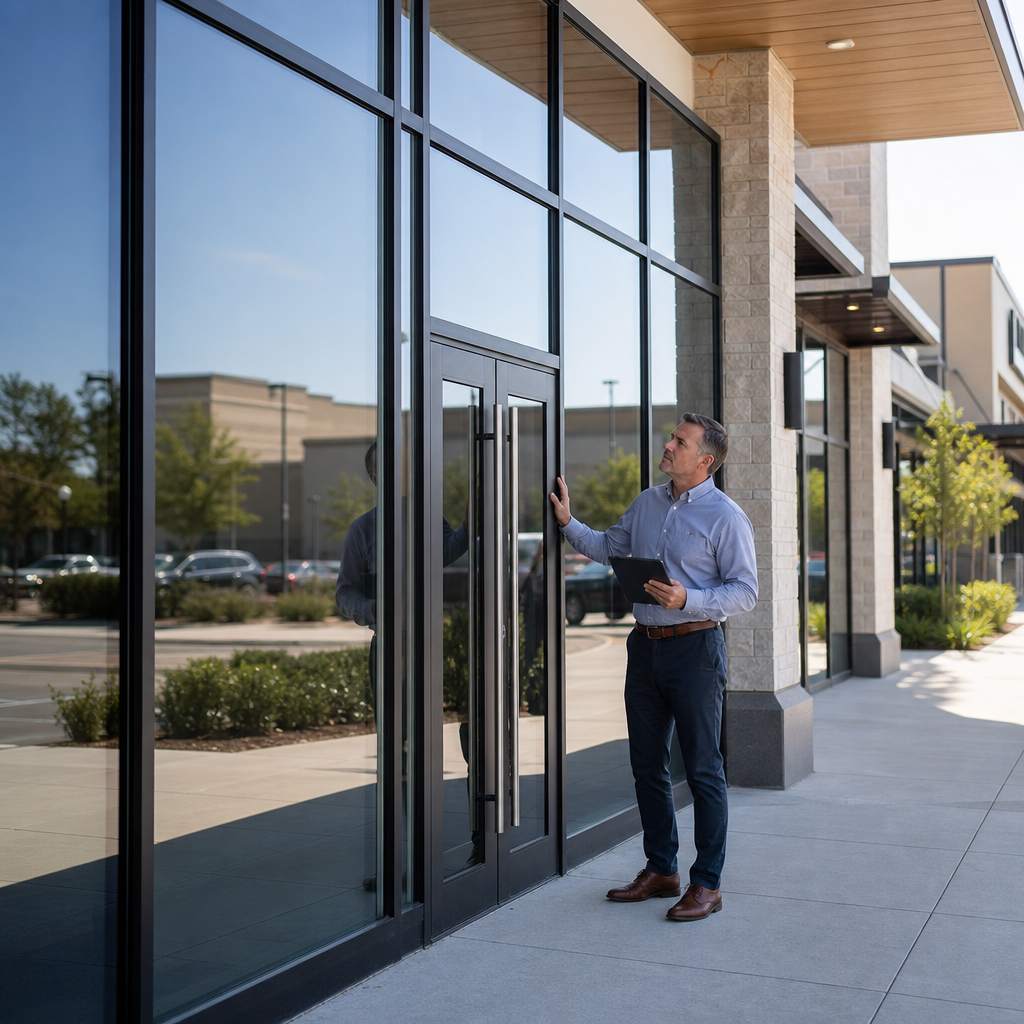
1. Pre-installation inspection: Installers measure each lite, check for chips or cracks, identify whether the glass is tempered or annealed, and confirm access conditions, including ladders, lifts, and interior obstructions. Window size and frame depth are documented for precise film cutting.
2. Surface preparation: Surface preparation must be meticulous to ensure proper adhesion. Technicians scrape paint specks with a razor, remove old stickers, silicone residue, and debris from the glass surface and frame edges. The glass is then washed thoroughly so nothing gets trapped under the film.
3. Wet application Installation involves cleaning, measuring, and applying film with a wet method. Using a professional slip/application solution is important for positioning the film-the liquid solution allows the installer to float the film onto the glass and shift it into precise alignment before squeegeeing begins.
4. Squeegee and trimming Professional installation ensures adequate squeegee pressure to remove water and air bubbles. Installers make multiple overlapping passes from center to edges, then use a sharp blade to trim the film neatly along gasket lines without scoring the glass. Professional installers use specific tools designed for thick adhesive-backed films that consumer kits simply do not include.
5. Attachment system An attachment system is required for effective break-and-entry security. A structural silicone sealant must be applied around the perimeter of the window frame for security performance, bonding the filmed glass to the frame so the pane cannot be pushed inward even after cracking.
6. Timeline Professional installation typically takes 30 to 60 minutes per window, depending on window size and access. A small office or single-family home is often completed in one day; larger commercial or institutional projects are phased across several days or scheduled during off-hours.
Common Installation Problems (Air Bubbles, Haze) and How to Avoid Them
Even with quality 3M window films, sloppy technique can leave defects that reduce clarity and compromise long-term performance.
- Air bubbles appear when insufficient slip solution is used, squeegee pressure is too light, or dust remains on the glass surface. Small water pockets typically dissipate during the curing process, but genuine trapped air bubbles usually do not resolve on their own.
- Wrinkles and creases form when the film dries too quickly or gets folded during handling. Keeping the film surface wet during positioning and working from the center outward in smooth strokes prevents this.
- Edge lifting and contamination occur when dirty frame edges, silicone residue, or damaged gaskets prevent the film from bonding at the perimeter. Thorough edge cleaning and perimeter sealant application solve this.
- Haze or milky appearance in the first few days is normal residual moisture under the film, not a defect. It clears as the film begins to fully cure. If haze persists beyond the expected curing window, the installer should inspect and address it.
For large panes, glass doors, or multi-story glass, a professional service eliminates the risk of costly mistakes that are difficult to correct after the fact.
Curing Time: How Long 3M Window Film Takes to Fully Cure
Curing is the period when residual moisture works its way out from under the film, and the adhesive reaches its full bond strength with the glass. The film’s protective performance improves steadily throughout this process.
In typical indoor conditions-around 70°F and moderate humidity-curing time for window film is 3 to 7 days for visual clarity to return. Thicker films (8–14 mil) and large insulated glass units may take longer. Curing time for window film can take anywhere from 14 to 30 days depending on climate, especially in colder temperatures, high humidity, or shaded exposures where moisture lingers.
Rules for occupants during curing:
- Do not clean the film during the first week
- Do not apply tape or decals to the film surface
- Do not pick at edges, even if minor moisture lines are visible
- Allow natural air circulation near the windows
The glass still benefits from shatter resistance during the curing process-if the window breaks, the film holds the glass together. But the film reaches its full designed strength only after it has had time to fully cure and all residual moisture has dissipated.
Performance Benefits: Security, Heat Rejection & Everyday Comfort
3M safety and security films deliver multiple benefits from a single retrofit:
Security and forced entry delay: Properly installed security film makes glass significantly harder and slower to breach. It slows forced entry by 2 to 3 minutes during break-ins- enough time for alarm systems to trigger and responders to arrive. The film holds broken glass in the frame, maintaining a physical barrier even after the pane cracks.
UV protection and heat rejection: 3M films block up to 99% of harmful UV rays, protecting furnishings, flooring, and merchandise from sun fading. Combined safety and solar control films reject a substantial portion of total solar energy, translating to lower cooling loads and more stable room temperatures. In practice, a west-facing conference room that previously hit uncomfortable afternoon temperatures can see meaningful improvement after a solar-security film installation-fewer complaints, less reliance on blinds, and reduced HVAC cycling.
Everyday comfort: Glare reduction on computer screens, more uniform perimeter temperatures in office buildings, and storm protection from debris impact all contribute to a safer and more productive environment. Environmental factors like climate zone and facade orientation determine which film type delivers the best balance.
Professional vs DIY Film Installation
DIY kits exist for basic window tint, but heavy-duty security films require precise technical application that goes well beyond a casual diy project. Security-grade films are thicker, stiffer, and far less forgiving of mistakes during positioning and squeegee work.
Why professional installation matters:
- Trained professional installers understand the difference between tempered glass, insulated glass units, and annealed glass-and know which combinations carry thermal stress risk
- They achieve the installation quality needed to eliminate air bubbles, contamination, and edge failures
- They can safely work at height on multi-story glass and handle oversized panes
- 3M requires certified installers for warranty coverage on films. DIY installation voids many 3M window film warranties
3M specifies using an authorized window film dealer for best results. This ensures that your project is professionally installed according to 3M’s standards, your warranty coverage is valid, and the film performs as designed.
For a small, low-risk residential sidelight, a homeowner might manage a basic safety film. But for commercial storefronts, schools, office buildings, and any opening where forced entry resistance matters, certified installers are the only responsible choice. Total project costs vary by film type, square footage, glass access, and whether perimeter attachment is specified-your installer should walk through these variables during the quoting process.
Maintenance, Lifespan & Return on Investment
Once 3M safety and security film is fully cured, routine care is straightforward:
- Clean with soft cloths or rubber squeegees
- Use non-abrasive, ammonia-free cleaners
- Avoid razor blades or scouring pads that could scratch the film surface
- Schedule annual visual checks for edge lifting, tenant-caused damage, or seal failures around high-moisture areas
Longevity and warranty: 3M warranties range from 7 to 15 years depending on product line and application. Manufacturer warranties cover defects like peeling and hazing, and 3M films perform throughout the warrantied period when the film is professionally installed. Professional installation is required for warranty coverage-without it, product defects claims may be denied.
Return on investment: Consider the cost of a single incident of broken storefront glass-emergency board-up, glass replacement, lost merchandise, business interruption, and potential injury liability. A one-time security film installation across that same frontage is typically a fraction of that combined cost. Add potential energy savings from heat rejection films and extended life of interior furnishings due to UV protection, and the investment pays for itself well before the warranty expires. The lower cost per square foot compared to full glass replacement makes film the clear first choice for most retrofit security projects.

FAQs About 3M Window Security Film Installation
Below are answers to the questions we hear most often from facility managers, building owners, and homeowners evaluating 3M window security film for their properties.
How long does 3M window security film installation usually take?
A single average-size window typically takes 30 to 60 minutes for a trained crew, accounting for cleaning, application, and trimming. An entire single-family home or small office can often be completed in one day. Larger commercial projects-especially those requiring attachment systems or multi-story access-may span several days or be phased around occupancy schedules.
Can 3M safety and security film be installed on my existing glass?
In most cases, yes. 3M window films are designed as retrofit products for existing windows. Before installation, professional installers confirm glass type, condition, and frame construction to ensure compatibility and select the right film type and installation method.
Will 3M safety and security film stop a burglary?
No film is a guarantee against crime. However, properly installed 3M security film makes glass significantly harder to penetrate and slows forced entry, deterring many break-ins and buying valuable time for alarms, monitoring systems, or occupant response.
Is 3M window security film bulletproof or hurricane‑rated?
3M safety and security films are not bulletproof and are not a substitute for code-approved hurricane glazing. They are intended to hold broken glass together, reduce flying shards, and delay forced entry under many everyday impact scenarios. For severe weather zones requiring rated systems, consult your local code authority.
What happens if there are air bubbles after installation?
Small moisture pockets and slight haze are normal in the first days and fade as the film undergoes the curing process. Genuine trapped air bubbles that remain after full cure should be inspected by the installer, who can determine whether a localized repair or panel replacement is needed under warranty coverage.
How soon after installation can I clean the windows?
Wait at least one week before the first cleaning-longer in cool or humid conditions. After that, clean routinely using gentle tools and non-abrasive, ammonia-free solutions. Avoid anything that could scratch or lift the film.
Will security film change the look of my windows?
Clear safety and security films are designed to be virtually invisible on most glass. Tinted or reflective options will subtly change exterior appearance and interior light levels. Your authorized dealer can provide samples to review on your own windows before committing.
Why Choose Our Team for Your 3M Window Security Film Project?
Window Film Depot is a family-owned company founded in 1992, specializing in security, energy, and architectural film solutions for commercial, institutional, and residential clients across the United States. As an authorized window film dealer and 3M authorized window film installer, we bring over three decades of experience to every project.
Our team manages turnkey film installation projects from start to finish-site surveys, specification support, film selection, logistics coordination, and multi-location rollouts for both single buildings and national portfolios. We have upgraded thousands of panes of existing glass in sectors including K-12 schools, federal and local government facilities, big-box retail, healthcare, and office buildings.
Every installation is performed by quality-controlled crews who follow 3M safety and security film installation best practices: correct surface prep, bubble-free application, proper frame assessment, and clear communication with on-site staff. We also support trade partners and dealers nationwide with wholesale supply of 3M window films and technical guidance on impact protection goals and installation planning. Projects are scheduled to minimize operational disruption-often after hours or in phased zones-so your operations, classes, or retail trading continue safely.
Next Steps: Schedule Your 3M Window Security Film Installation
3M security window film offers a practical, cost-effective way to reinforce existing glass, deter break-ins, and add heat rejection and UV protection in a single retrofit solution. Whether you are managing a school campus, a retail chain, an office tower, or your own home, the right film installed by the right team makes a measurable difference in safety and comfort.
The process starts with a site assessment: we measure your windows, review your security and comfort goals, recommend specific 3M window film options, and deliver a detailed proposal. We encourage facility managers, school administrators, and building owners to reach out before peak storm seasons or planned renovations so film installation can be coordinated efficiently with other projects.
Contact us today to discuss 3M window security film installation for your property and protect your glass before the next incident.