Table of Contents:
- More Than Just Privacy: The Strategic Role of Frosted Film in Commercial Spaces
- Specifying the Right Commercial Privacy Window Film
- The Project Manager’s Challenge: Why Professional Installation is Non-Negotiable
- Partnering for Success: A Guide to a Flawless Frosted Film Rollout
- Frequently Asked Questions
- Related Posts from Window Film Depot
More Than Just Privacy: The Strategic Role of Frosted Film in Commercial Spaces
While its name suggests a singular purpose, frosted film for windows is a versatile architectural tool that savvy project managers leverage to solve complex design challenges. Moving beyond simple privacy, modern film applications play a strategic role in defining space, reinforcing brand identity, and enhancing the work environment. For large-scale renovations or multi-site rollouts, understanding these applications is key to maximizing both the aesthetic and functional return on your investment.
Redefining Open-Concept Offices with Flexible Privacy
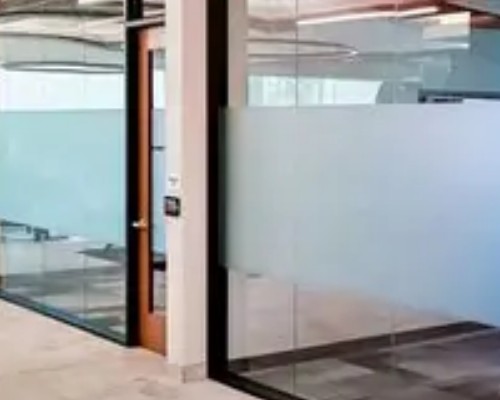
The modern open-concept office, designed to foster collaboration, often creates an unintended consequence of acoustic and visual distraction. Frosted film offers a sophisticated, non-structural solution. By applying the film to glass-walled conference rooms, private offices, or partitions, you can create visual separation without sacrificing the open, airy feel of the floor plan.
This application provides what we call flexible privacy. You can specify different levels of opacity to create distinct zones. For example, a full-coverage frost on a meeting room ensures confidentiality. A simple band of frosted film at eye level, known as a privacy band, can reduce distractions for employees in their workstations without making them feel closed in. This approach supports diverse work styles within a single, cohesive space and avoids the high cost and permanence of drywall construction.
Enhancing Corporate Branding and Design Intent
Frosted film serves as a powerful medium for translating corporate branding into the physical environment. Beyond standard frost, these films can be precision-cut to feature intricate designs, patterns, and company logos. This capability transforms a simple glass panel into a statement piece that reinforces brand identity from the moment a client enters your lobby.
For a project manager tasked with executing a specific design intent across a national portfolio, this is a critical tool for ensuring consistency. Whether it’s a subtle brand pattern repeated on office partitions or a prominent, custom-cut logo on the main conference room glass, a professional installation partner ensures the design is rendered flawlessly at every single location. These graphics also serve a practical purpose as distraction markers that meet building codes by making glass more visible and preventing accidents.
Optimizing Natural Light While Maintaining Confidentiality
One of the most significant advantages of frosted film is its ability to manage light. Unlike blinds or curtains that block light completely when closed, frosted films diffuse it. They scatter the sun’s rays, softening harsh glare and distributing pleasant, usable light deeper into a space.
This creates a more comfortable and productive atmosphere for employees while reducing the need for artificial lighting, which can contribute to energy savings. For spaces where confidentiality is paramount, such as HR offices or legal departments, high-opacity films ensure complete visual privacy without plunging the room into darkness. This dual benefit of maintaining both privacy and natural light is a combination that few other design solutions can offer.
Achieving the Look of Etched Glass at a Fraction of the Cost
The elegant, high-end look of sandblasted or acid-etched glass is highly sought after in corporate design, but it comes with a significant price tag and permanent commitment. Frosted architectural film provides a visually indistinguishable alternative for a fraction of the cost in both materials and installation time.
From a project management perspective, this presents several advantages:
- Budget Control: Film achieves the desired aesthetic without the premium cost of custom glass fabrication.
- Installation Speed: Film can be applied to existing glass with minimal disruption, accelerating project timelines.
- Flexibility: Unlike permanently etched glass, film can be removed and updated if a tenant changes or branding evolves, making it an ideal solution for leased commercial spaces.
Specifying the Right Commercial Privacy Window Film
Choosing the right frosted film is not as simple as picking a pattern. A successful outcome depends on a clear understanding of material science, performance metrics, and aesthetic variables. For project managers overseeing large-scale installations, specifying the correct product is fundamental to avoiding costly issues like material failure, inconsistent appearance, and missed design specifications. This is where a partnership with a knowledgeable installer proves its value.
Professional-Grade Materials vs. Off-the-Shelf Solutions
A common pitfall is treating all frosted films as equal. The difference between a professional-grade material and a consumer-level product is substantial and directly impacts the long-term success of your project. DIY or “big-box” films are typically thinner, use lower-quality adhesives, and lack the durability required for a commercial environment. They are prone to bubbling, peeling, and discoloration from UV exposure, quickly turning a sleek installation into a maintenance headache.
Professional-grade films are engineered for performance. They feature more stable, optically clear adhesives that prevent distortion and are manufactured to exacting standards to ensure color and texture consistency from one roll to the next. This consistency is a non-negotiable for multi-site projects where brand uniformity is key. Investing in a professional-grade material mitigates the risk of premature failure and the associated costs of removal and re-installation.
Exploring Options like 3M Fasara Glass Finishes
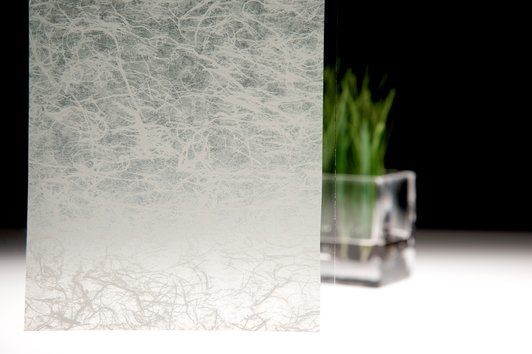
Among professional-grade options, 3M Fasara glass finishes are widely regarded as an industry benchmark for quality and design versatility. These high-performance polyester films are available in over 100 distinct designs, offering an expansive palette to meet nearly any design specification.
The Fasara family includes decorative glass finishes that mimic various materials and effects, including subtle gradients, fabric and paper textures, and a wide array of geometric and natural patterns. By specifying a product line like 3M Fasara, you gain access to a consistent, high-quality material that has been tested for durability and performance.
An expert partner can guide you through the options, providing samples and technical data to help you select the precise finish that aligns with your project’s aesthetic and functional requirements.
Matching Film Opacity and Texture to Design Specifications
The term “frosted” encompasses a wide spectrum of visual effects, and success lies in the details. The level of opacity, or the degree to which the film obscures vision, is a critical specification. A film with high light transmission and low opacity might be perfect for creating a sense of separation in a hallway. A film with low light transmission and high opacity is necessary for a boardroom where presentations require confidentiality.
Texture also plays a vital role in achieving the design intent. A smooth, matte frost provides a clean, contemporary look, whereas a film with a simulated sandblasted glass effect adds depth and character. To ensure the final installation matches the designer’s vision, it is essential to review physical samples in the actual space. A qualified installation partner can provide these mockups, allowing you and your stakeholders to see how the film interacts with the existing lighting and architecture before committing to a full rollout.
Durability, Maintenance, and LEED Certification
Beyond initial aesthetics, a project manager must consider the film’s life-cycle performance. Professional-grade films are manufactured with a durable, scratch-resistant hard coat, allowing them to be cleaned easily with common, non-abrasive cleaning agents. This ensures the installation maintains its pristine appearance for years with minimal specialized maintenance. The typical lifespan of a high-quality interior film can exceed 15 years, offering a reliable, long-term solution.
For projects targeting environmental certifications like LEED certification, window films can contribute to earning points. By optimizing the use of natural daylight, they can factor into the Indoor Environmental Quality (EQ) credit for Daylight. They can also support the Materials and Resources (MR) credits, as they are a low-impact method of upgrading existing glass rather than replacing it. Discussing these contributions with your film partner can help align your specification with broader corporate sustainability goals.
The Project Manager’s Challenge: Why Professional Installation is Non-Negotiable
While the design possibilities are inspiring, the success of any commercial film project hinges entirely on the quality of its installation. For a project manager, viewing installation as a commodity is a direct path to budget overruns, timeline delays, and a compromised aesthetic. On a commercial scale, where consistency and durability are paramount, professional installation is the only way to safeguard the project’s integrity.
The Risk of Inconsistency Across Multiple Locations
When a project spans multiple floors or a national portfolio of properties, consistency is the measure of success. An inexperienced or fragmented installation approach inevitably leads to visible errors that undermine the professionalism of the space. These include privacy bands installed at slightly different heights, misaligned logos, or patterns that do not match up perfectly across adjacent glass panes. Sourcing multiple vendors for a national rollout amplifies this risk, resulting in a disjointed brand presence. A single-source national partner with standardized training and quality control protocols is the only way to guarantee uniformity.
Avoiding Common Failures: Bubbling, Peeling, and Contamination
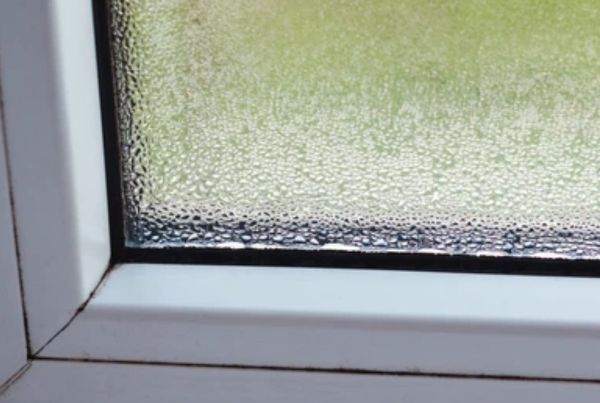
Amateur film application is plagued by a distinct set of failures. Bubbling occurs when air and water are not properly squeegeed out. Peeling edges result from improper cleaning or a failure to seal the film’s border correctly. Contamination, the trapping of dust or debris beneath the film, creates unsightly blemishes that are impossible to remove without reinstallation. These are not minor cosmetic flaws.
They are evidence of a failed application that will only worsen over time, ultimately requiring a complete and costly replacement. Professional installers use specialized slip solutions, pristine tools, and proven techniques to ensure a flawless, durable bond.
How Poor Installation Impacts Project Timelines and Budgets
A single failed installation can have a cascading effect on a project. The immediate impact is financial, involving the cost of new material and the labor for removal and reapplication. The secondary costs are often greater. Rework disrupts the project schedule, potentially delaying other trades like painters or furniture installers. It requires additional management oversight and can damage client confidence. Opting for a low-bid, unqualified installer is a classic example of a decision that saves money upfront but creates significant and unpredictable financial and schedule risks down the line.
Adhering to Architectural Plans from Firms like Gensler or HOK
Top-tier architectural firms like Gensler or HOK produce highly detailed plans where every element is specified for a reason. Window film schedules in these documents contain precise information on film type, opacity, and placement. A professional film installation partner understands how to execute this vision with precision. This level of adherence involves verifying on-site measurements against the drawings, confirming every film specification before cutting, and executing the application to within tight tolerances, all while communicating effectively with the general contractor and design team.
Partnering for Success: A Guide to a Flawless Frosted Film Rollout
The success of a large-scale frosted film for windows installation hinges not just on a solid plan, but on the capabilities of the partner you choose to execute it. A fragmented approach using different local vendors introduces unacceptable risks in quality, scheduling, and budget control. For a project manager overseeing a national rollout, the only path to a predictable, high-quality outcome is through a single, expert partner.
The Single-Vendor Advantage for National Project Management
Sourcing reliable, specialized trades for a multi-site project is a significant logistical challenge. The single-vendor model directly solves this by replacing dozens of variables with one consistent point of contact. Instead of juggling multiple quotes, contracts, and communication chains, you have a single, accountable partner responsible for the entire scope of work.
This centralized approach guarantees uniformity. Whether you are installing a simple privacy band for conference room privacy in Seattle or a complex, custom cut vinyl logo in a Miami lobby, the materials and installation quality remain identical. This consistency is crucial for maintaining brand integrity and ensuring the specified aesthetic is flawlessly replicated across your entire portfolio. A national partner eliminates the risk of regional variations in skill or material availability, delivering a truly standardized result.
Ensuring Budget Integrity and On-Time Completion
With a single national partner, you move from budget uncertainty to budget predictability. A comprehensive proposal from an experienced firm will account for all project phases, from site surveys to final cleanup, providing a clear and reliable cost structure. This eliminates the risk of unforeseen charges and change orders from multiple small vendors eroding your budget.
This model also provides a powerful advantage for maintaining your project schedule. A national installation partner has the logistical expertise to manage phased rollouts, coordinate material shipments, and deploy crews in a synchronized, efficient manner. They can anticipate and navigate local site conditions and access requirements that could cause delays. By managing the entire timeline from a central point, your partner ensures the installation integrates seamlessly with your broader construction or renovation schedule.
From Consultation to Final Walkthrough: What to Expect from a True Partner
A true partnership extends beyond a simple transactional relationship. It is a collaborative process built on communication, transparency, and a shared commitment to achieving the project’s goals. An expert partner will guide you through a structured engagement that typically includes:
- Strategic Consultation: The process begins with a discussion of your objectives, whether it’s enhancing privacy, reinforcing branding, or creating flexible work areas.
- Solution and Design Development: Based on your needs, they will present tailored solutions, providing material samples and digital proofs of custom graphics to help you visualize the final result.
- Dedicated Project Management: You will be assigned a dedicated project manager who serves as your single point of contact, coordinating all site surveys, production, and installation logistics.
- Professional Execution: Uniformed, certified installers will work efficiently and cleanly, respecting your site’s operational rules and schedule, while your project manager provides regular progress updates.
- Final Walkthrough and Handoff: The project concludes with a detailed walkthrough to ensure every piece of glass meets the project specifications and your complete satisfaction before final sign-off.
Frequently Asked Questions
How much does commercial frosted film cost compared to etched glass?
Professional-grade frosted film for windows is significantly more cost-effective than permanently etching or sandblasting glass. While pricing varies by film type and project complexity, you can typically expect to achieve a visually identical aesthetic for a fraction of the material and labor cost of custom glass fabrication. Film also offers the flexibility of being removable, protecting your investment if branding or tenants change.
Can you create a custom decorative window film with our company logo?
Absolutely. One of the primary benefits of privacy film for office glass is its customizability. Using computer-guided plotters, we can precision-cut any logo, brand pattern, or unique design from a wide range of films. This is an excellent way to reinforce brand identity on glass entryways, conference room walls, and office partitions with a sophisticated, high-end look.
What is the lifespan of a professional-grade frosted film installation?
When installed correctly in an interior commercial environment, a high-quality film like 3M Fasara is engineered for exceptional durability. These films come with a scratch-resistant coating and stable adhesives that prevent peeling and bubbling. You can expect a lifespan of 15 years or more with simple, routine cleaning, making it a reliable, long-term investment.
How do you ensure installation consistency for a national rollout?
Consistency across a national portfolio is achieved by using a single, expert partner with centralized project management and standardized protocols. Instead of sourcing multiple local vendors, our national model ensures every location receives the same high-quality materials and benefits from installers trained on the exact same application techniques. This guarantees that a logo in one city is identical to one in another, protecting your brand integrity.