Table of Contents:
- The Unseen Threat: Why Standard Windows Fail to Protect Commercial Assets from UV Damage
- Understanding the Invisible Enemy: Deconstructing UV Radiation and Its Impact
- The Fundamental Flaws of Unprotected Commercial Glazing
- The Professional Solution: 3M Advanced Window Films for Uncompromising UV Defense
- Specifying Superior UV Protection: A Project Manager’s Guide to 3M Film Integration
- Partnering for Precision: Ensuring Flawless Application and Guaranteed Performance
- Conclusion: Elevating Project Excellence with Proactive UV Protection
- Frequently Asked Questions
- Related Posts from Window Film Depot
The Unseen Threat: Why Standard Windows Fail to Protect Commercial Assets from UV Damage
Project managers often operate under the assumption that standard commercial windows inherently provide sufficient UV protection. While it is true that glass blocks a portion of ultraviolet radiation, this offers a false sense of security when it comes to safeguarding valuable interior assets or ensuring the long-term well-being of occupants. The type of glass, whether annealed, tempered glass, or laminated glass, does influence its UV transmission properties, but none of these common glass types are engineered to fully mitigate the full spectrum of damaging UV radiation without additional treatment, especially in spaces featuring a one-way glass window where solar exposure and visibility requirements must be carefully managed.
The Critical Distinction: How Much UV Does Glass Block in Standard Commercial Windows?
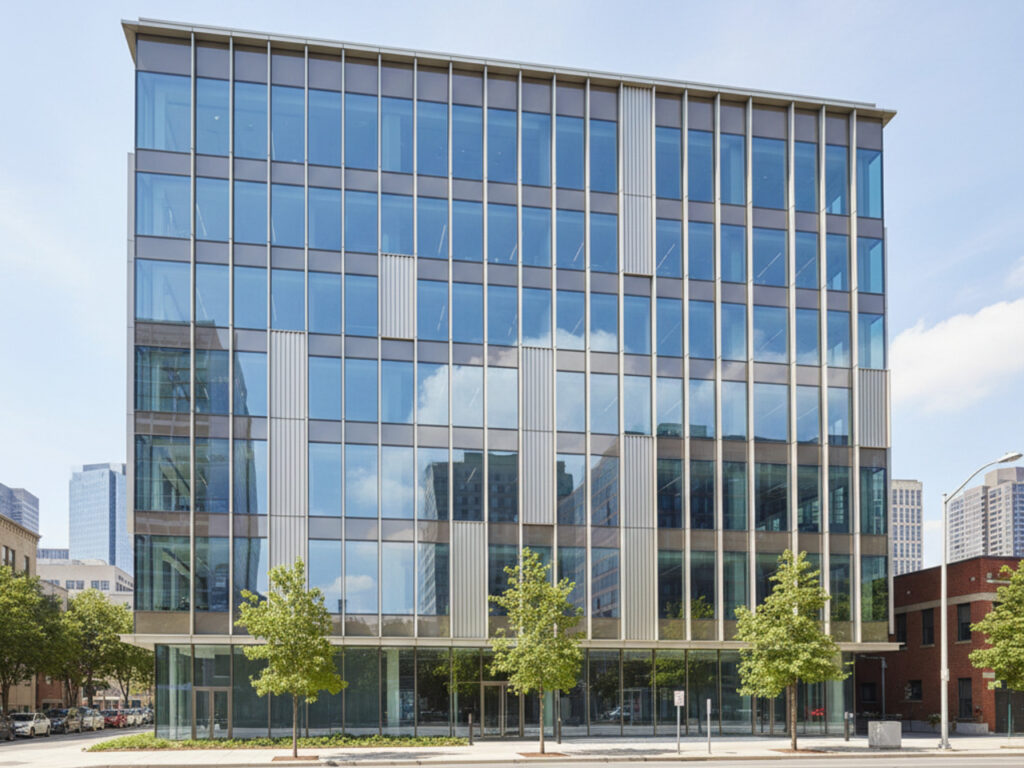
Understanding the precise limitations of standard glass is crucial for informed project planning. Most clear, untreated commercial window glass effectively blocks a significant percentage of Ultraviolet B (UVB) rays, which are primarily responsible for sunburn. However, the more pervasive and deeply penetrating Ultraviolet A (UVA rays) are a different story.
- Single-pane clear glass typically allows between 50% and 75% of UVA radiation to pass through.
- Standard insulated glass units (IGUs), commonly used in commercial construction for energy efficiency, might reduce UVA transmission slightly further, perhaps blocking around 25% to 50% of UVA.
This means a substantial and damaging amount of UVA radiation consistently penetrates commercial buildings through standard glazing. This contrasts sharply with the nearly complete UV rejection, typically 99.9%, achieved by specialized 3M window films designed for comprehensive protection.
The Hidden Costs: Why Inadequate UV Protection Compromises Your Project’s Value
The seemingly minor detail of insufficient UV protection in standard windows can lead to significant and often unseen long-term costs that directly undermine a project’s value and client satisfaction. Over time, persistent exposure to UVA radiation causes irreversible damage to interior elements.
- Premature Deterioration of Assets: Inventory, retail displays, office furniture, artwork, flooring, and wall coverings, collectively considered interior furnishings, can all suffer from fading, discoloration, embrittlement, and structural degradation.
- Increased Replacement Cycles: Damaged assets require earlier replacement or repair, leading to unexpected capital expenditures for clients.
- Warranty Issues and Dissatisfaction: Clients may experience frustration when new installations or merchandise quickly show signs of wear, potentially impacting the perceived quality and longevity of the finished space.
Ultimately, neglecting comprehensive UV protection can diminish the aesthetic appeal, functional lifespan, and overall value of a commercial property. This transforms an initial cost-saving measure into a costly oversight.
Understanding the Invisible Enemy: Deconstructing UV Radiation and Its Impact
To effectively specify solutions, it is essential to comprehend the nature of the threat. UV radiation, though invisible, is a powerful force with distinct characteristics and destructive capabilities.
Decoding the Spectrum: UVA Rays vs. UVB Rays and Their Unique Destructive Powers
Ultraviolet radiation is categorized into different wavelengths, with UVA and UVB being the most relevant for commercial building concerns.
- UVA Rays: These have longer wavelengths and constitute approximately 95% of the UV radiation that reaches the Earth’s surface. UVA penetrates glass more readily and deeply into materials and skin. They are the primary driver of fading, material degradation, and contribute significantly to skin aging and cancer risk. UVA is consistently present throughout the year, regardless of cloud cover or season.
- UVB Rays: These have shorter wavelengths and are largely responsible for sunburn. While standard glass blocks most UVB, the smaller portion that does penetrate can still contribute to material damage and health risks. UVB intensity varies more seasonally and geographically.
Both types contribute to damage, but UVA is the persistent, long-term aggressor that penetrates standard windows and poses the most significant threat to interior assets and occupant health in commercial environments.
The Mechanisms of Deterioration: How UV Light Accelerates Fading and Degradation
UV light energy triggers a process known as photo-oxidation, where high-energy photons break down the chemical bonds within organic materials. This destructive process manifests as:
- Color Fading: Dyes and pigments in fabrics, paints, and interior furnishings absorb UV energy, causing their chemical structure to break down and colors to become lighter or shift hue.
- Material Degradation: Polymers in plastics, wood finishes, and other materials can become brittle, crack, or lose their structural integrity, accelerating wear and tear.
- Surface Discoloration: Some materials may yellow or darken as their chemical composition is altered by UV exposure.
While other factors, such as visible light and heat also contribute to material degradation, UV radiation is the primary catalyst for severe and irreversible damage, acting as an invisible agent of accelerated aging for all exposed interior elements.
Beyond Material Damage: The Health Implications of Prolonged UV Exposure in Commercial Settings
The impact of inadequate UV protection extends beyond the material deterioration of furnishings. It also encompasses significant health implications for building occupants. For Project Manager Paul, considering occupant well-being is a critical component of delivering a high-quality, responsible project.
- Skin Damage: Although standard glass blocks most UVB, the substantial penetration of UVA through windows contributes to skin aging, including wrinkles and sunspots. More critically, prolonged UVA exposure increases the risk of various skin cancers, according to the Skin Cancer Foundation.
- Eye Damage: Chronic exposure to UV radiation, even indoors, can contribute to the development of eye conditions such as cataracts and pterygium, potentially leading to impaired vision.
- Immune Suppression: UV exposure can temporarily suppress the immune system, potentially reducing the body’s ability to fight off infections and diseases.
Need More Info?
The Window Film Depot team is happy to help.
Addressing these health concerns through effective UV protection window film is not just a matter of occupant comfort but a professional responsibility, contributing to a healthier, safer, and ultimately more valuable commercial environment.
The Fundamental Flaws of Unprotected Commercial Glazing
Examining Common Glass Types: Annealed, Tempered Glass, and Laminated Glass Limitations
Project specs detail annealed, tempered, or laminated glass for integrity and safety. These types have limited ability to block ultraviolet radiation. Annealed glass offers minimal protection, blocking only a small percentage of UVB rays. Tempered glass shares similar UV transmission characteristics with standard annealed glass.
Project specs detail annealed, tempered, or laminated glass for integrity and safety. These types have limited ability to block ultraviolet radiation. Annealed glass offers minimal protection, blocking only a small percentage of UVB rays. Tempered glass shares similar UV transmission characteristics with standard annealed glass.
Laminated glass with a PVB interlayer provides higher UV protection. It typically blocks most UVB and some UVA rays. However, UVA protection is often insufficient to prevent interior fading over time fully. These glass types lack comprehensive UV defense for the building envelope. This leaves a significant protection gap against the most damaging light.
The Reality of “UV Blocking” Low-E Glass and Commercial Window Tinting for UV Protection
Many commercial glazing systems incorporate Low-E glass (low-emissivity) coatings or have tinted glass to address energy efficiency and glare. Low-E coatings are primarily engineered to reflect infrared light, thereby reducing heat transfer and improving thermal performance. While some modern Low-E coatings can incidentally block a percentage of UV radiation, their UV blocking capabilities are not their primary function or strength. These coatings typically do not achieve the high level of broad-spectrum UV protection required for critical asset protection.
Tinted glass reduces visible light transmission and offers thermal benefits. This often leads to a reduction in certain UV wavelengths. However, standard tinted glass provides modest UV filtration. It rarely exceeds 70% to 80% of total UV radiation. Performance varies widely based on the tint’s composition and density. Relying on these features for comprehensive protection is a common misconception. This mistake can lead to costly long-term damage.
Why Standard Glass Leaves Interior Assets and Occupants Vulnerable to UV Damage
The cumulative effect of these limitations is that standard commercial glazing, even with Low-E glass or tinting, leaves interior spaces and their occupants exposed to harmful UV radiation. UVA rays, which penetrate deeper into buildings and are largely unfiltered by most standard glass, are responsible for significant damage. This includes the accelerated fading and deterioration of:
- Furnishings: Upholstery, carpets, curtains, and wooden surfaces.
- Inventory: Retail merchandise, including apparel, electronics, and artwork.
- Finishes: Paint, wallpaper, and flooring materials.
Prolonged UV exposure poses health risks to building occupants. It contributes to skin aging and increases the likelihood of health issues. For Project Manager Paul, this compromises total project value. Clients face increased maintenance costs due to premature wear. The interior environment loses long-term aesthetic appeal and functionality. This represents a critical oversight in asset protection. It also negatively impacts overall client satisfaction.
The Professional Solution: 3M Advanced Window Films for Uncompromising UV Defense
Engineering Excellence: The Science Behind 3M’s 99.9% UV Blocking Technology
When standard glazing falls short, professionals turn to advanced film technology. 3M window films use proprietary, multi-layer optical technology for superior performance. Basic tints offer only incidental UV reduction. In contrast, 3M Sun Control Window Film blocks 99.9% of harmful rays. This film targets both UVA and UVB radiation. Precision-layered materials selectively absorb or reflect specific wavelengths. Standard glass cannot match this broad-spectrum protection. This scientific precision ensures a comprehensive defense. It stops the primary causes of fading and material degradation.
Beyond UV Protection: Integrating Additional Benefits with 3M Sun Control Window Film
While uncompromising UV protection is a cornerstone of 3M’s offering, these advanced window films integrate a suite of additional benefits that enhance overall building performance and occupant comfort. This makes them a multifaceted solution for project managers like Paul seeking to deliver high-value outcomes.
Key integrated benefits include:
- Energy Efficiency: Many 3M sun control films significantly reduce solar heat gain, leading to lower air conditioning costs in warmer months and better heat retention in cooler months. This contributes to measurable energy savings.
- Glare Reduction: Films can dramatically reduce harsh glare without significantly diminishing natural light, improving visual comfort for occupants and optimizing workspaces.
- Enhanced Security: Certain 3M films, particularly those with a security and safety component, can help hold shattered glass in place, mitigating injury from glass fragments and deterring forced entry.
- Increased Comfort: By regulating interior temperatures and reducing hot spots near windows, films create a more consistent and comfortable environment throughout the building.
These combined advantages allow for a comprehensive upgrade to existing glazing systems, aligning with diverse client demands beyond just UV protection.
Unrivaled Performance: How 3M UV Blocking Window Film Preserves Aesthetics and Extends Asset Lifespans
3M window films deliver a direct and measurable return on investment. The 99.9% UV rejection preserves interior aesthetics effectively. These films significantly extend the lifespan of valuable assets. They eliminate virtually all harmful UV radiation. This prevents the chemical breakdown that causes colors to fade. It also stops materials from becoming brittle over time. Finishes no longer degrade prematurely because of sun exposure.
This means that:
- Interior furnishings retain their original vibrancy and structural integrity for years longer.
- Artwork and decorative elements maintain their intended appearance and value.
- Flooring and wall coverings resist discoloration and wear, reducing the need for early replacement.
This proactive protection safeguards the client’s initial investment in their interior design and fit-out, ensures the project’s high-quality aesthetic endures, and reduces long-term operational costs associated with asset replacement. It is a critical component in delivering a truly durable and high-value commercial space.
Illustrative Scenarios: Protecting High-Value Retail Merchandise and Office Furnishings
To further illustrate the tangible benefits, consider specific scenarios where 3M advanced window films provide essential protection:
High-Value Retail Merchandise
In retail environments, display windows are crucial for showcasing merchandise. However, direct sunlight, even through standard glass, can quickly lead to irreversible damage.
- The Problem: Expensive apparel can fade and bleach, electronics displays can yellow, and artwork can deteriorate, rendering items unsellable or significantly devaluing them. This directly impacts revenue and brand perception.
- The Solution: Installing 3M sun control films ensures that luxury goods, electronics, and fashion items retain their pristine condition and original visual appeal, preserving inventory value and enhancing the customer experience.
Office Furnishings and Interior Investments
Modern office spaces often feature significant investments in high-quality furniture, technology, and interior finishes designed to create a productive and appealing environment.
- The Problem: Unfiltered UVA rays cause premium leather chairs to crack. Wooden conference tables often fade unevenly under the sun. Expensive carpets can bleach and lose their color. This creates a worn and unprofessional appearance quickly. Materials often fail long before their expected lifespan.
- The Solution: 3M films safeguard these assets, ensuring that office furnishings and finishes maintain their sophisticated look and feel for years. This protects the client’s investment in their workspace and reflects positively on the building’s overall quality and management.
Specifying Superior UV Protection: A Project Manager’s Guide to 3M Film Integration
Effective UV protection goes beyond general energy efficiency specifications. It is a critical component of preserving a building’s interior assets and ensuring client satisfaction over the long term. Integrating specialized 3M window films is not merely a simple upgrade. It is a strategic decision for project managers. They can deliver exceptional and durable results. This choice protects the long-term value of the building.
Key Performance Indicators: Understanding UV Transmittance and Film Specifications for Optimal Results
To truly safeguard interiors from the damaging effects of solar radiation, understanding UV transmittance is paramount. Standard commercial windows, even those with low-emissivity coatings, typically allow a significant percentage of harmful UVA and UVB rays to pass through. This oversight leaves furnishings, inventory, and finishes vulnerable to degradation. Professional-grade 3M window films are engineered to drastically reduce this exposure, offering verifiable specifications that meet the highest standards.
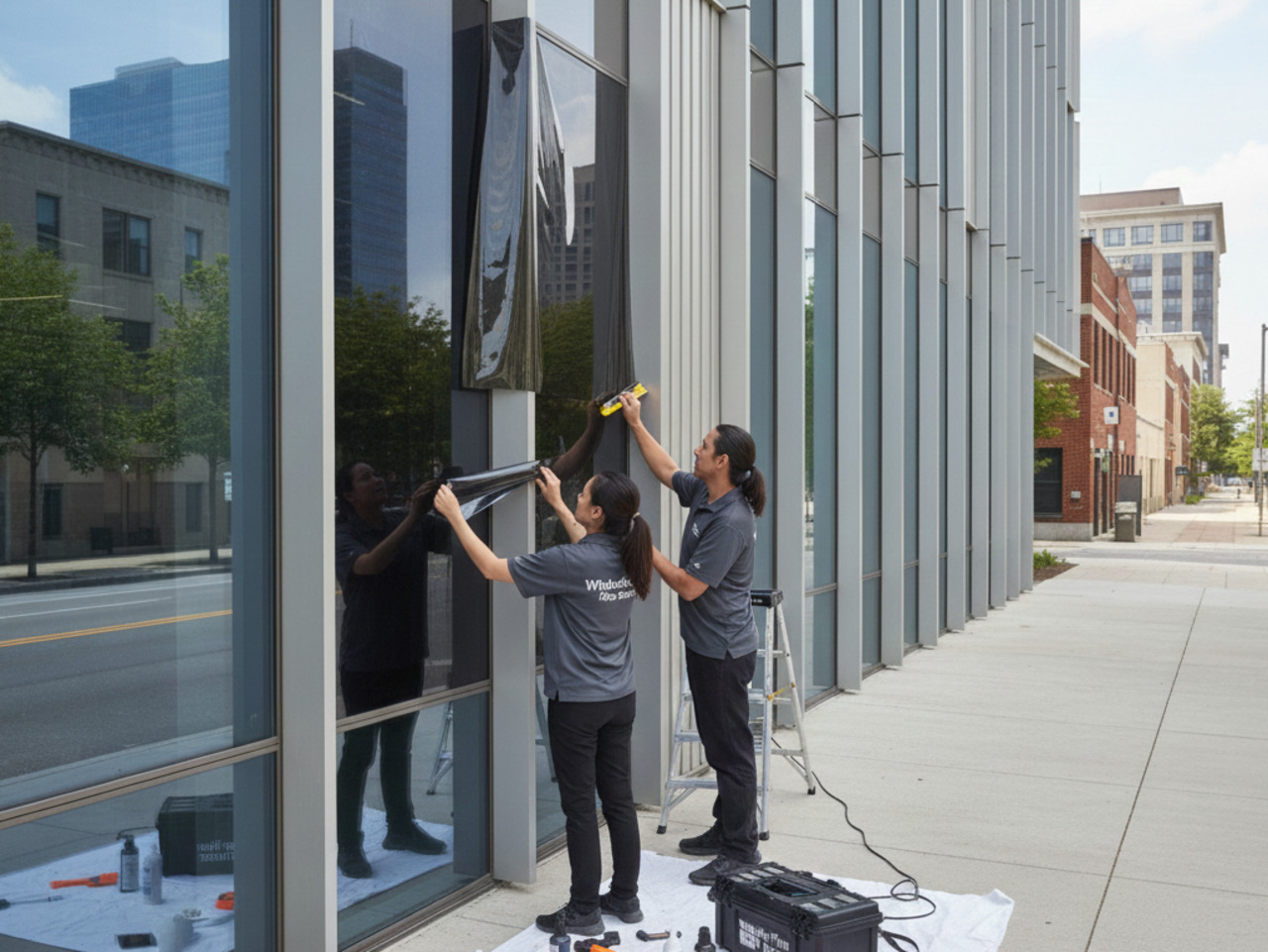
- UV Rejection Rates: While untreated glass may block 25-50% of UV rays, specialized 3M films are designed to reject up to 99.9% of UV radiation. This near-total blockage is the critical differentiator, ensuring that damage from solar exposure is virtually eliminated.
- Film Construction and Layers: Advanced multi-layer film technology, often incorporating specialized UV absorbers, enables 3M films to achieve these superior rejection rates without compromising visible light transmission or clarity. Spectrally selective films, for example, target specific wavelengths for maximum efficiency.
- Long-Term Performance Metrics: It is essential to review manufacturer specifications not just for initial UV rejection, but also for long-term stability and resistance to photodegradation, which are hallmarks of 3M’s quality and durability.
Strategic Asset Protection: Elevating Client Satisfaction and Building Durability
The impact of unchecked UV exposure is often underestimated, yet it poses a substantial threat to interior assets. Fading of fabrics, discoloration of artwork, cracking of wood finishes, and degradation of retail inventory are all direct consequences that can diminish a property’s appeal and value rapidly. By integrating 3M UV blocking window film, project managers implement a proactive solution that pays dividends in asset longevity and client trust.
- Preserving Interior Investments: Protecting expensive interior furnishings, flooring, and decor from fading and deterioration extends their lifespan, reducing the need for costly replacements or refurbishments. This directly impacts the operational budget and aesthetic integrity of the space.
- Safeguarding Merchandise and Displays: For retail or gallery spaces, maintaining the vibrant colors and structural integrity of merchandise and exhibits is crucial for sales and visitor experience. 3M films act as an invisible barrier, preserving inventory value.
- Enhancing Occupant Comfort and Health: Beyond asset protection, reducing UV exposure also contributes to a healthier indoor environment by mitigating skin and eye damage risks for occupants, aligning with modern building wellness standards.
Meeting Diverse Client Demands: Balancing Security, Energy Efficiency, and Aesthetics with 3M Solutions
Project managers often face the challenge of satisfying multiple, sometimes conflicting, client demands within a single solution. 3M window films offer a unique advantage by combining superior UV protection with other essential performance benefits, streamlining specification and installation. This holistic approach ensures comprehensive project excellence.
- Multi-functional Films: Many 3M film lines integrate UV rejection with features such as solar control for energy efficiency, glare reduction for enhanced comfort, and even safety and security benefits against breakage or intrusion.
- Aesthetic Versatility: Available in a range of tints, finishes, and opacities, 3M films can be selected to complement or enhance a building’s architectural aesthetics, from nearly invisible options to decorative and privacy films.
- Customizable Performance: The ability to choose specific film types allows for tailoring solutions to unique project requirements, whether the priority is maximum heat rejection for south-facing windows, enhanced security for ground-level entryways, or simply unparalleled UV protection for delicate interiors.
The Long-Term Value: UV Protection as a Cornerstone of Sustainable Building Practices
True sustainability in building design extends beyond initial construction materials to the enduring performance and longevity of the entire structure and its contents. Specifying professional-grade UV protection through 3M window films contributes significantly to a building’s long-term sustainability profile. This foresight aligns projects with modern environmental responsibility and cost-effectiveness.
- Reduced Material Waste: By preventing the premature fading and degradation of interior finishes and furnishings, 3M films minimize the need for early replacement, thereby reducing landfill waste and consumption of new resources.
- Optimized Building Lifecycle: Protecting the integrity of internal components contributes to a more resilient and longer-lasting building, improving its overall lifecycle assessment.
- Energy Savings from Solar Control: Many UV blocking window film options also offer significant solar heat gain rejection, directly contributing to reduced energy consumption for cooling and a lower carbon footprint for the facility.
Partnering for Precision: Ensuring Flawless Application and Guaranteed Performance
Implementing advanced window film technology requires more than just selecting the right product. It demands precision in application and comprehensive project management. Partnering with experienced, certified installers is non-negotiable for realizing the full benefits and guaranteeing the longevity of your investment.
The Advantage of Expertise: Why Choosing a National 3M Certified Installer Matters
The sophisticated engineering behind 3M window films necessitates equally sophisticated installation. A 3M Certified Installer represents the highest standard of proficiency, ensuring that every film is applied correctly, adheres perfectly, and performs to its maximum potential. This certification is a testament to rigorous training, consistent quality, and deep product knowledge.
- Manufacturer-Approved Techniques: Certified installers follow precise 3M installation protocols, which are critical for optimal film adhesion, clarity, and bubble-free finishes.
- Product Specific Knowledge: They possess an in-depth understanding of the vast array of 3M films, enabling them to recommend the most suitable product for specific performance requirements and architectural considerations.
- Quality Assurance: Certification often includes adherence to strict quality control measures, minimizing the risk of installation defects and ensuring a professional outcome every time.
Seamless Project Execution: From Consultation to Post-Installation Support
A successful window film integration project is characterized by meticulous planning and seamless execution. Partnering with a professional installer means gaining access to a structured process designed to minimize disruption and maximize efficiency, from initial concept to final walkthrough.
- Detailed Project Planning: Comprehensive consultations help identify precise project needs, leading to accurate material selection, budgeting, and scheduling.
- Efficient Installation Logistics: Experienced teams manage all aspects of installation, including site preparation, material delivery, and waste removal, ensuring minimal impact on ongoing operations.
- Post-Installation Care and Support: Reputable installers provide guidelines for film maintenance and offer ongoing support to address any questions or concerns, extending the life and performance of the installed films.
The Assurance of Excellence: Warranties and the Long-Term Reliability of 3M Films
One of the most compelling reasons to specify 3M window films installed by a certified professional is the unparalleled warranty protection they offer. These warranties are not merely guarantees against defects. They are a profound statement of confidence in the product’s durability and the installation’s quality.
- Comprehensive Manufacturer Warranties: 3M stands behind its products with some of the industry’s most robust warranties, covering bubbling, peeling, cracking, or delamination for an extended period, often 10 years or more.
- Installation Warranty: Beyond the product itself, certified installers often provide their own warranty on the installation workmanship, offering a dual layer of protection for project managers and clients.
- Peace of Mind: These extensive warranties provide critical peace of mind, ensuring that the investment in UV protection and other film benefits is secured for the long term, directly contributing to the project’s overall value and reputation.
Unmatched Experience: Leveraging the #1 3M Window Film Installer for Your Project’s Success
When project timelines are tight, budgets are fixed, and performance expectations are high, entrusting your window film needs to the most experienced partner is a strategic advantage. As the #1 3M Window Film Installer, Window Film Depot brings unparalleled expertise, logistical capability, and a proven track record to every project, ensuring optimal outcomes.
- Extensive Project Portfolio: Our vast experience across diverse commercial sectors means we understand the unique challenges and requirements of different building types and client needs.
- National Reach and Consistency: Operating nationally, we provide consistent quality and service across multiple locations, which is invaluable for large-scale or multi-site projects.
- Direct Access to 3M Innovations: Our strong relationship with 3M ensures we are always at the forefront of new product developments and can offer the most advanced and effective solutions available. This partnership guarantees that your project benefits from the latest in window film technology, providing unmatched UV protection and multifaceted performance.
Conclusion: Elevating Project Excellence with Proactive UV Protection
Standard commercial glass does not adequately protect interiors from ultraviolet radiation. This common oversight leads to substantial long-term costs. It also diminishes overall client satisfaction. Project managers must ensure buildings retain value and aesthetics. This requires a proactive approach to environmental stressors like UV exposure. Untreated windows offer only minimal, inherent UV filtering. Relying on them is a costly mistake. It leaves interior finishes and furnishings vulnerable. Valuable inventory also remains unprotected from damage.
True project excellence, therefore, mandates a specification that transcends baseline building codes and addresses the nuances of property preservation. The solution lies in integrating professional-grade 3M window films. These advanced films are engineered to reject up to 99.9% of harmful UV radiation, a performance metric that standard windows simply cannot match. This level of protection is not merely a luxury. It is a critical investment that safeguards the integrity of the interior environment and the longevity of its contents.
The Undeniable Value of Comprehensive UV Protection
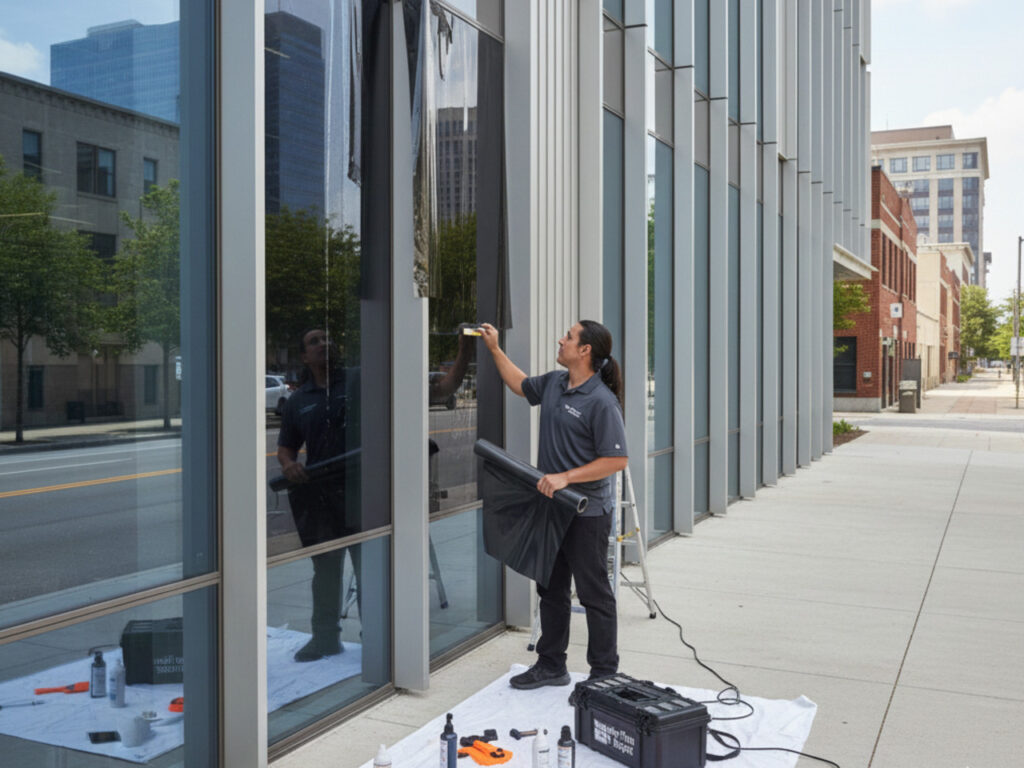
Specifying 3M window films demonstrates a commitment to durability and client-centric design. It directly addresses the need to meet specific client demands for a durable, aesthetically pleasing, and protective environment. So, do windows have UV protection? Not adequately without an advanced solution.
- Asset Preservation: By blocking virtually all UV rays, these films prevent premature fading, discoloration, and degradation of flooring, upholstery, artwork, and retail merchandise. This extends the lifespan of interior assets, reducing replacement costs and maintaining a pristine appearance.
- Enhanced Occupant Comfort: While primarily focused on UV, 3M films also contribute to a more stable interior temperature by reducing solar heat gain, enhancing comfort for occupants and potentially lowering energy consumption.
- Client Satisfaction and Reputation: Delivering a project where interior elements remain vibrant and undamaged years after completion significantly elevates client satisfaction. It solidifies your reputation as a project manager who anticipates future challenges and provides comprehensive, lasting solutions.
- Sustainable Building Practices: Protecting interior assets reduces waste and the need for frequent replacements, aligning with sustainable building principles and showcasing a forward-thinking approach to property management.
Ultimately, integrating 3M window films into your project specifications is a strategic decision that fortifies the building against unseen threats. It underscores a dedication to delivering not just a structure, but a resilient and enduring asset. This proactive measure ensures project value and aesthetics are preserved. These benefits will last for many years to come. Specialized film technology is an indispensable component of construction. It is essential for modern, high-quality projects.
Read more: is tempered glass stronger than regular glass, privacy window film bath uv, what is tempered glass, how does one way glass work
Frequently Asked Questions
Do standard commercial windows provide adequate UV protection?
No, standard commercial windows, including annealed, tempered glass, or even most laminated glass, only offer partial UV protection. While they block most UVB rays, they typically allow 25-75% of damaging UVA rays to pass through, leaving interior assets and occupants vulnerable.
How much UV does glass block without special treatment?
Most clear, untreated single-pane glass blocks about 50-75% of UVA rays and a higher percentage of UVB rays. Standard insulated glass units (IGUs) might improve UVA blocking slightly to 25-50%. This is significantly less than the 99.9% UV rejection offered by professional-grade UV blocking window film.
Is commercial window tinting for UV protection effective?
Standard commercial window tinting can reduce some UV, typically blocking up to 70-80% of total UV, and also helps with solar heat gain and glare. However, for comprehensive UV protection, specialized 3M Sun Control Window Film is far more effective, designed to block 99.9% of both UVA and UVB rays.
Why is 99.9% UV blocking important for commercial properties?
Achieving 99.9% UV blocking with advanced films like 3M’s is crucial for asset protection and occupant health. It virtually eliminates the UVA rays responsible for fading, discoloration, and degradation of interior furnishings, artwork, and merchandise. It also significantly reduces health risks like skin aging and certain cancers, ensuring a more valuable and healthier indoor environment.
What are spectrally selective films, and how do they benefit a project?
Spectrally selective films are advanced window films that selectively filter different parts of the solar spectrum. They are engineered to block a high percentage of UV and infrared (heat-producing) rays, while allowing a significant amount of visible light to pass through. This provides excellent solar heat gain reduction, glare control, and UV protection without significantly darkening the interior, contributing to energy efficiency and occupant comfort.