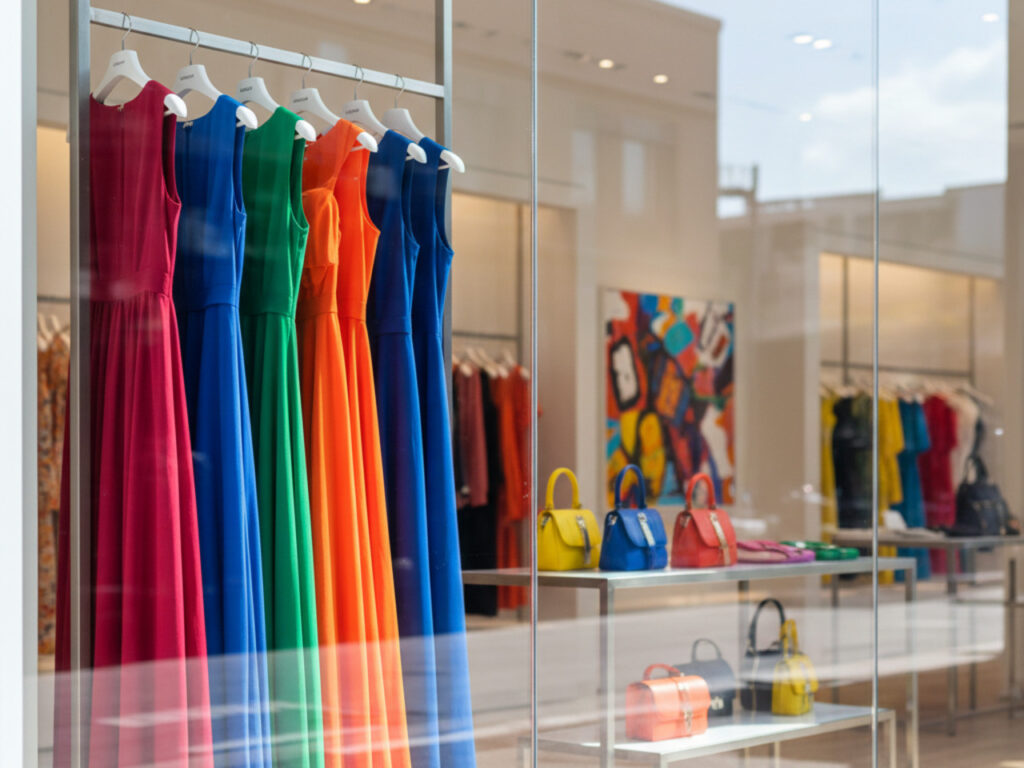
For project managers overseeing commercial and retail environments, safeguarding interior assets is not merely about aesthetics. It is a direct reflection of sound financial management. Unmitigated UV rays, visible light, and solar heat degrade materials, causing tangible financial losses. This issue extends beyond faded rugs to retail merchandise and high-value interior finishes. Protecting these assets reflects sound financial management and prevents the deterioration of expensive furnishings.
Consider the depreciation of inventory, where vibrant colors fade on clothing or product packaging, rendering items less desirable or unsellable at full price. Beyond merchandise, the long-term effects on flooring, artwork, upholstery, and wall coverings necessitate earlier replacement cycles, driving up operational costs. These “hidden costs” accumulate silently, impacting profitability and asset longevity without immediate, visible triggers until the damage is extensive.
The Project Manager’s Dilemma: Balancing Asset Preservation with Budget Realities
Project managers constantly navigate the challenge of optimizing capital expenditures while maintaining high standards for facility upkeep and asset preservation. The goal is to achieve maximum protection and longevity for interior investments without overshooting budget allocations or introducing unnecessary project complexities. Traditional approaches to UV and fade prevention, often involving full window replacements, can present a significant dilemma. They promise long-term benefits at a considerable upfront cost and operational disruption. Finding a solution that aligns with both preservation goals and the practical constraints of project delivery is paramount.
Understanding the Root Causes of Fading: Beyond Just Sunlight
While sunlight is often perceived as the sole culprit, fading is a complex process driven by several environmental factors. UV radiation is indeed the most destructive component, accounting for approximately 40-60% of fading. Visible light also plays a substantial role, contributing 25-30%. Solar heat, which breaks down chemical bonds, accounts for another 10-25%. Humidity and the chemical composition of the materials themselves are additional, albeit lesser, factors. A truly effective fade prevention strategy must address this multifaceted problem comprehensively, rather than focusing solely on UV exposure.
A Strategic Alternative: High-Performance 3M UV Protection Film for Commercial Spaces
New windows seem appealing, but a more strategic, economically sound approach exists for UV protection and fade prevention. High-performance 3M UV film offers a targeted, efficient, and less disruptive solution for modern project managers. This approach enhances existing assets without the high costs or complexities of full window replacement.
The Advanced Science of UV-Blocking Films: Spectral Selectivity for Asset Protection
Modern window films are far removed from the simple tints of the past. Advanced UV-blocking films employ sophisticated spectral selectivity, meaning they are engineered to precisely filter specific wavelengths of light. Instead of merely darkening windows, these films selectively reject harmful UV radiation and heat-generating infrared light. They allow significant visible light to pass through, ensuring interiors remain bright and aesthetically pleasing. This intelligent filtering protects valuable assets from premature degradation and merchandise fading without compromising natural light.
Introducing 3M Prestige Series Film: Unparalleled Clarity and Fade Prevention
For projects demanding exceptional performance and uncompromised clarity, the 3M Prestige Series film stands as a prime example of this advanced technology. Unlike traditional tinted or reflective films, Prestige Series films are non-metalized, utilizing hundreds of micro-layers to achieve superior heat and UV rejection. This innovative construction ensures crystal-clear views, preserving the original appearance of the glazing while actively safeguarding interiors. It delivers substantial fade prevention, extending the lifespan of furnishings, flooring, artwork, and merchandise.
How 3M Films Deliver Superior Performance: Blocking Up to 99.9% of Harmful UV Rays
The effectiveness of 3M UV protection films in preventing fade is rooted in their unparalleled ability to block harmful ultraviolet radiation. These specialized films reject 99.9% of UVA and UVB rays, the primary causes of material fading and degradation. By creating an invisible barrier, 3M films significantly slow the molecular breakdown in dyes and fabrics. This process preserves the vibrancy and integrity of interior assets much longer than unprotected windows.
Enhancing Existing Glazing: A Sustainable and Efficient Upgrade Path
High-performance window film offers a sustainable and efficient upgrade path for existing glazing. This method avoids waste from discarding old windows and energy used in manufacturing new ones. It transforms underperforming windows into high-performance assets without extensive construction or structural modifications. This targeted enhancement improves building efficiency, occupant comfort, and asset protection responsibly and prudently.
Evaluating the Conventional Wisdom: New Windows for UV Protection and Fade Prevention
The Promise of New Windows: Integrated UV Protection and Energy Efficiency
Many renovation projects instinctively choose full window replacement to improve UV protection and energy efficiency. New vinyl windows with low-E coatings promise to reduce UV transmission and mitigate solar heat gain. This approach seems logical, offering a comprehensive package of benefits within a single investment. Impressive R-values and energy savings make a complete system overhaul look like an attractive proposition.
Analyzing the True Cost of Replacing Commercial Windows
While the sticker price of new windows can be substantial, it represents only a fraction of the actual cost involved in a full replacement project. Project managers must account for a far broader spectrum of expenses that significantly impact the bottom line:
- Material Acquisition: Beyond the window units themselves, specialized frames, sealants, and often custom fabrication for non-standard openings add to material costs.
- Specialized Labor: Removing existing windows and installing new ones requires skilled labor, which commands higher rates. This includes carpenters, glaziers, and potentially masons.
- Preparatory Work: Scaffolding, site protection, and potentially lead or asbestos abatement in older structures are critical, non-negotiable costs.
- Disposal Fees: The removal and proper disposal of old windows, especially those containing hazardous materials, can be unexpectedly expensive.
- Finishing & Repair: Interior and exterior trim, paint, plaster, or masonry often require repair or replacement following window installation, adding layers of trades and materials.
- Permits and Inspections: Navigating local building codes and securing necessary permits adds administrative costs and can introduce project delays.
- Operational Downtime: For commercial and retail spaces, even temporary closures or disruptions to specific areas can lead to lost revenue or decreased productivity.
When these factors are aggregated, the total expenditure for a full window replacement project typically far exceeds initial estimates, impacting project profitability and stakeholder satisfaction.
Operational Impact: The Extensive Timeline and Inconvenience of Replacement Projects
Full window replacement projects are inherently complex and time-consuming, introducing significant operational challenges for businesses. The scope extends far beyond the physical act of removing and installing windows. Projects involve:
- Extended Planning Phases: Coordination with multiple trades, material procurement, and scheduling can stretch over weeks or months.
- Tenant and Employee Disruption: Noise, dust, and restricted access to areas create inconveniences for building occupants, potentially impacting morale and productivity.
- Business Interruption: Retail stores or offices may face reduced foot traffic, temporary closures of specific departments, or limitations on business operations during installation periods.
- Security Concerns: During the demolition and installation phases, building security can be compromised, requiring additional measures to protect assets.
- Weather Dependencies: Exterior work is often dictated by weather conditions, leading to unpredictable delays and further extending project timelines.
These factors significantly inflate indirect costs for projects. They also add substantial stress to project managers. Managers must maintain strict timelines and minimize interference.
Limitations of New Window Installations in Diverse Existing Structures
While new windows offer a standardized solution, their application in diverse existing structures can be problematic, if not impossible. Many commercial and historical buildings present unique challenges that render a full replacement impractical or cost-prohibitive:
- Historical Preservation: Strict architectural guidelines often prohibit alterations to original window frames or materials, making modern replacements non-compliant.
- Non-Standard Sizes and Shapes: Older buildings frequently feature custom-sized, arched, or unusually shaped fenestration that are expensive to replicate and complicate installation.
- Structural Integrity Concerns: Removing existing windows can expose or exacerbate structural issues in aging buildings, leading to unforeseen repairs and delays.
- Aesthetic Continuity: Maintaining the original aesthetic of a building, especially in a multi-tenant or heritage context, can be compromised by the standardized look of modern vinyl windows.
- Interior Fit-Outs: Extensive existing interior build-outs or custom finishes can be damaged during replacement, adding to the restoration scope and cost.
These limitations show the need for flexible, less invasive solutions. Such solutions adapt to unique architectural characteristics. They preserve historical integrity without compromising project goals.
Project Economics & Timelines: Film vs. Replacement for the Savvy Manager
When evaluating property enhancements, project managers meticulously weigh costs, schedules, and potential disruptions. The choice between window film and full replacement shows a stark contrast in these critical areas. Commercial UV film consistently offers advantages that align with efficiency and budget-conscious project goals.
A Detailed Cost Comparison: Initial Investment, Installation, and Long-Term Value
The financial disparity between applying high-performance window film and undertaking a full window replacement is substantial, particularly in initial investment and installation costs.
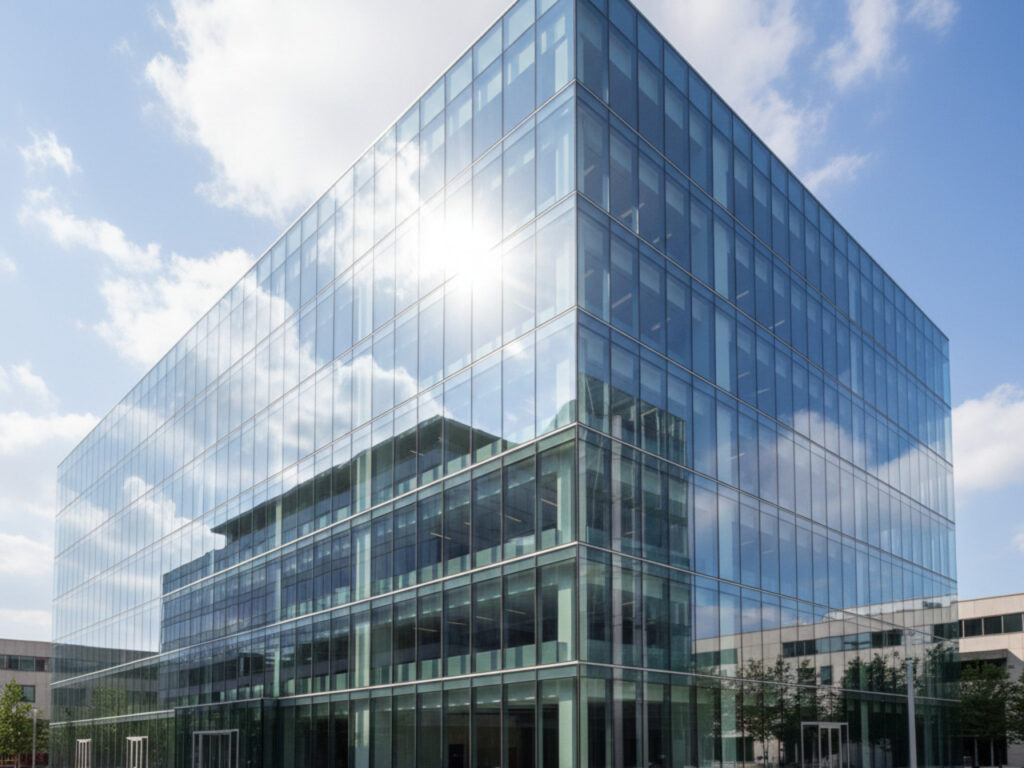
- Initial Investment: Window film typically costs a fraction of the price of new windows, including both material and labor. Full window replacement involves not only the cost of the new window units themselves, which can be considerable for high-performance models, but also significant expenditures for removal of old units, disposal fees, and potential repairs to surrounding wall structures. This clarifies the significant window replacement cost.
- Installation Costs: Film installation is a clean, quick process requiring minimal specialized equipment and fewer labor hours. Conversely, window replacement is a labor-intensive construction project that demands skilled trades, can take days or weeks per section, and often necessitates interior and exterior finishing work like painting or trim replacement.
- Long-Term Value: While new windows have a long lifespan, the immediate return on investment for film comes from its rapid implementation and the asset protection it provides to valuable interior assets, preventing costly replacements of faded merchandise or furnishings. The energy savings from improved thermal performance also contribute to long-term value, often providing a quicker payback period than the energy savings from new windows alone.
Minimizing Operational Disruption: Rapid Installation and Business Continuity
For any active commercial or residential property, minimizing operational disruption is paramount. Window replacement is inherently disruptive, often requiring cordoning off areas, generating noise and dust, impacting security, and potentially forcing temporary closures or relocation of occupants. Commercial window tinting installation, in contrast, is a far less intrusive process. It can often be completed during off-hours or in small sections, allowing normal operations to continue uninterrupted. This rapid installation directly translates to maintaining business continuity and avoiding costly downtime or tenant dissatisfaction.
Budget Control and Predictability: Delivering Projects On Time and Under Budget
Project managers prioritize predictability in both cost and timeline. Window film application offers superior budget control and predictability. It avoids the complexities of full window replacement. Film projects have a clear scope and fixed pricing. Predictable installation schedules prevent the unexpected issues of reconstruction. You avoid unforeseen structural damage and custom-sized replacements. This certainty allows for more accurate budgeting and scheduling. Ultimately, it helps deliver projects on time and under budget.
Long-Term Return on Investment: Protecting Inventory and Interior Assets
The return on investment (ROI) for 3M Window Film extends well beyond its initial cost savings. By blocking up to 99.9% of harmful UV rays, the film acts as an invisible shield, significantly extending the life and preserving the value of interior assets. This includes preventing the fading and deterioration of:
- Retail merchandise and displays
- Furniture, upholstery, and carpets
- Artwork and collectibles
- Wood flooring and cabinetry
Protecting these assets reduces the frequency and cost of replacement, maintains the aesthetic quality of the space, and helps preserve the integrity of goods, especially critical for retail or exhibition environments. This long-term asset protection contributes substantially to the overall financial health and operational efficiency of the property.
Beyond Fade Prevention: The Multi-Faceted Advantages of Solar Control Films
While UV blocking drives interest in advanced window films, their utility extends much further. High-performance solar control film offers a suite of operational advantages. These products address multiple comfort challenges within commercial properties. These films represent a strategic performance upgrade. They avoid the high expenditure and disruption of full window replacements.
Enhancing Energy Efficiency and Reducing HVAC Loads with Low-E Coating Benefits
A critical advantage of modern window films is their capacity to significantly improve a building’s energy efficiency. Many advanced solar control films incorporate low-emissivity (low-E) coatings. These specialized coatings are designed to reflect heat, keeping interiors cooler in summer by rejecting solar heat gain, and warmer in winter by retaining interior heat. This dual-action capability directly translates to reduced reliance on HVAC systems.
- Summer Performance: Films can block up to 79% of the sun’s heat, mitigating heat buildup and reducing the workload on air conditioning units. This can lead to substantial energy savings during peak cooling seasons.
- Winter Performance: By reducing heat transfer through glass, low-E films help maintain more stable indoor temperatures, leading to decreased heating costs.
- Operational Savings: For project managers, the quantifiable reduction in energy consumption directly impacts operational budgets, offering a compelling return on investment over the lifespan of the film.
Glare Reduction: Improving Occupant Comfort and Productivity in Workspaces
Excessive glare, especially in south- or west-facing offices, can significantly impede occupant comfort and productivity. Bright spots on computer screens, difficulty reading, and eye strain are common complaints that can detract from a workspace’s functionality. Window films are engineered to manage visible light, effectively reducing glare without drastically diminishing natural light.
- Enhanced Workspace Usability: By toning down harsh glare, films create a more uniformly lit environment, making screens easier to view and reducing the need for artificial lighting adjustments.
- Improved Employee Well-being: A comfortable visual environment contributes to higher occupant satisfaction and can positively influence productivity and morale.
- Tenant Attraction and Retention: For property managers, offering spaces with optimized natural light and reduced glare can be a key differentiator, enhancing the appeal and long-term value of the property.
Bolstering Security: The Added Shatter Resistance and Protection from Window Films
Beyond their solar control film properties, certain 3M Window Film products offer a significant security enhancement by increasing the shatter resistance of glass. These security films are designed to hold shattered glass in place, providing an invisible barrier that adds a crucial layer of protection.
- Delaying Forced Entry: In the event of an impact, the film keeps the glass fragments adhered to the film layer, making it much harder and slower for intruders to gain access. This provides valuable time for security personnel to respond.
- Mitigating Hazards from Natural Disasters: During severe weather events, such as high winds or seismic activity, films prevent glass from shattering into dangerous shards, protecting occupants from flying debris.
- Reduced Damage from Vandalism: Films can minimize damage from acts of vandalism, such as object impacts, by containing broken glass, simplifying cleanup, and potentially delaying replacement.
Maintaining Architectural Integrity and Aesthetic Appeal Without Major Renovations
One of the most compelling arguments for upgrading existing windows with film rather than replacing them entirely is the ability to preserve a building’s original architectural character. Window replacement can be a visually transformative process, potentially altering the intended aesthetic of a historic or architecturally significant structure.
- Preserving Original Design: Films are applied directly to existing glass, allowing the original frames, sashes, and glass profiles to remain untouched. This is particularly important for heritage buildings or those with unique fenestration.
- Seamless Integration: Modern films are virtually imperceptible once installed, ensuring that the building’s exterior and interior appearance is maintained. They offer performance upgrades without visual compromise.
- Avoiding Disruptive Construction: By foregoing full replacement, projects avoid the noise, dust, debris, and extensive scaffolding that can disrupt building operations and occupant activities for extended periods. This aligns perfectly with a project manager’s goal of minimal disruption.
Strategic Specification: Choosing and Implementing the Right 3M Film Solution
Selecting and implementing the appropriate 3M film solution for a commercial project requires a systematic approach, moving beyond generic product comparisons to a data-driven process centered on specific performance needs. Effective specification ensures the chosen film delivers maximum value and meets predefined project objectives.
Assessing Project-Specific Needs: Identifying Key Challenges and Performance Requirements
The initial step in any film specification process involves a thorough assessment of the building’s unique characteristics and the specific challenges it faces. This diagnostic phase helps to pinpoint the most critical performance criteria the film must address.
- Identify Primary Pain Points: Is the main issue excessive heat gain, glare, UV fade, security vulnerabilities, or a combination?
- Analyze Building Orientation and Sun Exposure: Different facades will have varying solar loads and light exposure, influencing film selection.
- Review Existing Glass Types: The type of glazing (e.g., clear, tinted, low-E, single-pane, double-pane) will dictate which films are compatible and most effective.
- Consider Occupant Activities and Comfort: Offices, retail spaces, museums, or residential units each have distinct requirements for light, temperature, and security.
- Establish Budget and ROI Goals: Define the desired energy savings, payback period, and overall investment parameters.
Navigating 3M Film Options: Understanding VLT, Reflectivity, and Performance Metrics
3M offers a diverse portfolio of window films, each engineered with specific performance characteristics. Understanding key metrics is crucial for making an informed selection that aligns with project requirements.
- Visible Light Transmittance (VLT): This metric indicates how much visible light passes through the glass. A higher VLT means more light, while a lower VLT reduces brightness and glare. The ideal VLT depends on desired aesthetic and glare reduction needs.
- Reflectivity (Interior/Exterior): Reflectivity refers to the amount of light reflected by the film. Exterior reflectivity affects a building’s outward appearance and can provide daytime privacy. Interior reflectivity influences internal aesthetics and potential “mirror” effects.
- Solar Heat Gain Coefficient (SHGC): SHGC measures how much solar heat is transmitted through the window. Lower SHGC values mean less heat enters the building, leading to greater energy savings.
- U-factor: This measures how well a window prevents heat from escaping a building. Lower U-factor values indicate better insulation properties, particularly relevant for winter heat retention.
- UV Rejection: Quantifies the percentage of ultraviolet rays blocked by the film, directly correlating to fade prevention capabilities. 3M films typically block 99% of harmful UV rays.
A consultative approach with a certified film expert can help interpret these metrics and identify the optimal 3M Window Film series (e.g., Prestige, Ceramic, Night Vision, Safety & Security) for the project’s specific blend of performance needs and aesthetic goals.
The Critical Role of Professional Installation: Ensuring Optimal Performance and Longevity
Even the highest quality 3M Window Film will only perform to its full potential if installed correctly. Professional installation is not merely a recommendation. It is an absolute necessity for achieving the specified performance metrics, maintaining product warranty, and ensuring the aesthetic integrity of the application.
- Precision Application: Certified installers possess the specialized tools, techniques, and training required to apply films smoothly, without bubbles, creases, or misalignment.
- Environmental Control: Professionals understand the optimal environmental conditions (temperature, humidity, dust control) necessary for a flawless and lasting bond between the film and glass.
- Adherence to Manufacturer Specifications: Correct installation ensures the film performs according to 3M’s stringent specifications, delivering the promised heat rejection, UV protection, and glare reduction.
- Warranty Validation: 3M’s comprehensive warranties for their films are typically contingent upon professional installation by an authorized dealer. Improper installation can void these valuable protections.
Partnering with Expertise: Why the Installer Choice Matters for Commercial Projects
For commercial project managers, selecting the right film installer is as crucial as choosing the film itself. The installer acts as a vital partner, bridging the gap between product specification and project execution. A skilled and reputable installer ensures a smooth process, adherence to timelines, and ultimately, client satisfaction.
- 3M Authorized Dealers: Prioritize installers who are authorized 3M dealers. This designation signifies they have undergone rigorous training, meet 3M’s high standards, and have access to the latest products and technical support.
- Experience with Commercial Scale: Look for installers with a proven track record of successfully completing commercial projects similar in scope and complexity to yours.
- Project Management Capabilities: A professional installer should demonstrate strong project management skills, including clear communication, efficient scheduling, and adherence to site protocols.
- Comprehensive Service Offering: The best partners offer end-to-end service, from initial consultation and performance analysis to expert installation and post-installation support. They should be able to provide detailed proposals, site assessments, and mock-ups.
The Best Vinyl Windows UV Protection Fade Prevention – Key Takeaways
The goal of preventing interior fading and protecting valuable assets from harmful UV radiation does not inherently demand the high cost and extensive disruption of full window replacement. For project managers navigating tight budgets and strict timelines, advanced window film technology presents a strategically superior investment, offering a targeted and highly effective solution for UV protection and fade prevention.
A Smarter Approach to Fade Prevention and Asset Protection
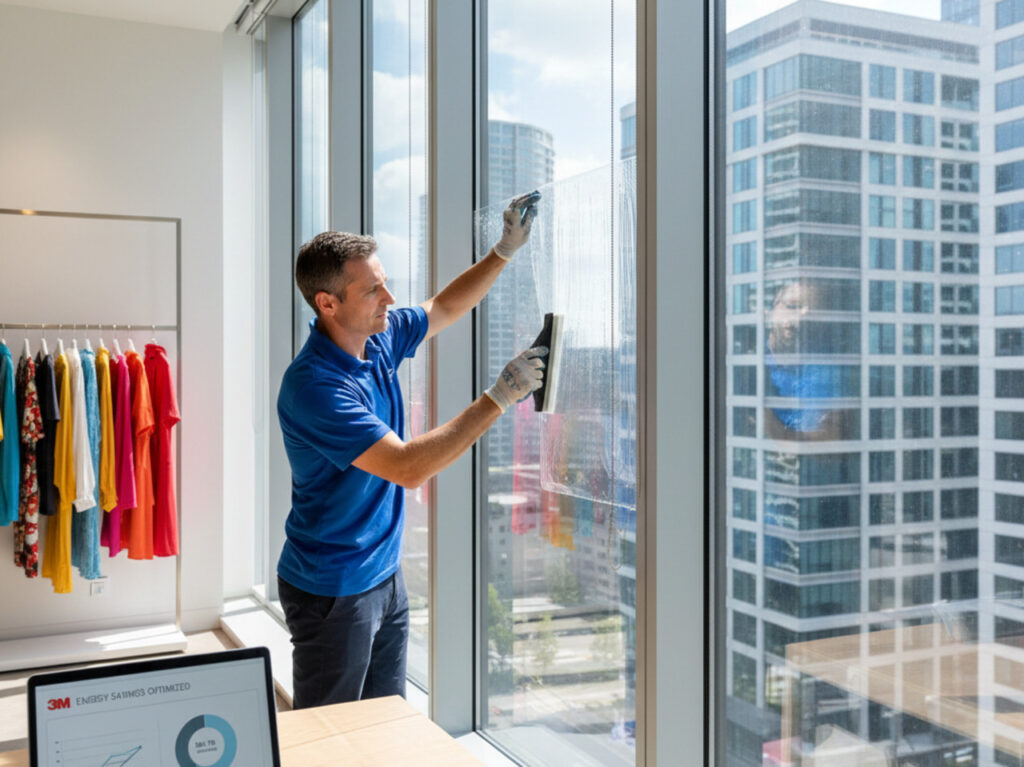
Our analysis confirms that 3M UV film achieves protection goals efficiently. It is more economical than buying new windows. Project managers can implement a precise, surgical enhancement. This avoids an expansive and unnecessary overhaul. The film preserves the structural integrity of existing windows. It delivers quantifiable improvements in UV mitigation and glare reduction. It also boosts energy efficiency. This ‘enhance, don’t replace’ philosophy aligns with sustainable practices. It ensures resources yield the greatest return for specific objectives.
Key Advantages for Project Managers
For project managers focused on delivering high-quality renovations on time and under budget, the strategic application of advanced window film offers distinct advantages:
Budgetary Efficiency
Applying high-performance window film typically represents a fraction of the cost of replacing commercial windows. This significant cost saving frees up capital for other critical project components, directly contributing to overall budget adherence and potentially allowing for investment in additional upgrades. The quicker installation also minimizes labor costs and reduces financial contingencies often associated with longer, more complex projects.
Operational Speed and Minimal Disruption
Window film installation is a considerably faster process than window replacement. This translates into shorter project timelines, fewer logistical challenges, and substantially reduced disruption to building occupants or ongoing operations. There is no need for extensive demolition, structural modifications, or prolonged site closures, ensuring projects can be completed with maximum efficiency and minimal impact.
Proven Performance and Durability
Advanced 3M Window Film is engineered for long-term performance. It offers exceptional UV rejection rates. These rates far exceed the capabilities of standard glass. The films come with robust warranties. This provides peace of mind regarding durability. It also ensures consistent protective qualities. Data-backed performance ensures the investment delivers lasting value. This safeguards interiors and maintains asset integrity for years.
Your Path to an Optimized Solution
To effectively leverage advanced window film technology for your next project, consider these strategic next steps:
Professional Assessment and Consultation
Engage with certified window film specialists for a comprehensive site evaluation. They can assess your existing window conditions, identify specific solar performance challenges, and recommend the optimal 3M film solutions tailored to your project’s unique requirements and performance goals. This expert consultation ensures that the selected film precisely addresses your fade prevention and UV protection needs.
Tailored Cost-Benefit Analysis
Request a detailed proposal that outlines the specific costs and projected benefits of applying advanced window film versus the alternative of full window replacement. A thorough analysis will demonstrate the long-term savings, energy efficiency gains, and accelerated return on investment that film technology provides, reinforcing its position as the fiscally prudent choice.
Certified Installation Partnership
Partnering with factory-trained and certified installers is crucial for guaranteeing optimal film performance and preserving warranty validity. Expert installation ensures precise application, seamless integration with existing windows, and the full realization of the film’s protective and aesthetic benefits. This partnership guarantees a high-quality outcome that meets professional standards and project expectations.
Frequently Asked Questions
What are the main causes of fading in commercial spaces?
Fading is primarily caused by ultraviolet (UV) radiation, which accounts for 40-60% of damage. Visible light contributes another 25-30%, and solar heat makes up 10-25%. A comprehensive fade prevention strategy must address all three factors.
How effective is commercial window film for UV protection compared to new windows?
High-performance commercial window film, such as 3M UV blocking film, can reject up to 99.9% of harmful UV rays. This is often comparable to, or even exceeds, the UV blocking capabilities of many new vinyl windows with low-e coatings, providing superior fade prevention for interior assets.
What is the typical cost of replacing commercial windows versus installing window film?
The cost of replacing commercial windows is significantly higher due to material costs, specialized labor, disposal fees, potential structural repairs, and operational disruption. Installing commercial window film is a fraction of this cost, offering a more budget-friendly solution with a faster return on investment and minimal business interruption.
Can 3M Prestige Series Film provide energy savings in addition to fade prevention?
TYes, the 3M Prestige Series film is an advanced solar control film that not only offers excellent UV protection and fade prevention but also significantly enhances energy efficiency. It rejects a high percentage of solar heat, reducing cooling loads in summer, and features a low-E coating to retain heat in winter, contributing to year-round energy savings.
How does window film affect a building’s architectural integrity?
Window film is applied directly to existing glazing, preserving the original frames, sashes, and aesthetic character of the building. Unlike full window replacement, which can alter the intended design, particularly in historic or architecturally significant structures, window film offers performance upgrades without visual compromise or disruptive renovations.