The Basics of UV Radiation: Understanding UVA and UVB and Their Impact
To effectively protect commercial interior assets, a fundamental understanding of ultraviolet (UV) radiation is essential. Sunlight contains two primary forms of UV radiation that impact interior spaces: UVA and UVB. Both are invisible to the naked eye but carry significant energy that can cause cumulative damage.
- UVA (Ultraviolet A) radiation comprises the majority of the UV light that penetrates standard window glass. These longer wavelengths are a primary culprit behind fading and degradation of interior furnishings, artwork, textiles, and merchandise. UVA penetrates deeper into materials, slowly breaking down chemical bonds and pigments, leading to irreversible damage over time.
- UVB (Ultraviolet B) radiation has shorter wavelengths and is more commonly associated with sunburn and direct skin damage. While glass blocks most UVB rays, the penetrating portion still contributes to material degradation. This occurs to a lesser extent than UVA rays but remains a significant factor.
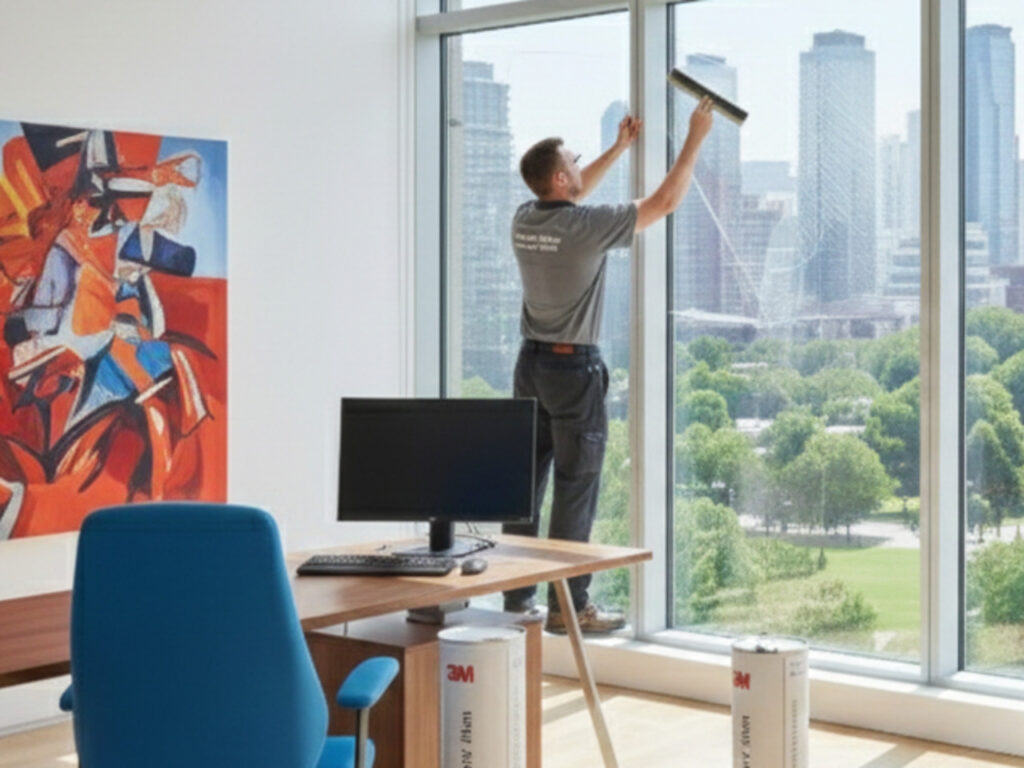
Persistent UVA and residual UVB exposure cause a slow but steady process of deterioration for any unprotected interior space. This continuous degradation diminishes the lifespan and aesthetic value of valuable client assets within the building environment.
Inherent UV Blocking Capabilities of Standard Glazing and Vinyl Frames
Standard clear glass, commonly used in commercial windows, inherently blocks nearly all UVB radiation. This is a common point of confusion, often leading to the assumption that such windows offer comprehensive UV protection. However, the critical distinction lies in UVA. Standard clear glass typically allows a significant portion of UVA radiation, often 30-50%, to pass through. While this provides a baseline level of filtering, it is far from complete.
Vinyl window frames are excellent at blocking UV radiation, often rejecting close to 100% of rays. However, these frames only constitute the perimeter of the window opening. The vast majority of light and radiation enters through the glass pane itself. Therefore, glass performance remains the primary concern for interior asset protection. Relying on opaque frame material for protection misdirects focus from the actual pathway of damaging rays.
The Misconception: Why “Some Protection” Is Not “Enough Protection”
The critical misconception often encountered in commercial project planning is equating “some protection” with “sufficient protection.” While standard windows do offer a degree of UV filtering, this inherent capability is fundamentally inadequate for environments housing valuable or sensitive assets. Consider a scenario where a window blocks 60% of UVA. This still means 40% of harmful UVA radiation is consistently entering the space, day after day, year after year.
For a construction manager like Paul, understanding that even a seemingly small percentage of unfiltered UV radiation leads to cumulative, irreversible damage is paramount. High-end retail displays, custom office furnishings, priceless artwork, or specialized flooring materials represent significant investments for clients. Their accelerated fading, discoloration, or structural degradation due to inadequate UV protection directly impacts client satisfaction and the long-term value of the property. Relying on baseline protection is a significant risk that professional projects cannot afford.
Beyond Low-E: Unpacking the Actual UV Performance of Modern Glazing in a Vinyl Windows UV Protection Comparison
The Role of Low-Emissivity (Low-E) Coatings in Solar Control and Heat Management
Modern glazing technologies frequently incorporate Low-Emissivity (Low-E) coatings, which play a crucial role in enhancing a building’s energy performance. These microscopic, metallic layers are applied to one or more surfaces of a window’s glass panes. Their primary function is to reflect infrared (heat) radiation, thereby improving a window’s insulating properties. In colder climates, Low-E coatings help keep heat inside the building by reflecting indoor radiant heat back into the room. In warmer climates, they reflect external solar heat away from the building, reducing cooling loads.
This technology is incredibly effective for energy efficiency, directly addressing client demands for improved building performance and reduced operational costs. Many Low-E coatings also provide an incidental benefit of reducing some UV transmission, particularly shorter wavelengths. However, this UV reduction is often a secondary effect, not their primary design purpose.
Differentiating Between Thermal Performance and Comprehensive UV Protection
It is crucial to differentiate between a window’s thermal performance and its ability to provide comprehensive UV protection. A window can achieve excellent thermal ratings, for example, a low U-factor or Solar Heat Gain Coefficient, thanks to its Low-E coating, making it highly energy-efficient. Yet, this same window might still allow a substantial amount of damaging UVA radiation to penetrate.
Thermal performance metrics primarily measure how well a window insulates and controls solar heat gain. They do not directly quantify a window’s capacity to block specific wavelengths of UV light. For Project Manager Paul, this distinction is vital for meeting specific and diverse client demands. A client seeking energy efficiency might be satisfied with Low-E glass alone. However, clients protecting valuable interior assets need to understand that thermal efficiency does not equate to UV safeguarding. Without a clear distinction, an expectation gap can form, leading to costly issues later.
The Limitations of Common Glazing Technologies for Preventing Fading and Degradation
Despite advancements in glazing technology, common solutions still present limitations when it comes to preventing material degradation. Even premium double-pane windows with advanced Low-E often only block 70-85% of UVA rays. While this improves upon standard clear glass, it leaves a significant portion of destructive radiation unblocked. This remaining UV energy continuously assaults interior materials, leading to inevitable fading and damage over time.
The issue of fading and degradation is cumulative. Even seemingly small percentages of persistent UV exposure over years can lead to significant and irreversible damage to:
- Fabric and upholstery: Fading, weakening, and embrittlement.
- Wood finishes: Discoloration, cracking, and loss of luster.
- Artwork and photographs: Irreversible pigment degradation and yellowing.
- Retail merchandise: Decreased appeal and perceived value due to sun damage.
Standard glazing technologies are not designed with a primary focus on near-total UV rejection, 99% or more. Their primary engineering goals revolve around structural integrity, thermal performance, and optical clarity. Consequently, relying solely on the inherent UV filtering of even modern, energy-efficient windows leaves valuable commercial interiors vulnerable to the very damage clients are seeking to prevent. This gap highlights why specialized solutions are not merely an enhancement but a necessary upgrade for true asset protection.
The Unseen Threat: Why Standard Windows Fall Short in Commercial Asset Protection
For many commercial projects, the assumption persists that standard window installations adequately protect interiors from the sun’s harmful rays. This is a critical misconception. While modern windows offer some inherent UV filtration, their performance pales in comparison to the comprehensive protection required to safeguard valuable assets and maintain the long-term integrity of a commercial space. Understanding this fundamental shortfall is the first step toward implementing a truly effective protection strategy.
The Cumulative Damage of UV Rays on Interior Finishes, Furnishings, and Inventory
The sun’s ultraviolet (UV) radiation is a relentless force, silently degrading virtually every material it touches. In a commercial environment, this translates to significant and costly damage over time. Interior finishes like paint, wallpaper, and flooring can fade, discolor, or become brittle. Furnishings like textiles, leather, and wood lose their vibrancy and structural integrity through premature aging. This leads to an overall diminished appearance that negatively impacts the aesthetic value of the space. Retail spaces face the added challenge of inventory depreciation from direct sunlight exposure. Items displayed in windows can become unsellable due to fading or rapid material alteration. This cumulative damage is often insidious, becoming noticeable only after irreversible harm has occurred. Such deterioration necessitates costly replacements that cut into a project’s long-term value.
Understanding the Impact of UV Exposure on Occupant Comfort and Health
Beyond material degradation, unchecked UV exposure has direct implications for the health and comfort of occupants. Prolonged radiation exposure is a well-documented contributor to various serious health issues. These risks include skin damage, premature aging, and an increased risk of certain cancers. For the eyes, it can contribute to conditions like cataracts and macular degeneration. In a commercial setting, this translates to potential liability concerns and impacts occupant well-being. Glare and excessive heat gain from unfiltered sunlight also significantly reduce general comfort levels. This leads to employee dissatisfaction and potentially distracts valuable customers or clients. Creating an environment that prioritizes health is a strategic investment in a building’s human capital.
Addressing the Economic Consequences of Asset Degradation Due to UV Exposure
The economic ramifications of inadequate UV protection are substantial, often manifesting as unforeseen operational costs and reduced asset lifespan. Projects managers like Paul recognize that client satisfaction hinges on delivering durable, high-value spaces. When interior assets degrade prematurely due to UV exposure, the need for frequent repairs or replacements drives up maintenance budgets. Retailers may experience significant losses from unsellable merchandise, while offices face the expense of replacing faded furniture and worn flooring. Furthermore, the overall aesthetic decline of a space due to sun damage can negatively impact its perceived value, desirability, and even rental income potential. The hidden costs associated with UV damage can quickly erode profit margins and compromise the long-term financial viability of a commercial property.
Bridging the Protection Gap: A Data-Driven Comparison of Vinyl Windows vs. Professional 3M Films
Understanding the limitations of standard windows is crucial. The solution lies in a data-backed approach to protection. While vinyl windows offer some inherent resistance, professional-grade window films deliver a level of performance that fundamentally alters a building’s protective capabilities. This gap represents a critical distinction for any project seeking comprehensive asset preservation and enhanced occupant experience.
Quantifying UV Blocking: A Performance Benchmark for Standard Vinyl Windows UV Protection Comparison vs. Advanced 3M Films
The performance disparity between standard vinyl windows and advanced 3M window films is both substantial and quantifiable. While modern insulated glass units block some radiation, this protection is often insufficient for comprehensive asset preservation. Most standard window glass blocks around 50-70% of UVA, allowing damaging rays to penetrate. In stark contrast, 3M Sun Control Window Film rejects up to 99.9% of all UV rays. This near-total blockage provides a level of defense that standard windows simply cannot match. This technology dramatically mitigates the fading and degradation of interior finishes, furnishings, and inventory. For Project Manager Paul, this represents a benchmark that directly translates into extended asset life for clients.
The Science Behind 3M Sun Control Films: Spectrally Selective Technology and UV Filtration
The superior performance of 3M Sun Control Films is rooted in advanced material science, specifically leveraging spectrally selective films technology. These films are not merely tinted; they are constructed with multiple micro-layers of polyester and other materials, often less than the thickness of a Post-it® Note. This intricate construction allows the films to be optically clear while precisely targeting and rejecting specific portions of the solar spectrum.
- Targeted Rejection: The films are designed to block harmful UV radiation (both UVA and UVB) and a significant portion of infrared (heat) radiation, which contributes to solar heat gain.
- Visible Light Transmission: Crucially, this selective rejection allows a high percentage of visible light to pass through, maintaining natural brightness and views without the need for heavily tinted, dark windows.
- Durability and Longevity: The robust construction ensures long-lasting performance, resisting bubbling, peeling, and discoloration over many years, a testament to 3M’s extensive research and development.
This sophisticated approach to light management provides comprehensive protection without compromising the aesthetics or natural illumination of a space, directly addressing Project Manager Paul’s client demands for a solution that enhances energy efficiency and protection without altering the building’s exterior appearance.
Comprehensive Protection: Addressing UVA, UVB, and Mitigating Solar Heat Gain
The true value of professional 3M films lies in their comprehensive approach to solar management. Unlike standard windows that offer partial or incidental UV protection, 3M films provide a robust barrier against the full spectrum of harmful UV radiation. UVA rays penetrate deeper into materials and contribute significantly to fading and material breakdown, while UVB rays are primarily responsible for sunburn and some biological damage. By blocking almost 100% of both, these films offer an unmatched level of preservation for all interior assets.
Furthermore, these films are highly effective at mitigating solar heat gain. By rejecting up to 97% of the sun’s heat-producing infrared rays, 3M Sun Control Films help maintain more consistent indoor temperatures, significantly reducing the load on HVAC systems. This translates directly into lower energy consumption and operational costs, providing a substantial return on investment for building owners. For Project Manager Paul, this means delivering a project that not only protects valuable interiors but also significantly enhances the building’s energy efficiency and occupant comfort, aligning perfectly with client demands for sustainable, high-performance commercial spaces.
Seamless Integration: Enhancing Existing Vinyl Windows with Professional 3M Film
While the inherent UV-filtering capabilities of vinyl windows are limited, their structural integrity and thermal performance can often be excellent. The strategic application of professional-grade 3M window film for vinyl windows provides a highly effective and cost-efficient method to bridge this performance gap, transforming standard vinyl glazing into a robust barrier against harmful UV radiation and other environmental stressors. This approach allows project managers like Paul to significantly upgrade a building’s protective qualities without incurring the substantial costs and disruptions associated with full window replacement. This is how to increase UV protection in windows for commercial properties.
Addressing Warranty Concerns: Compatibility of 3M Films with Vinyl Glazing and Window Systems
A common and valid concern for any project manager considering window film for existing installations is its compatibility with current window systems and the potential impact on manufacturer warranties. 3M, as a leading innovator in film technology, has meticulously engineered and rigorously tested its films to ensure broad compatibility. Their product lines include specific formulations designed to interact safely with various glazing types and frame materials, including vinyl.
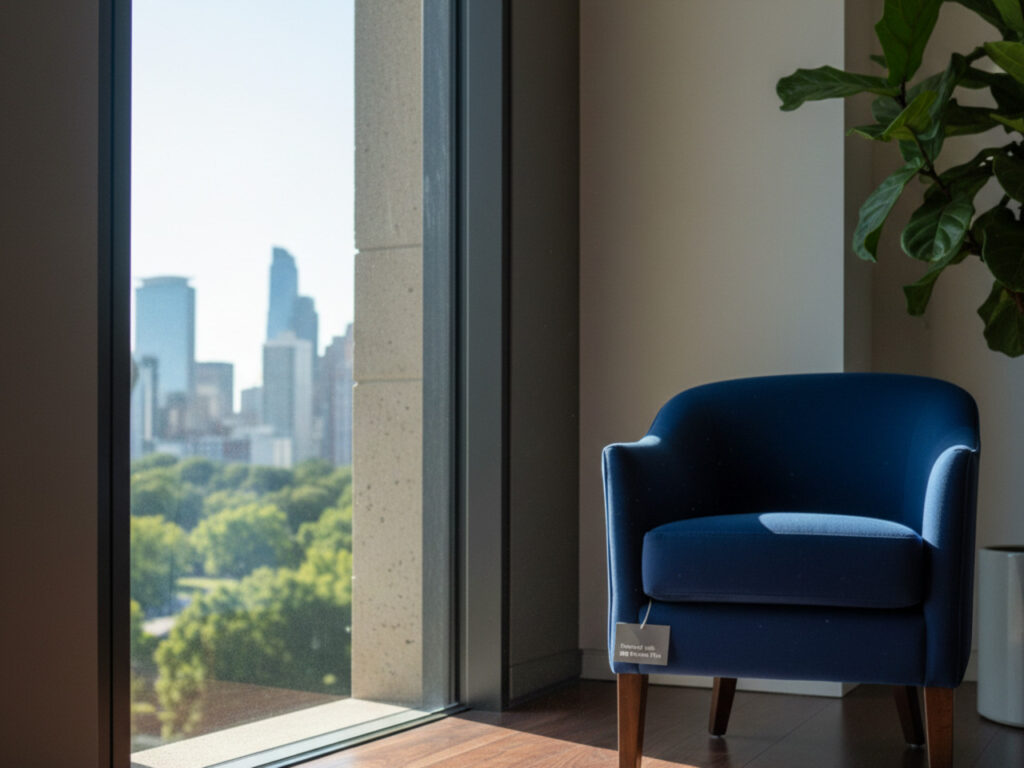
- Manufacturer Protocols: 3M works closely with major window manufacturers to understand material compositions and thermal properties. This collaboration informs the development of films that minimize thermal stress on the glass and frame, a primary factor in warranty considerations.
- Thermal Stress Mitigation: Certain 3M films are specifically designed with lower absorption rates to prevent excessive heat buildup in the glass, which could otherwise put stress on seals and frames.
- Certified Installation Mandate: To ensure these protections and maintain any applicable warranties, professional installation by 3M-certified technicians is not merely recommended but often a prerequisite. These experts are trained in the correct application techniques and film selection criteria.
By adhering to 3M’s guidelines and utilizing certified installers, project managers can confidently specify these films, knowing that the enhanced protection will not compromise the long-term integrity or warranty of the existing vinyl window system.
The Professional Advantage: Installation Process, Durability, and Maintenance
The distinction between a DIY window film application and a professionally installed 3M film is profound, especially in a commercial setting. Professional installation ensures optimal performance, longevity, and a pristine aesthetic finish that untrained application simply cannot replicate.
Precision Installation for Peak Performance
Certified 3M installers bring a level of expertise critical to achieving the film’s advertised benefits. Their process typically involves:
- Thorough Surface Preparation: Meticulous cleaning and inspection of the glass ensure perfect adhesion and prevent contaminants from being trapped beneath the film.
- Exact Cutting and Fitting: Films are custom-cut to precise dimensions, allowing for seamless edge-to-edge coverage without unsightly gaps or overlaps.
- Controlled Application Environment: Installers manage humidity and temperature to facilitate proper drying and prevent bubbling or delamination.
Engineered for Enduring Performance
3M films are not mere temporary coverings. They are engineered for commercial-grade durability. Their multi-layer construction incorporates scratch-resistant coatings, UV inhibitors within the film itself, and advanced adhesive systems designed to withstand years of exposure to environmental elements without peeling, bubbling, or discoloration. When properly installed, these films are designed to last for decades, providing consistent performance throughout their lifecycle.
Minimal Maintenance Requirements
Once installed, 3M window films require very little special maintenance. Standard non-abrasive window cleaning solutions and soft cloths are typically sufficient. The smooth, durable surface resists scratching and makes cleaning straightforward, ensuring that the visual clarity and performance benefits remain intact with routine building maintenance protocols.
Maintaining Aesthetic Integrity While Significantly Boosting Performance
One of the most compelling advantages of modern 3M window films is their ability to deliver exceptional performance enhancements without compromising the architectural aesthetics of a building. For Project Manager Paul, this means meeting client demands for both functionality and visual appeal.
Many 3M film series are engineered to be virtually imperceptible once applied. These optical-grade films offer high light transmission, preserving the natural daylighting and views that are often critical design elements. They achieve superior UV rejection and often significant solar heat reduction through advanced selective filtering technologies, rather than by relying on dark tinting or reflective coatings.
Conversely, for applications where a specific aesthetic or increased privacy is desired, 3M offers films that can subtly alter the glass appearance, providing a uniform, professional look while still delivering the core performance benefits. This flexibility ensures that whether the client seeks an invisible layer of protection or a nuanced design enhancement, there is a 3M film solution that aligns perfectly with the project’s aesthetic goals while dramatically boosting the window system’s performance metrics.
Strategic Specification: Guiding Your Clients to Optimal UV Protection Solutions
Moving beyond the technical merits of film application, the true value for a construction manager lies in strategically integrating these solutions into project specifications. This involves a comprehensive understanding of client needs and the nuanced performance capabilities of various 3M film products. By adopting a consultative approach, Paul can position these film solutions as multi-faceted enhancements that deliver substantial long-term value.
Assessing Client Needs: Beyond UV to Energy Efficiency, Security, and Glare Reduction
While UV protection is a critical driver for considering window film, savvy project managers recognize that a single film application can address a broader spectrum of client requirements. This holistic perspective allows for a more compelling value proposition. When engaging with clients, consider the following integrated benefits for commercial window tinting benefits:
- Energy Efficiency: Many 3M solar control films significantly reduce solar heat gain, leading to lower HVAC loads and substantial energy cost savings, which directly impacts a building’s operational budget.
- Security: Safety and security films enhance glass shatter resistance, providing a deterrent against forced entry, protecting occupants from broken glass in accidents or natural disasters, and mitigating smash-and-grab theft.
- Glare Reduction: Films can dramatically cut down on uncomfortable glare, improving occupant comfort, productivity in office environments, and reducing eye strain, particularly in spaces with significant digital screen use.
- Privacy: Specialized decorative or reflective films can offer varying degrees of privacy without sacrificing natural light or requiring blinds and drapes.
By framing window film as a comprehensive building envelope solution that addresses these diverse needs simultaneously, Paul can demonstrate a deeper understanding of client priorities, moving beyond a single problem to a multi-benefit solution.
Selecting the Right 3M Film Series for Specific Commercial Applications and Building Envelopes
The breadth of 3M’s film portfolio means that “a window film” is rarely a one-size-fits-all solution. Proper specification requires matching the film’s unique characteristics to the specific demands of the commercial application and the building’s architectural design.
- Solar Control Films: For buildings primarily concerned with heat management and energy efficiency, series like 3M Sun Control Films offer various levels of solar heat rejection and visible light transmission, from clear films that maximize light to tinted options for greater solar control.
- Prestige Series: These advanced films are ideal for preserving natural aesthetics, offering superior heat rejection and UV blocking with virtually no visible change to the window’s appearance, making them perfect for high-end retail, museums, or architectural landmarks.
- Safety and Security Films: For areas requiring enhanced protection against impact, break-ins, or natural disasters, 3M Safety & Security Films provide varying thicknesses and strengths to hold shattered glass together, increasing safety and deterring intruders.
- Anti-Graffiti Films: In high-traffic urban environments, these sacrificial films protect glass from etching, scratching, and vandalism, offering a cost-effective alternative to glass replacement.
Understanding the specific performance metrics for each film type, such as UV rejection rates, total solar energy rejected (TSER), visible light transmittance (VLT), and shatter resistance ratings, is crucial. This allows Paul to make data-backed recommendations that precisely meet the client’s performance specifications and aesthetic preferences for each unique building envelope.
Partnering with Certified Installers for Expert Consultation and Guaranteed Project Success
The ultimate success of any window film project hinges not only on the quality of the 3M product but equally on the expertise of the installation team. Partnering with 3M Certified Installers is a non-negotiable step to guarantee optimal performance, warranty validity, and client satisfaction.
Certified installers are not merely technicians. They are specialized consultants who can provide invaluable guidance from the initial assessment through to post-installation support. Their benefits include:
- Deep Product Knowledge: They possess comprehensive training on all 3M film series, allowing them to recommend the most appropriate film for specific client needs and architectural considerations.
- Precise Application: Their specialized tools, techniques, and experience ensure a flawless, bubble-free installation that maximizes the film’s lifespan and maintains its aesthetic integrity.
- Warranty Assurance: 3M product warranties are typically honored only when films are installed by certified professionals, providing Paul and his clients with peace of mind regarding long-term performance.
- Troubleshooting and Support: Should any issues arise, certified installers are equipped to provide prompt and effective resolution, upholding the project’s quality standards.
By embedding the requirement for 3M Certified Installers into project specifications, Paul ensures that his clients receive a robust, high-performance solution that delivers on all promised benefits, reinforcing his reputation as a detail-oriented and value-driven project manager.
Conclusion: Elevating Asset Protection and Project Value with Advanced Film Technology
While contemporary vinyl window systems improve over older glazing technologies, they offer only a baseline level of filtration. Project managers must recognize their specific limitations regarding comprehensive asset protection for high-value commercial properties. Relying solely on factory-installed UV filtering presents a substantial risk of irreversible damage from solar radiation.
This risk remains often unrecognized until the structural integrity or aesthetic value of interior furnishings is already lost. For projects where long-term preservation of merchandise or artwork is paramount, standard vinyl windows are simply insufficient. A clear comparison reveals the performance disparity between these baseline systems and advanced professional-grade solutions.

The solution lies in integrating professional-grade 3M window films as a non-negotiable performance upgrade. These advanced films are engineered not merely as an add-on, but as a strategic component designed to significantly surpass the UV rejection capabilities of standard windows. By blocking up to 99.9% of harmful UVA and UVB rays, 3M film technology delivers a level of protection that standard glazing cannot achieve, ensuring that interior assets remain vibrant and structurally sound for years to come.
A Strategic Investment in Client Satisfaction and Building Value
Incorporating professional 3M window film directly addresses the multi-faceted demands of discerning clients, transforming a good project into an exceptional one. For Project Manager Paul and his team, this means meeting and exceeding specific client requirements across several critical areas:
- Unparalleled UV Protection: The primary benefit, safeguarding against fading, discoloration, and degradation of fabrics, finishes, wood, and other valuable interior components. This preserves the aesthetic and monetary value of a client’s investment.
- Enhanced Energy Efficiency: Many advanced films also offer significant solar heat rejection, reducing cooling loads and contributing to lower operational costs. This aligns with modern sustainability goals and offers tangible economic benefits.
- Improved Interior Comfort: By mitigating hot spots and reducing glare, films create a more comfortable and productive interior environment for occupants, a key factor in tenant satisfaction.
- Aesthetic Preservation: Unlike some window treatments, 3M films are often virtually undetectable, maintaining the building’s original design intent and window clarity while delivering superior performance. This ensures that the aesthetic vision of the project is not compromised.
- Added Security and Safety (Certain Film Types): Beyond UV and energy benefits, specific 3M safety and security films can add a layer of shatter resistance, protecting occupants and assets from impact and break-ins.
Ultimately, integrating advanced 3M window film technology is more than a mere specification. It is a strategic decision that elevates the overall value proposition of any commercial construction project. It assures clients of a thoughtfully designed space where assets are protected, energy is conserved, and comfort is maximized, solidifying the project’s long-term success and your reputation as a forward-thinking project leader.
Frequently Asked Questions
What UV protection do vinyl windows offer compared to window film?
Standard vinyl windows, while blocking most UVB, typically allow 30-50% of harmful UVA radiation to pass through. Professional-grade window films, particularly 3M Sun Control Window Films, are engineered to block up to 99.9% of both UVA and UVB rays, offering a significantly higher level of protection against fading and degradation.
Can 3M window film be applied to existing vinyl windows?
Yes, 3M window film is specifically designed for broad compatibility with various glazing types, including existing vinyl window systems. 3M works closely with manufacturers to ensure safe application without compromising window integrity or warranties, especially when installed by 3M-certified professionals. This is an effective way to increase UV protection in windows.
What are the main benefits of commercial window tinting beyond UV protection?
Commercial window tinting benefits extend beyond superior UV protection. It significantly reduces solar heat gain, leading to improved energy efficiency and lower HVAC costs. It can also enhance occupant comfort by reducing glare, increase security by making glass shatter-resistant, and offer aesthetic benefits like privacy or maintaining a building’s natural appearance.
Do Low-E coatings on windows provide enough UV protection?
While Low-E coatings primarily improve a window’s thermal performance and can offer some incidental UV reduction, they are not designed for comprehensive UV protection. Even advanced Low-E windows often still allow 15-30% of damaging UVA rays to penetrate, which is insufficient for preventing cumulative fading and degradation of interior assets.
How does 3M window film maintain a building’s aesthetic while providing protection?
Many 3M window films, such as the Prestige Series, utilize spectrally selective technology to block UV and reject heat without significantly altering the visual appearance of the glass. They maintain high visible light transmission, preserving natural light and views, making them virtually imperceptible while delivering superior performance.