Table of Contents:
- Deconstructing 3M UV Window Film: A Technical Deep Dive into Superior Protection
- Beyond UV Blockage: Comprehensive Performance for Enhanced Building Value
- Strategic Specification: A Project Manager’s Guide to Selecting the Right 3M Film
- The Expertise Advantage: Partnering for Flawless Execution and Guaranteed Performance
- Conclusion: Elevating Commercial Projects with Intelligent UV Protection
- Frequently Asked Questions
- Related Posts from Window Film Depot
Understanding the Silent Threat: How UV Radiation Degrades Commercial Assets
Ultraviolet (UV) radiation, particularly UVA and UVB rays, acts as a potent catalyst for degradation in virtually all organic and many inorganic materials. This silent threat initiates a process known as photodegradation, where the high-energy photons break down chemical bonds within materials. Over time, this leads to irreversible changes such as color fading, embrittlement, loss of structural integrity, and reduced material lifespan. The continuous exposure of commercial interiors to unfiltered sunlight ensures that this destructive process is always underway.
This damage often remains unnoticed until it becomes substantial and irreversible.

Beyond Aesthetics: The Financial Impact of Premature Fading and Material Deterioration
The impact of UV damage extends far beyond mere aesthetics; it translates directly into significant financial loss for commercial property owners. Premature fading of carpets, upholstery, artwork, and retail merchandise necessitates earlier replacement cycles, increasing operational expenditure and decreasing asset value. For a retail establishment, discolored products on display can diminish perceived value and lead to markdowns or unsellable inventory. This accelerated depreciation of interior assets represents a quantifiable economic burden that standard architectural glass fails to mitigate effectively.
Addressing Client Demands for Long-Term Value and Maintenance Reduction
Project managers are tasked with delivering buildings that meet immediate functional needs and offer sustainable, long-term value. Clients today expect solutions that reduce maintenance overhead and protect their investments. Specifying advanced UV protection window film directly addresses these demands by extending the lifecycle of high-value interior finishes and merchandise. This proactive measure minimizes future replacement costs and preserves the aesthetic integrity of the space, enhancing tenant satisfaction and demonstrating a strategic approach to building management. It presents a tangible key performance indicator for asset preservation.
The Overlooked Vulnerability: Why Standard Glass Isn’t Enough for Asset Protection
While standard architectural glass provides some protection, it is critically insufficient against the full spectrum of harmful UV radiation. Most common glass types effectively block a significant portion of UVB rays, which are largely responsible for sunburn. However, they allow a substantial amount, often 50% or more, of UVA radiation to penetrate. UVA rays reach deeper into materials and contribute significantly to long-term degradation and fading, making typical glass a major vulnerability for commercial assets housed within a structure.
Deconstructing 3M UV Window Film: A Technical Deep Dive into Superior Protection
The Science Behind 3M’s Superior UV Rejection Technology
3M’s UV window films are engineered with sophisticated materials and proprietary processes to provide unparalleled protection against solar degradation. These films block virtually 99% of harmful UVA and UVB rays across the entire UV spectrum. This near-total rejection is achieved through UV absorbers embedded within the film’s layers. In some cases, specific reflective properties bounce UV energy away from the interior. This prevents UV entry and effectively mitigates damage at the source.
Comparing UV Rejection to SPF Ratings: A Clearer Picture for Building Materials
To provide a benchmark for effectiveness, it is helpful to consider the SPF ratings used for skin care. An SPF of 30 blocks approximately 97% of UVB rays, while SPF 50 blocks about 98%. A 3M window film rejecting 99% of UV radiation is equivalent to an SPF rating exceeding 1000. This metric clearly illustrates the dramatic reduction in UV exposure for interior materials. It offers a concrete measure of protection far beyond what standard glass can provide.
Understanding Film Composition: Multi-Layer Optical Films and Their Advantages
Many of 3M’s high-performance UV films incorporate proprietary multi-layer optical film (MOF) technology. These films are constructed from hundreds of micro-layers, each precisely engineered to interact with specific wavelengths of light. This advanced composition allows the film to selectively reject harmful UV radiation without significantly altering visible light transmission or adding distortion. The result is a durable, optically clear barrier that maintains natural daylight while providing robust asset protection. This layered approach also contributes to the film’s longevity and consistent performance under varying environmental conditions.
Key Performance Indicators: Maximizing Asset Protection and Building Longevity
Integrating 3M UV blocking window film allows project managers to measure and report critical asset protection KPIs to stakeholders. These quantifiable benefits highlight the strategic value of the investment:
- Reduced Fading Rates: Achieves a near 99% reduction in the UV component of fading, significantly extending the vibrant life of furnishings, textiles, and merchandise.
- Extended Asset Lifespan: Proactively delays the photodegradation process, resulting in a demonstrably longer service life for interior materials, from flooring to retail displays.
- Lower Operating Costs: Mitigates the need for premature replacement of sun-damaged items, directly contributing to reduced capital expenditure and ongoing maintenance budgets.
- Enhanced Interior Preservation: Maintains the aesthetic quality and integrity of commercial spaces, supporting higher tenant satisfaction and property value over time.
Beyond UV Blockage: Comprehensive Performance for Enhanced Building Value
While UV rejection is a foundational benefit, high-performance 3M window films offer a suite of capabilities that collectively elevate building value. These additional layers of performance directly address common operational challenges and contribute to long-term asset preservation, making them strategic specifications for any modern commercial project.
Mitigating Solar Heat Gain: Driving Energy Efficiency and HVAC Savings
One of the most significant performance benefits of advanced window films is their ability to reduce heat gain. Solar control window films like the 3M Prestige Series are engineered to reject a substantial percentage of total solar energy, often exceeding 60% or even 70% in some applications. This reduction in heat entering the building directly translates to a decreased load on the HVAC system, lowering cooling costs by as much as 10-15% in warmer climates. For a project manager, presenting these quantifiable energy savings offers a compelling argument for enhanced operational efficiency and a reduced carbon footprint, directly addressing client demands for energy-efficient solutions.
Glare Reduction: Enhancing Occupant Comfort and Productivity in Commercial Spaces
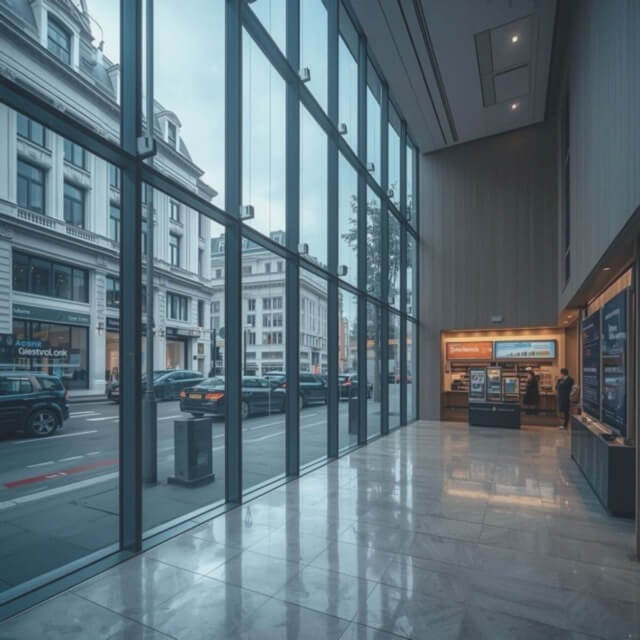
Excessive glare through windows can significantly detract from occupant comfort and productivity, particularly in office environments, retail spaces, and restaurants. Computer screens become harder to view, and visual discomfort can lead to fatigue. Many 3M films are designed to selectively reduce visible light transmission, effectively cutting down on glare without making interiors feel dark or enclosed. This creates a more pleasant and functional environment, where employees can work more effectively, and customers can browse or dine in greater comfort. It’s a subtle yet powerful enhancement to the overall interior experience.
Maintaining Aesthetic Integrity: Preserving Views and Interior Design
Beyond protection, advanced office window tinting plays a crucial role in preserving the aesthetic integrity of a commercial space. Unlike older, reflective films, modern 3M films, particularly the Prestige series, are optically clear and low-reflective. This means they preserve the natural views from inside while maintaining the building’s exterior appearance. Crucially, by blocking nearly all harmful UV rays, these films prevent the premature fading of interior finishes, flooring, artwork, and merchandise. This direct protection of expensive assets—from designer furniture to high-value retail displays—ensures that the interior design scheme remains vibrant and appealing for years, safeguarding the client’s initial investment.
Contributing to Sustainability Initiatives and LEED Certifications
Specifying high-performance window film, such as 3M window tint for house windows, can be a direct contributor to a building’s sustainability profile and efforts to achieve LEED or similar green building certifications. The significant reduction in energy consumption for cooling directly contributes to credits under the Energy & Atmosphere category. Furthermore, enhancing occupant comfort and protecting interior materials can support aspects of the Indoor Environmental Quality credit. These films represent a tangible commitment to sustainable practices, offering a demonstrable benefit that aligns with increasingly typical client and regulatory demands for environmentally responsible construction.
Enhancing Security and Safety: An Unexpected Layer of Protection for Commercial Spaces
While primarily known for solar control, a subset of 3M window films offers a robust layer of security and safety. 3M Safety & Security Window Films are significantly thicker than standard solar films and are engineered to hold shattered glass together upon impact. This provides critical protection against various threats:
- Accidental Breakage: Reduces the risk of injury from flying glass shards during storms or everyday incidents.
- Forced Entry: Delays and deters intruders, creating a crucial barrier that buys valuable time for security personnel to respond.
- Blast Mitigation: In extreme cases, it can help contain glass fragments from explosions, protecting occupants from serious injury.
This additional protective element, often an unexpected benefit, can significantly enhance the overall resilience and safety profile of a commercial building, offering project managers a multifaceted solution to present to their clients.
Strategic Specification: A Project Manager’s Guide to Selecting the Right 3M Film
Successfully integrating 3M window film into a commercial project requires more than just acknowledging its benefits; it demands a strategic approach to specification. For project managers, understanding the nuances of film selection, technical specifications, and installation protocols ensures that the chosen solution precisely aligns with project goals, client expectations, and long-term performance objectives.
Assessing Project Needs: Balancing Performance, Aesthetics, and Budget
The first step in strategic specification is a thorough assessment of the project’s unique requirements. This involves a collaborative discussion with the client to understand their primary pain points and desired outcomes.
- Performance Goals: Is the priority energy efficiency, glare reduction, UV protection for assets, or enhanced security? Often, it’s a combination.
- Aesthetic Considerations: Does the client prefer an optically clear film that is virtually invisible, or is a subtle tint acceptable, or even desired, for exterior appearance?
- Budget Constraints: Understanding the financial parameters allows for a realistic selection from the diverse 3M portfolio, ensuring the most impactful solution within the allocated resources.
Balancing these factors is key to delivering a solution that meets specific client demands and adds tangible value.
Navigating the 3M Portfolio: From Prestige Series to Specialized Security Films
The 3M window film portfolio is extensive, designed to meet a wide array of commercial needs. Project managers benefit from understanding the core categories:
- Prestige Series: Optically clear, non-metalized films that offer exceptional heat and UV rejection without altering aesthetics. Ideal for historical buildings or when preserving natural light and views is paramount.
- Ceramic Series: Non-metalized, provides excellent heat blocking window film rejection and glare control with a subtle, sophisticated appearance.
- Night Vision Series: Offers enhanced glare reduction and privacy while maintaining clear views, especially at night.
- Safety & Security Films: Thicker films designed to reinforce glass against impact, ranging from basic safety to advanced blast mitigation.
Each series is engineered with specific performance characteristics, allowing for a tailored approach to problem-solving within the building envelope.
Decoding Technical Specifications: TSER, VLT, and UV Rejection Explained
To make informed decisions, project managers must be comfortable with key technical specifications. These metrics provide quantitative data on a film’s performance:
- Total Solar Energy Rejected (TSER): This is perhaps the most critical metric for energy efficiency, indicating the total percentage of solar energy (visible light, infrared, and UV) rejected by the film. A higher TSER value means less heat gain and greater energy savings.
- Visible Light Transmittance (VLT): Expressed as a percentage, VLT indicates how much visible light passes through the film. A higher VLT means more natural light enters, while a lower VLT provides more glare reduction and privacy.
- UV Rejection: This percentage denotes the film’s ability to block harmful ultraviolet rays, which are the primary cause of fading for interior furnishings and merchandise. 3M films typically offer 99% or greater UV rejection.
Understanding how these values correlate with desired project outcomes ensures that the specified film delivers on its promise for comfort, asset protection, and energy savings.
Planning for Installation: Minimizing Disruption and Maximizing Lifespan
Proper installation is paramount to achieving the advertised performance and lifespan of any window film. 3M films are designed for professional applications, and engaging 3M authorized dealers ensures that installers are factory-trained and adhere to strict quality standards.
- Scheduling: For active commercial spaces, strategic scheduling during off-hours or phased installation can minimize disruption to occupants and operations.
- Site Preparation: Ensuring a clean and accessible work environment is crucial for a flawless application.
- Warranty: 3M films come with comprehensive warranties, typically ranging from 10 years to lifetime for commercial applications, covering bubbling, peeling, or delamination, provided the film is installed and maintained correctly.
This planning phase is critical for maximizing the return on investment and ensuring client satisfaction with the long-term performance of the film.
Illustrative Scenarios: Matching Film Solutions to Common Commercial Challenges
Considering real-world applications helps in understanding how different 3M films address specific challenges:
- Scenario 1: High-End Retail Store: A client wants to protect expensive merchandise from fading while maintaining a vibrant, well-lit interior.
- Solution: A 3M Prestige Series film with high UV rejection (99.9%) and moderate VLT (e.g., Prestige 70) would be ideal. It provides exceptional fading protection and heat rejection without noticeable darkening or reflectivity, preserving the merchandise and customer experience.
- Scenario 2: South-Facing Office Building: Occupants complain of excessive heat build-up and glare on computer screens, leading to discomfort and reduced productivity.
- Solution: A 3M Night Vision Series film (e.g., Night Vision 25 or 35) offers excellent TSER (around 60%) and glare reduction, significantly improving occupant comfort and energy efficiency. Its slightly darker tint reduces glare effectively.
- Scenario 3: Ground-Level Bank or Government Facility: Enhanced protection against forced entry or accidental glass breakage is a top priority.
- Solution: Specifying a 3M Safety & Security Film (e.g., Ultra S600) provides a robust barrier. These films are much thicker and designed to hold glass fragments together, delaying intruders and mitigating injury risk from shattered glass.
The Expertise Advantage: Partnering for Flawless Execution and Guaranteed Performance
The Critical Role of Certified 3M Installation in Project Success
While selecting the right 3M film is paramount, performance and longevity are linked to the quality of its installation. A high-performance product, improperly applied, risks suboptimal performance, adhesive failure, or even early delamination. This directly impacts the film’s ten-year lifespan and the overall return on investment. Certified 3M installers undergo rigorous training to adhere to manufacturer-specific guidelines for preparation, application, and curing.
This meticulous process safeguards optical clarity, UV rejection, and the overall durability of the film.
Leveraging Unparalleled Experience: Why the #1 U.S. 3M Installer Matters
Partnering with an installer recognized as the #1 3M Prestige dealer in the U.S. offers a distinct advantage, translating directly into project efficiency and reliability. Such a distinction signifies extensive experience across diverse commercial projects, ranging from intricate historical renovations to large-scale new constructions. This depth of experience minimizes on-site issues, accelerates installation timelines, and ensures consistent quality control. Their proven methodology reduces the likelihood of costly re-dos, protects project budgets, and maintains critical schedules.
Ensuring Compliance and Warranty: Protecting Your Client’s Investment
A core benefit of utilizing certified 3M installers is the assurance of compliance with all manufacturer specifications. This adherence is critical for validating the film’s comprehensive warranty, which often covers bubbling, peeling, cracking, or delamination. Without proper installation by a certified professional, clients risk voiding this essential warranty, leaving them vulnerable to future product failures and unexpected replacement costs. For project managers, this commitment to compliance provides a verifiable safeguard for the client’s long-term investment, offering peace of mind and demonstrating foresight in risk mitigation.
Beyond Installation: Post-Project Support and Long-Term Performance Assurance
The partnership extends well beyond the final squeegee stroke. A reputable 3M installer provides ongoing post-project support, offering guidance on proper film maintenance and addressing any rare performance concerns that may arise over the film’s lifecycle. This commitment ensures the sustained effectiveness of the UV protection and helps maintain the aesthetic integrity of the film for years to come. Such proactive support reinforces the film’s role in asset preservation and contributes to the building’s overall long-term value, preventing premature fading and degradation of valuable interiors.
Mitigating Project Risk Through a Proven Partnership
Ultimately, specifying 3M UV window film and partnering with a top-tier, certified installer significantly mitigates project risk. This collaborative approach minimizes potential installation errors, ensures warranty validity, and guarantees the film performs to its published specifications. For construction managers, this partnership means avoiding the financial and reputational costs associated with substandard work or product failure. It provides a reliable pathway to delivering on client expectations for superior asset protection and enhanced building longevity, reinforcing your reputation as a trusted advisor.
Conclusion: Elevating Commercial Projects with Intelligent UV Protection
Recap: The Strategic Value of 3M UV Window Film for Modern Commercial Buildings
3M UV window film is a strategic investment in quantifiable asset protection, not merely an aesthetic enhancement. These advanced films offer superior defense against UV radiation, mitigating risks to furnishings, merchandise, and structural elements. Beyond this core function, they contribute to energy efficiency and occupant comfort. They can even bolster security, addressing a spectrum of critical project demands.
The primary value proposition of specifying 3M UV window film lies in its robust capability to reinforce asset protection. By blocking up to 99.9% of harmful UV rays, these films prevent the irreversible fading, discoloration, and material degradation that can significantly devalue commercial interiors and their contents over time. This proactive measure preserves capital investments in fit-outs and merchandise, directly enhancing the long-term building value and safeguarding the client’s financial interests from avoidable losses.
A Call to Proactive Specification: Securing Your Client’s Legacy
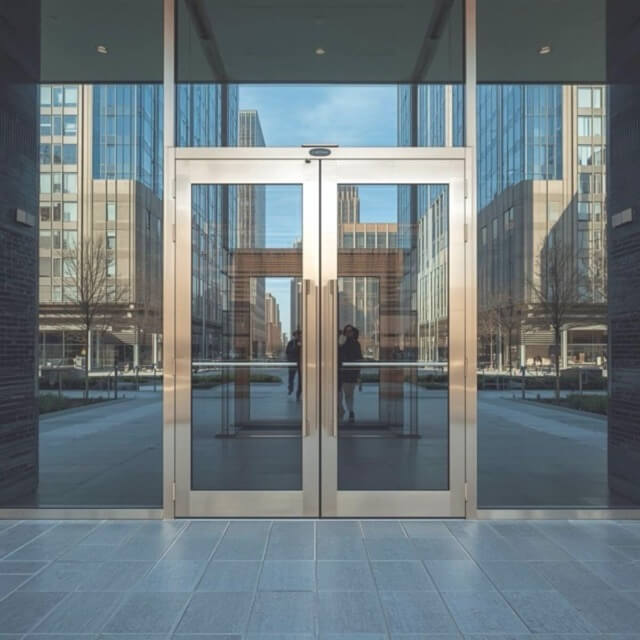
For construction and renovation managers, the decision to specify high-performance UV protection window film represents a proactive step in securing a client’s legacy. It demonstrates a commitment to not just meeting but exceeding expectations for building performance and asset longevity. By incorporating this technology, you are providing a demonstrable key performance indicator for interior preservation, directly protecting against the overlooked financial risks of UV exposure. This strategic foresight ensures that commercial spaces remain vibrant and valuable for decades, solidifying your role as a truly indispensable project partner.
Frequently Asked Questions
How much more effective is 3M window film at blocking UV rays compared to standard glass?
Standard architectural glass is often a major vulnerability because, while it blocks most UVB rays, it can allow 50% or more of UVA radiation to penetrate. In contrast, 3M UV window films are engineered to block virtually 99% of both UVA and UVB rays across the entire solar spectrum. To put this in perspective, this level of protection is equivalent to an SPF rating exceeding 1000.
Will installing UV protection film make my retail space or office look dark?
No. Many high-performance 3M films, such as the Prestige Series, utilize multi-layer optical film (MOF) technology. This allows the film to selectively reject harmful UV and infrared radiation without significantly altering visible light transmission or adding distortion. The result is an optically clear barrier that maintains natural daylight and preserves the building’s original aesthetic.
How does UV window film contribute to a building’s energy efficiency?
While the primary goal is often asset protection, these films are also highly effective at mitigating solar heat gain. Advanced films can reject over 60% to 70% of total solar energy, which reduces the load on HVAC systems. In warmer climates, this can lower cooling costs by as much as 10–15%.
Can these films provide any secondary security benefits for my facility?
YYes. A specific subset of 3M films—Safety & Security Window Films—is engineered to be significantly thicker than standard solar films. They are designed to hold shattered glass together upon impact, providing an additional layer of protection against accidental breakage, forced entry, and even blast mitigation.
What is the expected lifespan and warranty for a commercial film installation?
When installed by a certified professional, 3M commercial window films typically have a lifespan of at least ten years. 3M provides comprehensive warranties—ranging from 10 years to a lifetime for certain applications—that cover common issues such as bubbling, peeling, cracking, or delamination. It is critical to use a certified 3M installer to ensure these warranties remain valid.