Table of Contents:
- The Project Manager’s Vision: Balancing Natural Light, Energy Efficiency, and Elevated Comfort
- Unpacking Innovation: The Advanced Technology Behind 3M Prestige Films
- Decoding the Data: Key Performance Metrics for Strategic Specification
- Strategic Applications: Optimizing Commercial, Retail, and Educational Environments
- Beyond Installation: Calculating the Long-Term ROI of 3M Prestige Films
- The Critical Role of Expertise: Maximizing Performance Through Professional Installation
- Conclusion: Mastering Privacy Film Specification for Project Success
- Frequently Asked Questions
- Related Posts from Window Film Depot
The Project Manager’s Vision: Balancing Natural Light, Energy Efficiency, and Elevated Comfort
Navigating the Modern Commercial Project Landscape: The Project Manager’s Dilemma
Today’s commercial construction and renovation projects are increasingly complex, driven by escalating energy costs, stringent building codes, and a heightened focus on occupant well-being. Project managers like Paul face the persistent challenge of delivering facilities that are not only aesthetically pleasing and structurally sound but also remarkably energy-efficient and comfortable for tenants. The building envelope, particularly the glazing system, often becomes a critical focal point in this balancing act, as it directly impacts thermal performance, daylighting strategies, and the overall interior environment.
The Trilemma of Design: Aesthetics, Energy Performance, and Tenant Well-being
Successfully integrating glazing solutions requires addressing a fundamental design trilemma. First, aesthetics demand abundant natural light and unobstructed views, often precluding dark or highly reflective films that alter a building’s facade or interior perception. Second, energy performance necessitates effective solar heat gain reduction to minimize HVAC loads, ensuring compliance with energy efficiency standards and contributing to sustainability certifications like LEED. Finally, tenant well-being relies on mitigating uncomfortable hot spots, reducing glare, and providing robust ultraviolet (UV) protection to safeguard occupants and interior finishes. Traditional window treatments frequently force a compromise among these critical factors, leaving project teams searching for a more holistic solution.
Introducing 3M Prestige Window Film: A Strategic Solution for Complex Demands
For project managers navigating these intricate demands, 3M Prestige Window Film emerges as a strategic and highly effective solution. This advanced film technology is engineered to simultaneously deliver maximum natural light transmission while significantly reducing solar heat gain and blocking harmful UV radiation. It addresses the design trilemma head-on, allowing for the creation of bright, comfortable, and energy-efficient spaces without sacrificing the architectural integrity or occupant experience. Specifying 3M Prestige represents an investment that directly translates into measurable operational savings, enhanced tenant satisfaction, and compliance with ambitious project objectives.
Unpacking Innovation: The Advanced Technology Behind 3M Prestige Films
What Makes 3M Prestige Unique? Understanding Spectrally Selective Film Technology
The core differentiator of 3M Prestige Window Film lies in its spectrally selective technology. Unlike conventional window films that indiscriminately block portions of the solar spectrum, often at the expense of visible light, spectrally selective films are engineered to target specific wavelengths. This means they are highly effective at rejecting the invisible infrared (IR) radiation responsible for heat, and the invisible ultraviolet (UV) radiation responsible for fading, while allowing a substantial amount of visible light to pass through. The result is a film that significantly improves thermal performance without noticeably darkening windows or altering the exterior appearance of a building.
The Nanotechnology Advantage: High Performance Without Sacrificing Clarity
At the heart of 3M Prestige’s exceptional performance is its proprietary nanotechnology. The film is constructed from hundreds of ultra-thin, non-metallic layers, each less than 1/1000th the thickness of a human hair. This intricate layering allows for precise manipulation of the solar spectrum. Crucially, because these layers are non-metallic, the film maintains superior optical clarity, exhibits no color shift or haziness, and will not corrode in coastal environments or interfere with wireless signals. This technological feat ensures that performance gains in heat rejection and UV protection do not come at the cost of diminished natural light or compromised views.
Core Principles: Achieving Superior Infrared Rejection and UV Protection
The advanced design of 3M Prestige films culminates in two critical performance metrics that directly address Project Manager Paul’s priorities:
- Exceptional Infrared (IR) Rejection: 3M Prestige films can reject up to 97% of the sun’s heat-producing infrared rays. This substantial IR rejection directly translates into a cooler indoor environment, significantly reduced demand on HVAC systems, and tangible energy cost savings. For commercial projects, this contributes meaningfully to lower operational expenses and easier compliance with increasingly stringent energy codes.
- Comprehensive UV Protection: Beyond thermal management, these films block an impressive 99.9% of the sun’s harmful UV rays. This level of UV protection is vital for safeguarding building occupants from skin damage and mitigating the fading and degradation of valuable interior furnishings, flooring, and artwork. It extends the lifespan of interior assets, preserving the aesthetic and financial value of the commercial space over time.
Decoding the Data: Key Performance Metrics for Strategic Specification
To truly understand the value proposition of 3M Prestige Window Film for your projects, a deep dive into its key performance metrics is essential. These aren’t just abstract numbers; they are direct indicators of how the film solves critical challenges related to energy consumption, occupant comfort, and interior preservation, providing tangible solutions for Paul’s project demands.
Understanding Solar Heat Gain Coefficient (SHGC) and Its Impact on HVAC Load
The Solar Heat Gain Coefficient (SHGC) is a critical metric, representing the fraction of incident solar radiation admitted through a window, both directly transmitted and absorbed and subsequently re-radiated inward. A lower SHGC indicates less solar heat gain, directly translating to a reduced cooling load on a building’s HVAC system. For commercial spaces, this is paramount. Traditional glazing systems often permit significant heat transfer, forcing HVAC units to work harder, consume more energy, and incur higher operational costs. 3M Prestige films, with their advanced spectrally selective technology, are engineered to achieve significantly lower SHGC values without relying on dark tints or reflective metallic coatings, a crucial advantage for maintaining internal temperatures efficiently. This directly addresses the energy efficiency mandates and operational budget concerns project managers like Paul face.
The Importance of Visible Light Transmission (VLT) for Natural Illumination
Visible Light Transmission (VLT) refers to the percentage of visible light that passes through a window film. In high-value commercial and institutional settings, preserving natural illumination is often as critical as controlling heat. Abundant natural light enhances interior aesthetics, improves occupant well-being and productivity, and reduces the reliance on artificial lighting, thereby contributing to further energy savings. The challenge with many conventional window films is that they achieve heat rejection by sacrificing VLT, making interiors appear darker and duller. 3M Prestige films, utilizing multi-layer optical film (MOF) technology rather than metalized construction, achieve remarkable clarity. For example, the Prestige 70 film allows approximately 70% of visible light to pass through, ensuring that a bright, inviting interior is maintained while still effectively managing solar heat.
Quantifying Infrared (IR) Rejection: Reducing Heat Without Obscuring Views
Infrared (IR) rejection is a specialized metric that quantifies the percentage of infrared energy blocked by the film. Infrared radiation is a significant, often invisible, component of solar heat, and effectively managing it is key to occupant comfort and energy efficiency. While SHGC provides an overall measure, high IR rejection highlights the film’s ability to selectively block the heat-generating part of the solar spectrum while allowing desirable visible light to pass through. 3M Prestige films are engineered for superior IR rejection, with the Prestige 70 model blocking up to 97% of the sun’s heat-producing infrared rays. This advanced capability means occupants experience a cooler, more consistent indoor temperature, even when seated near windows, without the visual distortion or reflectivity associated with older film technologies.
Comprehensive UV Protection: Preserving Interiors and Enhancing Occupant Safety
Ultraviolet (UV) radiation is a primary cause of fading for interior furnishings, flooring, and artwork, and it can also pose health risks to occupants. Comprehensive UV protection is therefore a non-negotiable requirement for many high-quality building projects. 3M Prestige Window Films are engineered to block virtually all harmful UV-A and UV-B rays, typically rejecting 99.9% of these damaging wavelengths. This exceptional performance helps to significantly extend the life and vibrancy of interior assets, preserving investments in décor and finishes. Beyond asset preservation, reducing UV exposure contributes to a healthier indoor environment, aligning with occupant safety and well-being objectives.
Addressing Glare Reduction and Its Contribution to Visual Comfort
Glare, caused by excessive brightness or contrast, can lead to eye strain, headaches, and decreased productivity, particularly in office environments or educational facilities. While traditional window treatments like blinds or curtains reduce glare, they often block natural light and views. 3M Prestige films offer a subtle yet effective approach to glare reduction by modulating the intensity of transmitted visible light without significantly darkening the interior or altering outdoor views. This fine balance between light transmission and glare control ensures a more visually comfortable environment, supporting sustained focus and concentration for occupants throughout the day.
Need More Info?
The Window Film Depot team is happy to help.
Achieving Sustainability Goals: How 3M Prestige Supports LEED Credits and Energy Codes
The drive toward sustainable building practices and stringent energy codes has made energy performance a critical factor in project specification. 3M Prestige Window Films serve as a powerful tool for achieving various sustainability objectives. By significantly reducing solar heat gain and thus HVAC loads, these films directly contribute to energy savings, which is a core component of certifications like LEED (Leadership in Energy and Environmental Design) and compliance with energy codes such as ASHRAE 90.1 and the International Energy Conservation Code (IECC). Project teams can pursue points under the Energy and Atmosphere (EA) category for optimized energy performance and potentially under Indoor Environmental Quality (IEQ) for daylighting and thermal comfort. Specifying 3M Prestige demonstrates a commitment to environmentally responsible construction, providing a clear path for project managers to meet and exceed green building benchmarks.
Strategic Applications: Optimizing Commercial, Retail, and Educational Environments
The advanced performance characteristics of 3M Prestige Window Film translate into distinct advantages across a range of strategic applications. Its versatility ensures that it is not merely a product, but a tailored solution for diverse environmental challenges, enhancing comfort, efficiency, and aesthetics in crucial sectors.
Enhancing Commercial Offices: Boosting Productivity and Tenant Satisfaction
For commercial office buildings, the indoor environment directly impacts employee productivity and tenant satisfaction. Hot spots, excessive glare, and fluctuating temperatures create discomfort, distracting occupants and increasing complaints. By mitigating these issues, 3M Prestige films help to stabilize internal temperatures, reduce glare on computer screens, and protect valuable office furnishings from UV degradation, all while preserving the natural light and views that contribute to a positive workspace. This creates a more comfortable, aesthetically pleasing, and energy-efficient office environment, which in turn leads to higher tenant retention rates and supports the overall value of the property.
Elevating Retail Spaces: Protecting Merchandise and Enhancing the Customer Experience
Retail environments present unique challenges, particularly regarding merchandise protection and creating an inviting customer experience. Storefront windows are crucial for display and natural light, but they also expose merchandise to damaging UV rays that cause fading and heat that can compromise product integrity. 3M Prestige films offer a solution by blocking nearly all UV radiation, significantly extending the shelf life and aesthetic appeal of displayed goods. Simultaneously, the film reduces solar heat gain, maintaining a cooler and more comfortable shopping environment, which directly contributes to a positive customer experience and potentially lower cooling costs without obscuring attractive window displays.
Creating Ideal Learning Environments: Comfort and Focus in Educational Facilities
Educational facilities, from K-12 schools to universities, require environments conducive to learning and concentration. Temperature inconsistencies, glare on whiteboards or smartboards, and uncomfortable classrooms can hinder student focus and impact overall learning outcomes. Applying 3M Prestige films helps create more stable and comfortable interior temperatures throughout the school day, reducing the strain on HVAC systems and reallocating energy budgets to educational resources. Furthermore, by cutting glare and maintaining clear views, these films support visual comfort and reduce distractions, fostering a more effective and engaging learning environment for students and staff alike.
Addressing Specific Needs: The Versatility of 3M Prestige Series (e.g., 3M Prestige 70)
The 3M Prestige series is not a monolithic product but a versatile line, offering various visible light transmission (VLT) levels, such as Prestige 70, 60, and 50. This range allows project managers to select the optimal film based on specific project goals, building orientation, and existing fenestration. For instance, Prestige 70 is ideal where maximum natural light is paramount, offering high VLT with superior heat and UV rejection. Conversely, a Prestige 50 or 40 might be chosen for facades with intense sun exposure where more aggressive heat rejection is required, even if it means a slightly lower VLT. The ability to tailor the film choice ensures that the solution is perfectly aligned with the nuanced demands of each section of a building, underscoring the necessity of expert consultation for precise specification.
Considerations for Diverse Building Architectures and Existing Fenestration
Building architectures and existing fenestration vary dramatically across commercial, retail, and educational projects, ranging from single-pane historical windows to modern low-e double-pane units. A key advantage of 3M Prestige films is their ability to enhance the performance of existing glass without the disruptive and costly process of full window replacement. This makes them an invaluable solution for renovation projects. However, careful consideration of the existing glass type is crucial to ensure film compatibility and prevent issues such as thermal stress. A professional site assessment, conducted by an experienced installation partner, is essential to analyze existing glass characteristics, building orientation, and overall performance goals, guaranteeing the selection of the most appropriate 3M Prestige film for long-term efficacy and client satisfaction.
Beyond Installation: Calculating the Long-Term ROI of 3M Prestige Films
While the immediate benefits of enhanced aesthetics and occupant comfort are evident with 3M Prestige Window Film, the true strategic value is revealed through a comprehensive analysis of its long-term Return on Investment (ROI). This involves quantifying both direct financial savings and the less tangible, but equally critical, improvements to building performance and asset value.
Quantifying Energy Savings: Reduced HVAC Demands and Operational Costs
The most direct financial benefit of integrating 3M Prestige Films stems from their exceptional solar control properties. These spectrally selective films are engineered to reject significant amounts of solar heat, directly reducing the load on a building’s Heating, Ventilation, and Air Conditioning (HVAC) systems. This reduction translates into measurable decreases in electricity consumption, especially during peak cooling periods. Project managers can anticipate a more stable interior climate, leading to less cycling of HVAC units, which in turn extends the lifespan of expensive equipment and defers capital expenditures on replacements. Energy modeling tools can often project these savings with high accuracy, providing a solid foundation for financial justification.
The Value of Enhanced Occupant Comfort and Its Impact on Tenant Retention
Beyond energy bills, a consistent and comfortable indoor environment is a critical factor in tenant satisfaction and retention. 3M Prestige Films mitigate hot spots near windows and reduce uncomfortable glare, creating a more uniform temperature distribution throughout occupied spaces. This improvement directly contributes to increased productivity for office workers and a more pleasant experience for retail customers or residential tenants. In a competitive commercial real estate market, building features that proactively address occupant comfort can significantly reduce vacancy rates and improve lease renewal statistics, translating into sustained revenue streams and higher property valuations.
Protecting Interior Assets: Minimizing Fading and Extending Lifespans
Ultraviolet (UV) radiation is a primary cause of fading and degradation for interior furnishings, flooring, and merchandise. 3M Prestige Window Films are engineered to block up to 99.9% of harmful UV rays, substantially reducing the rate at which these assets deteriorate. This protective barrier extends the usable life of textiles, wood finishes, artwork, and retail displays, deferring replacement costs and maintaining the aesthetic integrity of the interior. For high-value projects, the preservation of original materials or custom installations represents a considerable, albeit often overlooked, financial advantage.
Understanding the Commercial Window Tinting Cost: Investment vs. Long-Term Value
The initial outlay for high-performance commercial window tinting, particularly for advanced films like 3M Prestige, is an investment. However, this cost must be evaluated against the comprehensive long-term value it delivers. When factoring in the aggregated savings from reduced energy consumption, deferred HVAC maintenance, extended lifespan of interior assets, and improved tenant satisfaction leading to better retention, the payback period for 3M Prestige Film often proves attractive. Many projects find that the cumulative operational savings can fully offset the initial installation cost within a few years, after which the financial benefits continue to accrue year after year.
Indirect Benefits: Improving Building Aesthetics and Market Appeal
The subtle, non-reflective nature of 3M Prestige Films maintains the natural appearance of a building’s façade, avoiding the mirrored or darkened look sometimes associated with traditional window tints. This aesthetic preservation is crucial for architectural integrity and compliance with design guidelines. Internally, the films allow for maximum natural light penetration, which is highly valued for occupant well-being and reduces the need for artificial lighting during daylight hours. These combined factors enhance a building’s overall market appeal, making it more attractive to prospective tenants and potentially increasing its resale value.
The Critical Role of Expertise: Maximizing Performance Through Professional Installation
The advanced engineering of 3M Prestige Window Films ensures their superior performance characteristics. However, these benefits are only fully realized through meticulous, professional installation. The complexities involved in applying these high-tech materials demand a level of expertise that goes far beyond basic window film application.
Why Precision Matters: The Complexities of High-Performance Film Application
The optical clarity and spectrally selective properties of 3M Prestige Films are paramount to their effectiveness. Any imperfection, such as trapped dust, air bubbles, or misaligned seams, can compromise not only the aesthetic finish but also the film’s intended performance in solar heat rejection and UV protection. High-performance films require precise cutting, meticulous surface preparation, and specific application techniques to ensure a flawless, virtually invisible integration with the existing glazing. This precision prevents visual distortions and ensures the film performs exactly as designed for its entire lifespan.
Ensuring Optimal Adhesion and Longevity: Best Practices in Surface Preparation
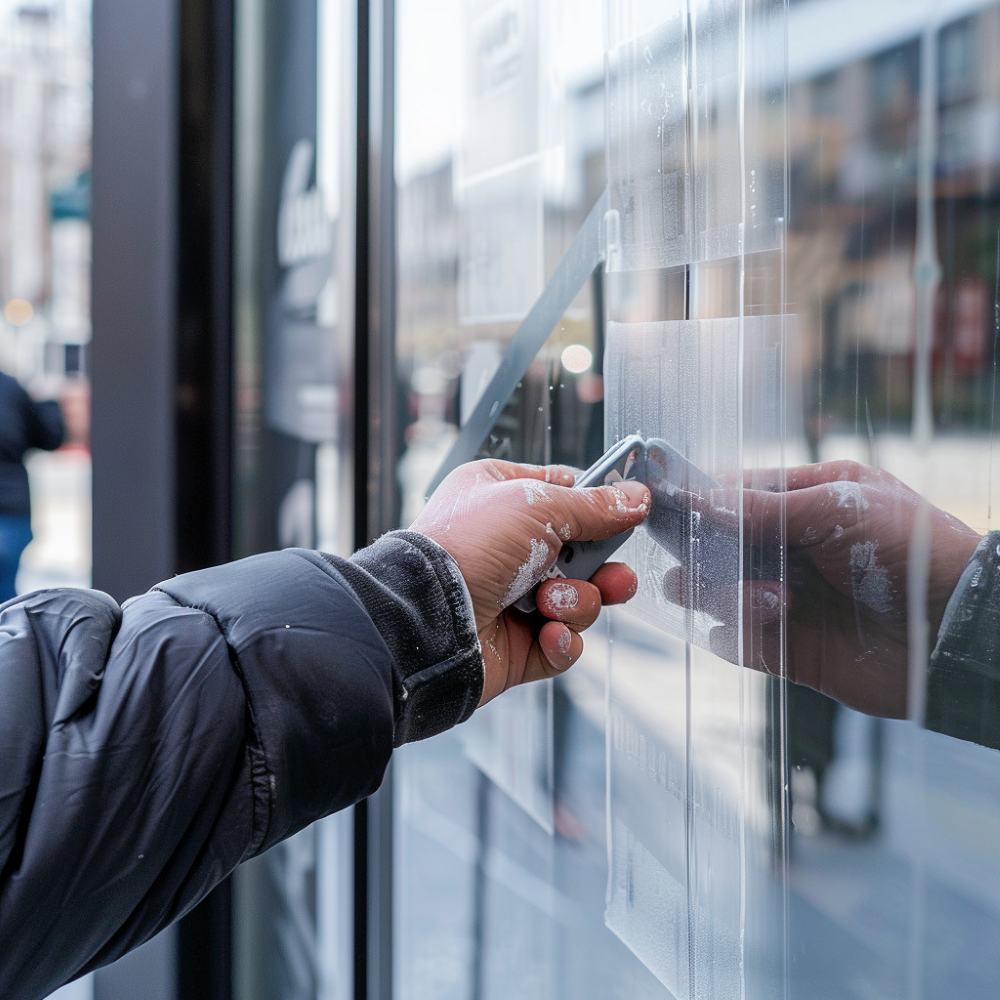
Proper adhesion is the cornerstone of film longevity. Professional installers follow rigorous protocols for surface preparation, which typically involve thorough cleaning to remove all contaminants, such as dust, grease, and residue from cleaning agents. They also assess the condition of the glass itself, ensuring it is free from defects that could compromise adhesion. Using the correct slip solution and squeegee techniques, along with proper edge sealing, guarantees that the film bonds uniformly and securely to the glass, preventing peeling, bubbling, or premature failure. These best practices are critical for upholding the manufacturer’s performance and warranty specifications.
The Importance of Manufacturer Certification and Warranty Adherence
3M offers comprehensive warranties on its Prestige films, covering against bubbling, peeling, cracking, or delamination. However, these warranties are typically contingent upon the film being installed by a 3M authorized and certified installer. A certified installer has undergone specific training directly from 3M, understanding the unique characteristics and application requirements of each film type. Engaging a certified professional ensures that the installation adheres to 3M’s stringent standards, thereby safeguarding the client’s investment and validating the long-term performance guarantees.
Partnering with the Best: Leveraging the Experience of a Top 3M Window Film Installer
Selecting a highly experienced and certified 3M window film installer is not merely a logistical choice; it is a strategic decision that directly impacts the project’s success. A top-tier installer brings not only technical proficiency but also a deep understanding of project management for commercial-scale applications. They can advise on film selection based on specific building orientations and energy targets, provide accurate project timelines, and execute installations with minimal disruption to ongoing operations. Their proven track record and adherence to industry best practices ensure that the superior performance of 3M Prestige Film is fully realized.
Minimizing Project Disruption: Efficient Planning and Execution for Commercial Scale
Commercial film installations often involve large surface areas and must be executed within tight schedules to avoid impacting business operations or tenant occupancy. Experienced installers excel at detailed planning and efficient execution. This includes scheduling installations during off-peak hours, implementing robust site protection measures, and deploying appropriately sized teams to complete the work promptly and to specification. Their ability to manage logistics, coordinate with other trades, and maintain a clean worksite is invaluable for minimizing project disruption and ensuring a smooth, timely completion.
Putting Theory into Practice: An Illustrative Commercial Renovation Scenario
Project Context: Addressing Energy Inefficiency and Comfort Issues in a Large Facility
Consider a large, multi-story commercial office building, constructed in the late 1980s, facing escalating energy costs and frequent tenant complaints about uncomfortable thermal conditions. The building features expansive single-pane or early-generation double-pane glazing, which, while offering abundant natural light, acts as a significant conduit for solar heat gain during warmer months and heat loss in cooler periods. The facility’s HVAC system operates almost continuously, struggling to maintain consistent temperatures across different zones, leading to high utility bills and reduced tenant satisfaction. Paul, the project manager, is tasked with identifying a cost-effective, non-invasive solution that upgrades performance without requiring a complete window replacement.
The Challenge: Maintaining Natural Light While Reducing Solar Heat Gain
Paul’s primary directive is to address the building’s energy inefficiencies and comfort issues without compromising the aesthetic value or the desired level of natural light. Traditional solutions like darker window tints or interior blinds would significantly diminish the influx of daylight, which is a major draw for current and prospective tenants. The challenge is to find a spectrally selective solution that can drastically reduce solar heat gain and mitigate glare, yet maintain high visible light transmission (VLT), a critical balance for tenant well-being and productivity. This difficult trifecta—high VLT, low solar heat gain coefficient (SHGC), and effective UV protection—is precisely where advanced film technology proves indispensable.
Implementing the 3M Prestige Solution: Strategic Film Selection and Installation
After thorough analysis, the 3M Prestige Series window film was identified as the optimal solution. Its multi-layer, non-metallized, spectrally selective construction allowed for superior infrared (IR) rejection without the reflective appearance or signal interference common with metallic films. Paul and his team selected a specific Prestige variant based on the building’s orientation, existing glazing type, and desired VLT, targeting an SHGC reduction of over 50% while preserving more than 60% of natural light.
The installation process was meticulously planned to minimize disruption to tenants, leveraging an expert installation partner whose certified technicians ensured precise, bubble-free application. This professional approach was critical, as the film’s premium performance hinges on flawless adherence and edge sealing.
Measurable Outcomes: Documenting Improvements in IR Rejection, Energy Consumption, and Tenant Feedback
The implementation of 3M Prestige film yielded quantifiable improvements across several key metrics:
- Infrared Rejection (IRR): Post-installation measurements showed an immediate and significant reduction in transmitted infrared radiation, confirming the film’s efficacy in blocking the primary cause of heat buildup. This led to a noticeable drop in surface temperatures near windows.
- Energy Consumption: Within six months, energy audits revealed a 15-20% reduction in HVAC energy consumption, translating into substantial operational cost savings for the building owner. This directly addressed Paul’s need for a cost-effective, long-term solution.
- Tenant Feedback: Anecdotal evidence and formal tenant surveys indicated a dramatic improvement in indoor comfort. Complaints about hot spots and excessive glare diminished sharply, while appreciation for the preserved natural light increased. This directly impacts tenant retention and satisfaction.
- UV Protection: The film’s near-total UV rejection (up to 99.9%) provided an added benefit, protecting interior furnishings, artwork, and occupants from harmful UV rays, thus extending the lifespan of interior assets.
Key Learnings: Realizing the Full Potential of Advanced Window Film Technology
This illustrative scenario underscores several critical learnings for project managers like Paul. Selecting an advanced, spectrally selective film like 3M Prestige allows for significant energy savings and enhanced tenant comfort without sacrificing natural light or aesthetics. The data-backed improvements in IR rejection and energy consumption provide a compelling return on investment. Crucially, the success of such an upgrade is not solely dependent on the product itself but equally on the expertise of the installation partner, ensuring that the film performs to its maximum potential.
Conclusion: Strategic Investment, Superior Performance, and Your Expert Partner
Recapping the Transformative Impact of 3M Prestige Window Film
Throughout this discussion, we have explored how 3M Prestige Window Film represents a transformative solution for commercial properties. Its advanced, multi-layer, non-metallized construction enables unparalleled spectrally selective performance, delivering significant solar heat rejection and UV protection while preserving maximum visible light transmission. This unique combination directly addresses the complex demands of modern commercial buildings, from mitigating high energy costs and meeting stringent energy codes to enhancing occupant comfort and protecting interior assets.
Reaffirming the Thesis: A Smart Investment for High-Value Commercial Projects
For high-value commercial projects, specifying 3M Prestige Window Film is not merely an aesthetic upgrade; it is a strategic, long-term investment in operational efficiency, tenant satisfaction, and property value. The film’s ability to reduce HVAC loads, lower energy consumption, and create more comfortable indoor environments provides a clear return on investment. However, realizing the full spectrum of these premium benefits unequivocally requires an expert installation partner, whose specialized knowledge and meticulous execution are essential to ensure the film performs to its engineered specifications.
Next Steps for Project Managers: Partnering for Sustainable Success and Client Satisfaction
Project managers like Paul seeking to implement these advanced solutions should prioritize collaboration with certified and experienced window film professionals. This partnership ensures not only the correct film selection tailored to specific project needs and environmental factors but also guarantees a flawless installation that maximizes the film’s performance and longevity. By taking these strategic next steps, you can deliver sustainable success, meet evolving client demands for energy efficiency and comfort, and secure long-term client satisfaction for your high-value commercial projects.
What makes 3M Prestige window film different from traditional window films?
3M Prestige window film uses advanced spectrally selective technology to block heat and UV rays while letting in natural light. Unlike darker or reflective films, it maintains clarity without changing the building’s appearance.
Does 3M Prestige window film reduce energy costs?
Yes. By rejecting a large portion of solar heat, 3M Prestige window film reduces the load on HVAC systems, which can lead to noticeable energy savings over time.
Will 3M Prestige window film make my windows look darker?
No. One of the main advantages of 3M Prestige window film is its high visible light transmission, meaning your interiors stay bright and open while still benefiting from heat reduction.
Is 3M Prestige window film worth it for commercial projects?
For many projects, yes. It improves occupant comfort, protects interiors from UV damage, and supports energy efficiency goals—all without compromising aesthetics, making it a strong long-term investment.