Table of Contents:
- Beyond Aesthetics: The Functional Benefits of 3M Frosted Film in Commercial Design
- Specifying the Right Product: 3M Fasara vs. Dusted/Frosted Crystal Series
- Strategic Applications: Enhancing Privacy, Branding, and Ambiance Across Commercial Sectors
- The Installation Factor: Why a Certified Partner is Critical for Project Success
- Mastering Large-Scale Rollouts: National Installation Logistics for Project Managers
- Project Execution in Practice: Navigating Multi-Location Frosted Film Deployments
- Conclusion: Mastering Privacy Film Specification for Project Success
- Frequently Asked Questions
- Related Posts from Window Film Depot
Beyond Aesthetics: The Functional Benefits of 3M Frosted Film in Commercial Design
While architectural glass has long been valued for natural light and open aesthetics, modern commercial spaces frequently require a more nuanced approach to privacy, light management, and brand integration. 3M Frosted Window Films transcend simple decorative purposes, offering a suite of functional benefits critical for commercial project success. Understanding these capabilities is essential for project managers seeking integrated, high-performance solutions.
Enhancing Privacy Without Sacrificing Natural Light: The Role of Light Diffusion
One of the most compelling advantages of 3M Frosted Window Film is its ability to deliver effective visual privacy without compromising natural light transmission. Unlike blinds or opaque partitions that can create dim, enclosed environments, frosted films diffuse light. This means bright, inviting spaces can maintain their natural illumination while concurrently obscuring views into sensitive areas.
Key applications include:
- Conference Rooms and Offices: Providing confidential meeting spaces without the oppressive feel of solid walls.
- Healthcare Facilities: Ensuring patient privacy in examination rooms or waiting areas while maintaining a bright, calming atmosphere.
- Retail Environments: Creating defined zones or back-of-house separation without blocking ambient light from reaching product displays.
- Open-Plan Workspaces: Delineating individual work pods or collaborative zones with a subtle yet effective visual barrier.
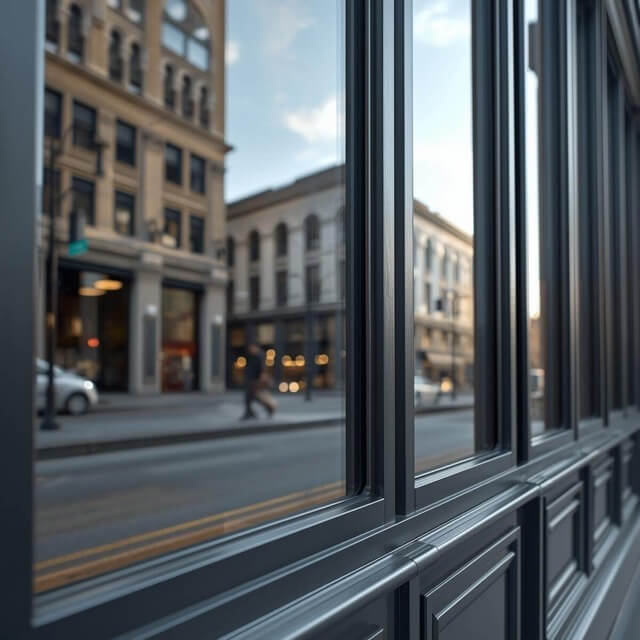
The availability of various opacities and patterns within the 3M portfolio allows for precise control over the degree of privacy, ensuring functional requirements are met with aesthetic precision across diverse architectural specifications.
Optimizing Light Control: Reducing Glare and UV While Maintaining Visual Acuity
Beyond privacy, 3M Frosted Films are engineered to optimize interior light conditions, directly contributing to occupant comfort and asset protection. Excessive glare from windows can severely diminish productivity, strain eyes, and wash out digital displays. These films mitigate glare effectively, creating a more comfortable visual environment for employees and clients alike.
Furthermore, a significant functional benefit is their ability to block a substantial percentage of harmful ultraviolet (UV) rays. This protects interior furnishings, artwork, and flooring from fading and degradation over time, extending asset lifespan and reducing long-term maintenance costs. Importantly, this UV protection and glare reduction are achieved without sacrificing the visual acuity of views from inside or the essential benefits of natural light.
Brand Integration and Decorative Films: Customization for Corporate Identity
3M’s extensive range of decorative and frosted films provides an unparalleled canvas for brand integration and aesthetic enhancement. Project managers can leverage these films to reinforce corporate identity, create unique design elements, or delineate specific zones within a commercial space.
Customization options include:
- Precision Cutting: Incorporating corporate logos, mission statements, or bespoke patterns into glass surfaces.
- Digital Printing: Applying full-color graphics or gradients directly onto films for vibrant, impactful displays.
- Textural Finishes: Selecting from a variety of finishes such as dusted crystal, matte, etched, or even gradient effects, to match specific design themes.
This level of customization transforms plain glass into a dynamic architectural feature, making the space distinctly branded and professionally refined. Achieving this consistent visual quality across large-scale rollouts mandates a partner with specialized fabrication capabilities and certified installation expertise.
Safety and Security Aspects: Strengthening Glass and Obscuring Views
While not designed as primary security films, 3M Frosted Window Films contribute to a safer environment by enhancing privacy and subtly reinforcing glass panels. Their opaque or translucent nature is highly effective at obscuring views into sensitive areas, deterring opportunistic observers. This is particularly valuable for:
- Data Centers and Server Rooms: Limiting visual access to critical infrastructure.
- Executive Offices and Boardrooms: Maintaining confidentiality for high-level discussions.
- Retail Displays: Creating backdrops that prevent onlookers from seeing non-public areas.
- Glass Partitions: Providing a clear visual barrier where sensitive operations occur.
Additionally, some thicker decorative films can offer a marginal increase in glass integrity, helping to hold shattered glass together in the event of an impact, although their primary function remains aesthetic and privacy-oriented.
Cost-Effectiveness: A Sustainable Alternative to Etched or Sandblasted Glass
For large-scale commercial projects, cost-effectiveness and sustainability are paramount. 3M Frosted Window Films present a significantly more economical and flexible alternative to traditional glass treatments such as acid-etching or sandblasting. The initial material and installation costs of film are considerably lower, and the application process is far less intrusive, reducing disruption to ongoing operations.
Furthermore, film offers distinct advantages in terms of adaptability:
- Flexibility: Films can be removed and replaced if the design needs change, or if a tenant vacates a space, preserving the original glass. This avoids the permanent and irreversible nature of etched or sandblasted glass.
- Maintenance: Frosted films are easier to clean and maintain than etched glass surfaces, which can trap dirt and smudges more readily.
- Speed of Installation: Large areas can be transformed quickly, adhering to tight project schedules without significant downtime.
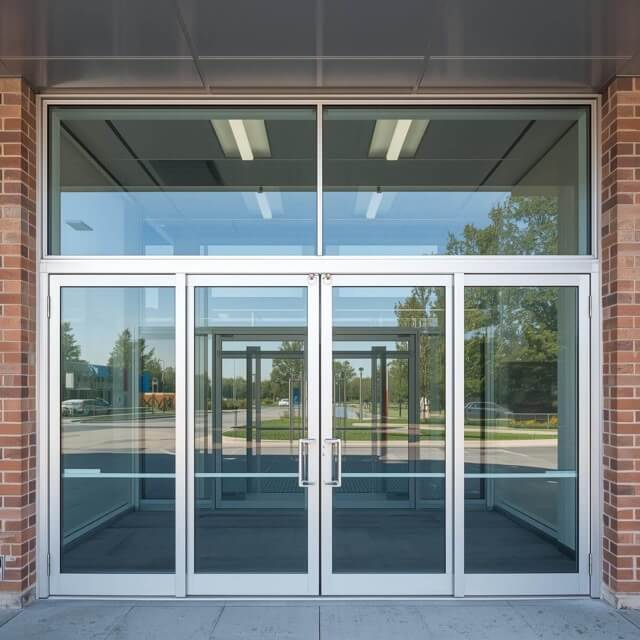
This combination of lower upfront costs, long-term flexibility, and ease of maintenance positions 3M Frosted Window Film as a strategically sound and sustainable choice for commercial project managers managing substantial budgets and timelines.
Specifying the Right Product: 3M Fasara vs. Dusted/Frosted Crystal Series
Selecting the appropriate 3M decorative film is a critical decision that influences not only the aesthetic outcome but also the functional performance and long-term viability of a commercial project. For project managers overseeing large-scale rollouts, understanding the distinct characteristics of 3M Fasara Glass Finishes versus the Dusted and Frosted Crystal Series is essential for making informed choices that align with specific project requirements and budget parameters. This strategic product selection, paired with expert installation, directly impacts project consistency and stakeholder satisfaction.
While these 3M films offer a highly versatile and budget-conscious solution for static privacy, some project areas demand dynamic versatility, making electrochromic glass the ideal premium alternative. By utilizing electronically tintable layers, electrochromic glass allows occupants to transition windows from perfectly clear to fully obscured at the touch of a button. Integrating this active technology alongside traditional film finishes gives project managers a tiered approach—deploying cost-effective film for standard glass partitions while reserving smart glass for high-profile spaces that require adaptive, high-tech privacy control.
Understanding 3M Fasara Glass Finishes: Design Versatility and Pattern Options
3M Fasara Glass Finishes represent the pinnacle of decorative film technology, designed to transform ordinary glass into dynamic architectural statements. This series offers an extensive palette of over 100 patterns, textures, and gradients, meticulously crafted to mimic the appearance of etched, sandblasted, or specialty glass. Fasara films empower designers to achieve sophisticated aesthetics, such as delicate rice paper textures, precise geometric grids, subtle gradient fades, or fabric-like weaves, at a fraction of the cost of custom glass. Their application is ideal for creating distinct visual identities, enhancing brand aesthetics, or establishing nuanced levels of privacy within an interior space without sacrificing natural light. The design versatility of Fasara means that each installation can be uniquely tailored to an environment’s specific design intent, making it a powerful tool for architects and designers.
Delving into 3M Dusted Crystal Film and 3M Frosted Crystal Film: Texture, Opacity, and Light Transmission
The 3M Dusted Crystal and 3M Frosted Crystal films offer classic, understated elegance for privacy and aesthetic enhancement. While both provide a uniform, translucent appearance, there are subtle yet important distinctions. 3M Dusted Crystal film typically presents a finer, more diffuse appearance, similar to a lightly sandblasted finish, offering a softer level of opacity. It allows for significant light transmission while obscuring direct visibility. 3M Frosted Crystal film, by contrast, often provides a slightly more opaque and uniform finish, resembling heavily acid-etched glass. Both films are excellent for achieving consistent, high-quality privacy in environments where a clean, minimalist aesthetic is desired. They effectively diffuse harsh light, reduce glare, and add a layer of sophistication without the extensive pattern work found in the Fasara series. The choice between Dusted and Frosted typically hinges on the exact level of visual obscurity and the desired textural nuance, with both options maintaining robust natural light ingress.
Technical Specifications for Project Managers: Adhesion, Durability, and Maintenance
For project managers, the technical specifications of any material are paramount. 3M decorative films are engineered for commercial applications, ensuring reliability and longevity.
- Adhesion: These films utilize a proprietary, pressure-sensitive adhesive system developed by 3M, known for its strong bond to glass surfaces and clean removability. This ensures the film remains securely in place for its intended lifespan, resisting bubbling, peeling, or cracking when properly installed. The adhesive technology also facilitates future removal for rebranding or renovation without damaging the underlying glass, minimizing potential remedial costs.
- Durability: Manufactured from high-quality polyester, 3M films are designed to withstand the rigors of commercial environments. They exhibit excellent resistance to scratching, fading from UV exposure, and yellowing over time, maintaining their original appearance and functional integrity for years. This inherent durability translates into a reduced need for early replacement, protecting the project’s long-term investment.
- Maintenance: One significant advantage for facilities management is the ease of maintenance. 3M decorative films can be cleaned using standard, non-abrasive glass cleaning solutions and soft cloths, identical to cleaning untreated glass. This simplifies upkeep protocols and ensures the films retain their pristine look without requiring specialized care, reducing operational overhead.
Matching Film Characteristics to Specific Project Requirements and Aesthetic Goals
The strategic selection of a 3M film involves a careful assessment of project-specific needs against the distinct attributes of each film series.
- For high-impact architectural design: When the project demands intricate patterns, custom graphics, or a sophisticated aesthetic that mimics expensive custom glass, 3M Fasara Glass Finishes are the optimal choice. Their extensive design library allows for precise alignment with interior design schemes, making them suitable for brand differentiation, artistic expression, or creating unique visual zones.
- For consistent, functional privacy: For projects primarily focused on achieving a uniform level of privacy, glare reduction, or a clean, elegant aesthetic without elaborate patterns, 3M Dusted Crystal or Frosted Crystal films are ideal. These are frequently chosen for office partitions, modesty panels, or areas requiring a subtle light diffusion.
- Balancing privacy and light: Both series expertly balance visual privacy with the desire to maximize natural light. Project managers must consider the required level of visual obscurity (e.g., completely blocking direct view vs. simply blurring forms) and the overall ambiance intended for the space. An experienced national installer can provide samples and mock-ups, allowing stakeholders to visualize the exact light transmission and opacity in situ before making a final decision, a critical step for large-scale consistency.
Lifecycle Considerations: Longevity, Warranties, and Future Adaptability
Understanding the lifecycle considerations of 3M decorative films is vital for long-term project planning and budget adherence. 3M films are engineered for extended performance in commercial settings, typically boasting a lifespan of 10 to 15 years or more, depending on the specific product and environmental conditions. This longevity translates into a solid return on investment compared to permanent glass alterations.
Furthermore, 3M stands behind its products with comprehensive warranties that cover material defects, fading, and peeling. When installed by a 3M Certified National Dealer, these warranties often extend to include labor, providing an unparalleled level of assurance for project managers. This robust warranty coverage de-risks the investment, guaranteeing performance and offering recourse should any issues arise.
A significant advantage of decorative films is their future adaptability. Unlike etched or sandblasted glass, films can be removed and replaced with relative ease. This flexibility is invaluable for organizations anticipating future renovations, rebranding efforts, or changes in space utilization. The ability to refresh an aesthetic or alter privacy levels without incurring the substantial cost and disruption of glass replacement offers a considerable long-term operational benefit, allowing facilities to evolve efficiently with business needs.
Strategic Applications: Enhancing Privacy, Branding, and Ambiance Across Commercial Sectors
The versatile properties of our privacy film transcend mere privacy, offering strategic benefits across a multitude of commercial environments. Project managers can leverage these films to address specific functional challenges, enhance brand presence, and cultivate desired ambiances, all while maintaining budget discipline and project timelines. The key lies in understanding how the unique attributes of 3M films align with the distinct demands of each sector.
Office Partitions and Conference Rooms: Achieving Confidentiality and Modern Design
In contemporary office layouts, 3M frosted films are indispensable for striking a balance between open, collaborative spaces and the necessity for privacy. Applied to glass office partitions, they create immediate visual breaks, fostering focused work environments without completely isolating individuals. In conference rooms, these films are critical for ensuring confidentiality during sensitive discussions, providing a non-intrusive barrier that obscures internal activities from passersby. Beyond functionality, their clean lines and customizable patterns contribute to a modern, professional aesthetic, diffusing harsh interior lighting and reducing glare on screens. This allows for the creation of distinct zones within an open plan, promoting productivity and a refined corporate image.
Retail Branding and Storefront Enhancement: Custom Decorative Films for Visual Appeal
For the retail sector, 3M decorative films offer a dynamic tool for both branding and storefront optimization. Custom-cut frosted films can prominently display company logos, promotional messaging, or seasonal graphics directly on glass surfaces, enhancing curb appeal and attracting customer attention. This application provides a sophisticated, non-permanent branding solution that can be updated with relative ease compared to painting or traditional signage. Additionally, films can manage excessive sunlight, reduce glare on merchandise, and provide a subtle level of privacy for back-of-house operations or changing rooms, all while maintaining an elegant, upscale feel that aligns with brand identity.
Educational Environments: Privacy for Learning Spaces and Collaborative Areas
Educational institutions benefit significantly from the practical applications of 3M frosted films. These films can be applied to classroom doors, library carrels, tutoring rooms, and administrative offices to provide immediate privacy without sacrificing the light-filled, open feel often desired in modern learning spaces. For collaborative zones within university campuses, frosted films can define semi-private breakout areas, minimizing visual distractions while still allowing natural light to penetrate. This helps create focused learning environments and provides a sense of security for students and staff, while also contributing to a contemporary architectural aesthetic across the campus.
Healthcare Facilities: Modesty Barriers and Wayfinding Solutions
In healthcare settings, patient privacy and clear navigation are paramount. 3M frosted films serve as effective modesty barriers in examination rooms, patient waiting areas, and semi-private recovery spaces, providing necessary visual seclusion in compliance with HIPAA regulations. The films offer a clean, hygienic surface that can be easily disinfected, an important consideration in medical environments. Beyond privacy, frosted films can be custom-cut to incorporate wayfinding graphics, room numbers, or departmental indicators directly onto glass, assisting patients and visitors in navigating complex facilities. This contributes to a calming, professional atmosphere while improving operational efficiency and patient experience.
Hospitality Settings: Elevating Guest Experiences with Architectural Finishes
The hospitality industry leverages 3M decorative films to enhance guest experiences and elevate interior design. In hotels, frosted films are used on guest room windows and bathroom enclosures to ensure privacy while maintaining a luxurious aesthetic. They can be applied to glass partitions in restaurants, bars, or lobby areas to create intimate dining nooks, subtly divide spaces, or add architectural interest without the permanence of solid walls. Custom designs, gradients, or textured finishes can reinforce brand identity and contribute to the overall ambiance, transforming ordinary glass into a design feature. This allows establishments to offer a sophisticated, upscale environment that consistently meets high guest expectations across all locations.
The Installation Factor: Why a Certified Partner is Critical for Project Success
The selection of 3M Frosted Window Film for commercial applications is only one part of a successful project. Equally critical, particularly for large-scale deployments, is the installation partner. The quality of the application directly impacts both the functional performance and the long-term aesthetic integrity of the film.
The Dangers of Unqualified Installation: Bubbles, Peeling, and Costly Rework
Entrusting frosted film installation to an unqualified or inexperienced team presents significant risks that can quickly escalate project costs and timelines. Common issues stemming from improper application include visible air bubbles, uneven film edges, and premature peeling or delamination. These aesthetic flaws compromise the professional appearance of the space and can diminish the intended privacy or branding effect. Functionally, poor adhesion can lead to film failure, necessitating full or partial reinstallation. This rework not only incurs additional material and labor expenses but also introduces delays, potentially disrupting operations or delaying project completion. For a project manager, these unforeseen costs and schedule impacts are a major concern.
The Value of a 3M Certified Installer: Expertise, Training, and Adherence to Best Practices
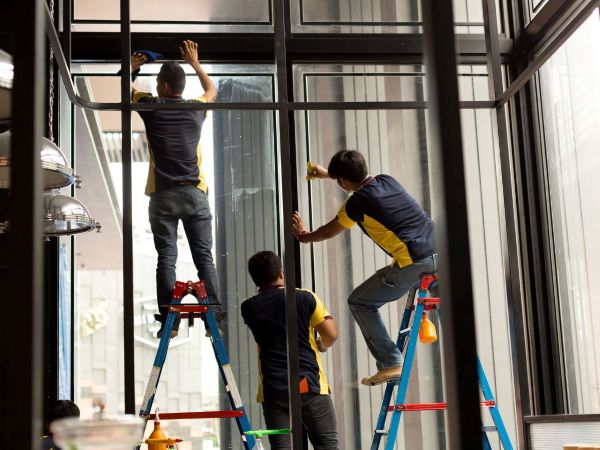
Partnering with a 3M Certified Installer, like Window Film Depot, mitigates these risks by ensuring the installation team possesses specialized expertise. Certification signifies that installers have undergone rigorous training directly from 3M, covering specific product handling, application techniques, and quality control protocols for their diverse range of architectural films. This specialized training extends beyond basic film application to include nuances specific to different film types, glass substrates, and environmental conditions.
Key benefits of working with a certified installer include:
- Product-Specific Knowledge: Deep understanding of 3M film properties, adhesive technologies, and optimal application methods.
- Adherence to Best Practices: Strict compliance with 3M’s recommended installation guidelines, ensuring durability and performance.
- Advanced Tooling and Techniques: Utilization of correct tools and proven techniques to achieve a flawless, bubble-free finish.
- Problem-Solving Acumen: Ability to anticipate and address potential installation challenges specific to varying site conditions or architectural designs.
Ensuring Product Warranty and Performance: The Link to Professional Application
A critical, yet often overlooked, aspect of film installation is its direct impact on product warranty. 3M’s comprehensive warranties for their architectural films are contingent upon professional installation by a certified applicator. Should an issue arise related to film performance or material defect, the warranty may be voided if the installation was not performed by a qualified entity. Beyond warranty considerations, professional application is fundamental to achieving the film’s advertised performance characteristics, such as light transmission, glare reduction, or UV protection. Only through precise installation can the film truly deliver its intended aesthetic and functional benefits consistently across all applications.
Project Management Benefits: Single Point of Contact for Quality Control and Accountability
For project managers overseeing complex commercial rollouts, simplifying vendor management is paramount. Engaging a certified national installer provides a single point of contact for film specification, procurement, and installation across multiple locations. This centralized approach streamlines communication, facilitates consistent quality control, and consolidates accountability. Instead of managing multiple local subcontractors with varying levels of experience and standards, a national partner offers a unified project delivery model. This significantly reduces administrative burden and ensures that project specifications, from film type to aesthetic alignment, are uniformly met across all sites.
De-risking Your Project: Why Experience with Architectural Finishes Matters
The installation of architectural film is a specialized trade, distinct from general construction or glasswork. An experienced installer understands how various architectural finishes interact with film, recognizing potential adhesion issues or surface preparation requirements. This experience allows for proactive identification and mitigation of risks before they become costly problems. From assessing glass conditions for optimal adhesion to managing temperature and humidity on site, a seasoned team de-risks the project by applying proven methodologies. Their expertise in large-scale logistics and problem-solving is invaluable, ensuring that the film application integrates seamlessly with other project timelines and trade coordination.
Mastering Large-Scale Rollouts: National Installation Logistics for Project Managers
Successfully deploying 3M Frosted Window Film across numerous commercial locations demands a sophisticated approach to logistics and project management. The challenge extends beyond mere installation to encompass standardization, coordination, and consistent quality across diverse environments.
The Complexity of Multi-Location Deployments: Standardization and Consistency
National or multi-location projects present unique complexities. Maintaining design consistency, brand aesthetics, and functional performance across numerous sites, often with varying architectural styles and operational requirements, is a significant undertaking. A centralized national installer ensures that the same high standards of material specification, preparation, and application are met at every location. This eliminates the variability inherent in using different local vendors for each site, guaranteeing that the final output is uniform and meets the project’s overarching design intent. Standardization in installation protocols means that every frosted film application, whether in a corporate office in New York or a retail branch in California, will adhere to the same quality benchmarks.
Centralized Project Management for Distributed Sites: Streamlining Communication
Effective communication is the backbone of any large-scale project, and even more so when dealing with distributed sites. A national installation partner offers a centralized project management structure. This model designates a single project manager who acts as the primary liaison, coordinating all aspects of the film installation across every location. This streamlined communication channel simplifies information flow, facilitates rapid decision-making, and ensures that all stakeholders, from site managers to design teams, are consistently updated. It drastically reduces the complexity and potential for miscommunication often associated with managing numerous individual contractors.
Supply Chain and Procurement for National Projects: Ensuring Timely Delivery
Managing the supply chain for a national rollout of specialized materials like 3M Frosted Window Film requires meticulous planning. A national partner possesses established relationships with 3M and robust logistical networks capable of managing large volume orders, coordinating shipping to multiple distinct sites, and ensuring on-time material delivery. This is crucial for maintaining project schedules and preventing costly delays due to material shortages or misdeliveries. Their experience in bulk procurement also often translates to economies of scale, providing cost efficiencies that benefit the overall project budget.
Site Surveys and Pre-Installation Planning: Addressing Unique Local Conditions
Even with standardized products and procedures, no two installation sites are identical. A comprehensive approach to national rollouts includes meticulous pre-installation planning, starting with detailed site surveys for each location. These surveys identify unique local conditions such as glass types, existing obstructions, environmental factors, access challenges, and specific client requirements. The data collected informs customized preparation plans, ensuring that installation teams arrive fully equipped and briefed on site-specific nuances. This proactive problem-solving minimizes surprises during installation, safeguarding project timelines and budget.
Post-Installation Support and Maintenance for Ongoing Performance
The project does not conclude once the film is installed. Reliable post-installation support and maintenance services are essential for ensuring the long-term performance and appearance of 3M Frosted Window Film. A national partner can provide consistent warranty support, conduct necessary repairs, or offer guidance on proper cleaning and care across all deployed sites. This ongoing commitment to service protects the initial investment, preserves the aesthetic and functional integrity of the film, and provides peace of mind for the project manager that the specified solution will continue to perform as intended for years to come.
Need More Info?
The Window Film Depot team is happy to help.
Project Execution in Practice: Navigating Multi-Location Frosted Film Deployments
Deploying frosted window film across multiple commercial locations introduces a distinct set of complexities that extend far beyond a single-site installation. For project managers overseeing national portfolios, the challenge lies in maintaining design integrity, ensuring consistent quality, and managing logistics efficiently across diverse geographies and often varying site conditions. Addressing these factors proactively is paramount to a successful rollout, preventing cost overruns, timeline delays, and brand inconsistency.
Illustrative Scenario: A National Retail Rebranding Initiative with Custom Fasara Film
Consider a national retail chain embarking on a comprehensive rebranding initiative. This project requires updating hundreds of storefronts and interior glass partitions with a new corporate aesthetic, including specific privacy zones, brand-aligned decorative elements, and custom logos integrated into the glass. The chosen solution involves a combination of 3M Fasara Decorative Window Films, selected for its premium finish, durability, and a custom-printed variant to incorporate precise branding. Each location has unique dimensions, local regulations, and operational hours that must be accommodated. This scenario underscores the need for a highly coordinated approach, where product selection, design adherence, and installation quality must be uniform across the entire network.
Overcoming Challenges: Ensuring Consistent Quality Across Diverse Geographies
Achieving uniformity in film application across multiple states or even countries is a significant hurdle for project managers. Local installers may vary in skill, experience with specialized films, and adherence to manufacturer specifications. This inconsistency can lead to disparate aesthetics, premature film failure, or non-compliance with warranty requirements.
- Standardized Installation Protocols: A national installer operates under a unified set of best practices and installation methodologies. This ensures that every technician, regardless of location, follows the same rigorous process, from surface preparation to film application and post-installation inspection.
- Certified Technician Network: Partnering with a provider like Window Film Depot, which maintains a nationwide network of 3M-certified technicians, guarantees a baseline of expertise. These professionals undergo regular training directly from 3M, ensuring proficiency with the latest films and installation techniques.
- Centralized Quality Control: A dedicated project management team implements a robust quality assurance program. This often includes remote checks, standardized reporting, and site visits to verify that installations meet both the client’s design specifications and 3M’s performance standards. This oversight minimizes variations and protects the long-term investment.
Budgeting and Phasing for Large-Scale Implementations: Financial Considerations
Large-scale frosted film deployments necessitate meticulous financial planning and a strategic approach to phasing. Effective budgeting considers not only the initial material and labor costs but also the potential for long-term savings and operational efficiencies.
- Holistic Cost Analysis: Beyond unit pricing, evaluate the total cost of ownership. This includes material acquisition, labor, project management overhead, quality control, and potential energy savings or maintenance reductions offered by specific film types. For instance, films that offer UV protection can extend the life of interior furnishings, contributing to long-term value.
- Strategic Phasing: Implementing the project in manageable phases allows for better budget control and minimizes disruption to ongoing operations. A phased rollout can be based on geographical clusters, store types, or critical deadlines. This also provides opportunities to apply lessons learned from earlier phases to optimize subsequent deployments, leading to efficiency gains and cost reductions.
- Value Engineering Opportunities: A seasoned partner can identify opportunities for value engineering without compromising performance or aesthetics. This might involve optimizing film cuts to minimize waste, recommending specific 3M film series that meet performance criteria more cost-effectively, or consolidating shipments to reduce logistics expenses.
The Role of a Dedicated National Project Manager in Facilitating Success
For ‘Project Manager Paul,’ the complexity of coordinating multiple local contractors, managing schedules, and ensuring consistent communication across a vast portfolio is a significant pain point. A dedicated national project manager from the installation partner acts as a singular point of contact, streamlining communications and de-risking the entire process.
- Single Point of Accountability: This individual oversees all aspects of the frosted film deployment, from initial consultation and site surveys to final installation and punch lists. They serve as the primary liaison between the client’s team and the installation network, simplifying communication channels.
- Logistical Command Center: The national project manager coordinates all logistics, including material procurement, warehousing, scheduling of installation teams, and managing site-specific requirements. This ensures that materials arrive on time and installations are executed according to the agreed-upon timeline.
- Proactive Problem Solving: Anticipating and mitigating potential issues, such as unforeseen site conditions or logistical challenges, is a core responsibility. Their expertise ensures that deviations from the plan are addressed swiftly and effectively, minimizing impact on the project schedule and budget.
Achieving Scalable Solutions: From Piloting to Full Rollout
A successful multi-location frosted film deployment often begins with a meticulously planned pilot program before scaling to a full rollout. This iterative approach refines the process and ensures seamless execution across the entire portfolio.
- Pilot Program Implementation: Select a representative subset of locations for an initial pilot. This allows for real-world testing of the chosen 3M films, installation techniques, logistical workflows, and quality control measures in a controlled environment.
- Feedback Loop and Optimization: Gather comprehensive feedback from the pilot sites and all stakeholders. Analyze performance metrics, identify any inefficiencies or challenges, and refine processes, materials, or design specifications based on these insights. This data-driven optimization ensures that the full rollout benefits from an optimized approach.
- Efficient Full Rollout: With a refined process and validated solutions from the pilot, the full-scale deployment can proceed with confidence. The national project manager leverages the established protocols and certified technician network to execute the rollout efficiently, ensuring consistency and adherence to the project’s overarching goals.
Conclusion: A Strategic Architectural Tool that Upgrades Commercial Spaces
3M frosted window film offers a powerful combination of privacy, natural light diffusion, and design flexibility, making it an essential solution for modern commercial interiors. Unlike traditional partitions or etched glass, it delivers a cost-effective and reversible way to enhance both functionality and aesthetics across offices, retail spaces, healthcare facilities, and hospitality environments.
For project managers and designers, its true value lies in its adaptability—supporting branding, improving occupant comfort, and maintaining architectural clarity without permanent alterations. When installed by a certified professional, it becomes a long-term design and performance upgrade that supports both operational efficiency and visual identity.
Ultimately, 3M frosted window film is not just a decorative material—it is a strategic architectural tool that helps create smarter, more comfortable, and more visually cohesive commercial spaces.
Frequently Asked Questions
What is 3M frosted window film used for in commercial buildings?
3M frosted window film is used to provide privacy, reduce glare, and enhance interior design while still allowing natural light to pass through. It is commonly applied to office partitions, conference rooms, healthcare spaces, and retail environments.
Does 3M frosted window film block natural light?
No, 3M frosted window film diffuses natural light rather than blocking it. This creates bright, comfortable interiors while obscuring direct visibility for privacy.
Can 3M frosted window film be customized with logos or branding?
Yes, 3M frosted window film can be precision-cut or digitally printed to include logos, patterns, or branding elements, making it ideal for corporate identity and architectural design integration.
How long does 3M frosted window film last in commercial applications?
When professionally installed, 3M frosted window film typically lasts 10–15 years or more, depending on environmental conditions and maintenance, with strong resistance to fading, peeling, and discoloration.