Table of Contents:
- From Vague Request to Precise Specification: Deconstructing ‘One Way Tint’
- The ‘One Way Tint’ Misnomer
- Translating Client Needs into Specifiable Reflective Film
- The Science of Privacy: How Light Differential Powers the Effect
- The ‘Reverse Effect’: Managing Nighttime Expectations
- Beyond Aesthetics: Key Performance Metrics for Specifying Privacy Film
- Comparing 3M™ Reflective Film Solutions for Commercial Buildings
- Matching Film Performance to Project Goals
- Partnering with a Certified Specialist for Your Rollout
- Your Blueprint for a Successful Privacy Film Project
- Frequently Asked Questions
- Related Posts from Window Film Depot
From Vague Request to Precise Specification: Deconstructing ‘One Way Tint’
On commercial construction and renovation projects, a client’s request for ‘one way tint’ is one of the most common yet misunderstood requirements. It signals a clear need for privacy, but the term itself does not correspond to a specific product.
Instead, it describes a visual effect achieved through the careful selection and application of professional-grade reflective window film.
Clients often associate this effect with one-sided glass, assuming it is a specialized glazing product that inherently provides privacy. In reality, one-sided glass is not a standalone solution for most commercial projects, and the same visual result is more commonly achieved through properly specified reflective window film.
This distinction is the critical first step for any project manager. Failing to translate this ambiguous request into a precise technical specification can lead to unmet expectations, costly change orders, and a solution that fails under real-world conditions.
Project success hinges on deconstructing the client’s goal and specifying a film based on performance data, not just a colloquial term.
The ‘One Way Tint’ Misnomer
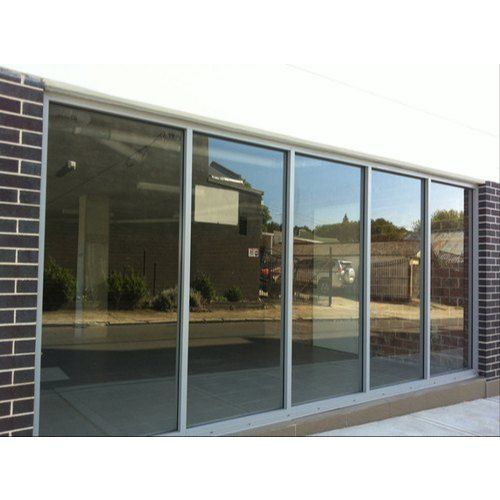
The primary misunderstanding stems from the name itself. No window film can function as a true one-way mirror in all conditions. The ‘one way’ or mirrored effect is not an inherent property of the film but a direct result of the light differential between the interior and exterior environments.
The film’s reflective surface will always be more pronounced on the side with a greater amount of light. During the day, the bright exterior creates a mirror-like finish for those looking in, ensuring daytime privacy for occupants. This effect is conditional. Understanding this principle is fundamental to specifying the correct privacy window film for office use and managing client expectations.
Translating Client Needs into Specifiable Reflective Film
As a project manager, your role is to guide the client from a vague desire for privacy to a concrete product specification. This involves a consultative process to define the project’s true performance requirements. When a client asks for a one way tint, it is essential to ask clarifying questions that map their needs to measurable film properties.
Key discovery questions include:
- What is the primary objective? Is the main driver daytime privacy for street-level offices, or is it a combination of privacy, solar heat rejection, and glare reduction for an entire building facade?
- What is the desired aesthetic? Is a highly reflective, mirrored window film look acceptable or even desired, or does the building’s design require a more neutral, less reflective appearance?
- What are the expectations for nighttime performance? Does the client understand that the privacy effect will reverse after dark? What provisions are in place, such as blinds or curtains, to manage nighttime privacy?
The answers to these questions allow you to move beyond aesthetics and focus on technical specifications like Visible Light Transmission (VLT) and Total Solar Energy Rejected (TSER).
The Science of Privacy: How Light Differential Powers the Effect
The effectiveness of any reflective window film is dictated by a simple principle: light. Understanding how a film interacts with light is essential for selecting a product that will perform as intended and for explaining its behavior to your client. The technology is advanced, but the concept that drives it is straightforward.
A standard pane of glass is transparent because light passes through it relatively evenly. Reflective window film changes this dynamic by bouncing a significant portion of light back toward its source. The mirrored effect occurs when the light on one side of the glass is significantly brighter than on the other. The side of the film facing the brighter environment will appear reflective, while the side facing the darker environment will remain transparent.
The high reflectivity needed for this effect is achieved through a manufacturing process called sputtering. During this process, thin layers of metals like silver or titanium are deposited onto a clear polyester film in a vacuum chamber. This multi-layered sputtered metal film is engineered to be highly reflective to visible light. The density and composition of these metallic layers determine the film’s key performance metrics. A film with a low VLT allows less light to pass through, while a high exterior reflectivity rating indicates that it will bounce more light back. The combination of these two data points produces a strong ‘one way’ mirror effect for daytime privacy.
The ‘Reverse Effect’: Managing Nighttime Expectations
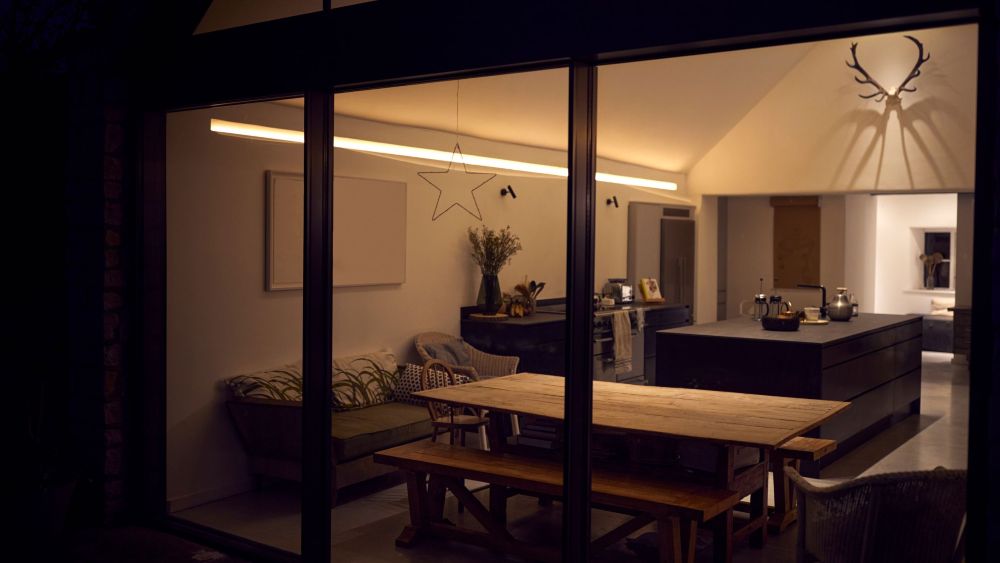
The most critical limitation to manage with a client is the ‘reverse effect’ at night. Once the sun sets and interior lights are switched on, the light balance that created daytime privacy is inverted. The inside of the building is now significantly brighter than the dark exterior.
As a result, the reflective properties of the film also reverse. From the outside, the film becomes transparent, allowing clear views into the illuminated space. From the inside, the window surface becomes a mirror, reflecting the room’s interior back at the occupants. It is imperative to communicate that this is a predictable physical behavior, not a failure of the product. This ensures the client understands that for comprehensive 24-hour privacy, reflective film must be paired with conventional solutions like blinds or curtains.
Beyond Aesthetics: Key Performance Metrics for Specifying Privacy Film
A successful privacy film specification moves beyond a simple aesthetic choice and into a technical evaluation of performance data. While a client may request a ‘one way tint’, what they actually seek is a specific level of performance that balances privacy, natural light, and energy efficiency.
Visible Light Transmission (VLT): Quantifying Privacy vs. Natural Light
VLT is the single most important metric for determining the strength of the one way mirror effect. Expressed as a percentage, VLT measures the amount of visible light that passes through a window. A lower VLT percentage indicates that less light is passing through, resulting in a darker interior and a more reflective exterior appearance during the day.
This creates a direct trade-off that project managers must navigate.
- For maximum daytime privacy, specifying a film with a very low VLT, for example 15-20%, is most effective. This creates a strong reflective look on the exterior.
- For balancing privacy with natural light, a film with a mid-range VLT, around 25-35%, is a more common specification. It provides substantial privacy while allowing a comfortable amount of daylight into the workspace.
Specifying a film with a VLT that is too low can result in an interior that feels dark or cavernous, an outcome that can lead to occupant complaints long after the project is complete.
Total Solar Energy Rejected (TSER): Integrating Energy Efficiency
While VLT governs privacy, TSER is the primary metric for a film’s energy performance. TSER measures the total amount of solar energy, including UV, visible light, and infrared, that is blocked from entering a building. A higher TSER value signifies better heat rejection, which translates directly into reduced cooling loads and tangible energy savings.
This metric allows you to build a stronger business case for the project beyond just privacy. By including TSER in your specification criteria, you transform the project from a simple privacy upgrade into a comprehensive building envelope improvement with a measurable return on investment through lower HVAC operational costs.
Glare Reduction and UV Protection: Added Project Value
Professional-grade reflective films deliver two other key benefits. First, glare reduction is a direct function of a lower VLT. By tinting the glass, the film softens the intensity of direct sunlight, significantly reducing eye strain for employees and improving visibility on screens. Second, all 3M™ Sun Control Window Films block over 99% of harmful ultraviolet (UV) rays. UV light is the leading cause of fading in furnishings, flooring, and artwork. By specifying a professional film, you are also installing a long-term asset protection measure.
Comparing 3M™ Reflective Film Solutions for Commercial Buildings
Once you have defined the performance criteria, the next step is to select a film series that aligns with those goals. The ‘one way mirror’ effect is primarily achieved with two distinct categories of 3M™ Sun Control Window Film: the Traditional Series and the Night Vision™ Series.
The 3M Traditional Series, such as the widely specified Silver P18, represents the classic reflective film. These films are characterized by high exterior reflectivity, delivering exceptional daytime privacy and a very high TSER for maximum energy savings. They create a uniform, sleek, and modern appearance. At night, however, their highly reflective nature is symmetrical, creating a strong mirror effect on the inside of the glass and obscuring views out.
In response, 3M developed the Night Vision™ Series. These films are engineered with a lower interior reflectivity than their exterior-facing surface. This proprietary construction allows them to provide strong daytime privacy and heat rejection while significantly reducing the internal mirror effect at night. Occupants can maintain their view to the outside after dark, a critical factor for executive offices, conference rooms, and high-rise residential units.
Matching Film Performance to Project Goals
The right film choice requires matching the specific performance data of a film to the clearly defined goals of a particular space.
- Goal: Maximum Daytime Privacy and Security. For a ground-floor data center where outbound nighttime views are irrelevant, a Traditional Series film with a low VLT is the ideal specification.
- Goal: Balanced Performance for a General Office. For a typical multi-story office building, a mid-range VLT film from the 3M Night Vision Series often provides the best solution, balancing privacy with the desire for natural light and nighttime views.
- Goal: Preserve Premium Views. For a penthouse conference room or waterfront restaurant, a higher VLT film from the Night Vision Series is the correct choice. The specification prioritizes excellent TSER and glare reduction to improve comfort but uses a lighter film with low interior reflectivity to ensure the view remains the main attraction.
The choice between these series impacts both the architectural character of the building and the 24-hour experience of its occupants. For any space where the connection to the outside after dark is valued, the engineered low interior reflectivity of the Night Vision Series is a critical feature that clients often overlook when simply asking for a ‘one way tint’.
Partnering with a Certified Specialist for Your Rollout
For large-scale projects spanning multiple sites, the choice of installation partner is as critical as the film specification. The complexity of managing quality and logistics across geographically diverse locations demands a level of expertise that only a certified specialist network can provide.
An expert partner prevents common but costly mistakes.
- Film-to-Glass Incompatibility: Certain films can increase thermal absorption, leading to thermal stress fractures in specific types of glass. A certified professional performs a glass audit to ensure the specified film is compatible and safe.
- Failure to Meet Project Goals: A film chosen for aesthetics might fail to meet heat rejection targets, resulting in negligible energy savings. Expert consultation ensures a balanced specification that aligns with all project KPIs.
- Poor Installation Quality: Contamination, bubbling, or edge peeling are hallmarks of improper installation. These issues compromise the film’s performance and lifespan and can void the manufacturer’s warranty.
Partnering with a national network of 3M™ Authorized Installers provides a comprehensive solution for managing complex, multi-site projects. This model combines the strength of a global materials leader with the agility of vetted, on-the-ground professionals. You gain a single source of truth for project management, from initial site audits and specification to final installation and warranty documentation. This simplifies a complex logistical challenge into a manageable, turnkey process.
Your Blueprint for a Successful Privacy Film Project
The client request for a one way tint is the starting point of a technical specification process. Successfully navigating it transforms a subjective desire for privacy into a quantifiable, high-performance building asset. The critical shift is to move the conversation away from aesthetics alone and toward a data-driven evaluation of the building’s specific environment and the client’s operational goals.
To translate a client’s request into a successful project outcome, remember these core principles.
- The Effect is Conditional: One-way privacy is entirely dependent on a light differential. The film can only leverage an existing light imbalance.
- Data Overrides Aesthetics: Metrics like VLT, exterior reflectance, and TSER are the true determinants of performance.
- Nighttime Reversal is a Reality: The privacy effect will reverse at night when interior lights are on. This must be communicated clearly to the client to plan for secondary privacy solutions like blinds.
- On-Site Mockups are Essential: Never commit to a full-scale installation without applying a large sample to the actual project glass to assess performance and secure client approval.
Moving forward, a structured approach is the most effective way to mitigate risk.
- Document Core Objectives: Work with the client to define what “privacy” means for their operations and quantify performance goals like heat rejection or glare reduction.
- Conduct a Site Assessment: Gather fundamental information about the site. Note the building’s orientation, identify light sources, and document the existing glass type.
- Engage a Technical Film Specialist: With your objectives and site data in hand, engage a certified installation partner. Present them with your requirements and challenges, not a predetermined product. This collaboration is the most reliable path to transforming a vague request into a successful, warrantied installation.
Partner with Window Film Depot to specify and install one-way tint that delivers consistent daytime privacy and long-term performance.
Frequently Asked Questions
What is one way tint?
The term one way tint describes the visual effect of a reflective window film, not a specific product. This effect, often called a one-way mirror, happens when one side of the glass is significantly brighter than the other. The film appears mirrored from the bright side, providing daytime privacy, while remaining transparent from the darker side.
Does one way privacy film work at night?
No, the privacy effect reverses at night. When interior lights are on and it’s dark outside, the light balance shifts. The inside becomes brighter, so people outside can see in clearly, while occupants inside will see a reflection of their own interior. For 24/7 privacy, reflective film must be combined with other solutions like blinds or curtains.
What is the difference between VLT and TSER for window film?
Visible Light Transmission (VLT) is the percentage of visible light that passes through the film. A lower VLT means a darker tint and stronger daytime privacy. Total Solar Energy Rejected (TSER) measures how much of the sun’s total energy (heat) is blocked. A higher TSER means better energy efficiency and reduced cooling costs.
Can I put reflective film on any type of glass?
Not always. Certain reflective films can increase thermal absorption, which can cause thermal stress fractures in some types of glass, especially older or non-tempered panes. It is critical to have a professional installer conduct a film-to-glass compatibility check to ensure the selected film is safe for your specific windows.
What’s the difference between 3M Night Vision and traditional mirrored film?
Traditional mirrored films are highly reflective on both the inside and outside. While they offer excellent daytime privacy, they create a strong internal mirror effect at night, blocking views out. The 3M Night Vision Series is engineered with lower interior reflectivity, which provides strong daytime privacy but reduces the mirror effect at night, allowing occupants to see outside after dark.