Table of Contents:
- What Defines Safety Glass? An Overview of Tempered and Laminated Glazing
- The Retrofit Dilemma: Challenges of Traditional Glazing Upgrades
- Introducing a Modern Alternative: 3M Security Window Film as a Value-Engineered Solution
- Unmatched Protection: Performance of 3M Security Film Under Duress
- Strategic Implementation: When to Choose Security Film for Your Project
- Partnering for Excellence: Maximizing Security Film Benefits with Expert Installation
- Conclusion: Elevating Security with Intelligent Glazing Solutions
- Frequently Asked Questions
- Related Posts from Window Film Depot
What Defines Safety Glass? An Overview of Tempered and Laminated Glazing
Safety glass refers to glazing materials specifically engineered to minimize injury in the event of breakage, distinguishing them from standard annealed glass, which shatters into dangerous, jagged shards. The two primary forms of construction managers encounter are tempered glass and laminated glass.
Tempered glass is manufactured by heating annealed glass to over 1,100°F and then rapidly cooling it. This process creates high compression in the outer layers and tension in the core. When tempered glass breaks, it disintegrates into small, relatively blunt, pebble-like fragments, significantly reducing the risk of deep lacerations.
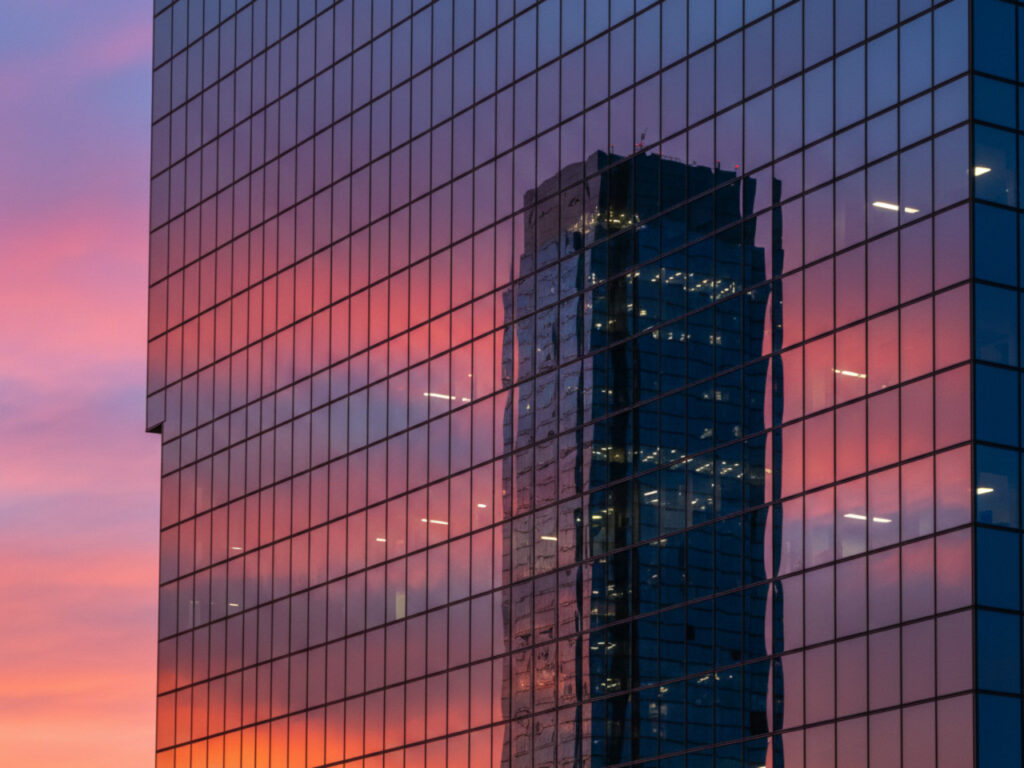
Laminated glass consists of two or more panes of glass bonded together with a clear, flexible interlayer, typically polyvinyl butyral (PVB). When laminated glass breaks, the glass fragments adhere to this interlayer, remaining largely contained within the window frame. This characteristic not only prevents dangerous shards from scattering but also maintains the integrity of the opening, offering a degree of security and protection from external elements even after impact.
Traditional Applications and Mandates: Where Safety Glass is Essential
Building codes and safety standards, such as those established by the International Building Code (IBC) and CPSC 16 CFR 1201, mandate the use of safety glazing in areas where human impact is most probable and consequential. These regulations are in place to safeguard occupants from injury. So, what is safety glass used for in these scenarios?
Common applications requiring safety glass include:
- Doors and Sidelites: Glazing in entry doors, patio doors, and adjacent sidelites up to 60 inches from the door.
- Bath and Shower Enclosures: To prevent severe cuts from slips or falls.
- Windows Near Walking Surfaces: Windows with a sill height 18 inches or less above the floor, and those with a single pane larger than 9 square feet.
- Overhead Glazing: Skylights and sloped glazing where falling glass could pose a hazard.
- Guards and Railings: Glass used in balustrades or guardrails for fall protection.
In these environments, traditional safety glass provides a fundamental level of protection, fulfilling critical code requirements for occupant safety.
The Critical Role of Glass in Building Safety and Security
Beyond its primary function of preventing injury upon breakage, glass plays a multifaceted role in overall building safety and security. It forms the transparent envelope that protects interiors from weather, provides natural light, and offers views, all while serving as a crucial barrier against unauthorized entry. Traditional safety glass offers varying levels of security depending on its specific construction. Laminated glass delays forced entry more effectively than tempered glass but lacks inherent resistance to aggressive attacks. Neither glass type can withstand sustained threats or bomb blasts without specialized enhancements. Understanding these limitations is key to evaluating where advanced security measures are necessary.
The Retrofit Dilemma: Challenges of Traditional Glazing Upgrades
For existing commercial properties, enhancing the safety and security performance of glazing often presents significant challenges, particularly when considering traditional full glass replacement. These obstacles frequently impact project budgets, timelines, and operational continuity.
High Costs and Budget Constraints in Full Glass Replacement Projects
Upgrading existing windows by replacing them with new safety glass units is often a financially intensive endeavor. The costs extend far beyond the mere price of the new glass itself. Project managers must factor in:
- Material Costs: Procuring custom-sized tempered or laminated glass units, especially for large or irregularly shaped openings.
- Labor Expenses: Skilled labor for the removal of existing glass, careful preparation of openings, and precise installation of new, often heavy, glass units.
- Equipment Rental: Specialized equipment such as cranes, lifts, and scaffolding may be necessary for upper floors or oversized installations, adding substantial rental fees.
- Disposal Fees: Environmentally sound disposal of old glass and associated materials.
- Ancillary Repairs: Potential damage to window frames, surrounding finishes, or interior elements during the replacement process, necessitating additional repair work.
These cumulative expenses can quickly escalate, placing immense pressure on project budgets and often leading to value engineering compromises elsewhere or scope reductions.
Operational Disruption and Extended Timelines for Commercial Retrofits
One of the most critical concerns for Project Manager Paul involves maintaining business continuity and adhering to project schedules. Full glass replacement inherently introduces significant operational disruption and extends project timelines, which can be particularly problematic for occupied commercial or public buildings.
Considerations include:
- Tenant and Occupant Impact: Temporary closures of offices, retail spaces, or public areas, leading to lost revenue or decreased productivity.
- Noise and Dust: The construction process generates unavoidable noise and dust, impacting building occupants and potentially requiring temporary relocation or after-hours work.
- Logistical Complexities: Staging areas for materials, ensuring safe access for workers and equipment, and managing waste effectively within an active environment.
- Extended Lead Times: Custom glass units often have lengthy fabrication lead times, which, when combined with complex installation schedules and potential weather delays, can significantly prolong the project duration.
These factors can lead to costly project delays, disrupt normal operations, and negatively impact the perception of the renovation process among stakeholders.
The Limitations of Conventional Solutions for Enhanced Security
While traditional safety glass provides fundamental protection, it often falls short when addressing advanced security threats in retrofit scenarios. Simply replacing annealed glass with standard tempered or laminated glass may not achieve the desired level of enhanced security for modern challenges.
- Tempered Glass Vulnerability: Although it breaks safely, tempered glass completely vacates the opening upon impact, leaving a large, immediate breach in the building’s envelope. This offers virtually no delay against forced entry or protection against ballistic threats.
- Laminated Glass Compromise: While laminated glass holds together in its frame after impact, the interlayer can still be compromised by repeated blows or specialized tools. This means it offers limited resistance against determined attackers or high-force impacts like severe weather debris or blast events, especially without robust framing systems designed to hold the glass in place.
For scenarios demanding robust protection against forced entry, active shooter incidents, or blast mitigation, traditional glass replacement alone typically does not provide a comprehensive solution without resorting to significantly more expensive and specialized glazing systems, which further compound the retrofit dilemma.
Introducing a Modern Alternative: 3M Security Window Film as a Value-Engineered Solution
Bridging the Gap: Security Window Film vs. Safety Glass for Existing Glazing
While traditional safety glass is an integral component of new construction, renovating existing structures often presents a challenge when current glazing falls short of modern safety and security standards. Full window replacement, though effective, is frequently cost-prohibitive, time-consuming, and highly disruptive. Advanced security window film, particularly solutions from 3M, offers a strategic alternative. This technology effectively “transforms” standard annealed or tempered glass into a robust safety and security barrier, retrofitting existing installations without the need for demolition or extensive structural changes. It enhances the glass’s integrity, mitigating risks associated with breakage and external threats.
The Science Behind 3M Security Film: Engineering for Durability and Performance
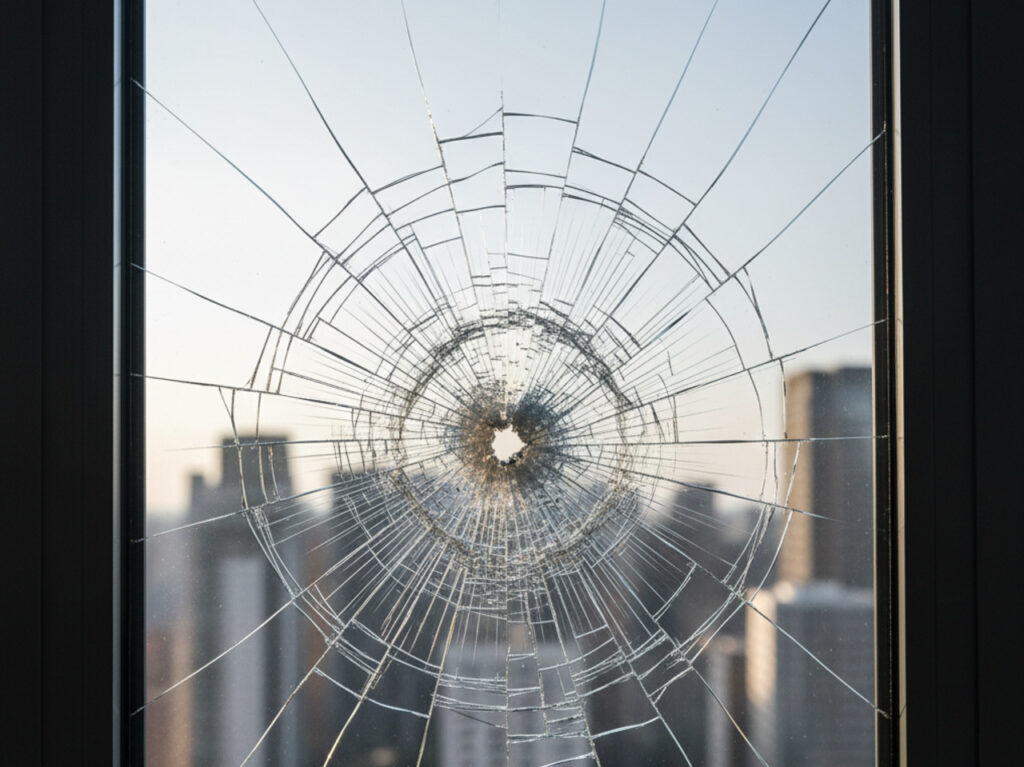
The efficacy of 3M security film is rooted in its sophisticated material science. These films are typically constructed from multiple layers of clear, high-tensile polyester, bonded together with proprietary, strong acrylic adhesives. This multi-ply construction is engineered to absorb impact energy and significantly increase the glass’s tear resistance. When applied to existing glass, the film forms a tenacious bond, effectively turning a brittle pane into a resilient membrane. Upon impact, instead of shattering into dangerous fragments, the glass remains adhered to the film, maintaining its structural integrity and preventing rapid breaches. This engineering ensures not only durability but also consistent performance under various stressors, making it a reliable layer of protection and an effective answer to how to make glass shatterproof.
Addressing Project Manager Pain Points: Cost-Effectiveness, Efficiency, and Minimized Disruption
For project managers navigating the complexities of renovation, 3M security film presents a compelling value proposition by directly addressing common pain points associated with upgrading glazing.
- Cost-Effectiveness: Implementing security film is significantly less expensive than full window or curtain wall replacement. It eliminates the high material costs of new safety glass, reduces labor expenses for removal and installation, and avoids the associated disposal fees. This makes it a financially prudent choice for budget-conscious projects.
- Installation Efficiency: The application of security film is a swift process compared to window replacement. Films can often be installed by trained technicians with minimal downtime, accelerating project timelines and allowing for faster occupancy or return to normal operations.
- Minimized Disruption: Installing film generates minimal noise, dust, or debris. This reduces interference with ongoing business operations, minimizes inconvenience for occupants, and streamlines coordination on busy construction sites. It avoids the logistical complexities and potential delays inherent in replacing entire window systems.
Unmatched Protection: Performance of 3M Security Film Under Duress
Beyond addressing project logistics, the primary advantage of 3M security film lies in its proven ability to enhance safety and security when tested by real-world threats.
Fortifying Against Threats: Forced Entry Resistance and Delaying Intruders
In security scenarios, time is a critical factor. 3M security film dramatically increases the time it takes for an intruder to breach a glass pane. While no glass is impenetrable, the film holds shattered glass together, creating a tough, flexible barrier that resists repeated impacts from blunt force. This extended delay provides valuable minutes for building occupants to react, secure safe zones, and for emergency responders to arrive. It transforms a vulnerable entry point into a significant deterrent, making an opportunistic break-in far less appealing and more challenging. This directly addresses the need for enhanced forced entry resistance in commercial building security upgrades.
Mitigating Hazards: Blast Protection and Glass Fragmentation Management
In the event of an explosion or extreme impact, the greatest danger often comes not from the blast wave itself, but from flying glass shards. 3M security films are engineered to hold glass fragments firmly in place, even when the glass itself is completely shattered. This capability is vital for blast mitigation, as it contains dangerous projectiles that can cause severe injury or fatality. By transforming what would be a deadly shower of glass into a contained, albeit damaged, window, the film significantly enhances occupant safety and reduces property damage from fragmentation.
Spontaneous Breakage and Environmental Resilience: Enhancing Safety Beyond Impact
Beyond intentional attacks or extreme impacts, glass can also break spontaneously due to manufacturing defects, thermal stress, or improper installation. Tempered glass, while strong, can shatter suddenly into thousands of pieces without warning, posing a significant hazard. 3M security film, such as the 3M Ultra Series, acts as an invisible net, containing these fragments if spontaneous breakage occurs, preventing them from falling and injuring occupants. This demonstrates how to make glass shatterproof for everyday risks. Furthermore, the film’s robust construction and UV inhibitors contribute to the overall environmental resilience of the glazing, helping to protect it from degradation over time and maintain its performance characteristics throughout its service life. This retrofit solution can also help contain spalled annealed glass, improving safety.
Strategic Implementation: When to Choose Security Film for Your Project
Assessing Specific Project Needs: A Framework for Glazing Security Upgrades
Determining the most effective glazing security upgrade for an existing structure requires a systematic evaluation. Rather than defaulting to full window replacement, which often carries significant logistical and financial burdens, project managers should consider a framework that prioritizes efficiency and impact. This framework helps identify when advanced security film presents the optimal solution.
Key considerations for assessment include:
- Current Glazing Condition: Evaluate the existing glass type, its age, and structural integrity. If the glass itself is in good condition, but lacks security or safety features, film is a prime candidate.
- Security Threat Level: Understand the specific risks your project faces, whether it is forced entry, blast mitigation, natural disaster protection, or simple smash-and-grab prevention. Different film constructions are engineered for varying threat levels.
- Budgetary Constraints: Compare the capital expenditure required for complete window replacement versus the application of security film. Film typically offers a significantly lower upfront cost.
- Project Timeline and Disruptions: Analyze the impact on building occupancy and project schedule. Film installation is often faster, less intrusive, and avoids the extended lead times associated with new window fabrication and installation.
- Aesthetic and Operational Needs: Assess if maintaining the existing architectural appearance is critical or if current operational continuity must be preserved. Film can be applied without altering window frames or causing prolonged operational shutdowns.
Long-Term Value and Return on Investment: The Economic Case for 3M Security Film
For project managers focused on fiscal responsibility, the economic advantages of 3M security film are compelling. While traditional glazing replacements are a significant capital outlay, investing in high-performance film offers a superior return on investment, particularly for existing buildings. The initial cost savings are substantial, as film negates the need for expensive demolition, disposal, and the procurement of new glass units.
Need More Info?
The Window Film Depot team is happy to help.
Beyond the immediate budget benefits, 3M security film contributes to long-term value through:
- Asset Preservation: It reinforces existing glass, extending the life of current window systems and delaying the need for full replacement.
- Energy Efficiency: Many security films also incorporate solar control properties, reducing HVAC loads and contributing to lower utility costs over the building’s lifespan.
- Reduced Operational Downtime: Quick installation minimizes disruption to occupants, allowing businesses or operations to continue with little to no interruption.
- Enhanced Safety and Security: By significantly improving impact resistance and holding glass fragments together, the film mitigates injury risk from accidental breakage, vandalism, or more severe threats, reducing potential liability and associated costs.
Navigating Building Codes and Achieving Compliance with Advanced Film Solutions
A critical aspect of any renovation project is ensuring compliance with relevant building codes and safety standards. Advanced security film solutions, such as those offered by 3M, are engineered and rigorously tested to meet or exceed stringent requirements for various applications. For accidental impact protection, certain films can upgrade standard annealed glass to meet safety glazing standards like CPSC 16 CFR 1201 Category II, avoiding costly glass replacement.
Specific 3M security films are tested against rigorous standards set by ASTM, GSA, and UFC. These films demonstrate proven resistance to forced entry, blast pressures, and severe weather impacts. They provide a certified pathway to meet modern security mandates without full structural modifications. Project managers can confidently specify these films using manufacturer testing data and certifications. This process helps satisfy regulatory bodies and ensures smooth project approval.
Partnering for Excellence: Maximizing Security Film Benefits with Expert Installation
The Importance of Certified Installers for Optimal Performance and Warranty Assurance
The effectiveness of any advanced glazing solution, particularly security film, is inextricably linked to the quality of its installation. Choosing certified installers is not merely a recommendation, it is a critical step in ensuring the film performs precisely as engineered and warranted. Certified professionals undergo extensive training, understanding the nuances of surface preparation, application techniques, and specific film types. This expertise is crucial for:
- Guaranteed Performance: Proper installation ensures the film adheres uniformly and integrates seamlessly with the glass, activating its full security and safety properties.
- Longevity and Durability: Correct application prevents common issues like bubbling, peeling, or premature degradation, maximizing the film’s lifespan and protective capabilities.
- Warranty Validation: Manufacturer warranties are typically contingent upon installation by certified professionals. Without it, the project risks voiding its investment protection.
From Initial Assessment to Flawless Application: A Seamless Implementation Process
A well-managed security film project follows a structured process designed for efficiency and minimal disruption, a key benefit for project managers. This seamless implementation ensures that the benefits of the film are realized without complicating project timelines or budgets.
The typical process includes:
- Detailed Site Survey and Threat Assessment: Understanding the existing conditions, glazing types, and specific security vulnerabilities.
- Product Specification and Selection: Recommending the most appropriate 3M security film for the identified threat level and compliance requirements.
- Pre-Installation Preparation: Meticulous cleaning of glass surfaces and protection of surrounding areas.
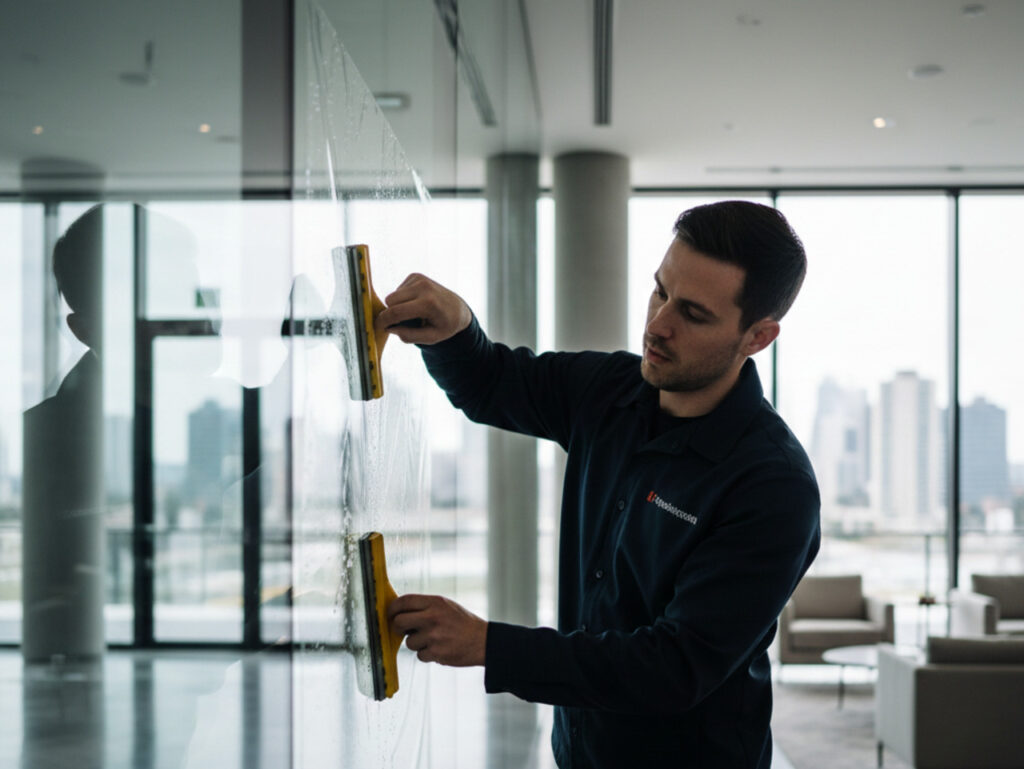
- Precision Film Application: Expert installers apply the film, often with minimal equipment and noise, ensuring a clean, bubble-free finish.
- Quality Control and Inspection: A thorough review to confirm adherence to specifications and a flawless finish.
- Curing and Post-Installation Care: Providing guidance on the film’s curing process and simple maintenance to ensure optimal longevity.
This methodical approach ensures a high-quality outcome with predictable scheduling and minimal impact on building occupants.
Building Trust: What to Look for in a National Security Film Partner and Why Expertise Matters
Selecting the right installation partner is paramount to maximizing the advantages of 3M security film. For project managers navigating complex construction or renovation projects, a national partner offers consistency, scale, and accountability. Key attributes of an ideal partner include:
- Proven Experience: A long track record of successfully completed security film projects across diverse sectors.
- National Reach and Consistency: The ability to execute projects uniformly across multiple locations, ensuring standardized quality and processes.
- Manufacturer Certification and Training: Direct endorsement and continuous training from manufacturers like 3M, signifying the highest level of product knowledge and installation skill.
- Comprehensive Project Management: A partner who can manage the entire process from initial consultation to post-installation support, streamlining coordination.
- Robust Warranty and Support: A clear, enforceable warranty on both the film and the installation, backed by a stable, reputable company.
- Deep Understanding of Codes and Standards: Expertise in helping projects meet relevant safety and security regulations.
Partnering with such an entity reduces project risk, ensures optimal film performance, and provides a reliable solution that supports the project’s overall success and financial objectives.
Conclusion: Elevating Security with Intelligent Glazing Solutions
Traditional safety glass is a foundational element for ensuring occupant safety in new construction. However, enhancing security in existing structures presents a distinct set of challenges for project managers. Renovation projects must identify effective solutions that align with tight budgets and aggressive timelines. Advanced 3M™ security film emerges as a strategic and budget-conscious decision for elevating building safety. This technology avoids the high costs and complexities associated with full window replacement. Project managers can now access a sophisticated alternative that delivers comparable or superior performance characteristics. This approach directly addresses common pain points like cost overruns and significant project delays.
Unmatched Efficiency and Value
Adopting advanced security film technology for existing glazing represents a value-engineered solution with multiple benefits:
- Cost-Effectiveness: Full window replacement entails substantial expenditures on new glass units, specialized labor for removal and installation, and disposal of existing materials. Security window film application, in contrast, leverages the existing infrastructure, drastically reducing material costs and installation labor, thereby preserving critical project capital.
- Expedited Timelines: The process of applying security film is significantly less disruptive and time-consuming than replacing entire window systems. This efficiency minimizes on-site work, reduces potential delays, and allows projects to remain on schedule, a key concern for any project manager.
- Enhanced Performance: Modern security films are engineered to meet stringent impact resistance standards, transforming standard glass into a robust barrier against forced entry, blast threats, and natural disasters. Beyond security, these films often provide added benefits such as UV rejection, which protects interior furnishings, and improved energy efficiency, contributing to long-term operational savings.
Integrating advanced security film allows project managers to achieve robust building security upgrades easily. This intelligent approach delivers higher value to owners while navigating project complexities. Critical safety standards are met or exceeded within the realities of renovation budgets and schedules. This solidifies a building’s resilience without compromising project viability.
Frequently Asked Questions
What is safety glass used for in commercial buildings?
Safety glass is primarily used in commercial buildings where there is a high risk of human impact, such as doors, windows near walking surfaces, and overhead glazing, to prevent severe injuries from shattered glass. It is mandated by building codes to protect occupants.
What is the main difference between security window film and safety glass for existing buildings?
Traditional safety glass (like tempered or laminated glass) is a construction material designed for specific safety requirements, primarily in new builds. Security window film is a retrofit solution applied to existing glass. While both enhance safety, security film offers a more cost-effective, less disruptive, and faster way to upgrade existing windows for enhanced protection against forced entry, blast mitigation, and glass fragmentation without full glass replacement.
How does security window film make glass shatterproof?
Security window film, especially multi-layered films like 3M Ultra Series, significantly increases the glass’s resistance to impact and tear. If the glass does break, the strong adhesive and flexible film hold the shattered fragments together, preventing them from scattering and maintaining the integrity of the window opening. This transforms ordinary glass into a resilient, shatter-resistant barrier.
Can security window film help my commercial building meet current security standards?
Yes, high-performance security window films are rigorously tested against industry standards such as ASTM, GSA, and UFC for forced entry, blast mitigation, and severe weather. These certifications allow project managers to specify film solutions to meet or exceed modern security mandates and building codes for commercial building security upgrades, often at a fraction of the cost and disruption of full glass replacement.