Table of Contents:
- The Silent Threat: Quantifying UV Damage in Commercial Interiors
- Beyond Standard Glazing: Defining Professional-Grade UV Protection in Windows
- Precision in Specification: Key Performance Metrics for UV Film Selection
- Strategic Solutions: Navigating 3M™ Film Technologies for Optimal UV Mitigation
- From Planning to Project Closeout: Integrating UV Film Installation into Construction Schedules
- Illustrative Scenarios: Safeguarding Client Investments with Proactive UV Protection
- Conclusion: Critical Asset Protection and the Future of Commercial Glazing
- Frequently Asked Questions
- Related Posts from Window Film Depot
The Silent Threat: Quantifying UV Damage in Commercial Interiors
For construction managers, understanding the latent risks inherent in design specifications is paramount to successful project delivery and client satisfaction. Among these, the long-term impact of solar radiation often remains under-addressed in standard construction protocols. Ultraviolet (UV) damage, though initially subtle, represents a critical project risk that can significantly devalue a client’s commercial, retail, or educational asset over its lifespan. Specifying high-performance uv protection in windows is a proactive measure against this silent threat.
The deterioration caused by UV radiation extends far beyond superficial fading. Within commercial interiors, this silent threat can lead to substantial, unbudgeted expenditures for asset replacement and facility maintenance. Hardwood floors warp and discolor, luxury vinyl planks degrade, and carpets lose their structural integrity, necessitating premature replacement cycles.
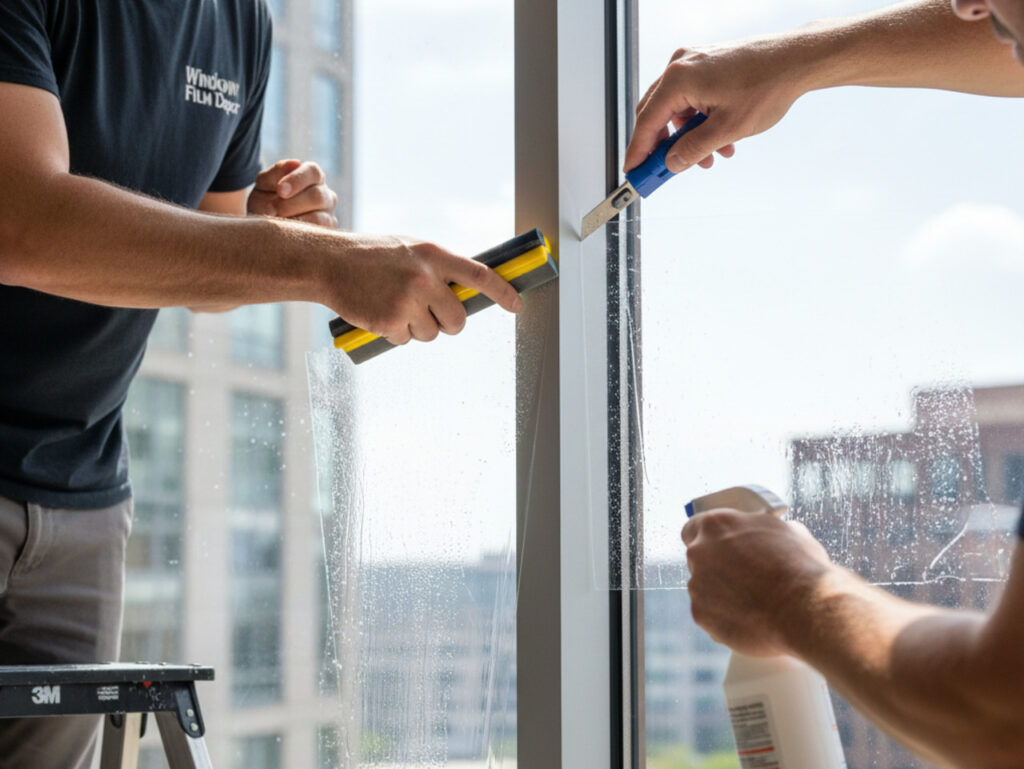
Beyond flooring, furnishings such as upholstery, artwork, and expensive display merchandise in retail environments are highly susceptible. These assets often represent significant capital investments for clients. The cumulative damage diminishes their aesthetic appeal and functional lifespan, directly impacting the client’s operational costs and brand image. Quantifying this damage involves assessing the accelerated depreciation of interior assets and the unforeseen costs associated with their early replacement or restoration, directly affecting a project’s long-term financial viability.
Beyond Aesthetics: The Irreversible Impact on Client Assets
The consequences of unchecked UV exposure are not merely cosmetic. They inflict irreversible structural and material degradation that fundamentally compromises the integrity and value of interior assets. This goes beyond the visual fading of fabrics to include the chemical breakdown of polymers, dyes, and protective coatings used in a wide array of building materials and tenant fixtures.
Consider museum-quality exhibits in educational institutions or high-end retail displays. Their value is intrinsically linked to their preservation. Ultraviolet radiation accelerates oxidation and photochemical reactions, leading to embrittlement, cracking, and loss of material strength. This degradation can invalidate manufacturer warranties on high-performance materials, creating unforeseen liabilities and undermining the projected lifespan of interior finishes. Protecting these assets from the outset is a proactive measure that mitigates future operational headaches and demonstrates a commitment to the client’s long-term investment.
Understanding Ultraviolet Radiation: UVA, UVB, and Their Destructive Power
To effectively address UV damage, it is crucial to understand the specific components of ultraviolet radiation and their distinct mechanisms of harm. The solar spectrum includes two primary types of UV radiation that penetrate the Earth’s atmosphere and building envelopes:
- UVA (320-400 nm): This longer wavelength UV radiation accounts for approximately 95% of the UV light reaching interior spaces. While often associated with skin aging, UVA penetrates deep into materials, initiating chemical reactions that lead to long-term fading, yellowing, and degradation of polymers, dyes, and other organic compounds. Its continuous presence, even on cloudy days, makes it a persistent threat to indoor assets.
- UVB (280-320 nm): Although a smaller fraction of the total UV spectrum, UVB is more energetic and accounts for most direct photochemical damage. It is responsible for issues like material embrittlement, chalking, and the breakdown of surface coatings. While standard architectural glass blocks a significant portion of UVB, sufficient levels can still penetrate, contributing to the overall deterioration process.
Both UVA and UVB contribute synergistically to material breakdown, accelerating the aging process of interior finishes, artwork, and merchandise. A comprehensive protection strategy must therefore address the full spectrum of harmful ultraviolet radiation.
Beyond Standard Glazing: Defining Professional-Grade UV Protection in Windows
Relying solely on standard window glazing for UV protection in windows for commercial projects is a critical oversight. While glass offers some inherent UV blocking, it is rarely sufficient to prevent the long-term damage that impacts asset value. Specifying professional-grade UV protection film represents a distinct engineering decision, not merely an aesthetic choice.
The Limitations of Untreated Commercial Glazing
Standard architectural glass, whether single-pane or insulated glazed units (IGUs), offers varying degrees of UV rejection, but typically falls short of comprehensive protection. Clear float glass, for instance, may block most UVB radiation but allows a significant percentage of UVA to pass through. Even tinted or low-emissivity (low-E) glass, primarily designed for solar heat gain control, often prioritizes thermal performance over broad-spectrum UV filtration.
- Standard Clear Glass: Blocks approximately 25-50% of UVA.
- Insulated Glazing Units (IGUs): May offer slightly improved UVA blockage due to multiple panes, but still allows substantial UV transmission.
- Low-E Glass: While effective at reflecting infrared radiation (heat), its UV-blocking properties are often incidental and not optimized for comprehensive UV protection, frequently allowing 30-50% UVA transmission.
This inherent limitation of commercial glazing means that without supplemental protection, interior assets remain vulnerable to the cumulative effects of UV exposure, leading to premature deterioration and hidden costs for the client.
What Constitutes True UV Protection: More Than Just ‘Tint’
The term “tint” is often used loosely, but it fails to capture the technical specifications and performance characteristics of professional-grade UV protection film. True UV protection is not simply about darkening a window or reducing visible light transmission (VLT). It is about the selective rejection of harmful UV wavelengths while maintaining optical clarity and desirable VLT levels.
Professional UV protection films are engineered products designed with a specific spectral selectivity, meaning they block or absorb particular wavelengths of the electromagnetic spectrum. Unlike decorative commercial window tinting, which might offer incidental UV reduction, these films are specifically formulated to achieve a high Ultraviolet Transmission (UVT) rejection rate, typically exceeding 99% for both UVA and UVB, irrespective of their visible light transmission properties. This high level of UV filtration is achieved without significantly altering the aesthetic appearance of the glass or compromising interior illumination, making it a critical component for asset protection.
The Science Behind Advanced UV Film Technology
Advanced UV film technology relies on a sophisticated multi-layer construction that precisely manipulates the transmission of solar radiation. These films are not just dyed plastic. They incorporate specialized materials and manufacturing processes:
Multi-Layer Construction
Professional-grade films typically consist of several layers, each serving a specific function:
- Adhesive Layer: A strong, optically clear adhesive ensures a durable bond to the glass, resisting peeling or bubbling over time.
- UV Absorber Layers: These critical layers contain specialized polymers and chemical compounds that absorb and dissipate UV radiation before it can pass through the glass. These absorbers are engineered for long-term stability and high efficiency across the UVA and UVB spectrums.
- Polyester Substrates: Optically clear, durable polyester (PET) forms the core of the film, providing structural integrity and optical clarity.
- Scratch-Resistant Coating: An exterior hard coat protects the film from abrasions during cleaning and daily use, ensuring long-term performance and aesthetic integrity.
Spectrally Selective Filtration
The core of the technology lies in spectrally selective filtration. This means the film is designed to permit high levels of visible light (VLT) while rejecting a very high percentage of UV radiation (low UVT). This contrasts with older film technologies or generic commercial window tinting that might block UV, but often at the expense of reducing visible light and creating a darkened interior. Modern UV films achieve this selectivity by incorporating advanced ceramic or metallic nanoparticles, or by utilizing specific dyes and polymers within the absorber layers that only interact with harmful UV wavelengths. This precise engineering ensures maximum asset protection without impacting interior illumination or the architectural design intent.
Precision in Specification: Key Performance Metrics for UV Film Selection
Effective specification of UV protection film hinges on a nuanced understanding of its performance metrics. For construction managers, these technical specifications are not just numbers. They represent the quantifiable protection and long-term value delivered to the client, directly addressing their demands for asset preservation and operational efficiency.
UV Rejection Rates: The Critical Factor for Asset Preservation
The primary function of UV film is to mitigate the harmful effects of solar ultraviolet radiation. A film’s UV rejection rate, typically expressed as a percentage, quantifies its ability to block both UVA and UVB rays, which are the primary culprits behind fading, degradation, and damage to interior furnishings, flooring, artwork, and merchandise. High-performance films consistently achieve a UV rejection rate of 99% or greater. Specifying films with this high level of UV blocking capacity is paramount for safeguarding interior assets, ensuring the aesthetic and structural integrity of a client’s investment over its lifecycle. This directly translates to reduced depreciation of valuable assets, a critical aspect of long-term client value.
Need More Info?
The Window Film Depot team is happy to help.
Managing Solar Heat Gain: TSER and Energy Efficiency Considerations
Beyond UV protection, the film’s ability to manage solar heat gain significantly impacts a building’s energy consumption and occupant comfort. Total Solar Energy Rejected (TSER) is the key metric here, indicating the percentage of total solar energy (UV, visible light, and infrared) that is blocked by the film. A higher TSER value denotes greater heat rejection, which directly reduces the load on HVAC systems. This translates to substantial operational cost savings for the client, contributing to the project’s overall return on investment and aligning with increasingly stringent energy efficiency mandates. Modern spectrally selective films offer high TSER while maintaining high visible light transmission, presenting an optimal balance for many commercial applications, enhancing overall energy efficiency.
Visual Light Transmission (VLT) and Glare Reduction: Balancing Protection with Aesthetics
Visual Light Transmission (VLT) specifies the percentage of visible light that passes through the film. This metric is crucial for maintaining interior brightness and preserving exterior aesthetics. While higher VLT is often desirable for natural light, films also play a vital role in glare reduction. Excessive glare can impair visibility, reduce productivity in office and educational environments, and detract from the retail experience. Selecting films with an appropriate VLT and glare reduction properties ensures comfortable interior environments without compromising the film’s protective capabilities. This balanced approach directly addresses client aesthetic demands while enhancing the functional usability of interior spaces.
Durability and Longevity: Ensuring Long-Term Client Value
The long-term value proposition of UV film is intrinsically linked to its durability and longevity. High-quality commercial-grade films are engineered for extended performance, typically featuring robust adhesive systems and scratch-resistant coatings. Manufacturers’ warranties, often spanning 10 years or more for commercial applications, serve as a reliable indicator of expected lifespan and performance under specified conditions. Specifying films from reputable manufacturers with comprehensive warranties provides construction managers and clients with assurance regarding the film’s sustained efficacy and reduces potential future maintenance costs, thereby maximizing the client’s asset protection strategy.
Certifications and Industry Standards for Commercial Applications
For commercial projects, adherence to industry certifications and standards is not merely a benchmark. It is a critical component of risk mitigation and quality assurance. Organizations like the National Fenestration Rating Council (NFRC) provide standardized performance ratings, enabling objective comparison of film products. Additionally, products contributing to green building certifications such as LEED (through the Green Building Certification Institute, GBCI) offer tangible benefits for clients aiming for sustainable building practices. Specifying films that meet or exceed these established standards ensures that performance claims are validated by independent third parties, providing confidence in the film’s ability to deliver specified environmental and protective benefits. The Skin Cancer Foundation also recognizes films that effectively block harmful UV rays.
Strategic Solutions: Navigating 3M™ Film Technologies for Optimal UV Mitigation
Leveraging advanced film technologies requires a strategic approach, particularly when selecting solutions from industry leaders like 3M. Their diverse portfolio offers construction managers precise tools to address specific project challenges and client requirements, enhancing UV protection in windows.
Overview of 3M™ Sun Control Window Films: A Portfolio for Diverse Needs
3M offers an extensive range of 3M Sun Control Window Film, designed to meet a broad spectrum of performance and aesthetic requirements across various sectors. These films are engineered with proprietary technologies to deliver specific benefits, from basic UV blockage to advanced solar heat rejection, glare reduction, and enhanced privacy. This comprehensive portfolio ensures that construction managers can select a tailored solution that precisely aligns with the unique demands of each project, protecting assets and optimizing interior environments. For example, 3M UV window film options provide superior fade protection film benefits.
Understanding Performance Tiers: From Basic UV Block to Multi-Functional Solutions
3M’s sun control films are categorized into distinct performance tiers, allowing for a strategic selection based on project objectives:
- Traditional Films: These often provide significant UV rejection and moderate solar heat gain reduction, suitable for general-purpose applications where cost-effectiveness and basic protection are primary.
- Ceramic Series: Utilizing advanced ceramic technology, these films offer enhanced heat rejection without a metallic appearance, maintaining a neutral aesthetic and strong UV protection.
- Prestige Series: Representing the pinnacle of 3M’s spectrally selective technology, these films reject a high percentage of solar heat, including infrared, while allowing maximum visible light transmission and offering exceptional clarity. They provide superior comfort and energy savings with virtually no change to the building’s exterior appearance.
Understanding these tiers enables construction managers to balance initial investment with long-term performance benefits, ensuring the chosen 3M UV window film effectively mitigates solar risks.
Matching Film Properties to Project Demands: Retail, Education, and Museum Contexts
The application of UV protection film is highly context-dependent, with specific properties aligning best with different sectoral demands:
- Retail Environments: The priority is often twofold: protecting valuable merchandise from fading due to UV exposure and maintaining clear, inviting storefront visibility. Films with high UV rejection (99%+) are critical, combined with balanced VLT to avoid dimming the retail space, and good TSER to reduce cooling costs. This offers excellent fade protection film qualities.
- Educational Facilities: Creating comfortable, glare-free learning environments is paramount. Films that provide significant glare reduction are beneficial, alongside TSER properties to manage classroom temperatures and UV protection for educational materials and technology. These films enhance student concentration and reduce energy overhead.
- Museums and Galleries: Asset preservation is the absolute top priority. Museums often require films offering near-total UV elimination (99.9% blocking) to protect irreplaceable artifacts, textiles, and artwork from irreparable solar damage. Maintaining precise climate control and sometimes very specific VLT characteristics are also crucial.
This tailored approach ensures that the specified 3M Sun Control Window Film directly addresses the client’s most critical operational and asset protection needs, providing a strategic solution rather than a generic application.
The Installer Advantage: Partnering with the #1 U.S. 3M Window Film Installer
The performance of even the most technologically advanced UV film is ultimately dependent on precise, professional installation. Partnering with the #1 U.S. 3M Window Film Installer provides a significant advantage for construction managers. Such installers possess unparalleled expertise in product application, ensuring films are installed according to 3M’s rigorous specifications. This expertise translates to:
- Optimized Performance: Correct installation guarantees the film delivers its advertised UV rejection, TSER, and VLT properties.
- Warranty Compliance: Proper installation is often a prerequisite for manufacturer warranty validation, securing the client’s long-term investment.
- Project Efficiency: Experienced installers work efficiently, minimizing disruption to project schedules and ensuring a high-quality finish.
- Reduced Risk: Mitigating the risk of installation errors, callbacks, and compromised film integrity, which can lead to costly rework and project delays.
Engaging a top-tier installer is a critical component of a comprehensive risk mitigation strategy, ensuring the client receives the full benefit of their investment in high-performance UV protection film.
From Planning to Project Closeout: Integrating UV Film Installation into Construction Schedules
Effective integration of professional UV protection film is a multi-stage process, demanding meticulous attention from initial concept through to client handover. It is not an afterthought but a planned component that directly influences the longevity and performance of a facility. Successful project execution requires a clear understanding of how film application aligns with broader construction timelines and quality assurance protocols.
Pre-Construction Planning: Assessing Needs and Site-Specific Considerations
The foundation of any successful film integration lies in comprehensive pre-construction planning. This phase involves a detailed assessment of the project’s specific requirements, considering the building’s orientation, glass types, interior finishes, and the client’s operational objectives. Key factors include:
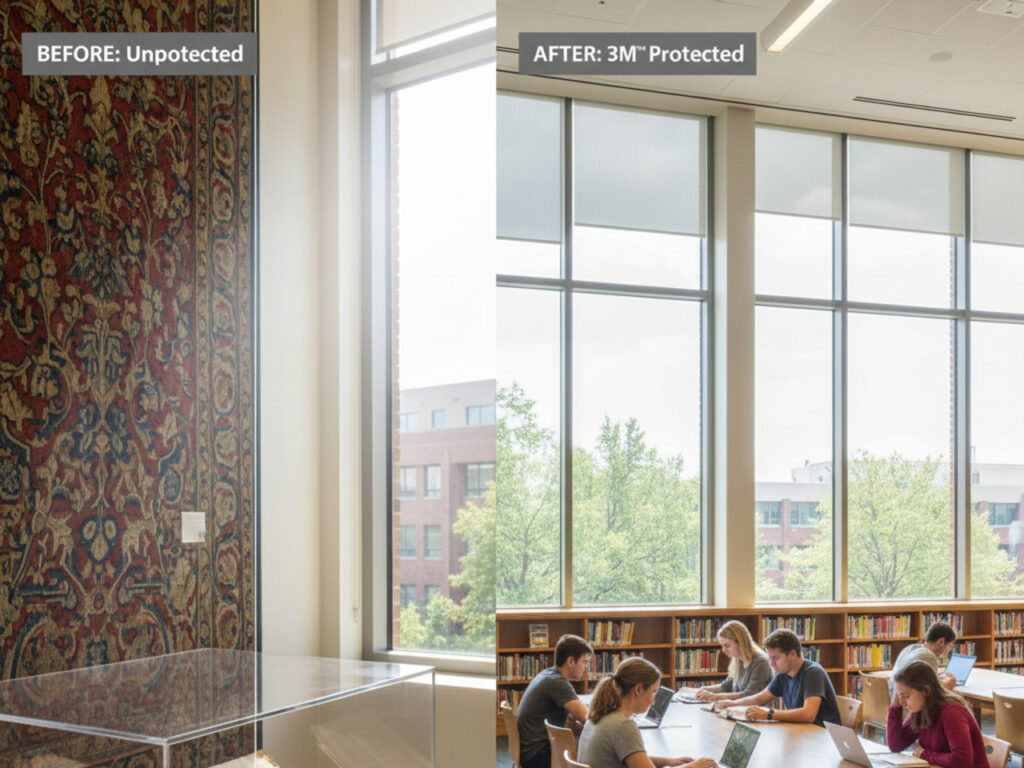
- Solar Load Analysis: Evaluate the building’s exposure to direct and indirect solar radiation throughout the day and year. This informs the necessary UV rejection, visible light transmission (VLT), and solar heat gain coefficient (SHGC) targets.
- Asset Sensitivity: Identify specific interior assets requiring protection, such as high-value retail merchandise, sensitive artwork, educational materials, or executive furniture. The degradation rate of these materials dictates the required UV blocking efficacy.
- Code Compliance and Warranties: Verify that selected films meet local building codes, energy efficiency standards, and maintain existing window system warranties. Professional films are engineered to integrate seamlessly without compromising structural integrity.
- Aesthetic Alignment: Consider the desired aesthetic outcome, whether a virtually invisible film for maximum transparency or a commercial window tinting film for glare reduction and enhanced privacy. This is balanced against performance metrics.
By addressing these points early, construction managers ensure the chosen film solution is optimized for performance, aligned with project specifications, and minimizes potential issues during later stages.
Installation Logistics: Minimizing Disruption and Ensuring Quality
Efficient installation is paramount to avoiding project delays and ensuring the film’s long-term performance. This requires strategic planning and coordination with other trades on site.
- Scheduling and Sequencing: UV film application is typically one of the final stages for interior finishes, often following drywall, painting, and flooring. It necessitates a clean, dust-free environment to prevent imperfections. Coordination ensures this stage is completed efficiently without impacting critical path activities.
- Site Preparation: Adequate space for film cutting, water access, and waste disposal must be allocated. Proper protection for adjacent surfaces, such as floors and furniture, is crucial.
- Qualified Personnel: Employing certified, factory-trained installers is non-negotiable. Their expertise ensures correct material handling, precise cutting, clean application techniques, and adherence to manufacturer specifications. This minimizes bubbles, creases, and premature adhesion failure.
- Quality Control Checkpoints: Implement clear inspection protocols during and immediately after installation. This includes verifying film type, edge sealing, absence of defects, and proper curing conditions.
Proactive management of these logistics guarantees a high-quality finish and validates the investment in professional film technology.
Post-Installation Care and Warranty Considerations
Post-installation, client education and clear warranty guidelines are essential components of project closeout. These steps solidify the film’s long-term value proposition.
- Curing Period: Inform clients about the film’s curing process, which can take several weeks depending on environmental conditions. During this time, minor haziness or moisture pockets may be visible but will dissipate naturally.
- Maintenance Protocols: Provide specific instructions for cleaning and maintaining the film, generally involving non-abrasive cleaners and soft cloths. Improper cleaning can damage the film and void warranties.
- Warranty Documentation: Supply comprehensive warranty documents covering product defects, adhesion, peeling, bubbling, and discoloration. Professional films typically carry warranties ranging from 10 to 15 years, or even lifetime for certain applications, signifying their durability and manufacturer confidence.
- Service and Support: Outline channels for future service inquiries or warranty claims. This transparency reinforces the commitment to long-term asset protection.
A well-documented care and warranty plan ensures clients can maximize their investment and maintain the film’s performance over its intended lifespan.
ROI and Long-Term Value Proposition for Clients and Stakeholders
Specifying professional UV protection film delivers tangible return on investment (ROI) that extends far beyond initial installation costs. For both clients and project stakeholders, the long-term value proposition is compelling.
- Asset Preservation: By blocking up to 99% of harmful UV rays, the film drastically slows the fading and degradation of interior furnishings, flooring, artwork, and merchandise. This extends the lifespan of expensive assets, deferring replacement costs.
- Energy Efficiency: Many UV films also incorporate solar control properties, reducing solar heat gain. This can lead to measurable reductions in HVAC operating costs and contribute to LEED credits.
- Enhanced Occupant Comfort: Reduced glare improves visual comfort for occupants, particularly in retail and office environments. Stabilized interior temperatures contribute to a more pleasant and productive atmosphere.
- Reduced Insurance Claims: Protecting valuable assets from sun damage can indirectly reduce the frequency of claims related to property depreciation or merchandise spoilage, preserving insurance rates.
- Increased Property Value: A well-maintained interior with protected assets contributes to a higher perceived and actual property value, appealing to potential tenants or buyers.
This strategic investment translates into significant operational savings, enhanced asset value, and a more sustainable, comfortable environment, directly addressing Project Manager Paul’s need to deliver on critical client demands.
Illustrative Scenarios: Safeguarding Client Investments with Proactive UV Protection
The strategic application of UV protection film transcends a single benefit, offering tailored solutions that directly address sector-specific challenges and protect diverse client investments. The following scenarios underscore its essential role as a risk mitigation strategy.
Preserving High-Value Merchandise in Retail Environments
In retail, merchandise is a direct investment, and its appearance directly impacts sales. Sunlight exposure through storefront windows and skylights is a constant threat to inventory value.
- Mitigating Fading and Discoloration: Textiles, leather goods, apparel, and even electronics packaging can fade, crack, or discolor rapidly when exposed to ultraviolet radiation. This damage renders merchandise unsellable at full price, leading to markdowns and significant financial losses.
- Maintaining Brand Integrity: Consistent product quality and presentation are critical for brand image. UV film ensures that products displayed near windows retain their original vibrancy and structural integrity, reinforcing a premium perception. This provides effective fade protection film benefits.
- Extending Display Life: Store fixtures, mannequins, and visual merchandising elements are also susceptible to sun damage. UV film protects these investments, reducing the frequency and cost of replacement.
For a retail client, the film’s ROI is directly tied to preserving inventory value and maintaining store aesthetics, translating into retained revenue and enhanced customer experience.
Protecting Educational Resources and Learning Spaces
Educational institutions house substantial investments in learning materials, technology, and interior finishes, all vital for an effective learning environment.
- Safeguarding Curricular Assets: Books, posters, educational displays, and digital screens (which can suffer UV-induced degradation of their polarized layers) are protected from premature aging and fading. This ensures resources remain usable and legible for their intended lifespan.
- Preserving Furniture and Equipment: Classroom desks, chairs, library shelving, and AV equipment are significant capital expenditures. UV film protects their surfaces from cracking, discoloration, and material breakdown, extending their service life and reducing replacement cycles.
- Enhancing Learning Comfort: Beyond protection, UV films can reduce glare on whiteboards and computer screens, improving visibility and reducing eye strain for students and educators. This contributes to a more conducive and comfortable learning atmosphere.
By protecting these assets, UV film helps institutions allocate budget towards new educational initiatives rather than premature replacements, securing the long-term functionality of learning spaces.
Maintaining the Integrity of Art and Artifacts in Cultural Institutions
Museums, galleries, and archives are custodians of irreplaceable cultural heritage. Ultraviolet radiation is one of the most destructive environmental factors for these sensitive collections.
- Preventing Irreversible Damage: UV light accelerates the deterioration of organic materials such as paper, textiles, pigments, wood, and photographs, leading to fading, embrittlement, and color shifts. This damage is irreversible and can significantly diminish an object’s historical or artistic value.
- Adherence to Conservation Standards: Professional UV films are critical for meeting stringent conservation guidelines. They enable natural light to be used in exhibit spaces while providing the necessary protection, often blocking over 99% of UV rays without significantly altering visible light transmission.
- Long-Term Preservation Strategy: Integrating high-performance UV film is a fundamental component of a comprehensive environmental control strategy. It protects permanent collections and allows for safer exhibition of loaned items, reassuring lending institutions of proper care.
For cultural institutions, UV film is not merely a protection. It is an indispensable tool for preserving the past for future generations, directly safeguarding their core mission and asset base.
Enhancing Property Value and Reducing Long-Term Maintenance Costs
Beyond specific assets, UV protection film contributes significantly to the overall value and operational efficiency of a commercial property.
- Preservation of Interior Finishes: Floors (hardwood, carpet, vinyl), wall coverings, paint, and window treatments are major interior investments. UV film prevents their premature fading, cracking, and degradation, significantly extending their aesthetic and functional life. This defers costly renovation and refurbishment cycles.
- Reduced HVAC Load and Costs: Films with solar control properties effectively reduce the amount of heat entering a building through windows. This directly lowers the demand on HVAC systems, reducing energy consumption and associated operational costs, especially during peak cooling periods.
- Improved Tenant Satisfaction and Retention: A well-maintained, comfortable interior with stable temperatures and reduced glare contributes to a higher quality occupant experience. This can lead to increased tenant satisfaction, better retention rates, and the ability to command premium lease rates.
- Sustainability and Green Building Initiatives: By contributing to energy efficiency and extending the life of building materials, UV film supports broader sustainability goals and can assist properties in achieving various green building certifications.
From a project manager’s perspective, these benefits translate into a lower total cost of ownership for the client, a more attractive and sustainable property, and a robust argument for the strategic specification of advanced film technology.
Conclusion: Critical Asset Protection and the Future of Commercial Glazing
The irreversible damage caused by UV exposure, fading, material degradation, and accelerated obsolescence of interior assets, represents a tangible financial liability for property owners. By integrating professional-grade UV film from the outset, construction projects effectively embed a protective layer that extends the lifecycle of these assets, thereby preserving their aesthetic appeal and functional value. This directly addresses the often-overlooked client demand for sustained interior quality and reduced operational expenditures over the building’s lifespan.
Throughout this discussion, we have examined the multifaceted role of advanced UV protection film, moving beyond its aesthetic contribution to its fundamental function as a critical building material. For construction managers, the specification of high-performance UV protection in windows is not merely an optional upgrade. It is a strategic decision that directly mitigates significant long-term risks associated with solar radiation. This proactive approach safeguards not only the project’s structural integrity but, more importantly, the client’s substantial investment in interior furnishings, digital displays, and human comfort.
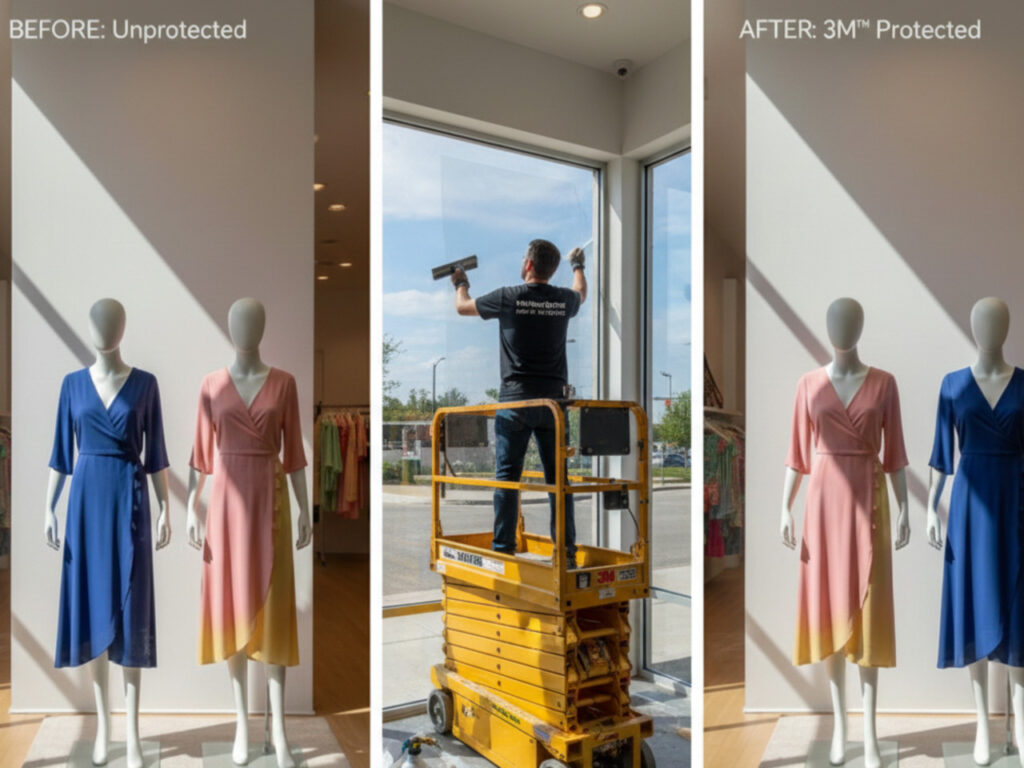
Integrating Asset Protection into Project Specifications
Specifying UV protection film aligns with a holistic view of project quality and client satisfaction. It translates into demonstrable return on investment (ROI) by reducing the need for premature replacements of costly fixtures, retail displays, or educational resources. Furthermore, by contributing to enhanced occupant comfort through glare reduction and UV blocking, these films indirectly support productivity in commercial offices and learning environments in educational facilities.
The Evolving Landscape of Commercial Glazing
The future of commercial glazing is intrinsically linked to intelligent, high-performance solutions that offer more than just natural light. As building codes evolve and client expectations for sustainability, energy efficiency, and occupant well-being increase, advanced film technologies will become even more central. UV protection films, particularly those with additional benefits like solar control or security enhancements, represent a key component in creating smart, resilient building envelopes. They contribute to:
- Enhanced Building Performance: Optimizing interior climate control and reducing HVAC loads.
- Sustainability Goals: Minimizing waste from prematurely degraded materials.
- Occupant Wellness: Creating healthier indoor environments by reducing harmful radiation exposure.
Ultimately, by prioritizing the inclusion of high-quality UV protection film, project managers provide a tangible, data-backed solution that protects the client’s asset value and reinforces the project’s long-term viability against environmental stressors. This foresight establishes a benchmark for responsible and forward-thinking construction practices.
Frequently Asked Questions
What is UV protection film, and how does it work for windows?
UV protection film is a specialized, multi-layered product applied to windows that is engineered to block harmful ultraviolet radiation. It works by incorporating UV absorber layers that absorb and dissipate UVA and UVB rays before they can pass through the glass, protecting interior assets from fading and degradation.
Why is 3M UV window film a preferred choice for commercial projects?
3M UV window film is preferred for commercial projects due to its proprietary technologies, extensive product portfolio (including Sun Control Window Film lines like Ceramic and Prestige Series), and proven performance in spectrally selective filtration. This allows for tailored solutions that offer high UV rejection, energy efficiency, and maintained aesthetic quality, backed by comprehensive warranties.
How does UV protection film contribute to energy efficiency?
Many UV protection films also incorporate solar control properties. These films, measured by their Total Solar Energy Rejected (TSER) value, reduce the amount of heat entering a building through windows. This lessens the load on HVAC systems, leading to lower energy consumption and significant operational cost savings for the client.
Can UV protection film really prevent the fading of interior furnishings?
Yes, high-performance UV protection film is highly effective at preventing fading. By blocking 99% or more of both UVA and UVB rays, these films drastically slow down the photochemical reactions that cause dyes, fabrics, flooring, and artwork to degrade and fade. This extends the lifespan and maintains the aesthetic integrity of interior assets, offering superior fade protection film benefits.
What should a construction manager look for when specifying UV film for a commercial building?
Construction managers should consider several key metrics: UV rejection rates (aim for 99%+), Total Solar Energy Rejected (TSER) for energy efficiency, Visible Light Transmission (VLT) for aesthetics and glare control, durability with manufacturer warranties, and adherence to industry certifications like NFRC ratings. Partnering with a reputable installer is also crucial for optimal performance and warranty compliance.