Table of Contents:
Introduction: Why Tinted House Windows Are in Such High Demand
Between rising energy costs and summers that keep getting hotter, homeowners are looking for smart ways to cool their homes without running the air conditioning around the clock. That search is pushing tinted glass for home windows into the mainstream. The global window film market hit $2.41 billion in 2024 and is on pace to reach $3.99 billion by 2032-a clear sign that this is no longer a niche upgrade.
When most people hear “tinted house windows,” they picture the dark, mirror-like glass from decades ago. Today’s reality is different. Home window tinting usually means applying a thin, engineered film to existing glass rather than replacing entire windows. Modern films-including ceramic, low-e, and spectrally selective options-deliver energy savings, glare reduction, UV protection, privacy, and improved curb appeal while still allowing natural light into every room.
This article will help you explore the right film for your goals, understand costs and long-term ROI, navigate legal restrictions and HOA rules, and avoid the mistakes that lead to bubbling, peeling, or wasted money.
Key Benefits of Tinted Glass for Home Windows
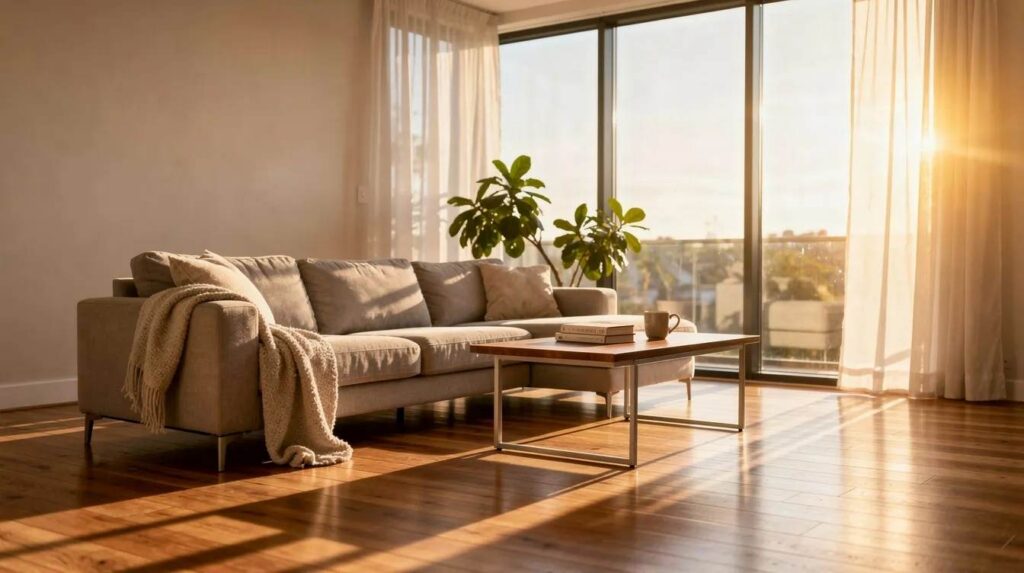
Most homeowners choose window tinting for a combination of comfort, protection, and savings. Tinted glass can improve comfort, energy performance, UV protection, and privacy all at once. Homes with large, sun-exposed windows gain the most benefit from tinted glass.
Tinted windows can lower air conditioning costs in summer and help retain heat during winter months, directly cutting energy bills. According to U.S. Department of Energy data, interior films can trim cooling loads by 10–25% on sun-exposed rooms, making a real difference in your home’s energy efficiency. Older windows benefit most from tinting for energy efficiency because they typically lack any factory solar control. Low-E films control heat gain in summer and help retain heat in winter, delivering year-round energy savings.
Window tinting reduces glare, improving comfort for screen use. You can watch TV, work at a computer, or join a video call in a bright room without pulling curtains or blinds to block sunlight. Tinted windows block up to 99% of harmful UV rays, which means they protect your skin and slow the fading that damages furniture, hardwood floors, and artwork over time. Tinting can protect furniture from fading due to sunlight for years longer than unprotected glass.
Privacy films and darker tints make it harder for outsiders to see inside. Tinted glass creates a one-way mirror effect during daylight hours, and thicker security films enhance safety by holding shattered glass together during impacts from storms or break ins. A uniform, lightly tinted look can also modernize older homes, hide cluttered interiors, and boost curb appeal from the street.
Consider a practical example: a two-story home with west-facing living room windows that installed ceramic film with 60% light transmission and roughly 65–70% total solar energy rejection saw afternoon temperatures drop by 5–7°F, with estimated AC runtime reduced by 15–25%.
How Home Window Tinting Works (Without Losing Natural Light)
Window film is a thin laminate made of polyester layers, adhesive, a scratch-resistant top coat, and either metalized or ceramic coatings that determine how much heat and light the film manages. Unlike car tint, residential films are designed for optical clarity and preserving the view through your glass.
The key spec to understand is visible light transmission, or VLT. A film with 70% VLT lets in most daylight and looks nearly clear; a film at 20% VLT is noticeably dark. Here is the critical detail most people miss: a spectrally selective film at 70% VLT can reject as much heat as a dark dyed film at 20% VLT, because it targets infrared wavelengths instead of blocking all light. Solar-control low-E glass and films can lower solar heat gain while preserving daylight. This means you can reduce glare by 50% or more without turning a room dark-you just need the right tint for your situation. When purchasing energy-efficient residential windows or films, look for NFRC ratings to compare products on equal footing.
Types of Window Films for Tinted House Windows
Choosing the right window film matters more than just picking a darkness level. Residential window tints vary by material and function, and window films can be categorized into three broad types: solar control, privacy, and safety.
Solar control films come in neutral, bronze, and gray tints. They focus on heat rejection, glare reduction, and UV blocking. Ceramic window films block high levels of infrared heat and UV rays without interfering with Wi-Fi or cell signals, making them a top choice for modern homes. Standard tints provide mild insulation to improve thermal performance even on budget installs. Solar-control or reflective tints are especially beneficial in hot, sunny climates where cooling costs dominate energy bills. Dyed window films cut down glare and provide basic privacy at the lowest price point, though they fade faster.
Low e and insulating films improve year-round energy efficiency by reflecting long-wave infrared back into the room during colder months and rejecting solar heat in summer-ideal for older clear glass lacking factory coatings.
Privacy films can be frosted, reflective, or blackout. Reflective films create a mirror effect during the day, offering absolute daytime privacy and strong glare control. Frosted films provide constant privacy regardless of lighting, making them perfect for bathrooms and entry doors. Blackout films completely block light for maximum privacy in spaces like media rooms. Frosted and decorative films are primarily for architectural style or privacy accents. Privacy films can also block up to 99% of UV rays.
Security and safety films feature thicker construction that holds shattered glass together during impacts-critical for storm-prone areas or deterring break ins. These can be paired with a solar control tint for combined benefits.
Specialty and decorative films-gradient, patterned, or colored options-serve as design accents in home offices or studios. The key is matching film type to your goals rather than choosing only by how dark it looks.
Room‑by‑Room Guide: Choosing the Right Film for Each Space
Orientation, room use, and existing glass performance all affect which film delivers the perfect fit.
- Living rooms and family rooms: Prioritize films that reduce glare and heat while keeping how much light enters the space comfortable. Mid-range VLT solar control or low-e films work well here, especially on south and west walls.
- Bedrooms: Balance privacy and morning light. Slightly darker tints reduce visibility at night, or pair a moderate film with blackout shades for sleep quality.
- Kitchens and dining areas: Neutral or light ceramic films handle afternoon sun and cooking heat without making task areas too dim.
- Bathrooms: Frosted privacy films allow daylight while blocking direct views through doors and windows-no curtains needed.
- Home office: Glare reduction for screens is the priority. Choose films tuned for high clarity so colors on your computer monitor stay accurate during Zoom calls.
- Street-facing and HOA-sensitive windows: Subtle tints or frosted films enhance privacy and curb appeal while keeping the exterior look attractive and compliant.
Cost, Installation Process, and Long‑Term ROI
Cost depends on window size, number of windows, film type, and access. Budget dyed films run roughly $4–$8 per square foot installed; ceramic and reflective films fall between $8–$15; premium spectrally selective films range from $12–$18. High installation costs can be a financial hurdle, but the investment pays back through lower energy costs-often within a few years in sunny climates.
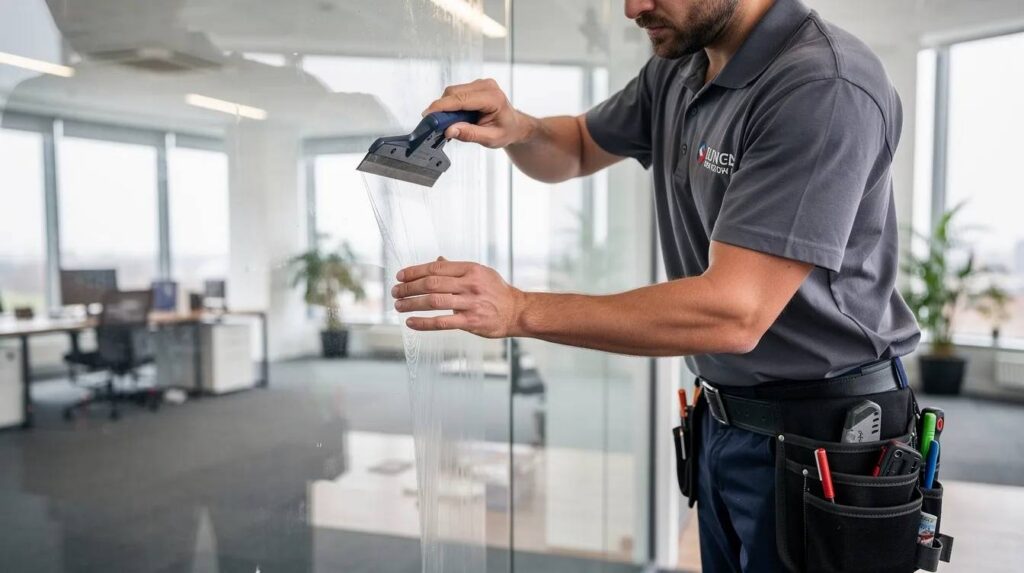
Professional installation follows a clear process: site visit, glass inspection, film selection, measurement, surface prep, application, squeegeeing, and a cure period of several days to weeks for full clarity. Poor installation can lead to bubbles or peeling, which is why professional work outperforms DIY kits-it delivers cleaner edges, proper glass compatibility, and valid manufacturer warranties.
Quality residential films last 10–20 years with proper care. Warranties typically cover peeling, bubbling, discoloration, and adhesive failure. Maintenance is simple: gentle cleaning with non-ammonia cleaners and soft cloths. Avoid razor blades or abrasive pads. The long-term ROI includes lower energy bills, extended life of furnishings, reduced reliance on blinds, and potential appeal to future buyers.
Legal Restrictions, Glass Compatibility, and HOA Rules
Home window tinting is widely permitted, but legal restrictions exist. Some areas have legal restrictions on tint darkness-certain cities or states set minimum VLT levels or limit exterior reflectivity to prevent glare affecting neighbors. Always check current local codes before installation.
Many HOAs regulate how reflective or dark street-facing windows can be. Mirrored or colored films often require board approval, and violations can mean removal at your expense. Submitting product spec sheets and samples upfront avoids problems.
Not every film suits every glass type. Applying the wrong film to double-pane, low e, or laminated glass can cause thermal stress, cracking, or seal failure. Existing window warranties may also be affected-confirm with your window manufacturer whether adding film changes coverage. Professional installers serve as guides here, recommending compliant films, documenting specs for HOAs, and selecting products engineered for specific glass constructions.
FAQs About Tinted Glass for Home Windows
Does window tinting make my house too dark?
Not if you choose the right film. Many residential films maintain 60–80% VLT, which looks almost clear while still managing heat and glare. You control how much light enters each room by selecting different levels of tint. The goal is reducing unwanted heat and UV-not turning your home’s interior into a cave.
Will tinted films help lower my energy bills in both summer and winter?
Yes. Solar control and low-e style films improve energy efficiency year-round. They reject unwanted heat in summer and reduce heat loss through glass in winter, especially on older clear windows. Tinted windows can reduce energy costs significantly across both seasons.
Can window tint go on any type of glass?
Most residential glass works well with film, but certain coatings, triple-pane units, or specialty glazing require specific film types to avoid thermal stress. A glass assessment before choosing a product ensures safety and protects your warranty.
How long does home window tinting last before it needs to be replaced?
High-quality films often last 10–20 years depending on sun exposure and proper care. Dyed films may need replacement sooner-typically 5–8 years. Warranty terms vary by product and installer, so review details before committing.
Will tinting my windows void my existing window warranty?
Some manufacturers restrict after-market films while others allow them if compatible products are installed correctly. Check your documentation and work with an installer who understands warranty-safe options to protect your coverage.
How is tinted glass different from factory low‑e windows?
Factory low e coatings are built into the glass during manufacturing. Retrofit window film is applied to existing glass afterward. Film can approximate the solar heat gain reduction of factory low e at a fraction of the cost and without the disruption of full window replacement. In some cases, film can even complement existing low e glass to enhance performance further.
Why Choose Our Team for Home Window Tinting
Window Film Depot has specialized in residential and commercial window film since 1992. That story spans tens of thousands of installations-from single-family homes to national roll-outs across government, education, and retail facilities.
Our team matches the right film to each home’s orientation, glass type, and goals, whether the priority is energy savings, privacy, security, or a decorative upgrade. Every project is handled by professional installation crews who understand glass compatibility, HOA documentation, and manufacturer warranty requirements. We carry a broad portfolio of high-performance solar, low-e, privacy, and security films from leading manufacturers, giving homeowners real options rather than a one-size-fits-all approach. Whether you need film on a single room or across an entire residential community, we deliver consistent quality and long-term warranty support on both materials and labor.
Next Steps: How to Get Started with Tinted House Windows
Schedule a free in-home consultation or virtual estimate to explore your options. Share photos or plans, discuss your goals-glare reduction, privacy, energy efficiency, curb appeal-and receive film recommendations with a written quote.
If you are comparing tinting versus full window replacement, ask for an apples-to-apples energy savings discussion before making a big investment. The right window film can transform your home’s comfort and performance within a single day of installation.