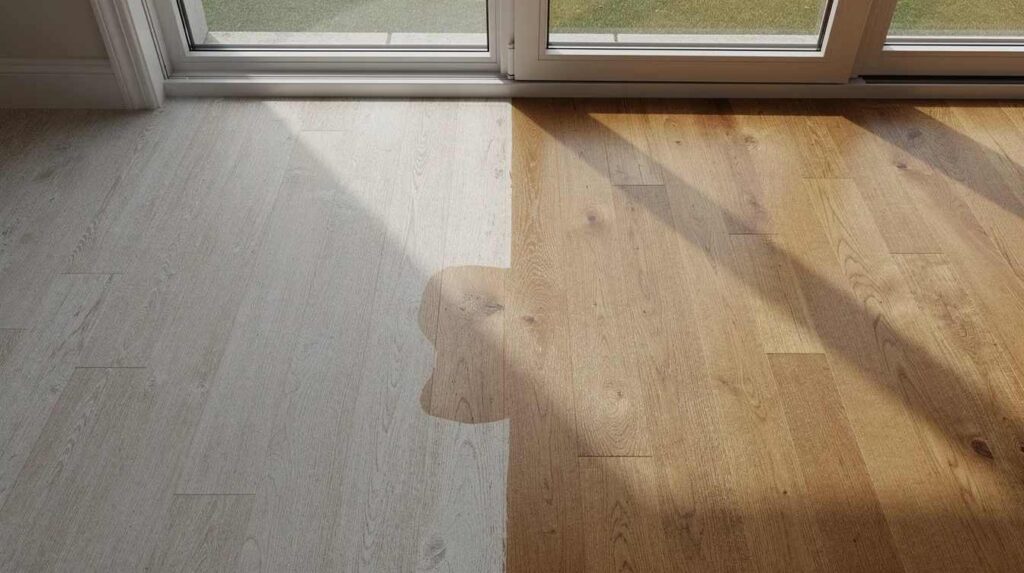
Most people assume their windows keep the sun’s harmful effects outside. The reality is different. Standard window glass allows UVA rays to pass through completely unobstructed, with research showing ordinary glass transmits roughly 74% of UVA radiation into your home. That means your skin, your hardwood flooring, your furniture, and your artwork are all exposed to gradual, invisible damage every day sunlight enters a room.
A UV window film is a thin retrofit film applied directly to the interior side of existing windows. UV window film blocks over 99% of UV rays while still allowing comfortable levels of natural light and a clear view of the outdoors. The result is meaningful UV protection for your family, significant fade reduction for your interior surfaces, improved comfort by cutting glare and solar heat, and potential energy savings during cooling season.
In this article, you will learn exactly how UV radiation damages interiors and skin through glass, how window film works at a technical level, which film types match different glass and room situations, and how to choose, install, and maintain the right solution for your space.
Table of Contents:
How UV Rays Cause Fading and Sun Damage Indoors
Fading is not just wear and tear from age. It is a measurable photochemical process driven by three components of sunlight: UV rays (UVA and UVB), visible light, and infrared heat. UV radiation accounts for roughly 40% of interior fading, making it the single largest factor. Visible light and the sun’s heat together account for the remaining damage.
Standard glass blocks most UVB rays but usually lets through UVA rays with little resistance. UVA radiation causes gradual skin damage and material degradation, meaning uv rays can penetrate window glass and cause skin damage even when you feel safely indoors. Common casualties include hardwood flooring, leather sofas, artwork, rugs, and fabrics near large south- or west-facing windows. Continuous exposure to UVA rays can lead to accelerated aging and skin cancer risks for anyone spending hours near untreated glass.
The solution needs to block the primary cause of premature fading and sun damage without darkening the room or eliminating the beauty of natural daylight.
How UV Window Film Works
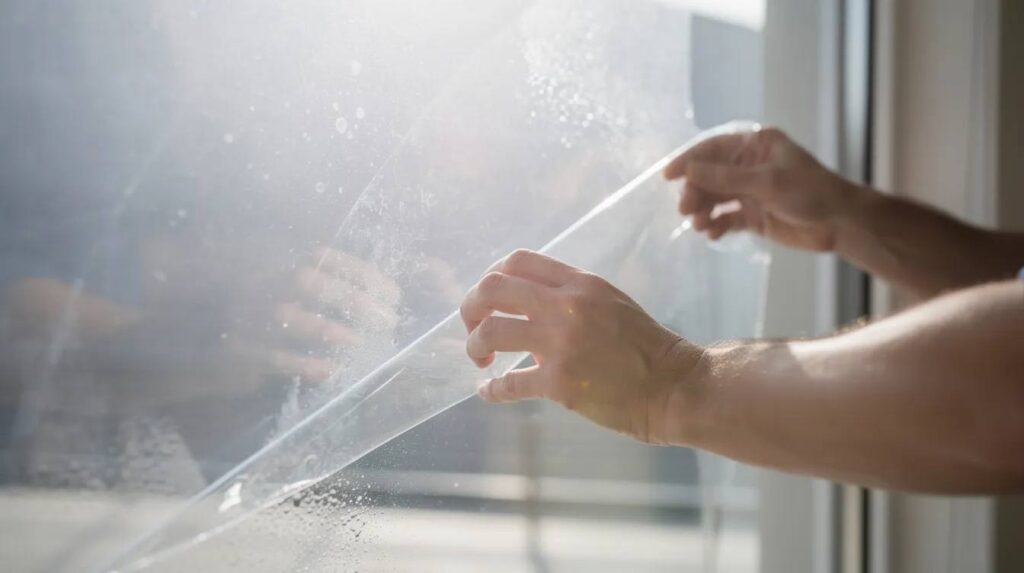
UV window film is a thin polyester film with uv inhibitors layered between adhesive, UV-absorbing, and sometimes metallic or ceramic coatings. It is applied directly to the interior surface of glass. Clear UV window film absorbs or reflects uv rays across the critical spectrum. High-quality films block uv radiation in the 300–380 nm range, which covers the UVA wavelengths that ordinary glass fails to stop.
Quality films block up to 99% of UVA and UVB radiation. Clear uv window film blocks 99% of uv rays while clear uv films do not alter the appearance of glass. UV window film can be applied to various glass types, including annealed, tempered glass, laminated glass, and double-pane units. Once cured, the film acts as a nearly invisible shield requiring minimal upkeep. UV window film provides long-lasting protection against uv rays, with many products retaining performance for 10–15 years.
Clear UV Films vs. Tinted and Spectrally Selective Films
Clear UV film is intended for situations where preserving the original look of windows matters most. It delivers strong uv protection without any visible darkening or color shift, making it ideal for galleries, storefronts, or rooms where you want true color accuracy for artwork.
Tinted and spectrally selective films go further. Window films filter light while helping to cut out damaging rays and harsh glare, and spectrally selective options can reject significant infrared heat while maintaining high visible light transmission. The trade-off: tinted films reduce natural light more than clear options. Choose clear film when maximum daylight is the priority; choose tinted or spectrally selective when glare, the sun’s heat, and cooling costs are also concerns.
Types of Window Films and Glass Compatibility
Choosing a film that matches your glass type is critical. The wrong combination can cause thermal stress, cracking, or seal failure in insulated units.
Main categories include:
- UV-only films – clear, focused on blocking harmful uv rays
- Solar control films – manage heat, glare, and UV together
- Decorative/privacy films – add style or privacy with built-in uv protection
- Safety/security films – hold glass fragments together if a break occurs, with UV blocking included
Compatibility depends on whether you have tempered glass, laminated glass, low-E coatings, or standard annealed panes. Professional assessment should factor in window orientation, pane size, indoor use, and local climate. Avoid applying high-absorption films to complex glazing without checking manufacturer guidelines.
Special Considerations for Tempered Glass and Large Windows
Tempered glass tolerates much higher thermal stress than annealed glass (roughly 250 °C differential vs. 35–60 °C for annealed), but darker or highly reflective films can still pose risk on certain surfaces or oversized panes. For large areas of glass, patio doors installed after 2015, and floor-to-ceiling windows, use manufacturer-approved film specifications. A site survey or glass audit before installation helps prevent expensive mistakes on commercial curtain walls or expansive residential glazing.
Key Benefits: UV Protection, Fade Protection, and Comfort
UV window film offers benefits for energy savings and health protection that go well beyond what shades or curtains alone can deliver.
- Skin protection: UV window film reduces indoor uv exposure, lowering the risk of skin cancer. The Skin Cancer Foundation recognizes that indoor UV exposure through glass is a real concern, and blocking over 99% of UVA/UVB makes a measurable difference for anyone who works or plays near windows.
- Fade protection: Clear uv film significantly slows down fading of furnishings, including hardwood flooring, home furnishings, fabrics, and displayed merchandise. Clear uv window film significantly reduces fading of furniture over years of use.
- Glare and comfort: Unfiltered sunlight creates glare on screens of televisions and computer monitors. Film reduces eye strain and improves comfort in living rooms and home offices.
- Energy savings: UV window film can reduce solar heat gain coming through glass by up to 75%, and can cut seasonal air conditioning energy use by up to 30%, easing the load on cooling systems in hot months.
- Safety: Some films provide a light-duty safety upgrade by holding glass together if broken, which is valuable in households with children or in high-traffic areas.
What UV Window Film Can and Cannot Do
No window treatment can completely prevent fading from sunlight. Visible light and heat still cause some fading despite uv film, so even with 99%+ UV blocking, some gradual color change will occur over many years. Films do not repair already faded flooring or fabrics; they prevent further rapid deterioration.
Very dark tints may not be allowed on street-facing windows or in certain HOAs, but clear options exist for those situations. UV window film is a low-maintenance solution for sun protection, and combining it with curtains, shades, and smart furniture placement gives the best long-term fade protection strategy.
Choosing the Right UV Window Film for Your Space
The right film depends on your goals. Homeowners wanting maximum daylight will choose differently than someone protecting sensitive artwork or trying to reduce cooling costs.
Key decision factors:
| Factor | What to Look For |
|---|---|
| UV protection level | 99%+ blocking of UVA and UVB |
| Visible light transmission | 65–75% for clear films; higher for spectrally selective |
| Appearance | Clear, lightly tinted, or reflective |
| Warranty | 10–15 years residential; covers UV performance |
| Certifications | Third-party UV testing, endorsements from health organizations |
Choose films specifically marketed as uv window film for best results. UV window film is an affordable solution to upgrade existing windows without full replacement. Request film samples and view them in similar lighting conditions before committing. Consider room use: a nursery, home office, retail display, or gallery each calls for a different balance of light, tint, and protection.
Balancing Visible Light with Fade Protection
Higher visible light transmission keeps interiors bright but allows more fading from visible light and residual heat. Spectrally selective films maintain high VLT while rejecting significant infrared and blocking UV. Prioritize maximum daylight in kitchens and studios; prioritize maximum fade protection in libraries, art walls, and rooms with heirloom rugs or exposed furnishings.
Installation, Maintenance, and Longevity
Professional installation typically delivers the best clarity and durability. The process involves thorough glass cleaning, solution application, film placement, trimming, and using a squeegee to remove air and moisture. Curing takes several days to a few weeks depending on film type and climate. Temporary haze or small water bubbles are normal and resolve on their own.
Maintenance is simple: clean with a soft cloth and non-ammonia cleaner, and avoid abrasive pads or sharp objects near edges. Quality residential films last 10–15 years or more, with warranties covering discoloration, bubbling, and adhesive failure. Replacing film when styles or needs change is far easier and less expensive than replacing entire windows.
DIY vs. Professional Installation
Installation of uv window film is a straightforward DIY project for small, flat interior windows using off-the-shelf products and basic tools. Results vary, though, especially on larger or more complex glass.
Professional installation is strongly recommended for:
- Large panes and tempered glass
- Double-pane insulated units or low-E glass
- High-value interiors or spaces where warranty coverage matters
- Projects requiring manufacturer-backed performance guarantees
Professionals use specialized tools, understand glass compatibility, and minimize visual defects like dust, creases, or trapped bubbles.
FAQ: Common Questions About UV Window Film
Does UV window film make my home darker?
Clear uv films maintain 65–75% visible light transmission, so rooms stay bright with no noticeable darkening. Tinted films reduce light more, but even moderate tints preserve a comfortable, well-lit interior.
Will window films work on tempered glass and double-pane windows?
Yes, but film selection matters. Some high-absorption films are not safe for all glass types. A professional can match the right film to your specific glass to avoid thermal stress.
How much UV protection do window films really provide?
UV window film blocks over 99% of uv rays, covering both UVA and UVB. Premium films reach 99.9% rejection.
Can UV window film be removed later?
Yes. Film can be removed without damaging the glass, making it suitable for rental properties and offices where changes may be needed.
Will UV film affect my view outside?
Clear films are nearly invisible once applied and installed. Your view remains essentially unchanged. Tinted or reflective films may slightly alter appearance.
Does window film interfere with low-E glass coatings?
When chosen correctly, films work well alongside modern low-E coatings. Professional guidance is important to ensure compatibility and prevent excess heat buildup.
Can I combine film with blinds, curtains, or shades?
Absolutely. Combining uv window film with interior window treatments provides layered protection. Film handles UV blocking, while shades and curtains reduce visible light and offer additional privacy and fade protection.
Conclusion & Next Steps
Harmful uv rays are a major cause of interior fading, skin damage, and discomfort inside homes and businesses. UV window film is a practical, long-lasting solution that helps protect both people and possessions from the sun’s rays. Films dramatically reduce fading and uv exposure, though pairing them with curtains, shades, or smart furniture placement delivers the best overall results.
Start by assessing your most sun-exposed rooms, identifying high-value furnishings and surfaces where your family spends time near windows. Then schedule a consultation or request a quote to find the right film for your home, car, office, or retail space. Bright, comfortable rooms and confidence that your interior and skin are protected from long-term damage are well within reach.