Table of Contents:
- Introduction: Why Graffiti Protection Film Matters in 2026
- What Is Graffiti Protection Film and How Does It Work?
- Key Benefits of Anti-Graffiti Film vs. Unprotected Glass
- Where Graffiti Protection Film Is Used: Common Applications
- Technical Specs: Thickness, Clarity, and Performance of Anti-Graffiti Films
- Installation Process: How Window Film Depot Deploys Graffiti Protection Film
- Maintenance, Removal, and Replacement of Anti-Graffiti Films
- Cost Comparison: Anti-Graffiti Film vs. Glass Replacement
- Why Choose Window Film Depot for Graffiti Protection Film Projects
- FAQs About Graffiti Protection Film and Anti-Graffiti Window Films
- Conclusion and Next Steps
Introduction: Why Graffiti Protection Film Matters in 2026
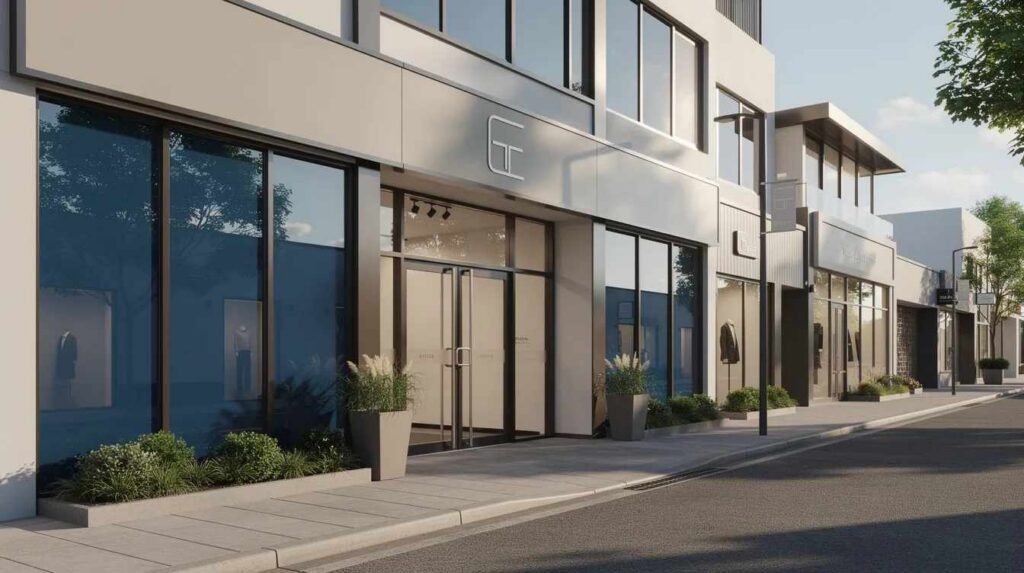
Picture a national retail chain with street-level storefronts across Atlanta. Every few weekends, vandals hit the same windows with spray paint, etching tools, or adhesive tapes. Each incident means $1,200 or more for glass replacement, days of boarded-up doors, and a store appearance that drives customers away instead of pulling them in.
Graffiti protection film is a clear, sacrificial window film applied to glass and other smooth surfaces to guard against paint, scratching, marking, and acid etching. Instead of replacing costly glass, crews simply peel off the damaged film and apply a fresh layer.
In 2026, rising vandalism in high-traffic urban areas is pushing facility managers toward smarter alternatives to constant glass replacement. This article is for building owners, retailers, schools, transit agencies, and glass/glazing partners evaluating anti graffiti film for commercial and institutional properties. We’ll cover how the films work, key benefits, typical applications, technical specs, the installation process, cost comparisons, and why Window Film Depot is the right partner for projects of any scale.
What Is Graffiti Protection Film and How Does It Work?
Graffiti protection film is an optically clear polyester window film applied to the exterior surface of glass, mirrors, stainless steel, and other smooth substrates as a removable sacrificial layer. The film is designed with a strong, easily removable pressure-sensitive adhesive that bonds securely during use but releases cleanly when replacement is needed.
Construction is straightforward: a multi-ply polyester base, an abrasion-resistant surface coating, and a removable backing liner. Top-coated anti-graffiti films resist graffiti adhesion, making paint and markers less likely to bond permanently. Most anti-graffiti films are designed as sacrificial layers for easy replacement-when glass is tagged with spray paint, stickers, or scratched with keys, the damage stays on the film. Crews remove that layer and apply new film instead of calling in glaziers.
High-quality films are nearly invisible, preserving the original appearance and daylight transmission. Consider a transit authority dealing with nightly tagging on station glass: overnight crews can peel the damaged film and reapply a fresh layer before morning service begins, with zero downtime and no waiting for custom glass orders.
Key Benefits of Anti-Graffiti Film vs. Unprotected Glass
The decision to protect glass usually comes down to cost, downtime, tenant experience, and long-term risk reduction-not just stopping graffiti.
Cost savings. A single large tempered storefront lite can cost $800–$2,500+ to replace in 2026 when you factor in glass, labor, and after-hours fees. The film prevents permanent damage from spray paint, markers, and scratches, and reapplying graffiti protection film to the same panel typically runs a fraction of that. Anti-graffiti films reduce maintenance costs significantly over time-one Houston retail storefront spent roughly $1,056 on film over 18 months instead of an estimated $3,600–$7,000 in glass replacement.
Faster recovery. Film replacement can often be completed in under an hour per opening, usually outside business hours, avoiding boarded-up windows or lost foot traffic. That means saving money and preserving the customer experience simultaneously.
Brand and image protection. Clear, undamaged glass projects security and cleanliness for banks, pharmacies, schools, and national retailers. These films protect surfaces from vandalism and wear, keeping storefronts pristine and leasing values intact.
Extended glass life. Surface damage weakens glass and can create sharp edges. Keeping the original pane intact longer reduces liability and emergency service calls. AG4M film absorbs scratches and vandalism on glass, acting as a buffer between the threat and your property.
UV protection. Many anti-graffiti window films block up to 99% of UV, helping protect displays, furnishings, and interior finishes from fading.
Environmental impact. Reusing existing glass instead of frequent glass replacement reduces waste, manufacturing emissions, and transportation of new glazing-a tangible contribution to sustainability goals.
Where Graffiti Protection Film Is Used: Common Applications
Anti graffiti films are most valuable where glass and polished surfaces are easily accessible to the public or located along busy pedestrian routes. These films provide a wide variety of protection against vandalism across property types. Common applications include storefronts, transit surfaces, and restroom mirrors.
- Retail storefronts and malls. Street-facing display windows, entrance doors, and interior mall glass for brands with high-visibility locations in cities like Atlanta, New York, Dallas, and Los Angeles.
- Transit systems and public infrastructure. Bus shelters, light rail stations, elevator cabs, ticket machines, and signage use anti graffiti films to combat constant tagging and scratching.
- Schools, colleges, and universities. Entry doors, interior partitions, cafeteria glass, and restroom mirrors help control maintenance costs in K–12 districts and campus facilities.
- Government and institutional buildings. City halls, library glass, courthouses, and social-service offices where security and public access overlap.
- Interior surfaces beyond glass. Films can be applied to mirrors, stainless-steel elevator doors, polished metal panels, and some plastic signage to protect against marker and scratching.
Window Film Depot has coordinated multi-site roll-outs for national chains and public agencies, deploying anti graffiti film across dozens of locations through a single, centralized project management process-standardized specs, consistent quality, and one point of contact backed by high-quality window film solutions for safety, security, and energy efficiency.

Technical Specs: Thickness, Clarity, and Performance of Anti-Graffiti Films
While graffiti protection film looks simple, the technical details matter for clarity, durability, and code compliance in commercial buildings.
Thickness options. Graffiti protection films come in various thicknesses, commonly 4 mil to 7 mil. The AG4M film is 4 mil thick for maximum protection on standard storefront glass and general surface conditions. Heavier 6–7 mil films handle deeper scratching and etching tools. These are distinct from security window films (8–12 mil) intended for forced-entry resistance.
Optical clarity. Premium films deliver visible light transmission typically over 85–90% with minimal distortion. They maintain crystal-clear visibility on protected surfaces so customers, students, and tenants don’t notice the film is there.
Surface hardness. The hardcoat layer resists minor scuffs, cleaning, and everyday wear-crucial on doors and high-touch areas. Membrane-based films provide long-lasting chemical resistance for environments exposed to harsh solvents or cleaning agents.
Specialty products. Interlam Eco is a non-PVC anti-graffiti film for environmentally conscious specifications. Interlam Pro offers high durability and flame resistance, making it suitable for institutional projects requiring ASTM E-84 compliance. AG4M film is 4 mil thick and protects glass surfaces against the most common forms of vandalism.
UV and solar properties. Most films reject up to 99% of UV. While standard anti graffiti film is mostly neutral on solar heat gain, it can be paired with other window films when additional solar control is required.
Exterior vs. interior application. For vandalism protection, anti-graffiti film is typically applied on the exterior surface so that paint, marker, or scratches hit the sacrificial layer first. Window Film Depot specifies proven brands such as 3M and offers a broad portfolio of window glass film products and brands, and can provide detailed product data sheets on request for architects and facility engineers.
Installation Process: How Window Film Depot Deploys Graffiti Protection Film
Professional installation is critical for longevity, warranty coverage, and the virtually invisible appearance facility managers expect. The installation process follows a consistent sequence whether you’re covering six storefronts or six hundred.
Site assessment. Window Film Depot evaluates existing glass, traffic patterns, and vandalism history, then maps which windows, doors, mirrors, and panels should receive graffiti protection film, applying the same disciplined approach used for window film installation projects in Marietta, GA.
Surface preparation. Technicians clean with non-ammonia solutions, remove existing stickers or adhesive residue, and check for chips or cracks. Any property damage on the glass itself must be addressed before application.
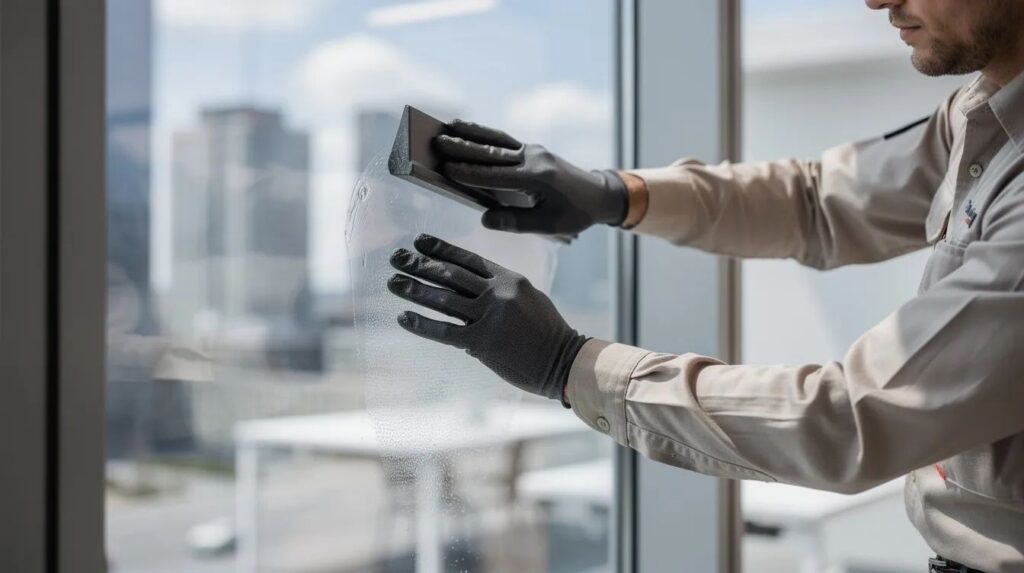
Film application. Installers peel the backing liner off before applying the film, then use a soapy water solution for easier film handling and precise positioning. They apply firm pressure with a squeegee to remove bubbles and trapped moisture, trimming edges clean for a factory-like finish. Some products default to install graffiti film on the interior side unless specified otherwise-for exterior vandalism protection, exterior application is standard.
Curing and inspection. Films typically cure over 24–72 hours depending on climate conditions. Technicians perform a final inspection to confirm alignment, adhesion, and clarity match spec requirements.
National roll-outs. Window Film Depot coordinates large deployments across dozens of locations with standardized specs, consistent workmanship, night and weekend scheduling, and centralized project management, including window film installation services in Dallas–Fort Worth and surrounding Texas markets. While small installations can be DIY, large commercial properties benefit from experienced professional installers, proper safety protocols, and warranty-backed work, such as those provided through professional window film installation services in Charlotte, NC.
Maintenance, Removal, and Replacement of Anti-Graffiti Films
Graffiti protection film is designed to be durable in daily use and straightforward to remove when vandalized.
Routine cleaning. Use soft cloths and non-abrasive cleaners. Avoid razor blades, scouring pads, and ammonia-based products that could affect the hardcoat. Anti-graffiti films are resistant to harsh cleaning agents, but caution with abrasive tools extends the film’s useful life.
Responding to graffiti events. Facilities staff or Window Film Depot crews inspect the damage, peel the sacrificial film at a low angle, clean the glass, and apply new film-usually within a single visit. Films can be easily removed and replaced when damaged, and easy removal means the underlying glass, mirror, or metal remains unharmed. Use approved adhesive removers if any residue remains.
Film lifespan. Under normal conditions, expect 3–7 years of service before replacement is required. Heavy tagging, scratching, or chemical exposure in certain neighborhoods can shorten that cycle. Severe impacts or repeated vandalism may require replacing the film sooner.
Budgeting. Facility managers should track replacement frequency by location to predict budgets, review spending patterns, and demonstrate savings versus recurring glass replacement. This documentation helps justify the investment to leadership and contributes to smarter long-term planning.
Cost Comparison: Anti-Graffiti Film vs. Glass Replacement
Total cost of ownership is the main reason large property portfolios and public agencies adopt graffiti protection window films as standard.
| Cost Factor | Glass Replacement | Anti-Graffiti Film |
|---|---|---|
| Single 4’×8′ tempered panel | $800–$2,500+ | $200–$400 initial install |
| Re-filming after vandalism | N/A | $100–$250 per panel |
| Downtime | Days to weeks | Under 1 hour per opening |
| Emergency/after-hours premium | Often 50–100% markup | Minimal or scheduled |
| Boarded-up appearance | Common during waiting period | Avoided entirely |
Beyond direct prices, consider the indirect costs: insurance deductibles, lost revenue from closed storefronts, negative brand impact from boarded-up windows, and the costly cycle of repeated emergency glazing calls. A national retailer or transit authority standardizing on anti-graffiti films across vulnerable locations can save tens of thousands annually-money that stays in the operating budget instead of flowing to emergency repairs.
Facility managers can model ROI by pulling previous years’ glass replacement invoices, estimating film installation and replacement cycles, and building a 3–5 year savings projection. Window Film Depot can assist with cost modeling, product selection, and phased roll-outs to spread capital expenses while quickly reducing vandalism-related spend, often pairing graffiti protection with commercial window tinting and office window film for added energy savings and comfort.
Why Choose Window Film Depot for Graffiti Protection Film Projects
Window Film Depot is a family-owned, national window film contractor founded in 1992 and headquartered in Marietta, Georgia. Over three decades, we’ve installed anti-graffiti films, solar control films, and security glazing on thousands of sites across the U.S., including multi-state rollouts for major retail, healthcare, and public-sector clients.
We work with leading manufacturers including 3M and recommend the right film thickness, clarity, and performance for each application rather than pushing a single product. Our turnkey project management covers site surveys, specification support for architects, union and non-union labor coordination, night and weekend installs, documentation, and centralized billing.
Trained, certified installers follow standardized processes on every page of every scope of work, whether it’s a large national program or a regional window film installation project in the San Francisco Bay Area. We also supply anti-graffiti window films by the roll to glass shops, tint dealers, and facility contractors across North America, with technical support on best practices.
Regional teams support local sites-Atlanta metro, Southeast, Northeast, Midwest, West Coast, and coverage across all 50 states-while a central office coordinates standards and reporting. You get local responsiveness backed by national reach. Rest easy knowing every opening gets the same level of care whether it’s a single store or a 500-location portfolio.
FAQs About Graffiti Protection Film and Anti-Graffiti Window Films
Below are the questions facility managers, architects, and property owners ask most often when considering anti-graffiti film solutions.
How long does graffiti protection film last?
Typical service life is 3–7 years on exterior glass depending on sun exposure, cleaning practices, and vandalism levels. Many facilities replace film only when it’s actually damaged, not on a strict calendar. Environmental factors and the level of foot traffic near protected surfaces influence how durable the film remains over time.
Can anti-graffiti film be applied over existing window films?
In many cases, a clear anti-graffiti layer can be installed over an existing solar control or security window film, but the underlying film must be in good condition and sufficient for the combined application. Window Film Depot evaluates each opening to confirm compatibility before proceeding.
Will graffiti protection film change the look of my glass?
High-quality anti-graffiti films are optically clear, designed to be virtually invisible with no noticeable tint or haze. Professional installation is key to maintaining glass-like clarity across your windows.
How do I know whether I need 4 mil or thicker film?
Four mil is the most common choice for storefront glass and general surface protection. Thicker 6–7 mil films are appropriate where deeper scratching, etching tools, or high-abuse environments create more demanding conditions.
Is graffiti protection film installed on the inside or outside of the glass?
For vandalism protection, anti-graffiti film is typically installed on the exterior surface so that paint, marker, or scratches hit the sacrificial layer first. Some specialty situations-such as mirrors or interior partitions-may call for interior application.
Can Window Film Depot handle multi-location or nationwide projects?
Yes. Window Film Depot specializes in national roll-outs for retailers, banks, quick-service restaurants, transit agencies, and property managers, coordinating surveys, installations, and replacements across multiple states with a single point of contact, including commercial window film projects in Washington, DC.
Does graffiti protection film provide security against break-ins?
Standard anti graffiti films are primarily for surface protection, not forced-entry resistance. Security window films (8–12 mil) can be specified alongside or instead of graffiti films when impact resistance and delayed entry are priorities. Window Film Depot can help you determine which combination of films your property needs.
Conclusion and Next Steps
Graffiti protection film offers a practical, cost-effective way to protect glass, mirrors, and metal from tagging, scratching, and acid etching without sacrificing clarity or aesthetics. The key advantages-reduced glass replacement costs, minimized downtime, improved appearance, extended glass life, and predictable maintenance-make it a straightforward decision for any high-traffic property.
Whether you manage a single location or a national portfolio, Window Film Depot can create a tailored anti-graffiti film plan covering site assessments, specification, and turnkey installation. Contact us by phone or through our website to request a quote, schedule a survey, or discuss wholesale anti-graffiti window film supply for trade partners. Before your consultation, gather recent glass replacement invoices and vandalism incident logs-this data speeds up budgeting and helps us build an accurate ROI analysis for your team.