Table of Contents:
- The Project Manager’s Imperative
- Strategic Choices for Asset Protection: Retrofit Film vs. Full Window Replacement
- Unpacking Performance: The Advanced Science of 3M UV Protection Films
- Beyond UV: Maximizing Building Performance with Multifunctional Films
- Precision Specification: Tailoring 3M Film Solutions for Diverse Commercial Projects
- Seamless Execution at Scale: Partnering for National Implementations
- Conclusion: Optimizing Performance, Budget, and Timeline with Advanced Film Technology
- Frequently Asked Questions
- Related Posts from Window Film Depot
The Project Manager’s Imperative
The Project Manager’s Core Dilemma: Performance Expectations vs. Budget and Schedule Constraints
The landscape of commercial property management and renovation is continually evolving. An increasing emphasis on building performance, occupant well-being, and asset longevity drives this evolution. Modern clients expect their properties to not only be aesthetically pleasing but also highly functional, energy-efficient, and resilient against environmental stressors. This includes sophisticated demands for internal climate control, glare reduction, and, crucially, robust protection against solar radiation to preserve interior furnishings and merchandise. These expanded expectations place new demands on project managers, who must integrate advanced solutions such as UV window film protection into complex renovation scopes.
Project managers operate at the nexus of client aspirations and practical constraints. They must deliver high-performance outcomes while adhering to strict budgets. Often, these projects require meeting very aggressive timelines. Traditional impulses lead toward comprehensive and costly interventions for sun damage. True skill lies in identifying solutions that meet performance benchmarks efficiently. These solutions must not compromise financial viability or extend schedules. This requires a strategic approach that favors efficiency and measurable value.
Client Mandates: Protecting Valued Assets from Sun Damage and Fading
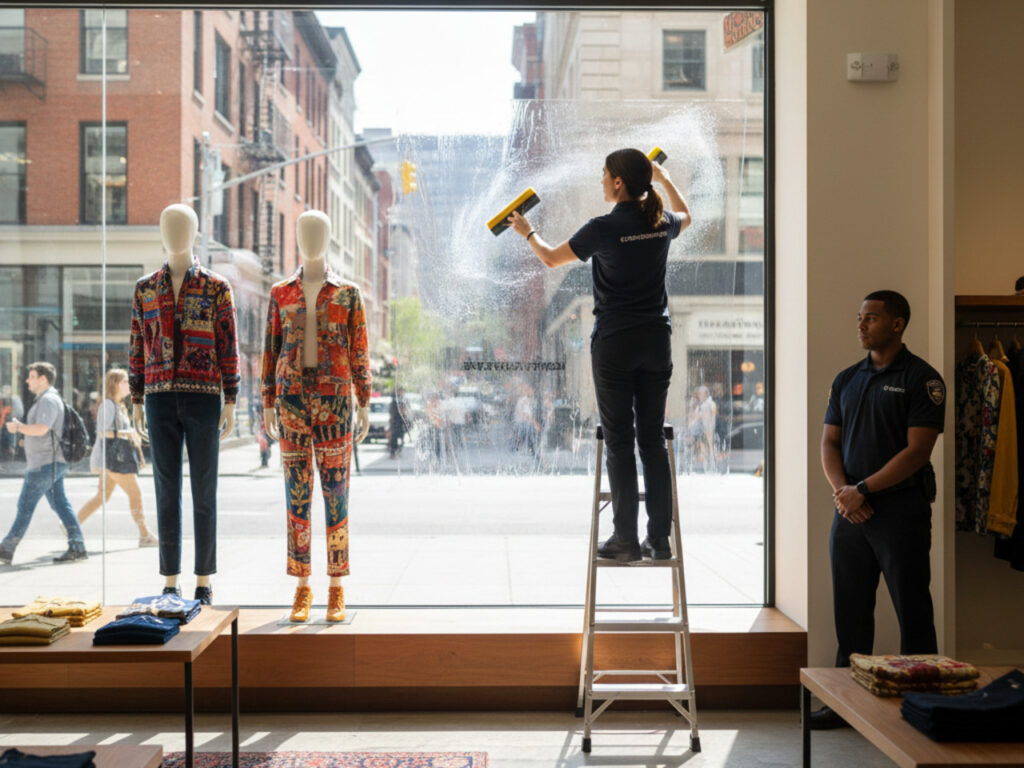
Clients in luxury retail and art galleries mandate safeguards for their interior assets. Direct UV radiation and solar heat can irreversibly damage textiles and wood. Excessive heat also degrades expensive electronics and sensitive artwork. Replacing these assets early causes significant financial loss for property owners. Fading materials also erode the overall aesthetic appeal of the space. Project managers must implement measures to extend the lifecycle of interior investments. Preserving the intrinsic value of these items is now a critical requirement.
Understanding the Silent Threat: UV Radiation and Its Impact on Interiors
UV radiation is the primary catalyst for material degradation and fading within interiors. Sunlight contains three main types of radiation known as UV-C, UV-B, and UV-A. The ozone layer largely absorbs harmful UV-C rays before they reach us. UV-B radiation causes sunburns and contributes to some interior fading. UV-A penetrates deeply into buildings and causes the most sun-induced damage. Standard architectural glass typically blocks the majority of UV-B rays. However, a significant portion of UV-A still passes through normal windows. This radiation silently deteriorates dyes, pigments, and various material structures.
This photochemical breakdown leads to:
- Color Fading: Dyes in fabrics, carpets, and artwork break down, leading to irreversible loss of vibrancy.
- Material Degradation: Wood finishes can dry, crack, and discolor, plastics become brittle, and leather can stiffen and degrade.
- Structural Weakening: Over time, the chemical bonds in materials are weakened, impacting their integrity and lifespan.
This continuous, cumulative exposure dictates the need for proactive protection to mitigate these long-term, costly effects.
Strategic Choices for Asset Protection: Retrofit Film vs. Full Window Replacement
Deconstructing the Traditional Approach: The Costs and Disruptions of Full Window Replacement
Historically, addressing poor thermal performance and glare often required full window replacement. This traditional approach involves the complete removal of all existing window units. New windows offer performance improvements but cause significant disruption to operations. The process is inherently capital-intensive and requires a large upfront investment. Associated costs extend far beyond the price of the glass units themselves. These impacts often create a cascade of challenges for the property owner.
Examining Financial Outlays: Material, Labor, and Disposal Costs
The financial commitment required for full window replacement is substantial and multifaceted. Beyond the procurement cost of new, high-performance window units, there are significant expenditures related to:
- Specialized Labor: Skilled glaziers and construction teams are required for demolition, frame preparation, and precise installation.
- Ancillary Materials: This includes sealants, flashing, shims, fasteners, and often interior and exterior finishing materials to restore the surrounding wall structure.
- Equipment Rental: Scaffolding, lifts, and specialized glazing equipment are often necessary, particularly for multi-story buildings.
- Waste Disposal: The removal and disposal of old windows, frames, and associated construction debris add considerable expense, compounded by potential hazardous material abatement in older buildings.
- Structural Modifications: In some cases, frame adjustments or structural reinforcements may be required, further escalating costs.
These aggregated financial outlays contribute to a significantly higher overall project budget compared to alternative solutions.
Operational Impact: Tenant Disruption, Business Downtime, and Project Timeline Extensions
Beyond direct financial costs, full window replacement imposes a heavy operational burden on the building and its occupants. The extensive nature of the work translates directly into:
- Significant Tenant Disruption: Noise, dust, and restricted access are inevitable, leading to tenant complaints and potential business interruptions.
- Business Downtime: Commercial operations within the affected zones may need to cease or relocate temporarily, resulting in lost revenue and productivity.
- Extended Project Timelines: The multi-stage process of removal, installation, and finishing is time-consuming, often requiring multiple trades and inspections, which can prolong project schedules substantially.
- Security Concerns: Openings in the building envelope during installation present temporary security vulnerabilities.
- Logistical Complexities: Managing material delivery, waste removal, and equipment access in busy urban environments adds layers of logistical challenges for the project manager.
These operational impacts collectively represent a high hidden cost, influencing client satisfaction and the overall success metrics of a project.
The Modern Solution: High-Performance Retrofit Window Films
High-performance retrofit window films offer a sophisticated, modern solution. This approach stands in stark contrast to the complexities of window replacement. Manufacturers engineer these films with advanced materials and multi-layered constructions. Technicians apply the product directly onto the interior of existing glazing. These solutions are not merely tinted plastics. Modern films leverage nanotechnology and proprietary adhesive systems for better results. They provide many benefits without altering the structural integrity of the window. These advancements allow for targeted performance enhancements once only possible through replacement.
Defining the Value Proposition: Cost-Effectiveness and Accelerated Project Timelines
The value proposition of retrofit window film, especially for UV protection, is exceptionally compelling when measured against full window replacement. From a financial perspective, film installation typically represents a fraction of the cost, often yielding savings of 50-80% when factoring in material, labor, and ancillary expenses. This significant cost differential directly impacts a project’s overall budget, freeing up capital for other essential upgrades. Furthermore, the installation process for window film is remarkably swift. Large commercial projects can see completion in a matter of weeks, as opposed to the months often required for comprehensive window replacement. This accelerated timeline is a critical advantage for project managers aiming for efficient project delivery and minimal operational downtime.
Minimal Disruption: Maintaining Business Continuity During Installation
One of the most profound benefits of opting for high-performance window film is the dramatic reduction in disruption to building occupants and ongoing business operations. The installation process is characterized by:
- Interior Application: Films are applied from the inside of the building, eliminating the need for exterior scaffolding in most cases.
- Low Noise and Dust: Installation is quiet and generates minimal debris, allowing tenants to continue their activities largely uninterrupted.
- Reduced Access Restrictions: Only the immediate area around the window requires temporary clearance, not entire sections of a floor or building.
- Quick Curing Times: Modern films bond quickly, allowing for rapid return to normal operations.
This ability to maintain business continuity is a major selling point for project managers, as it directly mitigates the operational impacts and associated financial losses that often plague full window replacement projects.
The Argumentative Thesis Revisited: Why Film is a Strategic Advantage, Not a Compromise
Retrofit UV protection film is a strategic decision, not a compromise. It delivers superior asset protection and faster project completion. The cost is a fraction of a full window replacement. This solution addresses critical mandates for asset preservation. It also meets stringent budget and schedule constraints. Advanced film technology empowers projects with high-performance results. The process optimizes financial resources and accelerates timelines. Minimal operational impact ensures the project remains successful. This approach ultimately enhances client satisfaction and project value.
Unpacking Performance: The Advanced Science of 3M UV Protection Films
The Mechanics of UV Rejection: How 3M Films Block 99.9% of Harmful Rays
The fundamental advantage of high-performance window films lies in their exceptional ability to block ultraviolet (UV) radiation. Unlike standard window glazing, which offers limited UV protection, specialized films are engineered to create an invisible barrier. 3M UV protection films, for instance, are designed to reject an impressive 99.9% of harmful UV rays. This near-total UV rejection is critical for comprehensive asset preservation and occupant well-being within a facility.
Understanding UV-A, UV-B, and Their Destructive Effects
Ultraviolet radiation is categorized into three main types: UV-A, UV-B, and UV-C. While the Earth’s atmosphere typically absorbs UV-C, both UV-A and UV-B rays penetrate building envelopes through glazing. UV-A rays, making up approximately 95% of the UV radiation reaching the Earth’s surface, contribute significantly to material degradation and skin aging. UV-B rays, though less prevalent, are highly energetic and are the primary cause of sunburn and certain types of material damage. Both types accelerate fading, deterioration, and general wear on interior assets.
Proprietary Technology: The Multi-Layer Construction of 3M UV Protection Film
The superior performance of 3M UV protection films is not accidental. Proprietary multi-layer optical technology creates this high-performance result. These films consist of hundreds of micro-layers designed for specific light wavelengths. Each layer works to reflect, absorb, or filter energy. This innovative design selectively blocks harmful UV radiation. It maintains high optical clarity and visible light transmission. Users avoid the aesthetic compromises common with dark-tinted glass.
Preserving Value: Eliminating Sun Fading Through Windows
Sun fading is a significant concern for building owners, impacting everything from retail inventory to fine art collections and office furnishings. It is a complex process primarily driven by UV radiation, but also influenced by visible light and solar heat. By effectively blocking 99.9% of UV rays, 3M films dramatically mitigate the primary cause of fading, thereby preserving the aesthetic and intrinsic value of interior assets over their lifespan. This tangible benefit directly addresses client priorities for asset preservation.
Protecting Inventory, Furnishings, and Fine Art with Advanced Film Technology
For projects involving commercial spaces, museums, galleries, or high-end residential properties, the preservation of interior assets is paramount. High-performance UV films act as an essential safeguard. They protect valuable inventory in retail displays from discoloration, prevent the degradation of upholstery and wood finishes on furnishings, and shield sensitive pigments in fine art from irreversible damage. This preventative measure extends the life cycle of costly interior investments, offering a substantial return on investment.
Extending the Lifespan of Interior Finishes and Asset Preservation
Beyond aesthetic concerns, UV radiation contributes to the structural breakdown of many materials. Fabrics become brittle, plastics yellow and crack, and wood finishes can degrade and warp. Implementing a retrofit UV protection film solution extends the functional lifespan of these interior finishes, reducing the frequency and cost of replacement. This strategy provides long-term value and maintenance savings, aligning with Project Manager Paul’s objectives for cost-effective project delivery.
Key Performance Indicators: UV Rejection and Its Significance
When evaluating window film solutions, UV rejection percentage is a critical performance indicator. A higher percentage signifies superior protection against the damaging effects of solar radiation. While many standard films offer some UV protection, advanced films block near-total amounts, establishing a clear benchmark for comprehensive asset preservation. This metric is a direct measure of the film’s efficacy in mitigating sun-induced degradation.
Citing 3M Prestige Series Data: Unparalleled UV Blocking Capabilities
The 3M Prestige Series films exemplify this advanced capability. These films are rigorously tested and certified to block up to 99.9% of the sun’s harmful UV-A and UV-B rays. This level of performance goes far beyond what typical window glass offers, making the Prestige Series a premier choice for projects where asset preservation and fading protection are critical requirements. Specifying such films ensures an unparalleled standard of UV defense.
Addressing the Spectrum: Beyond Visible Light and Infrared
While UV rejection is a core benefit, it is important to recognize that solar energy encompasses a broader spectrum, including visible light and infrared (IR) radiation. Effective window films manage more than just UV. Many advanced films are also designed to control excessive visible light for glare reduction and to reject a significant portion of infrared heat, leading to additional performance benefits beyond pure UV protection.
Beyond UV: Maximizing Building Performance with Multifunctional Films
Strategic window films offer benefits that go beyond simple UV protection. These products enhance overall building performance in several key ways. Multifunctional films integrate various performance attributes into a single application. This discreet layer delivers comprehensive improvements for the property. It avoids the complexity and high cost of full window replacement.
Enhancing Energy Efficiency: Reducing Solar Heat Gain and Lowering HVAC Costs
One of the most compelling advantages of high-performance films is their ability to significantly improve building energy efficiency. By rejecting solar heat, these films reduce the demand on a building’s heating, ventilation, and air conditioning (HVAC) systems. This leads to substantial and measurable energy savings, contributing directly to a project’s operational budget objectives. The reduction in heat load lessens wear and tear on HVAC equipment, potentially extending its service life.
Measuring Performance: Solar Heat Gain Coefficient (SHGC) and Total Solar Energy Rejected (TSER)
Key metrics for evaluating a film’s energy performance are the Solar Heat Gain Coefficient (SHGC) and Total Solar Energy Rejected (TSER). SHGC measures the fraction of solar radiation admitted through a window, either directly transmitted or absorbed and then radiated inward. Lower values indicate better heat rejection. TSER is the percentage of total solar energy (UV, visible light, and infrared) that is rejected by the glazing system. Reputable 3M films offer impressive TSER figures, demonstrating their capacity to create a more thermally efficient building envelope.
Contributing to Sustainability Goals: Potential for LEED Credits and Green Building Certifications
Implementing energy-efficient window films can also play a vital role in achieving sustainability objectives. By reducing energy consumption and carbon emissions, these films contribute to green building initiatives. Projects utilizing high-performance films may qualify for points towards various green building certifications, such as LEED (Leadership in Energy and Environmental Design), enhancing the project’s environmental credentials and market value.
Adding a Layer of Security: Strengthening Glazing Against Impact and Intrusions
Certain specialized films, known as safety and security films, are designed to hold shattered glass together upon impact. These films transform existing glazing into a more robust barrier against forced entry, vandalism, and accidental breakage. The film’s strong adhesive and tear-resistant properties mean that even when the glass breaks, the fragments remain largely attached to the film, maintaining a protective shield and slowing down potential intruders.
Mitigating Glass Breakage: Protection from Accidental Impact and Vandalism
For facilities with high foot traffic or those in urban environments, the risk of glass breakage from accidental impact or vandalism is a constant concern. Security films offer a proactive solution. They significantly increase the resistance of glass to impact, reducing the likelihood of complete shattering and the associated hazards of flying glass shards. This enhances safety for occupants and minimizes the immediate costs and disruptions associated with glass replacement.
Blast Mitigation: Reinforcing Commercial Glazing for Enhanced Safety
In environments where security is paramount, such as government buildings or critical infrastructure, specialized blast mitigation films provide an additional layer of protection. These films are engineered to withstand extreme pressures from explosions, absorbing shockwaves and containing glass fragments. This capability dramatically reduces the risk of injury or fatality from flying glass during a blast event, reinforcing the integrity of the building envelope against severe threats.
Improving Occupant Comfort: Glare Reduction and Temperature Consistency
Beyond the tangible benefits of asset preservation and energy savings, advanced films significantly enhance occupant comfort. Films can reduce harsh glare without significantly darkening interiors, improving visual comfort for those working on computers or performing tasks requiring clear vision. Simultaneously, by managing solar heat gain, films help maintain more consistent interior temperatures, eliminating uncomfortable hot spots near windows.
Optimizing Interior Environments for Productivity and Well-being
A comfortable interior environment directly correlates with occupant productivity and overall well-being. By mitigating glare and maintaining stable temperatures, window films create more inviting and functional spaces. This improvement in the ambient environment can lead to higher satisfaction among building occupants, whether they are employees, customers, or residents, ultimately supporting the core functions of the facility.
Minimizing Hot Spots and Uneven Temperatures
One common challenge in buildings with extensive glazing is the occurrence of “hot spots” where direct sunlight causes localized temperature increases. These areas lead to occupant discomfort and inefficient HVAC operation as systems overcompensate. Window films effectively minimize these hot spots by reducing solar heat penetration, contributing to a more uniformly temperate interior. This ensures a consistent climate throughout the space, preventing the need for individual adjustments and further optimizing energy use.
Precision Specification: Tailoring 3M Film Solutions for Diverse Commercial Projects
Specifying the correct window film solution for a large-scale project extends beyond simply choosing a product. It necessitates a methodical, consultative approach that deeply evaluates site-specific conditions and aligns precisely with performance objectives. This strategic decision-making process ensures optimal outcomes in asset protection, energy efficiency, and occupant comfort, all while managing project budgets and timelines effectively.
Assessing Project Needs: A Consultative Approach to Film Selection
The foundation of a successful film specification begins with a comprehensive needs assessment. This involves more than just identifying a desire for “UV protection.” It requires engaging with stakeholders to understand the operational nuances of the facility, current pain points, and long-term strategic goals. A thorough consultation delves into aspects such as the building’s geographic orientation, local climate patterns, existing HVAC load, and the specific value of the assets housed within the structure. This collaborative diagnostic phase ensures that the recommended 3M film solution is perfectly calibrated to the unique demands of your project.
Evaluating Existing Glazing and Commercial Building Renovation Characteristics
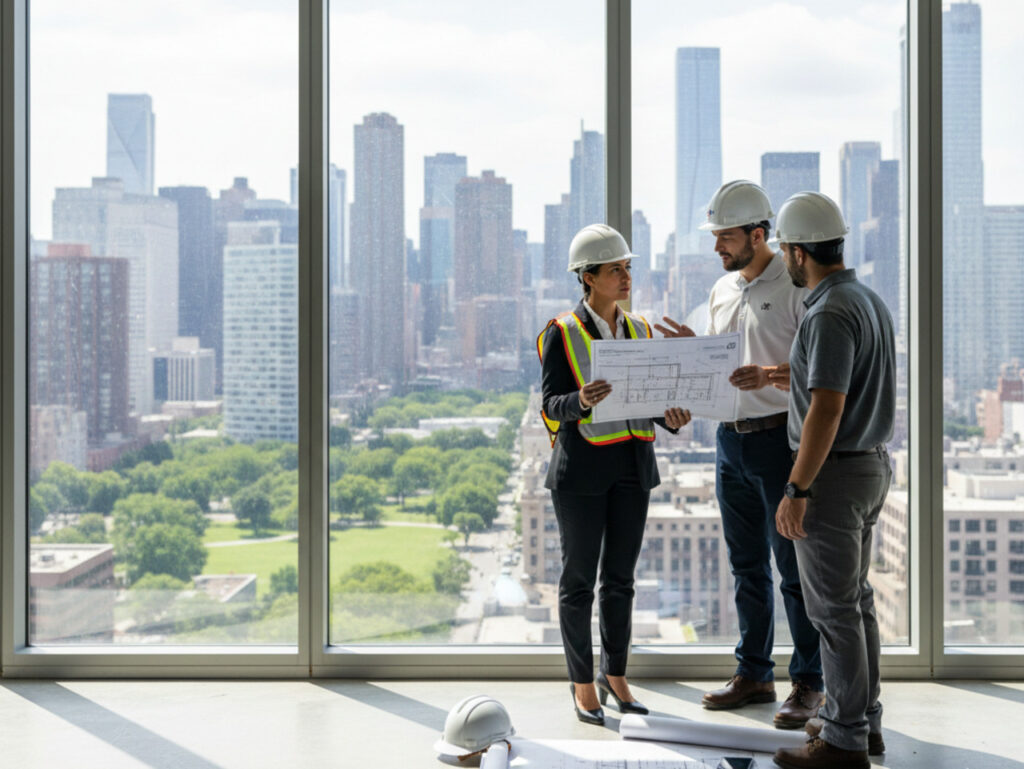
Before any film application, a critical assessment of the existing glazing system is paramount. This evaluation includes identifying the type of glass (e.g., annealed, tempered, laminated, insulated glass units), its age, thickness, and current condition. Factors such as the presence of existing coatings, seals, and framing materials can influence film compatibility and installation methodology. Understanding the thermal and structural characteristics of the current windows with UV protection capabilities helps to preclude potential issues and ensures the chosen film enhances, rather than compromises, the integrity of the glazing system. This analysis also informs whether interior or exterior film applications are more appropriate, considering accessibility, aesthetics, and long-term durability requirements for a commercial building renovation.
Defining Performance Objectives: UV Protection, Energy Savings, Security, Aesthetics
Project objectives often encompass a spectrum of desired outcomes, with UV protection serving as a primary driver for asset preservation. However, 3M advanced films offer a multifunctional approach, addressing several performance objectives simultaneously.
- UV Protection: Our films are engineered to block up to 99.9% of harmful UVA and UVB rays, significantly reducing fading for furnishings, artwork, and merchandise, while also contributing to occupant health by mitigating skin and eye exposure.
- Energy Savings: Many films offer substantial solar heat gain reduction, directly translating into lower cooling costs and reduced strain on HVAC systems. This can lead to impressive energy savings, often ranging from 5% to 15% of annual energy consumption depending on climate and building design.
- Security: Certain film series provide an invisible layer of protection, strengthening glass against impact, intrusion, and accidental breakage. This is a critical consideration for occupant safety and asset security.
- Aesthetics: Films can also address glare reduction for improved visual comfort, provide daytime privacy, or enhance the exterior appearance of a building without significantly altering its original design intent.
Clearly defining and prioritizing these objectives early in the project lifecycle allows for the selection of the most appropriate and cost-effective film technology.
Film Selection by Sector: Customizing Solutions for Specific Environments
The versatility of 3M window films enables precise customization for the distinct needs of various commercial sectors. Each environment presents unique challenges and demands specific performance characteristics from its glazing.
Retail Spaces: Safeguarding Merchandise and Enhancing Display Appeal
For retail environments, maintaining the pristine condition of merchandise and ensuring an inviting, well-lit display area are critical. UV protection films prevent fading and degradation of fabrics, electronics, and other valuable goods, preserving their appeal and extending their shelf life. Simultaneously, glare reduction enhances the shopping experience, and heat control maintains comfortable indoor temperatures, all without obscuring product visibility or altering the natural light spectrum necessary for vibrant displays.
Educational Institutions: Creating Comfortable Learning Environments and Protecting Assets
Educational facilities benefit significantly from window film applications that prioritize student and staff comfort and safety. Films can mitigate excessive solar heat gain, creating cooler, more consistent classroom temperatures, which has been shown to improve concentration and learning outcomes. Glare reduction minimizes eye strain on whiteboards and computer screens, while the UV blocking properties protect interior furnishings and educational resources from deterioration. Security films also add a layer of protection against breakage, enhancing safety in a school environment.
Commercial Offices: Improving Occupant Comfort and Reducing Operational Costs
In commercial office settings, occupant comfort directly impacts productivity and morale. Window films address common issues like uneven temperatures, excessive glare, and the discomfort of direct sunlight. By moderating heat gain and reducing glare, these films create a more stable and pleasant working environment. The energy savings realized from reduced HVAC loads contribute directly to lower operational costs, demonstrating a clear return on investment for property managers focused on efficiency.
Museums and Galleries: Specialized Asset Preservation Strategies
Museums and galleries house irreplaceable artifacts susceptible to damage from UV radiation and excessive light exposure. For these specialized environments, 3M offers films with ultra-high UV rejection—often exceeding 99.9%—specifically designed for advanced artifact preservation. These films can also control visible light transmission and infrared heat without significantly altering the visual appearance of the glass, protecting delicate exhibits from photodecomposition and thermal stress while maintaining optimal viewing conditions for visitors.
Understanding Product Lines: An Overview of 3M Prestige, Scotchtint, and Safety & Security Series
3M’s diverse product portfolio offers specialized solutions for every project demand.
- 3M Prestige Series: These spectrally selective films are renowned for their ability to reject significant amounts of solar heat and UV rays while maintaining a virtually invisible appearance and high optical clarity. They achieve this without using metals, eliminating concerns about corrosion or signal interference.
- 3M Scotchtint Series: This comprehensive range includes a variety of 3m window tint, reflective, and low-emissivity films designed to address specific needs for heat control, glare reduction, and privacy, offering a balance of performance and aesthetics.
- 3M Safety & Security Series: These films are robust, clear polyester layers applied to glass that hold shattered fragments together upon impact, offering enhanced protection against forced entry, civil unrest, natural disasters, and accidental breakage. Many also incorporate UV-rejecting properties.
Spectrally Selective Films: Achieving High Performance with Optical Clarity
Spectrally selective films, exemplified by the 3M Prestige Series, represent a pinnacle of window film technology. These innovative films use multi-layer optical film technology to selectively block infrared (IR) heat and ultraviolet (UV) radiation, while allowing a high percentage of visible light to pass through. This means buildings can benefit from significant heat reduction and superior UV protection without a noticeable change in the window’s appearance or a reduction in natural light. Their non-metalized construction ensures no interference with cellular signals, GPS, or Wi-Fi, making them ideal for modern commercial environments.
Considerations for Interior vs. Exterior Applications of Commercial Window Tinting
The choice between interior and exterior film application is a key specification decision, influenced by factors such as glass type, building height, accessibility, and desired performance characteristics.
- Interior Applications: Generally simpler and less costly to install, interior films are suitable for most standard glazing types and offer excellent performance and longevity. They are protected from external elements, extending their lifespan.
- Exterior Applications: Exterior films are often preferred for certain low-emissivity (Low-E) or laminated glass types where interior application could cause thermal stress. They are also beneficial when interior access is challenging or when maximum solar heat rejection is required before heat penetrates the glass. While more exposed to weathering, modern exterior films are engineered for durability, offering robust performance in demanding conditions.
Seamless Execution at Scale: Partnering for National Implementations
For large-scale, multi-site projects, the efficacy of 3M film solutions is only fully realized through impeccable execution. Partnering with a proven installer transforms the product’s technical specifications into tangible, consistent performance across every location. This strategic collaboration is paramount for Project Manager Paul, ensuring that critical objectives like budget adherence, schedule integrity, and client satisfaction are met without compromise.
The Advantage of Experience: Why Choosing the Right Installer Matters for Large Projects
The successful deployment of window film across numerous properties is a complex logistical and technical undertaking. An experienced, large-scale installer brings invaluable expertise in managing multi-site rollouts, understanding the nuances of different architectural styles, and navigating local regulations. Their proficiency ensures consistent application quality, adherence to strict safety protocols, and effective problem-solving, all of which are crucial for maintaining project momentum and avoiding costly delays. This experience mitigates risks, provides peace of mind, and ultimately protects your investment.
Ensuring Quality and Durability: Professional Installation Techniques for 3M UV Protection Film
Professional installation is not merely about applying film. It is a meticulous craft that directly impacts the film’s long-term performance and durability. This involves precise measurements, expert glass preparation, bubble-free application, and careful trimming. Adherence to 3M’s stringent installation guidelines, using specialized tools and techniques, ensures optimal adhesion, optical clarity, and longevity of the film. A high-quality installation guarantees that the film’s UV protection, energy efficiency, and other performance benefits are delivered consistently over its warranted lifespan.
Warranty and Post-Installation Support for Commercial Applications
A comprehensive warranty from both the manufacturer and the installer is a cornerstone of any large commercial window film project. 3M offers some of the industry’s most robust warranties, covering aspects such as bubbling, cracking, peeling, and delamination. Furthermore, a reputable installer will provide clear post-installation support, addressing any questions or concerns and ensuring the long-term satisfaction and performance of the film. This dual layer of assurance protects your investment and provides ongoing confidence in the chosen solution.
Logistics for Large-Scale Projects: Streamlining Multi-Site Rollouts
Managing the logistics for a multi-site window film installation requires a sophisticated approach. This includes coordinated material procurement, efficient scheduling across diverse locations, and skilled labor allocation. An expert partner excels in streamlining these processes, minimizing lead times, and ensuring that the right products and teams are dispatched to each site precisely when needed. This logistical prowess is critical for maintaining schedule integrity and delivering consistent results across all properties in a national implementation.
Project Management Best Practices for Commercial Window Tinting Installations
Effective project management is the backbone of successful commercial window tinting installations, particularly at scale. Best practices involve detailed site surveys, clear communication channels between all stakeholders, comprehensive risk assessments, and proactive problem identification. A dedicated project manager ensures that installation teams are well-briefed, schedules are adhered to, and quality control measures are rigorously applied. This meticulous oversight guarantees that the project stays on track, within budget, and meets all performance specifications.
Minimizing Disruption: Coordinated Scheduling and Efficient Execution
One of the most significant advantages of retrofit film over window replacement is its minimal disruption to ongoing operations. An experienced installer understands the critical importance of coordinated scheduling, often working after hours or in phased sections to avoid interrupting business activities. Efficient execution, coupled with a clean installation process, means that buildings remain fully functional throughout the project, minimizing inconvenience for occupants and ensuring business continuity—a key consideration for any project manager.
Building Trust and Reliability: Leveraging the #1 U.S. 3M Window Film Installer
Choosing a 3M Authorized Dealer instills unparalleled trust and reliability. This partner is recognized as the leading installer in the country. The designation signifies a deep understanding of all 3M product lines. It also ensures expert installation techniques and exceptional service levels. These dealers maintain financial stability and follow ethical business practices. Such a partner brings a proven track record for large-scale projects. Your investment remains in the most capable hands available.
Delivering Consistent Performance Across All Locations and Multi-Site Projects
Consistency in performance across numerous sites is a non-negotiable requirement for national rollouts. A premier installer ensures that every window, at every location, receives the same high-quality film and installation, guaranteeing uniform UV protection, energy savings, and aesthetic enhancement. This consistency delivers a unified brand image and equitable benefits across an entire portfolio, reinforcing the value proposition of the 3M film solution.
ROI and Long-Term Value: A Data-Driven Investment Justification
Beyond immediate cost savings compared to full window replacement, 3M window film offers a compelling return on investment (ROI) and significant long-term value. This is driven by measurable benefits such as reduced energy consumption, extended lifespan of interior assets, and improved occupant comfort, which can lead to higher tenant satisfaction and retention. The investment in film is a strategic one, yielding continuous benefits over many years.
Calculating Payback Periods and Lifetime Savings for Your Project
A detailed financial analysis can clearly demonstrate the economic benefits of 3M window film. This analysis considers initial installation costs, projected energy savings, reduced maintenance for HVAC systems, and the preservation of valuable interior assets. Often, commercial projects see payback periods for film installations within 3-5 years, followed by decades of pure savings. Lifetime savings, calculated over the film’s durable lifespan, routinely represent a substantial sum, making the financial case for retrofit film exceptionally strong.
Enhancing Property Value and Tenant Satisfaction
The cumulative benefits of 3M window film contribute directly to increased property value. Improved energy efficiency and occupant comfort make buildings more attractive. Reduced glare and superior asset preservation further enhance the interior environment. These features help owners achieve higher occupancy rates and increased lease values. The dual benefit of financial savings and appeal makes film a strategic asset. Every commercial real estate portfolio can gain from this high-performance technology.
Conclusion: Optimizing Performance, Budget, and Timeline with Advanced Film Technology
Recap: The Strategic Superiority of 3M Retrofit UV Protection Films
The preceding discussion has consistently demonstrated that specifying high-performance retrofit UV protection films, such as those offered by 3M, is not merely an alternative but a strategically superior choice for managing large-scale commercial projects. These advanced films deliver exceptional UV protection, effectively blocking up to 99.9% of harmful UVA and UVB rays. This robust barrier significantly mitigates the fading and degradation of interior furnishings, artwork, and valuable assets, directly addressing critical client concerns about asset preservation.
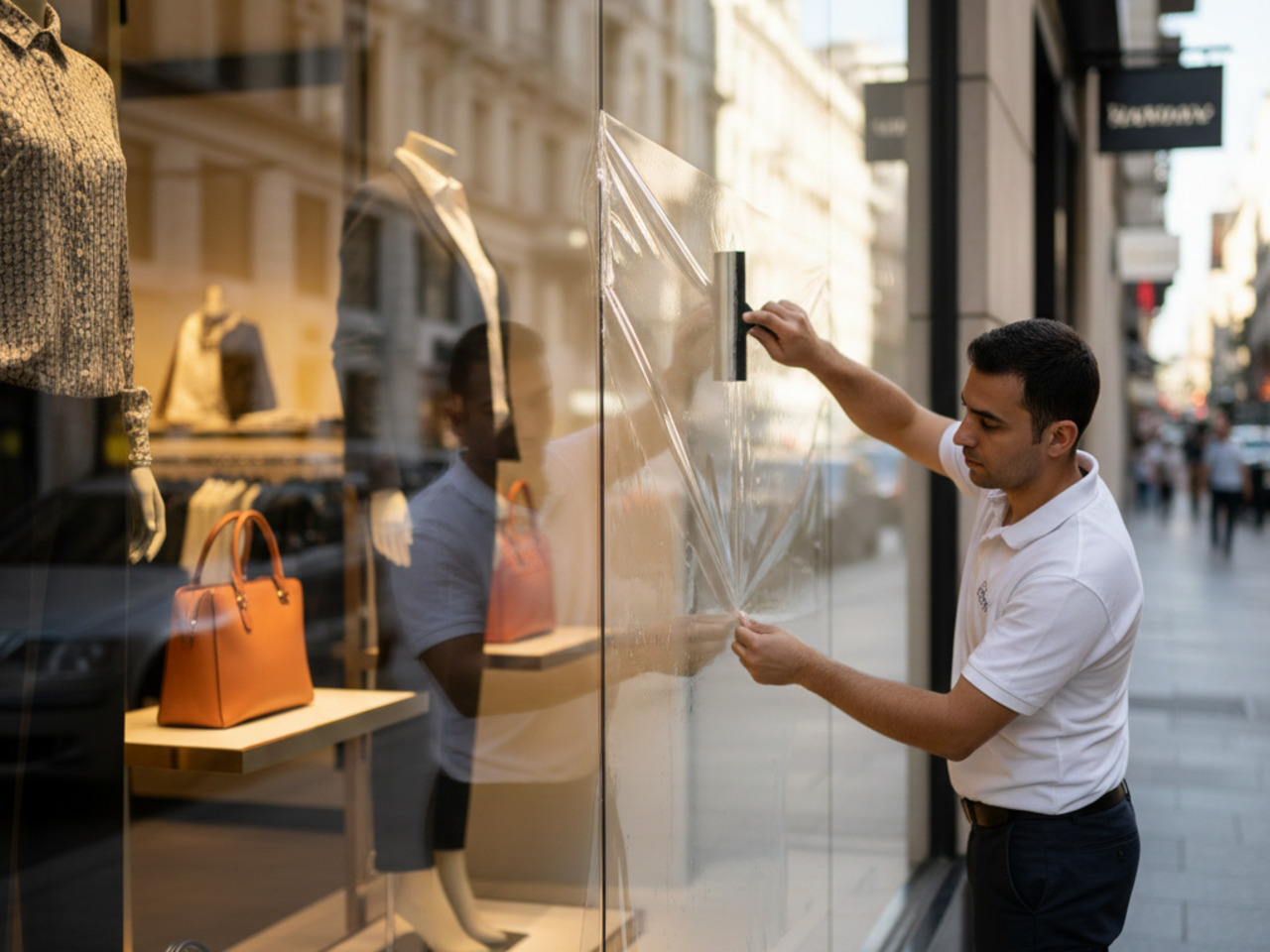
Crucially, the implementation of these films provides a project execution advantage that full window replacement simply cannot match. The rapid deployment capabilities, minimal operational disruption, and significantly lower capital expenditure directly align with Project Manager Paul’s primary objectives of maintaining strict budgets and aggressive timelines. The financial prudence and logistical efficiency of applying these specialized films to existing windows with UV protection capabilities underscore its role as a strategic enabler for project success, ensuring client satisfaction without compromising the project’s bottom line or schedule.
Key Takeaways for Construction and Renovation Managers
For project managers navigating the complexities of large-scale commercial renovations, the choice of 3M UV protection films offers clear, actionable advantages:
- Cost-Effectiveness: Achieve superior UV protection at a fraction of the cost associated with full window replacement, reallocating significant capital back into other critical project areas.
- Accelerated Timelines: Installation is dramatically faster, minimizing construction schedules and allowing for quicker project completion and occupancy. This efficiency directly impacts overall project profitability.
- Reduced Disruption: Film application involves minimal intrusion into ongoing operations or tenant activities, preserving productivity and reducing inconvenience during the renovation phase.
- Enhanced Asset Preservation: Protect valuable interior assets from UV-induced fading and damage, ensuring their longevity and maintaining their aesthetic and monetary value for stakeholders.
- Performance Parity (or Superiority): Modern film technology provides robust UV protection equivalent to, or in some cases exceeding, that offered by new high-performance glazing, without the associated structural and logistical challenges.
Future-Proofing Your Projects: Proactive Solutions for Evolving Client Demands
The integration of advanced film technology into your project specifications represents a forward-thinking approach to building performance and tenant satisfaction. As client demands evolve towards greater sustainability, occupant comfort, and long-term asset value, solutions like 3M UV protection films stand out. They offer a flexible and adaptable method to upgrade existing building envelopes without resorting to costly and environmentally intensive structural overhauls.
This proactive stance ensures that your projects are not just meeting current standards but are also equipped to handle future expectations for building efficiency and interior preservation. By embracing these innovative solutions, you are future-proofing your assets and delivering buildings that are more resilient, more comfortable, and ultimately, more valuable for years to come.
Next Steps: Engaging a Technical Consultant for Your Next Commercial Project
To fully leverage the strategic benefits of 3M UV protection films, we recommend engaging directly with a specialized technical consultant. These experts can provide a comprehensive assessment of your project’s specific requirements, offering detailed insights into film selection, performance modeling, and installation logistics. Their in-depth knowledge ensures that the chosen film solution is perfectly tailored to your building’s unique characteristics and your project’s performance objectives. This collaborative approach guarantees optimal results, transforming potential challenges into tangible project advantages.
Frequently Asked Questions
What are the main benefits of installing UV protection film on commercial windows?
Installing UV protection film on commercial windows primarily prevents sun fading through windows by blocking up to 99.9% of harmful UV rays. This safeguards interior assets like furniture, artwork, and merchandise, extends their lifespan, reduces cooling costs by rejecting solar heat, and enhances occupant comfort by minimizing glare and maintaining stable indoor temperatures.
How does 3M UV protection film compare to replacing existing windows for UV protection?
3M UV protection film offers a strategic advantage over full window replacement. It provides superior UV rejection and solar heat control at a fraction of the cost and with significantly less disruption. Installation is much faster, preserving business continuity and aligning with strict project budgets and timelines for a commercial building renovation.
Can commercial window tinting contribute to green building certifications?
Yes, high-performance commercial window tinting, particularly 3M films that reduce solar heat gain and improve energy efficiency, can contribute to earning LEED credits and other green building certifications. By lowering energy consumption and carbon emissions, these films support sustainability goals for your project.
What is the 3M Prestige Series, and why is it recommended for asset preservation?
The 3M Prestige Series is a line of spectrally selective films known for their high UV rejection (up to 99.9%) and ability to block significant solar heat without noticeable changes to window appearance or optical clarity. They are ideal for asset preservation in settings like museums, retail, or offices because they prevent fading and degradation of valuable interiors while maintaining natural light and view.
What are Solar Heat Gain Coefficient (SHGC) and Total Solar Energy Rejected (TSER)?
Solar Heat Gain Coefficient (SHGC) measures the fraction of solar radiation that enters a building through its glazing, with lower values indicating better heat rejection. Total Solar Energy Rejected (TSER) represents the total percentage of solar energy (UV, visible light, and infrared) that a window film system blocks. Both are key performance indicators for a film’s energy efficiency.