Table of Contents:
- Decoding Performance Metrics for Commercial Window Film
- Aligning Film Specification with Core Project Goals
- De-Risking Your Project with Professional Installation
- A Project Manager’s Quick Reference for Specifying Film
- Conclusion: Transforming Window Film from an Expense to a Strategic Asset
- Frequently Asked Questions
- Related Posts from Window Film Depot
Decoding Performance Metrics for Commercial Window Film
To effectively manage risk and deliver on client expectations, project managers must shift their perspective from simple aesthetics to hard data. Evaluating architectural film requires a clear understanding of its performance specifications. These metrics are not just marketing terms. They are quantifiable measures of a film’s ability to solve specific building challenges, directly impacting energy efficiency, occupant comfort, and asset protection. Moving beyond a commodity mindset means learning to read and prioritize these key performance indicators on a product data sheet.
Visual Light Transmission (VLT) and Glare Reduction
Visual Light Transmission, or VLT, measures the percentage of visible light that passes through a window after the film has been applied. A film with a 70% VLT is nearly clear and allows most natural light in, while a film with a 20% VLT creates a noticeably more shaded and private interior.
Glare reduction is a direct consequence of VLT and is inversely proportional to it. A lower VLT number means higher glare reduction. For a project manager, this translates to a direct solution for occupant complaints in office environments, where screen glare can hinder productivity.
Specifying a film with the appropriate VLT is a balancing act between preserving natural light and creating a comfortable, functional workspace.

Total Solar Energy Rejected (TSER) for Energy Efficiency
Total Solar Energy Rejected, or TSER, is the single most important metric for evaluating a film’s energy-saving capabilities. It represents the total amount of solar energy, including visible light, infrared (IR) heat, and ultraviolet (UV) rays, blocked from entering a building.
Be cautious of films marketed solely on their “IR Rejection” numbers. These figures can be misleading as they often measure performance at only a single, narrow wavelength. TSER provides a holistic and accurate picture of how a film will perform in the real world to reduce heat gain. A higher TSER value directly translates to a reduced load on the building’s HVAC system, leading to tangible energy savings and a faster return on investment for your client. For any project where energy efficiency or LEED certification is a goal, TSER should be a primary factor in your selection criteria.
The Critical Difference Between Solar and Security Films
A frequent and dangerous error is confusing solar control films with safety and security films. While they may look similar, their construction and purpose are fundamentally different.
- Solar Control Films are designed to manage heat, glare, and UV radiation. They are typically thin and focus on spectrally selective coatings to improve the performance of the building envelope.
- Safety and Security Films are engineered for hazard mitigation. They are significantly thicker, measured in mils, and use a much stronger adhesive to bond with the glass. Their primary function is to hold shattered glass fragments together during an impact, blast, or break-in attempt.
While some hybrid films offer both solar and security benefits, the project’s primary objective must guide the specification. Choosing a standard solar film for an area that requires blast mitigation or intrusion resistance is a critical failure that puts both property and people at risk.
Aligning Film Specification with Core Project Goals
Selecting a high-performance window tint film is a strategic choice that allows you to specify a solution tailored to your project’s primary objectives. Whether the client’s priority is reducing operational costs, enhancing security, or preserving valuable interior assets, specialized film technologies provide a targeted, engineered solution.
Achieving Energy Efficiency and LEED Certification
For projects driven by energy performance, 3M solar control films are a critical component of the building envelope and fenestration system. These multi-layer films are engineered to reject a significant amount of solar energy before it enters the building, directly reducing the load on HVAC systems. The resulting reduction in energy consumption not only lowers operational costs but can also contribute valuable points toward LEED certification in the Energy and Atmosphere category.
Enhancing Occupant Safety with Security Film
In today’s world, proactive security measures are a non-negotiable aspect of many commercial projects. Standard glass is often the most vulnerable point of entry. 3M designs Safety & Security Window Films to mitigate these risks by making glass harder to penetrate and holding shattered fragments together.
For maximum protection against blast events or forced entry, installers often pair them with an attachment system that mechanically anchors the film and glass to the window frame. This setup creates a powerful deterrent that can delay intruders and, most importantly, protect occupants from the danger of flying glass shards.

Preserving Interiors with Advanced UV Protection
The visible fading of furniture, flooring, and artwork is a clear sign of UV damage. This poses a significant risk to the longevity and value of a building’s interiors. 3M window films are engineered to block up to 99.9% of harmful ultraviolet rays, the primary cause of fading and material degradation. This level of UV protection is comparable to an SPF of 1000. By virtually eliminating UV transmission, these films act as a crucial layer of preservation, extending the life of valuable assets.
Using Architectural Glass Finishes for Design and Privacy
Beyond core performance, architectural glass finishes offer a versatile and cost-effective tool for achieving design goals. These films can transform the look of existing glass without the disruptive and expensive process of replacement. Frosted films create privacy for conference rooms, patterned films add visual interest to interior partitions, and a range of styles incorporates corporate branding, all while allowing easy changes as tenant needs evolve.
De-Risking Your Project with Professional Installation
The success of a window film project depends as much on the execution as it does on the material selection. For a manager overseeing a large-scale rollout, treating installation as a simple subcontracting task introduces significant risk. A professional, systematic approach is required to ensure the project stays on schedule, on budget, and meets client expectations.
The Importance of Certified Installers and Manufacturer Warranties
A manufacturer certification, such as that for 3M Window Films, is a verification that the installation company has completed rigorous training on specific products and application techniques. This ensures the film is installed according to the manufacturer’s precise standards.
Perhaps most importantly, using a certified installer is a non-negotiable requirement for activating the manufacturer’s comprehensive warranty. A warranty from a company like 3M protects your client’s investment against issues like peeling, bubbling, or discoloration. Choosing a non-certified installer may void that warranty from day one, transferring the long-term risk of failure directly onto your project and your client.
Ensuring Consistency and Quality Across a Multi-Site Rollout
For managers overseeing regional or national rollouts, consistency is paramount. Attempting to manage a network of independent, local tint shops for a multi-site project is a logistical and quality control nightmare. A single national installation partner eliminates this variability. These firms operate with standardized training programs, uniform project management protocols, and consistent quality assurance checks. This centralized approach guarantees that the film specified in the project documents is the film that gets installed, and it is installed to the same high standard at every single site.
Mitigating Sourcing Risks with a Single Vendor Partner
Relying on a fragmented supply chain of small, local installers introduces multiple points of failure. A local shop may have supply issues, lack the manpower to meet your schedule, or go out of business mid-project.
Consolidating your window film scope with a single, financially stable national vendor provides a single point of accountability. This simplifies everything from contracting and invoicing to communication and issue resolution. You have one dedicated project manager and one team responsible for the entire rollout. This streamlined model drastically reduces your administrative burden and, more importantly, de-risks the procurement and execution phases of your project.
A Project Manager’s Quick Reference for Specifying Film
To move from treating window film as an afterthought to a specified building material, you must first define your objectives. This quick reference provides a framework for asking the right questions, evaluating materials, and selecting the right partner.
Key Questions to Define Project Goals
- What is the primary problem to solve: excessive heat, glare, fading, privacy, or security?
- What are the quantitative goals, like a specific reduction in cooling costs or a level of security protection?
- Are there aesthetic requirements, such as a clear film or a tinted look to match the building facade?
- Are there sustainability targets, like LEED credits where energy-saving films can contribute?
Essential Criteria for Evaluating Film
- Total Solar Energy Rejected (TSER): The best measure for heat rejection and energy savings.
- Visible Light Transmitted (VLT): The key metric for balancing natural light and glare control.
- UV Rejection: Should be over 99% to protect interior assets from fading.
- Manufacturer Warranty: Review the length and terms for comprehensive, long-term coverage.
Checklist for Vetting Your Installation Partner
- Are they a manufacturer-certified installer for the specified film?
- Can they provide case studies for projects of a similar scale and complexity?
- Do they have a verifiable national network or are they a local shop?
- Do they assign a single, dedicated project manager for your project?
- Do they have a documented safety program and adequate insurance?
Conclusion: Transforming Window Film from an Expense to a Strategic Asset
The central argument is clear. Treating this vital component as a commodity rather than a specified building material introduces significant and avoidable risks to your project’s budget, timeline, and long-term success. The initial savings of an underspecified product are quickly erased by the cost of rework, schedule delays, and the loss of client trust.
To mitigate these risks, you must treat window tint film as a performance-critical material. Demand technical data, not just samples, and align the specification with your project’s primary goals.
Most importantly, vet your installation partner as rigorously as the manufacturer. A high-performance film is only as good as its installation.
The most effective way to de-risk the window film component of your project is to engage a seasoned project partner early in the design or bidding process. This proactive collaboration transforms window film from a potential project liability into a predictable, high-performing asset that contributes directly to client satisfaction and the overall success of your build.
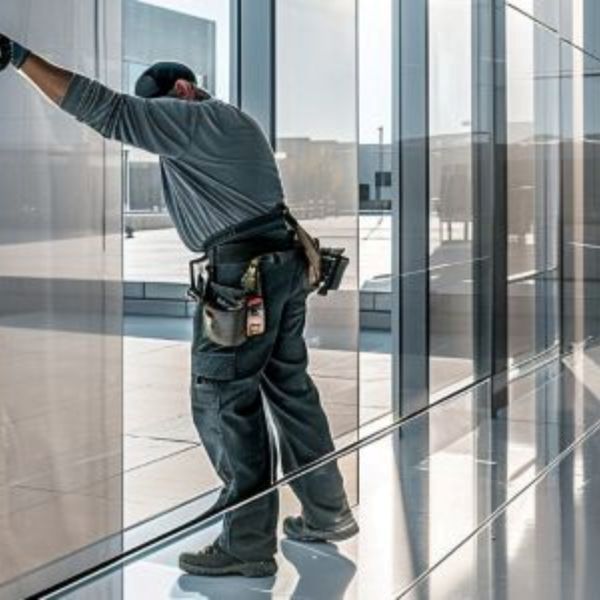
For expert guidance and seamless project execution, trust Window Film Depot to deliver high-performance solutions tailored to your exact needs.
Frequently Asked Questions
What is the most important metric when choosing window film for energy savings?
The most important metric is Total Solar Energy Rejected (TSER). It provides a complete measure of a film’s ability to block solar heat, including visible light, infrared, and UV rays. A higher TSER value directly corresponds to greater energy savings by reducing the load on your building’s HVAC system.
Can I get security benefits and solar control in one window film?
Yes, hybrid films are available that combine both safety and solar control properties. However, it’s crucial to identify the primary objective. A dedicated security film will always offer superior protection against impact and forced entry compared to a hybrid. We can help you specify the right product that balances your security needs with your energy efficiency and aesthetic goals.
How does using a certified installer affect the 3M window film warranty?
Using a 3M Certified Dealer Installer is essential. The comprehensive manufacturer’s warranty, which protects against product defects like bubbling or peeling, is only valid if the film is installed by a certified professional according to strict guidelines. It’s the only way to ensure your client’s investment is protected for the long term.
Will commercial window film make our offices too dark?
Not necessarily. The amount of light allowed through is determined by the film’s Visible Light Transmission (VLT). Modern films offer a wide range of VLT levels. You can choose a nearly clear film that blocks heat and UV without significantly changing the look of your windows, or select a darker film for maximum glare reduction. The choice depends on balancing natural light with occupant comfort.
How can window tint film contribute to a LEED certification?
High-performance solar control films improve a building’s energy efficiency by reducing solar heat gain. This lowers HVAC usage and energy consumption, which can contribute valuable points toward LEED certification, specifically in the Energy and Atmosphere (EA) credit category.