Manufacturers use tempered safety glass for many residential and commercial applications. In short, heat-treating makes tempered glass about 4x stronger than regular, annealed glass.
By design, when broken, tempered glass disintegrates into small pieces and is much less likely to do harm.
When shattered, tempered glass windows can help protect a building’s occupants and equipment from the hazards of large shards of fragmented glass debris.
Below, we discuss what makes this glass different from standard glass and its key benefits and potential downfalls.
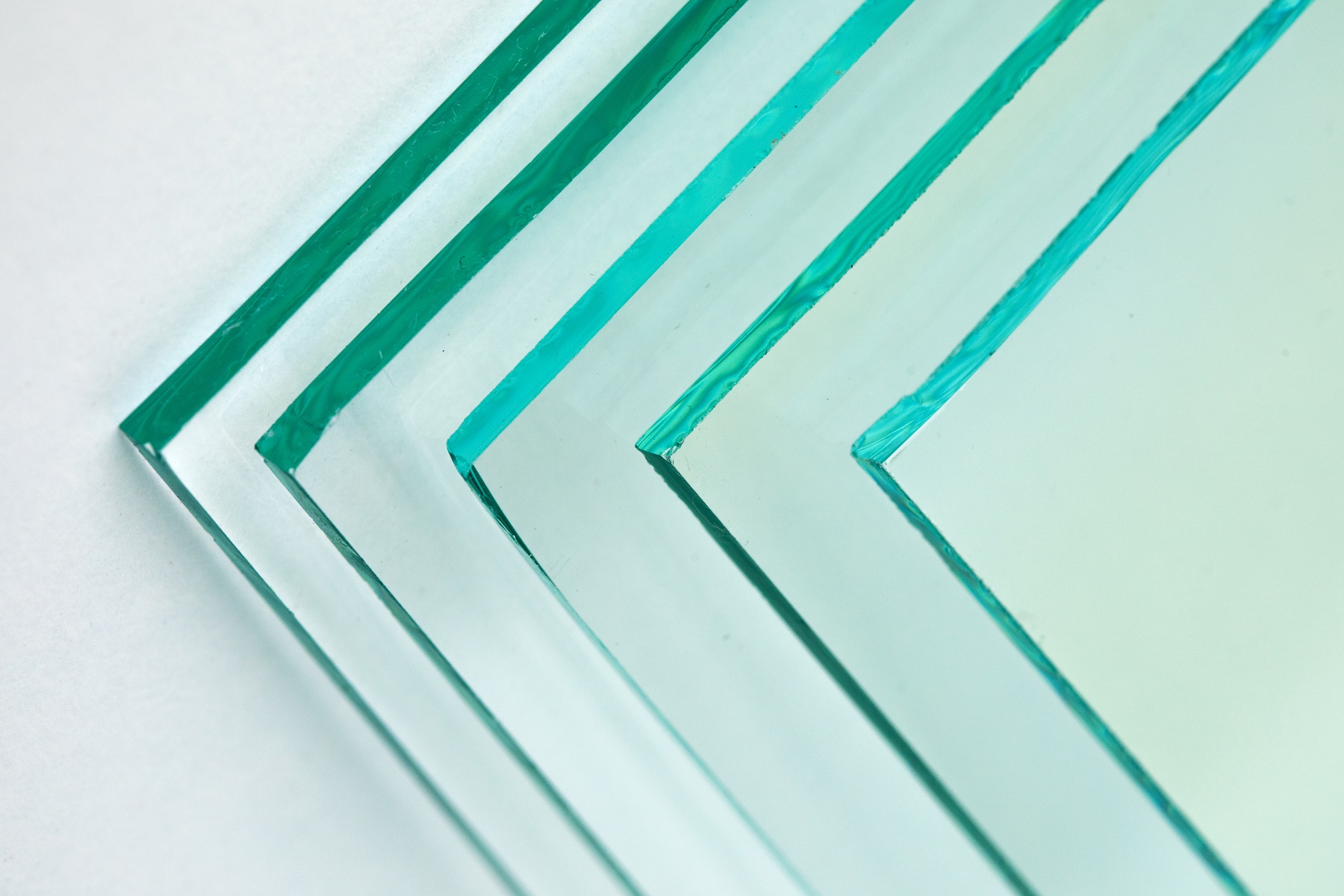
What is Tempered Glass?
Manufactured through a process of extreme heating and rapid cooling, tempered glass is much harder than standard glass. Regular, annealed glass undergoes a thermal tempering process that increases its strength and changes its composition to shatters differently.
Manufacturers heat the glass in a furnace to over 1,000 degrees Fahrenheit and then quickly cool it using high-pressure air blasts. This cools the outer layers of the glass much more quickly than the internal layers, so when the inside cools, it pulls away from the outer layers. As a result, the inside remains in a state of tension, while the outside goes into a state of compression. These competing forces are what make tempered glass so much stronger than annealed glass.
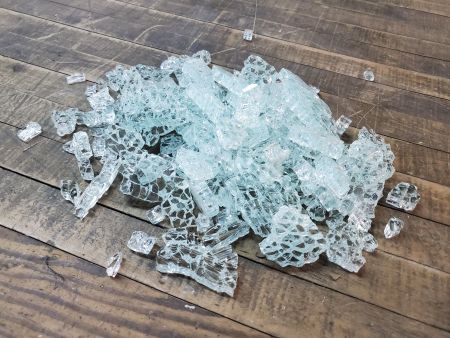
The tempering process causes this type of glass to break into small, rounded chunks instead of sharp, jagged shards. Regular, untreated glass shatters into sharp pieces called spall, which often cause injuries during extreme weather or blasts. People often call tempered glass “safety glass” because it prevents spall and helps keep building occupants safe.
What is Tempered Glass Used for?
People also know tempered glass as “safety glass,” and they often use it in car windows, shower doors, glass tables, and other installations that require higher safety standards. While the manufacturing process does make tempered glass more resistant to force, it is not shatterproof glass or unbreakable in any way. For this reason, you shouldn’t use it to prevent intruders, but it does withstand more force than regular glass.
The tempering process also makes the glass more resistant to damage from higher temperatures. That’s why you may see tempered glass used in situations where high temperatures are likely to cause glass to break, like in fireplace doors or kitchen appliances.
Disadvantages of Tempered Glass
One of the main advantages of tempered glass—its ability to shatter into tiny pebbles, also creates a disadvantage. Because it’s designed to shatter entirely upon impact, it poses a potential security risk. Motivated intruders may find it easier to gain entry because a single force can cause the entire window to fall apart.
Additionally, it’s impossible to re-size, re-cut, or re-shape tempered glass once it has undergone the tempering process. You must complete all sizing before treating the annealed glass because once tempered, it becomes too fragile to cut or adjust. Damage to any part of it will cause the entire sheet of glass to shatter, so precision and custom installations are key to using this type of glass.
If these disadvantages sound like they may be a deal-breaker for you, know that there are other window treatments that provide a sound alternative to tempered glass.
Tempered Glass vs Film
One of the main alternatives to tempered glass is window film. In the tempered glass window film debate, window film tends to win out for a number of reasons. These multi-layer films significantly improve glass windows and doors’ protective capabilities, making them harder to penetrate, whether by forced entry or flying debris.
They unobtrusively and affordably hold glass shards together when the window is damaged, preventing harm to those inside and slowing entry.
Safety & Security Window Films allow you to upgrade your glass to code for a fraction of the cost of a full glass replacement. Building codes may specify that glass near certain hazardous locations, such as wet surfaces, doors, floors, ramps, and stairs, meet certain safety glazing requirements.
3M Safety Window Films can help you quickly and easily meet safety glazing impact requirements for far less than the cost of replacement windows.
Window Film Depot is a certified installer of 3M Safety & Security Window Films. When you contact us, we’ll get a better understanding of your needs, schedule an onsite consultation, recommend the best products for you and discuss installation logistics.
There are many options to enhance window and door safety in both residential and commercial installations, so the decision comes down to what will best suit your needs. If you’re unsure, contact Window Film Depot and our representatives will do everything we can to guide you to the right product for you.