Table of Contents:
- The New Imperative: Moving Beyond Minimum Compliance
- The Cost of Inaction: Project Risks and Liability Exposure
- Beyond Code Compliance: Understanding What Defines True Safety Glass
- The Core Technologies: A Comparison of Tempered Glass vs Laminated Glass for Project Resilience
- Upholding Standards: Decoding Building Code for Glass Safety and Minimizing Project Liability
- Strategic Deployment: Identifying Critical Areas for Safety Glazing in Commercial Projects
- The Proactive Edge: Enhancing Existing Glass with High-Performance Security Window Film for Commercial Buildings
- Strategic Decision-Making: Selecting the Optimal Glass Safety Solution for Project Success
- Conclusion: Securing Your Projects, Protecting Your Future: A Proactive Approach to Glass Safety
- Frequently Asked Questions
- Related Posts from Window Film Depot
The New Imperative: Moving Beyond Minimum Compliance
In contemporary construction and renovation, glass no longer serves as a mere aesthetic or light-admitting element. Its role has evolved into a critical component of a building’s overall safety and security envelope. For project managers, this necessitates a shift in perspective, moving beyond the baseline requirements of building codes to embrace a more comprehensive approach to glass safety. Simply specifying glass that meets minimum impact resistance for designated hazard locations is often insufficient given the broader range of modern threats and client expectations.
The dynamic nature of security challenges, from extreme weather events to more sophisticated intrusion attempts, demands a proactive stance. Relying solely on code-minimum safety glass can leave projects vulnerable to risks that extend beyond accidental breakage. Project managers must now consider the full spectrum of potential incidents and the performance characteristics required to mitigate them effectively.
The Cost of Inaction: Project Risks and Liability Exposure
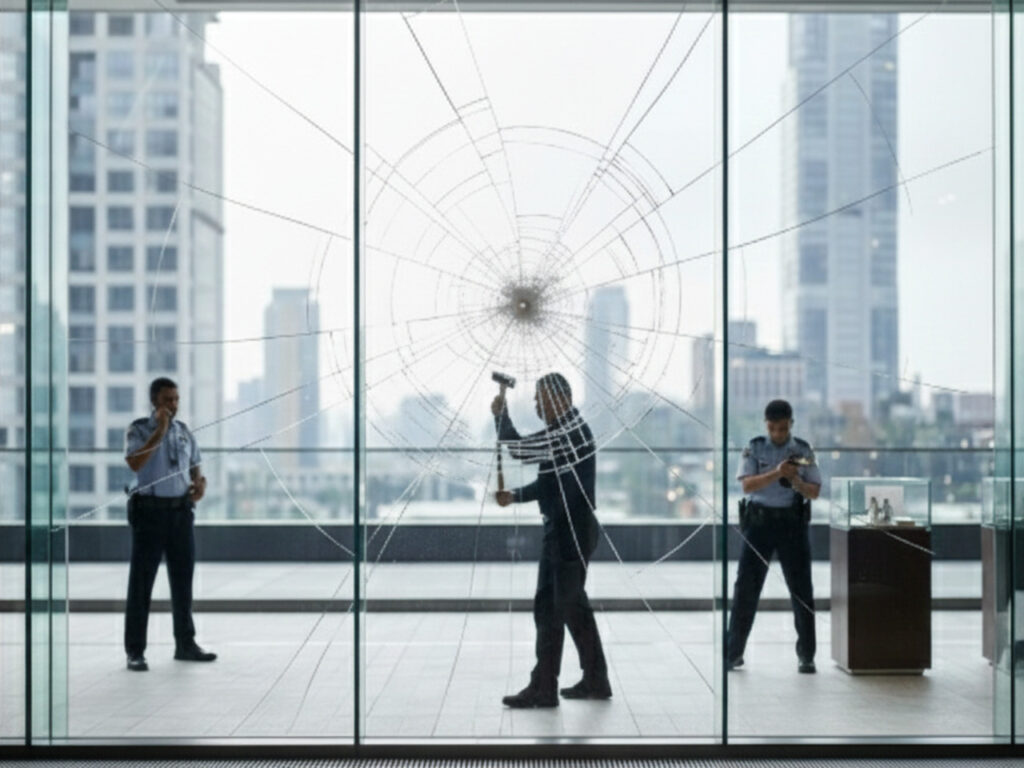
Neglecting to address glass safety comprehensively can expose projects to significant risks and substantial liability. Inadequate glass specifications can lead to severe financial consequences, including costly repairs, increased insurance premiums, and extended project timelines due to unforeseen incidents. Beyond direct financial outlays, there is the potential for adverse public relations and reputational damage for both the project and the client.
More critically, a failure to implement robust glass safety measures can result in legal exposure. When injuries occur due to glass failure, or when a security breach is facilitated by easily compromised glazing, project stakeholders may face lawsuits stemming from negligence claims. Project Manager Paul understands that minimizing these risks is paramount, requiring careful consideration of materials that offer protection beyond standard impact resistance. Proactive investment in advanced glass safety solutions directly reduces these vulnerabilities, safeguarding both assets and human life.
Why Glass Safety Is a Strategic Investment, Not Just a Requirement
Viewing glass safety as a strategic investment rather than merely a code requirement transforms it from a cost center into a value-adding component of any construction or renovation project. This proactive approach offers multiple benefits that contribute to the long-term success and resilience of a facility. It enhances occupant safety, improves building security, and protects valuable assets, aligning directly with the overarching goals of project management.
Investing in superior glass safety, whether through advanced glazing types or high-performance films, offers a demonstrable return. It can lead to reduced operational costs by minimizing repair frequency and severity, potentially lowering insurance rates, and increasing property value. It also reinforces client confidence, ensuring that the facility is not only aesthetically pleasing but also a secure and resilient environment capable of meeting unforeseen challenges.
Beyond Code Compliance: Understanding What Defines True Safety Glass
Defining Safety Glazing: Core Principles and Performance
Safety glazing refers to glass products specifically designed to reduce the risk of injury in the event of breakage. The core principle behind what is a safety glass is to either minimize the harm caused by broken pieces or prevent the glass from separating into dangerous fragments. This is achieved through specific manufacturing processes that alter the glass’s inherent properties when subjected to impact.
Performance standards for safety glazing are primarily concerned with how the glass behaves upon impact, specifically its ability to withstand a certain level of force without producing hazardous shards. This includes evaluating its impact resistance, the characteristics of its fracture pattern, and its capacity to remain in the frame. These characteristics are critical for applications in high-traffic areas, near doors, and in any location where human contact with the glass is probable.
The Critical Distinction: Safety Glass vs. Annealed Glass
To fully appreciate the role of safety glazing, it is crucial to understand its fundamental difference from annealed glass. Annealed glass is standard, untreated float glass. When annealed glass breaks, it shatters into large, sharp, and potentially lethal shards that can cause severe lacerations and penetrative injuries. This characteristic makes it unsuitable for applications where human impact is a foreseeable risk.
In contrast, safety glass is engineered to mitigate these dangers. While there are different types, the common goal is to prevent dangerous breakage patterns. This distinction is not merely academic. It forms the foundation of building codes and safety regulations that mandate safety glazing in specific hazard locations to protect building occupants from the severe consequences of annealed glass breakage.
The Broader Implications: Protecting Occupants and Assets
The protective benefits of safety glass extend far beyond simply preventing cuts from accidental breakage. Its enhanced integrity and resistance to shattering play a significant role in broader security and safety applications within a commercial structure. Properly specified safety glazing contributes to protecting occupants and assets in several critical ways:
- Injury Prevention: This remains the primary function, ensuring that accidental impact does not result in serious harm from sharp glass fragments.
- Containment: Certain types of safety glass are designed to remain largely intact within the frame even after severe impact, preventing objects or individuals from passing through the opening. This is crucial for fall protection in elevated windows or balustrades.
- Security: Enhanced resistance to breakage offers a degree of protection against forced entry. While not impenetrable, it delays intruders, providing valuable response time for security personnel.
- Blast Mitigation: Specialized safety glazing, particularly laminated glass variants, can offer significant resistance to pressure waves and flying debris from explosions, protecting occupants from direct blast effects and secondary projectiles.
- Sound Attenuation: The construction of some safety glass types, particularly laminated glass, provides improved acoustic insulation, enhancing occupant comfort and privacy.
The Core Technologies: A Comparison of Tempered Glass vs Laminated Glass for Project Resilience
Understanding the fundamental differences between tempered glass and laminated glass is critical for any project manager tasked with specifying glazing solutions. Each type offers distinct benefits and limitations, directly impacting a project’s safety profile, durability, and cost-effectiveness. Making an informed choice requires a clear grasp of their manufacturing processes, performance characteristics, and ideal applications.
Tempered Glass: Strength Through Controlled Fracture and Breakage Patterns
Tempered glass, often referred to as toughened glass, undergoes a specialized thermal tempering process. Standard annealed glass is heated to over 1,100°F (600°C) and then rapidly cooled using high-pressure air jets. This process creates compressive stresses on the outer surfaces and tensile stresses in the center, significantly increasing its strength, typically four to five times that of annealed glass.
Its primary safety characteristic lies in its unique breakage pattern. Upon impact exceeding its strength, tempered glass shatters into small, relatively blunt, pebble-like fragments rather than large, jagged shards. This controlled fracture vastly reduces the risk of serious lacerations, making it a preferred choice for applications where human impact is a concern.
Laminated Glass: Integrity Through Interlayer Bonding and Fragment Retention
Laminated glass is engineered for superior structural integrity upon breakage. It consists of two or more panes of glass bonded together with one or more polymeric interlayers, most commonly polyvinyl butyral (PVB) or SentryGlas Plus (SGP). This assembly is subjected to heat and pressure in an autoclave, creating a strong, permanent bond.
The key safety advantage of laminated glass is its ability to retain fragments upon impact. Even if the glass itself breaks, the interlayer holds the shards firmly in place, maintaining the integrity of the glazing opening. This characteristic prevents dangerous glass fallout, offers enhanced security against forced entry, and provides significant benefits in terms of sound attenuation and UV protection.
Comparative Analysis: Tempered Glass vs Laminated Glass for Specific Threats and Applications
Project managers must weigh the performance characteristics of tempered glass and laminated glass against specific project requirements, particularly concerning safety, security, and environmental factors. While both are considered safety glass, their responses to threats differ significantly.
- Impact Resistance: Tempered glass boasts high resistance to direct, blunt impact before failure. However, once its surface tension is compromised, it shatters completely. Laminated glass, while potentially cracking under impact, maintains its overall barrier function due to the interlayer, resisting penetration and containing fragments.
- Security: For applications requiring resistance against forced entry or ballistic threats, laminated glass is the superior choice. Its ability to hold together upon impact significantly delays or deters intruders. Tempered glass, once shattered, immediately creates a large, unprotected opening, offering minimal security.
- Environmental Factors: Laminated glass provides better acoustic insulation and blocks a higher percentage of UV radiation compared to standard tempered glass, which can be crucial for interior comfort and material preservation.
- Cost and Installation: Generally, tempered glass is more economical than laminated glass and can often be fabricated and installed more quickly. Laminated glass, due to its multi-layered construction and specialized manufacturing, typically incurs higher material and sometimes installation costs.
Practical Applications: Where Each Type Excels in Commercial Environments
The selection of tempered glass or laminated glass should be a deliberate decision based on the specific function and risk profile of each glazed area within a commercial project.
Tempered Glass Applications:
- Entry Doors and Partitions: Where clear vision, resistance to routine impacts, and the need for immediate, full opening upon breakage (e.g., emergency exits) are priorities.
- Shower Enclosures and Balustrades: Its controlled breakage pattern minimizes injury risk in wet environments or elevated areas.
- Exterior Windows (certain applications): For windows that are not primary security points but require impact resistance from common hazards.
Laminated Glass Applications:
- Storefronts and Curtain Walls: Providing enhanced security against smash-and-grab theft and offering protection from wind-borne debris in hurricane-prone regions.
- Skylights and Overhead Glazing: Essential for preventing broken glass from falling on occupants below.
- Banks, Jewelers, and High-Security Zones: Where ballistic resistance or extended delay of forced entry is paramount.
- Sound-Sensitive Environments: Such as offices, recording studios, or hospital wings, benefiting from its superior sound dampening properties.
Upholding Standards: Decoding Building Code for Glass Safety and Minimizing Project Liability
Navigating the complex landscape of safety glazing regulations is a non-negotiable aspect of project management. Compliance is not merely about ticking boxes; it is fundamental to minimizing project risk, safeguarding occupants, and mitigating potential legal and financial liabilities. Project managers must possess a comprehensive understanding of federal, industry, and local mandates to ensure their glazing specifications meet or exceed required performance levels.
Navigating Federal Safety Glazing Standards: CPSC 16 CFR 1201 Requirements
The Consumer Product Safety Commission (CPSC) established federal safety glazing standards under CPSC 16 CFR 1201 to reduce injuries associated with accidental impact with glazing materials. This regulation mandates performance criteria for glass used in specific hazardous locations where there is a high likelihood of human impact.
The standard categorizes safety glazing based on its resistance to impact:
- Category I (CPSC 16 CFR 1201, Category I): Designed for areas with lower potential for human impact, typically requiring resistance to a 100 ft-lb impact.
- Category II (CPSC 16 CFR 1201, Category II): Mandated for areas with a higher likelihood of human impact, requiring resistance to a 400 ft-lb impact.
Common locations requiring CPSC-compliant safety glazing include all glazed doors, panels immediately adjacent to doors, large windows near walking surfaces, and glazing in bath and shower enclosures. Failure to specify and install CPSC-compliant glass in these areas represents a significant project liability and a direct threat to occupant safety.
Industry Best Practices: ANSI Z97.1 and Its Significance for Safety Performance
Beyond federal mandates, the American National Standards Institute (ANSI) provides ANSI Z97.1, “Safety Glazing Materials Used in Buildings – Safety Performance Specifications and Methods of Test.” While CPSC 16 CFR 1201 is a federal regulation, ANSI Z97.1 is a voluntary consensus standard often adopted and referenced by building codes.
ANSI Z97.1 sets forth comprehensive performance specifications, including impact testing methods for safety glazing materials. Compliance with ANSI Z97.1 often overlaps with CPSC 16 CFR 1201 but can provide more detailed testing protocols and broader applicability, covering a wider range of glazing products. Adherence to this standard demonstrates a commitment to industry best practices, enhancing the safety profile of a project and providing an additional layer of liability protection by exceeding baseline requirements.
Regional Building Codes: Local Adaptations and Specific Safety Glazing Mandates
While federal and industry standards provide foundational requirements, it is the regional (state, county, city) building codes that ultimately govern the specific application and enforcement of safety glazing mandates. These codes, often based on model codes like the International Building Code (IBC) or International Residential Code (IRC), frequently incorporate or reference CPSC 16 CFR 1201 and ANSI Z97.1.
However, local jurisdictions can introduce additional requirements or interpretations based on regional factors such as climate (e.g., hurricane or seismic zones may require specific impact-resistant glazing), specific architectural styles, or even unique community safety concerns. Project managers must conduct diligent research into the prevailing local building codes for each project location, as these can dictate the exact type, thickness, and installation method of safety glass required, directly affecting material procurement and project scheduling.
Ensuring Compliance: Documentation, Certification, and Inspection Protocols for Glass Safety
Achieving and demonstrating compliance with safety glazing standards requires rigorous adherence to documentation, certification, and inspection protocols throughout the project lifecycle. These steps are crucial for mitigating project risks and minimizing potential liabilities.
- Documentation: Maintain meticulous records of all glass specifications, manufacturer data sheets, product warranties, and test reports confirming compliance with CPSC 16 CFR 1201 and ANSI Z97.1. This includes details on glass type, thickness, and any applied coatings or films.
- Certification: Ensure that all safety glazing products are clearly marked (often referred to as a “bug mark”) with permanent labeling indicating compliance with the relevant standards. Verify that suppliers and installers provide proper certifications for the products used and the installation methods employed.
- Inspection Protocols: Implement a comprehensive inspection regimen that includes:
- Pre-installation checks: Verify that the correct type and specification of glass have been delivered to the site.
- During-installation checks: Monitor proper handling, installation techniques, and adherence to manufacturer guidelines.
- Post-installation verification: Confirm the presence of appropriate safety markings and overall quality of the installed glazing.
By establishing these robust protocols, project managers can not only ensure the safety and performance of their glazing installations but also construct an irrefutable paper trail that serves as a powerful defense against future liability claims. This proactive approach underscores the commitment to safety beyond minimum code, protecting both occupants and the project’s stakeholders.
Strategic Deployment: Identifying Critical Areas for Safety Glazing in Commercial Projects
Effective project management demands a granular understanding of where specific safety glazing applications are not just recommended, but mandated and critical for mitigating risk. Identifying these high-risk areas during the planning and specification phases is paramount to ensuring occupant safety, regulatory compliance, and project financial integrity. This strategic deployment moves beyond general code adherence to a proactive assessment of vulnerability.
High-Impact Zones: Doors, Entrances, and Low-Level Glazing Requirements
Doors, entrance systems, and low-level glazing in commercial structures are subject to significant pedestrian traffic and potential accidental impact. Building codes, referencing standards such as ANSI Z97.1 and CPSC 16 CFR 1201, explicitly mandate safety glazing in these locations to prevent serious injury. These regulations primarily require glass that, upon breakage, minimizes sharp, dangerous shards.
Common high-impact zones include:
- Glazing in swinging or sliding doors.
- Panels adjacent to doors where the plane of the glass is within 24 inches of the door and the bottom edge is less than 60 inches above the finished floor.
- Fixed glazed panels with the lowest edge less than 18 inches above the floor in areas of high traffic or potential impact, such as storefronts and school corridors.
- Glazing surrounding wet surfaces like showers or bathtubs.
Specifying fully tempered glass, which shatters into small, relatively harmless fragments, or laminated glass, which retains fragments upon impact, is crucial here. Failure to comply poses direct safety hazards and significant liability risks for the project.
Overhead Glazing and Sloped Applications: Managing Fall-Out Risks and Integrity
Overhead glazing, encompassing skylights, canopies, and sloped glass roofs, presents a unique set of safety challenges. The primary concern is the risk of falling glass fragments if the pane is compromised by impact, thermal stress, or structural failure. For this reason, laminated glass is almost universally specified for these applications. Its interlayer prevents glass fragments from detaching and falling, thereby protecting occupants below.
Beyond direct impact, considerations for overhead glazing also include:
- Thermal Expansion and Contraction: Large temperature differentials can induce stress on glass.
- Structural Load: Wind, snow, and seismic events impose significant forces.
- Maintenance Access: Cleaning or repair work can inadvertently compromise integrity if proper safety measures are not in place.
Thorough engineering analysis and adherence to ASTM E1300 for glass strength calculation are essential to ensure the long-term integrity and safety of overhead and sloped glazing systems.
Security Vulnerabilities: Protecting Entry Points and Critical Assets from Forced Entry
While traditional safety glazing addresses accidental impact, a critical dimension for project managers is the proactive defense against intentional threats, specifically forced entry. Entry points such as ground-level windows, doors, and critical asset areas (e.g., data centers, executive offices, retail displays) are primary targets. Standard safety glass, even tempered or laminated, may offer limited resistance against determined breach attempts using tools or blunt force.
To address these security vulnerabilities, advanced solutions are often required. Project managers must evaluate:
- The level of threat, from opportunistic vandalism to targeted intrusion.
- The value of the assets protected.
- The required delay time for law enforcement or security personnel to respond.
This assessment often leads to the specification of specialized security glazing, or more commonly and cost-effectively, the application of high-performance security window film. These solutions are designed to significantly increase resistance to forced entry, providing a critical layer of defense beyond basic safety requirements.
Fire-Rated Glazing Considerations: A Nexus of Safety Requirements
Fire-rated glazing represents a complex intersection of multiple safety requirements: fire resistance, impact safety, and often security. In areas designated as fire separation barriers (e.g., stairwells, corridors, property lines), glazing must prevent the passage of flame and smoke for a specified duration, and in some cases, limit heat transfer. These products are rigorously tested to standards like UL 9 and NFPA 252.
Key considerations for fire-rated glazing include:
- Integrity: The ability to remain in its frame and prevent the passage of fire and hot gasses.
- Insulation: The ability to limit the transfer of radiant heat through the glass.
- Impact Safety: Many fire-rated applications are also in high-traffic areas, requiring the glass to also meet impact safety standards (e.g., ANSI Z97.1).
Specifying the correct fire-rated glazing requires a detailed understanding of building codes, occupancy classifications, and specific performance criteria to ensure both fire compartmentalization and general occupant safety.
The Proactive Edge: Enhancing Existing Glass with High-Performance Security Window Film for Commercial Buildings
Meeting minimum building code for glass safety is the foundational step, yet modern project demands and evolving security threats often necessitate a more proactive and adaptable approach. High-performance security window film offers a strategic advantage, particularly in retrofitting existing structures where full glass replacement is impractical or cost-prohibitive. This technology provides a robust layer of protection, elevating standard glass to meet enhanced safety and security performance criteria.
Introducing Security Window Film: A Cost-Effective Retrofit Revolution
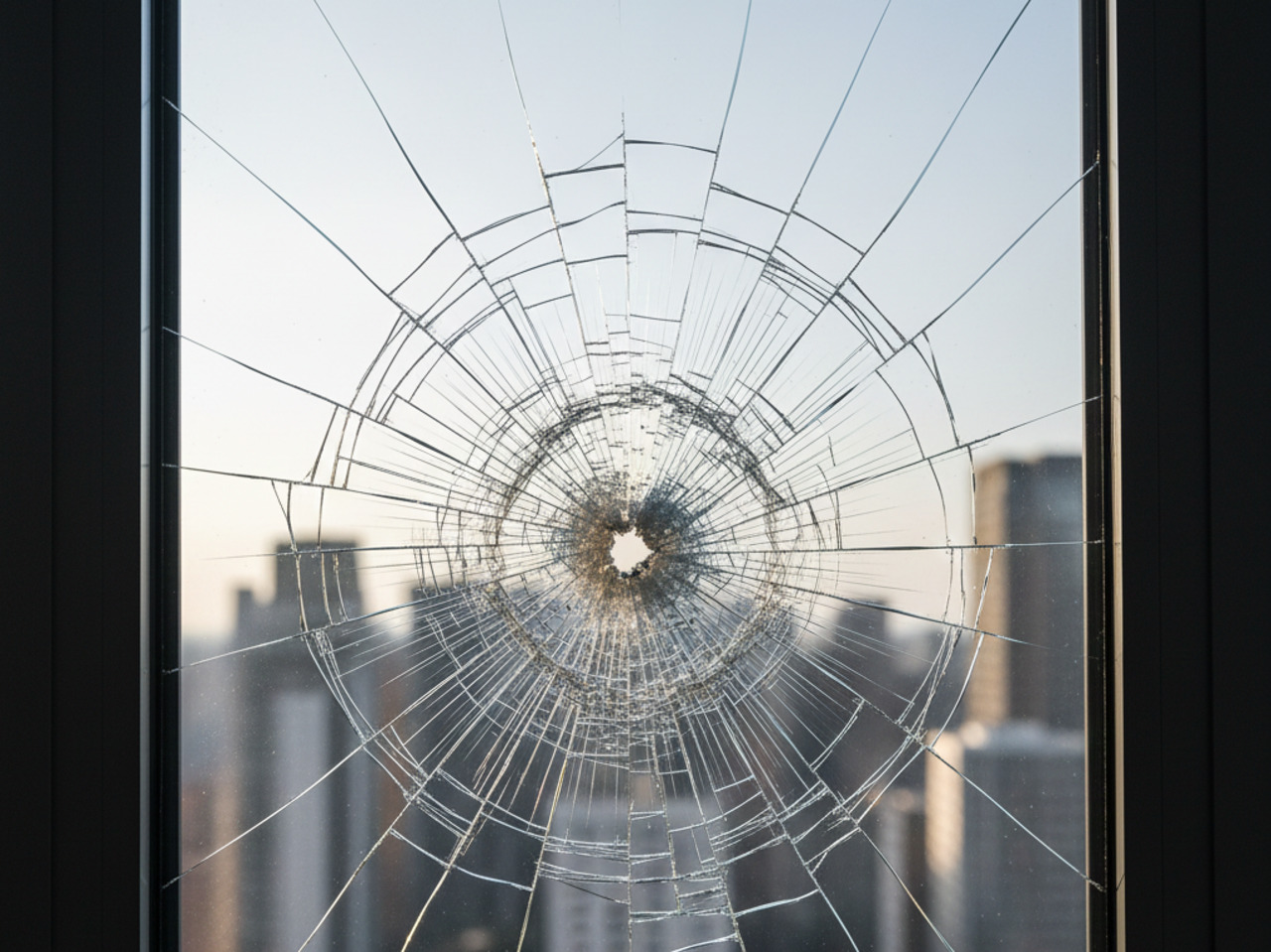
Security window film has emerged as a revolutionary solution for upgrading the performance of existing glazing without the extensive disruption and cost associated with full glass replacement. This innovative technology allows project managers to significantly enhance glass strength and safety in situ, making it an ideal choice for renovation projects, historical buildings, or facilities seeking to bolster security rapidly and efficiently. The cost-effectiveness of security film, coupled with its ease of installation, positions it as a highly attractive alternative for modernizing building envelopes.
How Security Film Works: Reinforcing Glass Against Impact, Shatter, and Blast Mitigation
Security window film operates by transforming ordinary glass into a more resilient barrier. Composed of multiple layers of clear, high-tensile polyester, and bonded to the glass surface with strong, pressure-sensitive acrylic adhesives, the film acts as a formidable invisible shield. Upon impact, whether from accidental breakage, forced entry attempts, or even blast events, the film holds the shattered glass fragments together. This prevents the glass from disintegrating into dangerous projectiles and significantly delays or deters unauthorized access. The film’s primary mechanisms include:
- Fragment Retention: Preventing glass shards from scattering, reducing injury risk.
- Impact Dissipation: Absorbing and redistributing impact energy across the pane.
- Enhanced Tear Resistance: Making it exceptionally difficult for intruders to create an entry hole.
This cohesive action maintains the integrity of the window opening, buying critical time in a security incident.
Performance Metrics and Specifications: Understanding Impact Resistance and Anti-Intrusion Capabilities
For project managers, understanding the quantifiable performance of security window film is critical for informed decision-making. Films are rigorously tested against various threats to establish their capabilities. Key performance metrics and specifications include:
- Impact Resistance: Measured by standards such as ANSI Z97.1 and CPSC 16 CFR 1201, indicating the film’s ability to prevent penetration and hold glass fragments after a defined impact.
- Anti-Intrusion/Forced Entry: Tested against standards like UL 972 (Burglary Resistant Glazing Material) or specific government protocols (e.g., GSA bomb blast standards for Department of Defense facilities). These tests simulate attempts at breaking and entering using various tools and provide a rating based on the time and effort required to breach the glass.
- Blast Mitigation: Films are tested to withstand explosive forces, rated by GSA performance conditions (e.g., GSA Level C, B, A) which define the level of protection against flying glass fragments and structural collapse.
These specifications provide a clear basis for selecting the appropriate film thickness and anchorage system to meet specific project security requirements and mitigate identified risks.
The 3M Advantage: Leveraging Advanced Film Technology for Superior Protection
In the realm of security window film, technological leadership is paramount, and brands like 3M have consistently pushed the boundaries of performance. 3M Safety & Security Window Film is engineered with proprietary multi-layer constructions and advanced adhesive systems, delivering exceptional resistance to impact, forced entry, and blast events. Their product lines, such as the Ultra Series, leverage micro-layer technology to offer superior tear and puncture resistance without compromising optical clarity.
Performance data for 3M films often showcases their ability to outperform thicker, single-layer films in retaining glass under severe conditions, providing a longer delay in forced entry scenarios and enhanced fragment retention during blast events. Partnering with certified installers, such as Window Film Depot, recognized as the #1 U.S. 3M Window Film Installer, ensures that these advanced films are applied correctly, optimizing their designed performance and ensuring the warranty remains valid. This combination of superior product and expert installation is critical for achieving the desired level of protection.
Cost-Benefit Analysis: Weighing Full Glass Replacement vs. Retrofit with Security Film
One of the most compelling arguments for deploying high-performance security window film is its favorable cost-benefit ratio when compared to the full replacement of existing glazing with specialized safety or security glass. Project managers must evaluate not only upfront material costs but also the total cost of ownership, including installation, labor, and potential business interruption.
- Cost of Materials: Security films are significantly less expensive per square foot than laminated glass or tempered glass security glazing.
- Installation Labor: Film installation is generally faster and less labor-intensive, requiring specialized tools but avoiding demolition, debris removal, and extensive glazing work.
- Disruption and Downtime: Retrofitting with film causes minimal disruption to daily operations, allowing businesses to continue largely uninterrupted. Glass replacement often necessitates extensive closures or staggered work.
- Lead Times: Film can typically be acquired and installed much faster than custom-ordered security glass units.
In most retrofit scenarios, the application of security window film offers a robust security upgrade at a fraction of the cost, and with far less operational impact than full glass replacement, directly contributing to project cost-effectiveness and risk reduction.
Expanding Beyond Safety: Integrating Film for Security, Energy Efficiency, and Privacy
The versatility of high-performance window film extends its value far beyond just impact safety and security. Modern film technologies can be integrated to address a multitude of building performance challenges, offering a multi-faceted solution that maximizes return on investment for project managers.
Considerations for expanded benefits include:
- Energy Efficiency: Many security films also incorporate solar control properties, reducing solar heat gain, glare, and UV radiation. This can lead to significant reductions in HVAC costs and improved occupant comfort, contributing to LEED certification or other green building initiatives.
- Privacy and Aesthetics: Specialized films can provide one-way visibility, frosted effects, or decorative patterns, enhancing privacy and architectural aesthetics without sacrificing light transmission or security.
- UV Protection: Most films block over 99% of harmful UV rays, protecting interior furnishings, merchandise, and occupants from sun damage and fading.
By strategically deploying high-performance window film, project managers can achieve comprehensive solutions that enhance safety and security, improve energy performance, and address aesthetic or privacy requirements, all within a single, cost-effective application. This holistic approach ensures that investments in glazing upgrades deliver maximum value.
Strategic Decision-Making: Selecting the Optimal Glass Safety Solution for Project Success
Assessing Project Needs: Risk Profile, Budgetary Constraints, and Timeline Considerations
Effective glass safety planning begins with a thorough assessment of the project’s unique requirements and limitations. This involves evaluating the specific risk profile, understanding budgetary constraints, and considering the project timeline. Each element significantly influences the selection of the most appropriate glass safety solution.
- Risk Profile: A detailed analysis of potential threats is paramount. This includes identifying risks such as accidental glass breakage, forced entry, vandalism, blast mitigation, or natural disaster preparedness. For instance, a retail storefront in a high-traffic area faces different risks than an interior office partition. Understanding these specific threats dictates whether tempered glass, laminated glass, or a security window film application is the most effective countermeasure.
- Budgetary Constraints: Every project operates within a financial framework. Project managers must weigh the upfront investment against the long-term benefits and total cost of ownership. While replacing all non-safety glass with laminated glass offers superior protection, it can be significantly more expensive than retrofitting existing glazing with high-performance security film. A cost-benefit analysis helps balance desired protection levels with financial realities.
- Timeline Considerations: Project schedules can be a critical factor. Installing new safety glass units typically requires longer lead times for fabrication and installation, often involving deconstruction and reconstruction. In contrast, applying security window film to existing glass is generally a quicker process, minimizing operational disruption and accelerating project completion. This speed can be particularly advantageous in renovation projects or when rapid security enhancements are required.
New Construction vs. Renovation: Tailoring Glass Safety Solutions
The project type, whether new construction or a renovation, fundamentally shapes the available glass safety options and their implementation. Tailoring solutions to the project type ensures both efficiency and effectiveness.
- New Construction: In new builds, project managers have the advantage of integrating safety glass solutions from the ground up. This allows for seamless incorporation of specified tempered glass or laminated glass directly into the building’s design and structural elements. It also provides the greatest flexibility for aesthetic and performance considerations, as the entire glazing system can be engineered to meet specific safety, security, and energy efficiency goals without the constraints of existing infrastructure.
- Renovation/Retrofit: For existing structures, the challenge often lies in upgrading non-safety glass to current standards without extensive demolition or exceeding budgetary limits. This is where advanced security window films become an indispensable asset. They offer a highly effective, non-invasive method to upgrade existing annealed glass or heat-strengthened glass to performance levels comparable to or exceeding laminated glass. This approach significantly reduces labor, material waste, and disruption, making it a preferred choice for improving occupant safety and security in operational buildings.
Collaborating with Experts: The Value of a Technical Security Glass Consultant
Navigating the complexities of glass safety standards, product specifications, and installation best practices requires specialized knowledge. Engaging a technical security glass consultant is a strategic decision that adds significant value to any project. These experts provide unbiased, informed recommendations that align with project goals and regulatory requirements.
A consultant can:
- Conduct a comprehensive threat assessment specific to the building and its occupancy.
- Specify appropriate glass types or film solutions that meet performance criteria (e.g., impact resistance, blast mitigation, forced entry delay).
- Ensure compliance with local building codes, national standards, and insurance requirements.
- Assist in optimizing budgetary allocation by identifying the most cost-effective solutions for desired performance.
- Oversee installation quality to guarantee the system performs as intended.
Their expertise helps project managers mitigate risks, avoid costly errors, and ensure the chosen solution delivers the intended level of protection and security.
Long-Term Value: Maintenance, Warranties, and Lifecycle Costs of Glass Safety Solutions
Beyond the initial installation, considering the long-term value of glass safety solutions is crucial for responsible project management. This encompasses understanding maintenance requirements, evaluating warranty provisions, and assessing the overall lifecycle costs.
- Maintenance: Both safety glass and security films require minimal but specific maintenance. Regular cleaning protocols typically apply, but it is important to follow manufacturer guidelines to avoid damaging film applications or specialized glass coatings. Proper maintenance ensures the longevity and continued performance of the chosen solution.
- Warranties: Thoroughly reviewing manufacturer warranties for both glass products and security films is essential. These warranties cover material defects and, for films, often include coverage against delamination, bubbling, or discoloration for a specified period. Understanding these terms protects the project’s long-term investment and provides recourse if issues arise.
- Lifecycle Costs: Evaluating lifecycle costs involves looking beyond the upfront purchase and installation. This includes considering durability, potential for repairs or replacement, and any additional benefits. For instance, some security window films also offer solar control or energy efficiency benefits, which can lead to significant long-term savings on heating and cooling costs, contributing positively to the building’s operational budget.
Conclusion: Securing Your Projects, Protecting Your Future: A Proactive Approach to Glass Safety
Recalibrating Your Approach: From Compliance to Comprehensive Protection
The landscape of building security and occupant safety has evolved significantly. Project managers can no longer view what is a safety glass solely through the lens of minimum building code compliance. A proactive approach demands a recalibration towards comprehensive protection, acknowledging modern threats and client expectations. This shift means actively seeking solutions that not only meet regulations but also anticipate and mitigate a broader spectrum of risks, including accidental impact, forced entry, and even blast scenarios. Moving beyond basic compliance to proactive security measures directly minimizes project risks and liabilities, safeguarding both assets and people.
The Indispensable Role of Advanced Glass Solutions in Modern Construction Management
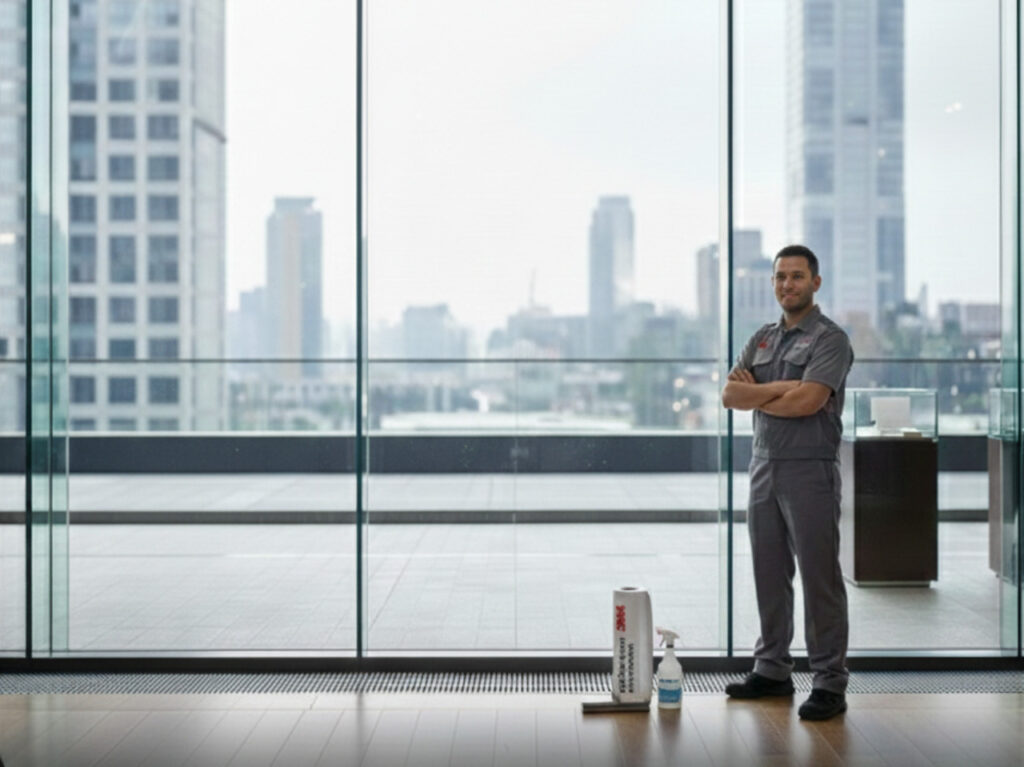
Advanced glass solutions, encompassing both traditional safety glass and innovative security window film, have become indispensable tools in modern construction management. They provide critical layers of protection, enhancing the resilience and security of structures across various sectors. For new construction, specifying integrated safety glass systems offers the highest level of foundational protection. For existing infrastructure, security window film offers a transformative, cost-effective, and less disruptive pathway to upgrade to contemporary security and safety standards, directly addressing Project Manager Paul’s need for efficient risk mitigation. These solutions are key to delivering buildings that are not only aesthetically pleasing but also robustly secure and safe.
Partnering for Project Excellence: Your Resource for Unwavering Glass Safety and Security
Achieving project excellence in glass safety and security requires informed decision-making, strategic planning, and collaboration with trusted experts. By understanding the nuances of risk profiles, budgetary constraints, and available technologies, project managers can make choices that maximize protection and deliver long-term value. Leveraging the insights and expertise presented here and partnering with experienced technical consultants ensures that every project benefits from unwavering glass safety and security, protecting the future of your clients’ investments and the well-being of their occupants.
Frequently Asked Questions
What is the primary difference between tempered glass and laminated glass?
Tempered glass is heat-treated to be four to five times stronger than annealed glass and shatters into small, blunt fragments upon impact, reducing injury risk. Laminated glass consists of multiple glass panes bonded by an interlayer (like PVB), which holds glass fragments in place even after breakage, maintaining the window’s integrity and providing enhanced security and sound attenuation.
How does security window film enhance glass safety in commercial buildings?
Security window film, made of high-tensile polyester layers, reinforces existing glass by holding shattered fragments together upon impact. This prevents dangerous glass breakage, significantly delays forced entry attempts by intruders, and offers protection against blast mitigation, turning ordinary glass into a more resilient barrier.
What building codes and standards apply to safety glass in commercial projects?
Key standards include CPSC 16 CFR 1201, which sets federal requirements for safety glazing in hazardous locations, and ANSI Z97.1, an industry standard for safety performance specifications. Local building codes, often based on models like the International Building Code (IBC), incorporate or reference these standards and may add regional requirements.
When should a project manager consider using security window film instead of replacing glass?
Project managers should consider security window film for renovation projects, historical buildings, or facilities needing rapid and cost-effective security enhancements. It’s ideal when full glass replacement is impractical, too expensive, or would cause excessive operational disruption, offering a robust upgrade to existing glass performance with minimal downtime.
What are the benefits of laminated glass in overhead or sloped applications?
Laminated glass is essential for overhead glazing, such as skylights or sloped roofs, because its interlayer prevents broken glass fragments from falling on occupants below, significantly reducing fall-out risks. It also offers enhanced structural integrity, sound attenuation, and UV protection, contributing to overall safety and building performance.