Table of Contents:
- Beyond Aesthetics: The Pervasive Damage of Solar Radiation on Interiors
- Unveiling the Science: How High-Performance UV Protection Film Safeguards Commercial Spaces
- Beyond Basic UV Rejection: Critical Performance Metrics for Commercial Film Specification
- Strategic Film Selection: Aligning 3M UV Protection with Your Project’s Goals
- Mitigating Project Risk: The Indispensable Role of a Certified 3M National Installer
- Integrating High-Performance UV Film: Timeline, Budget, and Justifying Return on Investment
- Conclusion: High-Performance UV Film as a Strategic Imperative for Modern Commercial Projects
- Frequently Asked Questions
- Related Posts from Window Film Depot
Beyond Aesthetics: The Pervasive Damage of Solar Radiation on Interiors
For commercial project managers, the integrity and longevity of a building’s interior assets are critical components of client satisfaction and long-term value. However, the silent, pervasive damage inflicted by solar radiation often goes underestimated. This extends far beyond simple fading. Unfiltered sunlight, comprising ultraviolet (UV) radiation, visible light, and infrared (heat) energy, acts as a relentless agent of degradation on nearly every interior surface.
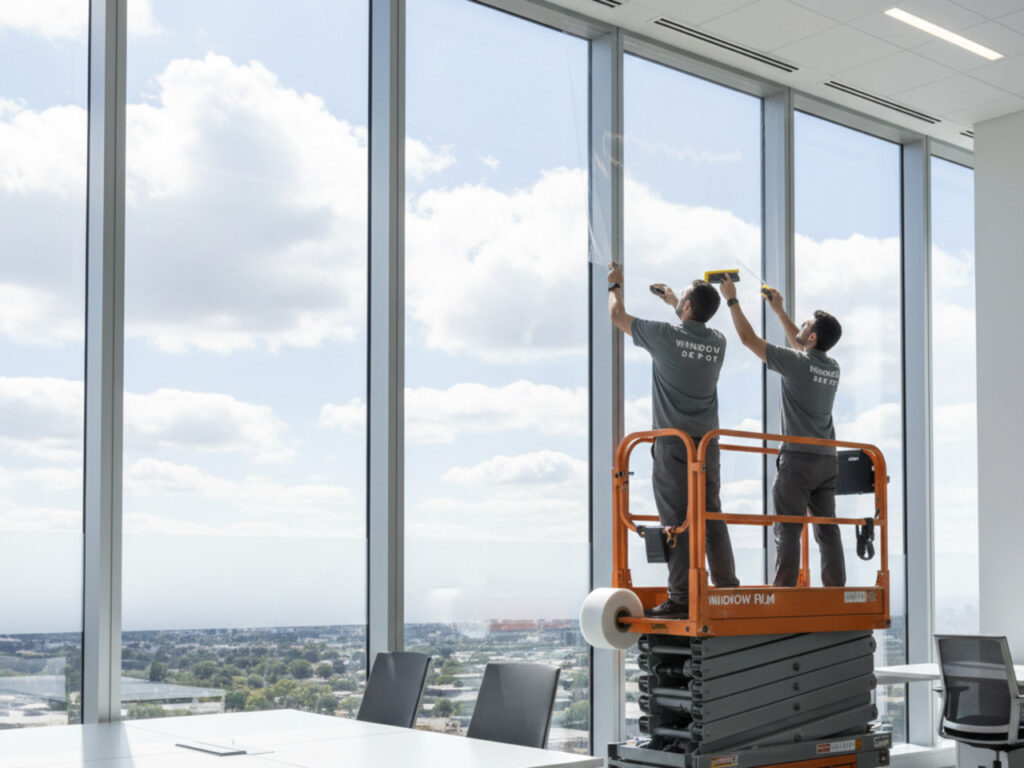
This exposure directly impacts high-value assets such as hardwood flooring, designer carpets, bespoke furniture upholstery, sensitive artwork, and even the structural integrity of display merchandise in retail environments. Over time, materials chemically break down, leading to discoloration, embrittlement, cracking, and premature wear. This compromises both appearance and functional lifespan. The perceived aesthetic damage is merely a visible symptom of a deeper material degradation process.
Quantifying the Erosion of Value: Long-Term Costs of Asset Degradation and Replacement
The cumulative effect of solar degradation translates directly into substantial long-term operational costs for building owners and managers. Consider the lifecycle of high-traffic commercial flooring, which might typically have a projected lifespan of 10-15 years. In areas exposed to direct, unprotected sunlight, this lifespan can be drastically cut to 5-7 years, necessitating premature replacement. This accelerated depreciation extends to all sun-exposed interior elements.
The financial implications are significant, encompassing not only the direct cost of new materials but also labor for removal and installation. This also includes potential business interruption during renovations and the logistical challenges of replacing custom or large-scale installations. For Project Manager Paul, these accelerated replacement cycles directly erode return on investment (ROI) for the client. They increase maintenance budgets and can potentially reduce tenant satisfaction due to visible wear and tear. Proactive protection minimizes these hidden, yet quantifiable, expenses.
The Project Manager’s Dilemma: Balancing Initial Spend with Long-Term Performance and Client Demands
Project managers frequently face the challenge of optimizing initial construction or renovation budgets while simultaneously ensuring exceptional long-term performance and meeting stringent client specifications. The upfront cost of high-performance materials, like advanced UV film protection for windows, can sometimes appear as an additional line item during the initial tender phase. Framing this decision purely on initial expenditure, however, overlooks the strategic advantage it provides.
The dilemma resolves when UV film protection for windows is viewed not as an optional add-on, but as a critical risk mitigation strategy. It is an investment that safeguards existing assets, extends their useful life, and reduces future operational expenditures. By proactively protecting interior finishes and furnishings, managers address client demands for durable, high-quality spaces. They also enhance property value and avoid costly remediation projects down the line. This approach aligns the initial investment with sustained long-term performance and client satisfaction objectives.
Unveiling the Science: How High-Performance UV Protection Film Safeguards Commercial Spaces
Understanding the Solar Spectrum: Distinguishing Harmful UVA and UVB Rays from Visible Light
To effectively mitigate solar damage, it is essential to understand the components of the solar spectrum and how they interact with materials. Sunlight reaching Earth’s surface is comprised of ultraviolet (UV) radiation, visible light, and infrared (IR) radiation. While all three contribute to heat and some degree of degradation, UV radiation is the primary culprit behind material fading and breakdown.
The Invisible Culprits: UVA and UVB Radiation
Ultraviolet radiation is categorized into ultraviolet A (UVA) and ultraviolet B (UVB) rays, each with distinct wavelengths and damaging properties. UVB rays (280-315 nm) are largely responsible for sunburn and some fading. UVA rays (315-400 nm) penetrate deeper into materials and are the predominant cause of long-term fading, discoloration, and structural degradation in fabrics, plastics, wood, and other organic compounds. Standard architectural glass offers significant protection against UVB but is largely ineffective against UVA, allowing the majority of these harmful rays to pass through unimpeded into interior spaces.
The Mechanics of Protection: Selective Filtration Technology in 3m UV Window Film
High-performance UV film protection for windows, such as those engineered by 3M, operate on a principle of selective filtration. Unlike traditional commercial window tinting that often indiscriminately blocks light and heat, these advanced films are designed to precisely target and reject specific wavelengths of the solar spectrum, while maintaining optimal visible light transmission.
This is achieved through sophisticated multi-layer optical film (MLOF) technology. These films incorporate hundreds of micro-thin layers, each tuned to reflect or absorb particular UV wavelengths. This effectively acts as a highly efficient UV barrier. For example, many 3m uv window film products are engineered to block over 99% of both UVA and UVB rays, significantly reducing the primary cause of fading and material deterioration without noticeably altering the aesthetics or natural light levels within a space. This precision engineering provides comprehensive protection that conventional glass cannot deliver.
Debunking Myths: Clarity, Commercial Window Tinting, and Comprehensive Protection
Several misconceptions often arise when discussing window film, particularly regarding its appearance and protective capabilities. It is crucial for project managers to differentiate between general commercial window tinting and specialized high-performance uv film protection for windows.
- Not all window tints offer comprehensive UV protection. While many tinted films do block some UV, their primary function is often glare reduction or heat rejection, achieved by absorbing or reflecting visible light and infrared. Not all commercial window tinting products are engineered to block over 99% of the full spectrum of harmful UVA and UVB rays. A dedicated UV protection film prioritizes this specific function, often with minimal impact on visible light.
- UV protection film does not necessarily make windows dark. This is often true for traditional, darker-tint films. However, advanced UV films, particularly clear options, are virtually undetectable once installed. They are designed to maintain the natural brightness of a space, allowing maximum Visible Light Transmission (VLT) while providing robust UV rejection. This optical clarity is a key differentiator for commercial applications where natural light is valued.
- Standard architectural glass does not provide sufficient UV protection. As previously noted, standard glass effectively blocks most UVB rays, but it offers minimal to no protection against UVA radiation. This leaves interior assets vulnerable to the deep-penetrating, long-term damaging effects of UVA. High-performance UV film protection for windows addresses this critical deficiency, providing a complete protective envelope against the sun’s most damaging rays.
Beyond Basic UV Rejection: Critical Performance Metrics for Commercial Film Specification
For project managers evaluating window film, the term “UV rejection” is often the first metric considered. While crucial, it represents only one facet of a film’s overall performance profile. A comprehensive specification for commercial and renovation projects demands a deeper understanding of additional, interconnected performance metrics. These data points provide a holistic view of a film’s impact. They enable managers to predict and deliver tangible benefits for budget adherence, asset preservation, and client satisfaction.
The 3M Difference: Understanding 99.9% UV Rejection for Uncompromised Asset Preservation
The claim of “UV protection” can vary significantly across products. High-performance films, particularly those from 3M, distinguish themselves by offering near-total ultraviolet light rejection, often reaching 99.9%. This is not merely an incremental improvement. It is a foundational safeguard for the integrity and longevity of a building’s interior assets.
- Preventing Material Degradation: UV radiation is the primary catalyst for fading, discoloration, and structural breakdown of fabrics, flooring, artwork, and wood finishes. Achieving 99.9% rejection fundamentally mitigates this damage, preserving the aesthetic and material value of costly interior fit-outs.
- Reducing Replacement Cycles: By protecting assets from premature degradation, professional-grade UV film extends their lifespan. This directly translates into reduced capital expenditure on replacements and refurbishment, offering a clear return on investment for the client.
- Maintaining Aesthetic Value: In commercial spaces like retail showrooms, offices, or hospitality venues, the visual appeal of interiors directly impacts brand perception and customer experience. Uncompromised UV protection ensures that interiors remain vibrant and professionally maintained for years.
Total Solar Energy Rejected (TSER): A Holistic View of Heat Gain and Energy Efficiency
Beyond UV, solar radiation encompasses visible light and infrared (IR) heat. Total Solar Energy Rejected (TSER) is a critical metric that quantifies a window film’s ability to block the entire solar spectrum that contributes to heat gain within a building. TSER provides a comprehensive measure of a film’s contribution to energy efficiency.
Understanding TSER is vital for several reasons:
- Direct Impact on HVAC Load: Higher TSER values indicate less solar heat entering the building, directly reducing the workload on heating, ventilation, and air conditioning (HVAC) systems. This translates to lower electricity consumption, particularly during peak cooling periods.
- Predictable Operational Cost Savings: For project managers needing to justify upfront costs, TSER data, combined with local energy rates and building specifications, can project significant, quantifiable savings on utility bills over the lifetime of the film.
- Improved Thermal Comfort: A reduction in solar heat gain contributes to more consistent and comfortable indoor temperatures, minimizing hot spots near windows and enhancing the overall occupant experience.
Visible Light Transmission (VLT) and Glare Reduction: Optimizing Comfort and Interior Brightness
Visible Light Transmission (VLT) specifies the percentage of visible light that passes through the film. While maximizing natural light is generally desirable for occupant well-being, excessive glare can be detrimental to productivity and comfort. High-performance films offer a nuanced approach, balancing light entry with glare mitigation.
- Maintaining Natural Illumination: Films with appropriate VLT values allow ample natural light, reducing the reliance on artificial lighting during daylight hours. This contributes to energy savings and creates a more pleasant interior environment.
- Enhancing Occupant Productivity: Glare from direct sunlight can cause eye strain, headaches, and reduce visibility on screens or printed materials. Glare reduction properties improve working conditions in offices, classrooms, and retail spaces.
- Aesthetic Integration: The choice of VLT can also influence the exterior appearance of a building, allowing for a consistent, professional aesthetic that complements architectural design.
The Role of Low-E Coatings and Other Advanced Film Technologies in Integrated Solutions
Modern window film technology extends beyond simple tinting. Low-emissivity (Low-E) coatings, for instance, are designed to reflect long-wave infrared (heat) radiation, improving a window’s insulation properties. This is especially beneficial in climates with both heating and cooling seasons.
Other advanced technologies further enhance the versatility and performance of window films:
- Multi-Layer Construction: Many high-performance films utilize multiple micro-layers to achieve superior UV, TSER, and glare control without excessive darkening.
- Spectrally Selective Films: These advanced films are engineered to selectively block significant amounts of heat-producing infrared light and UV radiation while allowing a high percentage of visible light to pass through. This provides superior energy efficiency without significantly altering interior brightness.
- Security and Safety Integration: Some films combine solar control properties with robust security features, offering protection against breakage, forced entry, or severe weather, creating an integrated solution for comprehensive window performance.
Strategic Film Selection: Aligning 3M UV Protection with Your Project’s Goals
Selecting the appropriate window film is a strategic decision that directly impacts a project’s budget, longevity, and end-user satisfaction. For project managers, aligning film specifications with overarching project goals ensures that the investment delivers maximum value.
Prioritizing Asset Preservation: How to Stop Furniture Fading from Sun Exposure
The fading of interior furnishings, flooring, and artwork is a widespread problem in commercial spaces with significant sun exposure. This degradation leads to premature wear, requiring costly replacements or repairs. Strategic film selection with a focus on high UV rejection offers a preventative solution for how to stop furniture from fading from the sun.
- Longer Asset Lifespan: By blocking up to 99.9% of harmful UV rays, specialized films drastically slow the fading and deterioration process, extending the useful life of interior assets by years.
- Cost Avoidance: The investment in quality UV film is often dwarfed by the cost of replacing faded carpets, discolored upholstery, or damaged wooden surfaces. It represents a proactive cost-avoidance strategy.
- Maintaining Property Value: Preserving the pristine condition of interiors contributes to the overall perceived value and marketability of a property, a significant factor for property owners and asset managers.
Optimizing Energy Efficiency: Reducing HVAC Load and Operational Costs
Energy consumption, particularly related to heating and cooling, constitutes a significant portion of a building’s operational costs. Window films with strong TSER ratings offer a proven method for substantial energy savings and a reduced carbon footprint.
- Quantifiable ROI: By calculating the reduction in HVAC run time and energy usage, project managers can present a compelling return on investment to clients, often demonstrating payback periods that align with typical project amortization schedules.
- Contribution to Green Building Certifications: Many high-performance films can contribute to points towards LEED certification and other green building standards, enhancing a project’s environmental profile and market appeal.
- Sustainable Operations: Reducing energy consumption is a core component of sustainable building management, aligning with corporate social responsibility goals and long-term operational efficiency.
Enhancing Occupant Well-being and Productivity through Controlled Environments
Beyond tangible asset preservation and energy savings, window films significantly contribute to the intangible benefits of occupant comfort and productivity. A well-controlled indoor environment fosters a more positive experience for tenants, customers, and employees.
- Thermal Comfort: Eliminating uncomfortable hot spots near windows and maintaining more stable indoor temperatures enhances the physical comfort of occupants.
- Visual Comfort: Reduced glare means less eye strain and improved visibility for tasks, leading to higher productivity in workspaces and a more enjoyable experience in retail or hospitality settings.
- Access to Natural Light: Spectrally selective films allow for abundant natural light without the associated heat and glare, contributing to a sense of openness and connection to the outdoors, which is known to boost mood and focus.
Leveraging the 3M Prestige Series and Other Specialized Films for Diverse Architectural Needs
The breadth of 3M’s window film portfolio means that project managers have access to solutions tailored for almost any architectural challenge or performance requirement. The 3M Prestige Series exemplifies this, offering high performance with minimal impact on aesthetics.
- 3M Prestige Series: Renowned for its spectrally selective technology, the 3M Prestige Series rejects significant heat and UV without noticeable reflectivity or tint. This is ideal for projects where preserving the building’s original aesthetic is paramount, such as historical renovations or high-end architectural designs.
- Safety and Security Films: For projects requiring enhanced protection against forced entry, shattered glass, or extreme weather, 3M’s Ultra Series or Safety & Security films can be integrated with solar control properties for a multi-functional solution.
- Privacy and Decorative Films: In areas where privacy or aesthetic enhancement is needed, such as conference rooms or ground-floor offices, decorative or privacy films offer functional and design benefits.
By considering these diverse options, project managers can select films that not only meet technical performance benchmarks but also perfectly align with the specific functional, aesthetic, and financial objectives of each unique project.
Mitigating Project Risk: The Indispensable Role of a Certified 3M National Installer
The efficacy of a high-performance UV film protection for windows hinges not solely on the product’s technical specifications, but equally on the expertise and accreditation of its installer. For project managers, selecting a certified 3M National Installer transforms a material specification into a comprehensive risk mitigation strategy, safeguarding both the investment and the project’s reputation.
The Value of Expertise: Precision Installation, Manufacturer Warranties, and Quality Assurance
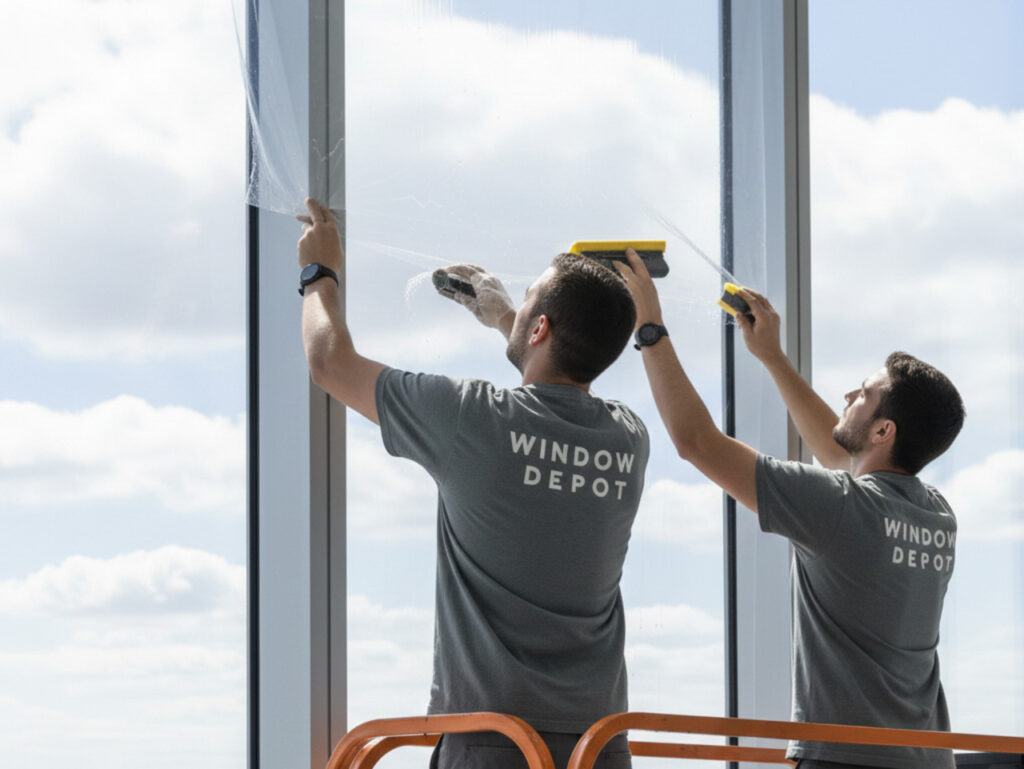
Precision in film application is paramount for achieving the stated performance characteristics and aesthetic integrity. Certified installers undergo rigorous training specific to 3M products, mastering the nuanced techniques required for flawless adhesion, edge sealing, and the absence of visual defects. This technical proficiency ensures the film performs as designed. It provides consistent UV protection and maintains visual clarity without compromising interior views.
Furthermore, proper installation by a certified professional is a prerequisite for validating the robust manufacturer warranties offered by 3M. This warranty coverage protects against common issues like bubbling, peeling, or demetallization, offering critical long-term assurance for the building owner and directly reducing future liabilities for the project manager. This level of quality assurance is an invaluable asset. It guarantees that the installed film meets exacting standards and contributes to overall project success.
Scaling Solutions: The Advantage of Unmatched National Reach for Large-Scale Rollouts
For project managers overseeing geographically dispersed portfolios or large-scale, multi-phase developments, the national reach of a premier 3M installer provides an unparalleled advantage. This infrastructure ensures consistent product availability, standardized installation protocols, and unified quality control across all sites. This translates into the following:
- Streamlined Logistics: A single point of contact and consolidated procurement simplifies complex project management.
- Uniform Quality: Adherence to consistent 3M certification standards across all installations, regardless of location.
- Expedited Timelines: Efficient coordination and deployment of installation teams optimize project schedules.
- Cost Efficiency: Potential for economies of scale and centralized management reduces administrative overhead.
This capacity for scalable deployment minimizes variability and ensures that every window across every property benefits from the same high level of protection and professional application.
The #1 U.S. 3M Window Film Installer: A Commitment to Excellence and Trust for Your Project
Entrusting a project to the leading 3M window film installer in the U.S. is a strategic decision that reflects a commitment to excellence and reliability. This distinction is earned through a proven track record of successful project delivery, an unparalleled depth of product knowledge, and a robust operational infrastructure. Such an installer brings these advantages:
- Deep Technical Acumen: Expertise in recommending the precise 3M film for specific environmental conditions and performance objectives.
- Operational Efficiency: The capability to manage complex installations within tight deadlines and budget parameters.
- Industry Leadership: A partner that stays abreast of the latest advancements and best practices in film technology and installation.
Choosing a market leader offers project managers the confidence that their specifications will be met with precision, the project timeline will be respected, and the final installation will perform optimally for its intended lifespan.
Integrating Film Specifications into Master Planning: A Seamless, Collaborative Process
Successful integration of high-performance UV film protection for windows begins well before installation. Engaging a certified 3M installer early in the master planning phase facilitates a seamless and collaborative process. This early involvement allows for the following:
- Optimized Product Selection: Matching specific film properties to daylighting strategies, thermal performance goals, and asset preservation requirements.
- Precise Budget Allocation: Accurate cost estimations based on detailed site surveys and material requirements.
- Efficient Scheduling: Coordinating film installation with other trades to prevent conflicts and ensure a smooth workflow.
- Proactive Problem Solving: Identifying potential challenges related to window types, access, or environmental factors and developing effective solutions upfront.
This collaborative approach ensures that the UV film is not merely an add-on but an integral component of the building envelope, contributing significantly to the project’s overall value proposition and performance.
Integrating High-Performance UV Film: Timeline, Budget, and Justifying Return on Investment
For project managers, the decision to incorporate high-performance UV film protection for windows is often driven by a need to justify initial costs against tangible long-term benefits. This requires a comprehensive understanding of how the film integrates into the project timeline, impacts the budget, and delivers a measurable return on investment (ROI).
Developing a Comprehensive Budget: Cost Justification and Long-Term Savings Analysis
While there is an upfront investment in professional-grade UV film protection for windows, a comprehensive budget analysis reveals compelling long-term savings. The initial cost is systematically offset by the preservation of interior assets, reduction in operational expenses, and enhancement of building value. Key areas for cost justification include these points:
- Reduced Replacement Cycles: Protecting high-value assets such as hardwood floors, fine art, custom furnishings, and designer textiles from UV-induced fading and degradation significantly extends their lifespan, avoiding premature replacement costs.
- Minimized Renovation Expenses: Maintaining the aesthetic integrity of interiors defers the need for costly refurbishments or redecorating cycles.
- Potential Energy Savings: Certain high-performance UV films also offer solar control properties, reducing solar heat gain and lowering HVAC energy consumption.
By presenting these verifiable savings, project managers can effectively articulate the financial prudence of this investment to stakeholders and clients.
Seamless Integration: Planning for Film Installation within Existing Project Phases
Integrating UV film protection for windows installation into a complex project timeline requires meticulous planning to ensure seamless execution with minimal disruption. Professional installers are adept at coordinating with other trades and project phases. Typically, film installation occurs at a stage when exterior window glazing is complete, and interior spaces are clean but prior to the placement of high-value furniture or sensitive equipment. This strategic timing offers several benefits:
- Minimizes Interference: Avoids conflicts with other construction activities.
- Optimizes Quality: Ensures a clean environment for application, preventing contamination.
- Reduces Risk: Protects newly installed film from damage by subsequent trades.
Effective communication and scheduling with a certified installer ensure that this critical step enhances the project without impeding progress.
Illustrative Scenarios: Demonstrating ROI Through Reduced Replacement Cycles and Energy Savings
To concretely demonstrate ROI, consider illustrative scenarios that quantify the benefits of UV film. For instance, in a commercial office space, a quality hardwood floor might have an expected lifespan of 10-15 years before significant UV damage necessitates costly refinishing or replacement. With UV film protection for windows, that lifespan can be extended by 50% or more, directly deferring a major capital expenditure. Similarly, high-end retail displays or museum exhibits containing light-sensitive materials benefit from prolonged integrity. This avoids damage and maintains their value.
Furthermore, if the selected film incorporates solar control features, the energy savings can be quantified. For a large commercial building, a 10-15% reduction in cooling loads translates to substantial operational cost savings over a building’s lifecycle. These verifiable financial benefits provide a clear case for the strategic investment in high-performance UV film.
Meeting Sustainability Mandates: Contributing to LEED Certification and Green Building Goals
Beyond financial returns, high-performance UV film protection for windows plays a vital role in meeting contemporary sustainability mandates and green building goals. By mitigating UV damage and potentially contributing to energy efficiency, these films can help projects qualify for various LEED certification credits across multiple categories, including:
- Materials & Resources (MR): By extending the lifespan of interior materials, films reduce the demand for new resources and minimize waste.
- Indoor Environmental Quality (EQ): Maintaining consistent indoor temperatures and protecting occupants from harmful UV radiation enhances occupant comfort and well-being.
- Energy & Atmosphere (EA): Films with solar control properties directly contribute to energy performance optimization.
Integrating UV film positions a project to achieve higher sustainability ratings, enhancing its marketability, tenant appeal, and long-term environmental stewardship.
Conclusion: High-Performance UV Film as a Strategic Imperative for Modern Commercial Projects
Reaffirming the Thesis: Asset Preservation, Cost Reduction, and Client Satisfaction
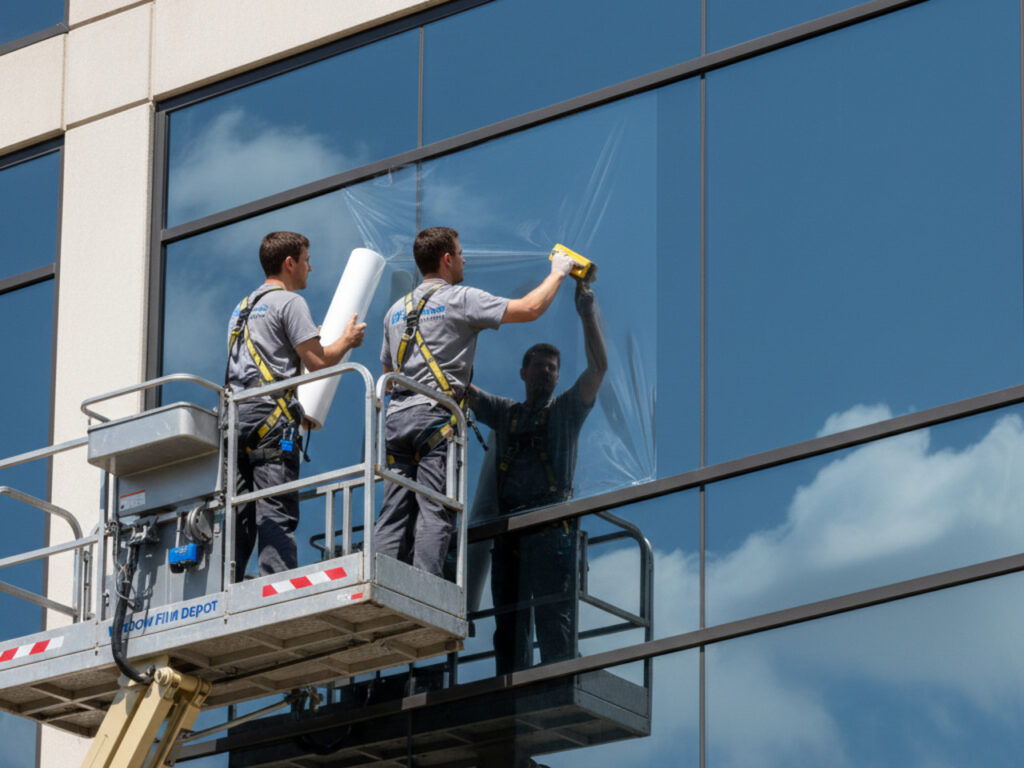
The integration of high-performance UV film protection for windows into commercial projects transcends a mere aesthetic enhancement. It stands as a fundamental risk mitigation strategy. For project managers tasked with delivering both immediate results and long-term value, this technology directly addresses critical concerns around asset depreciation, operational expenditures, and occupant experience. By significantly blocking harmful UV radiation, these films safeguard high-value interior assets, such as custom flooring, bespoke furniture, and sensitive artwork, from premature fading and degradation, thereby extending their service life and deferring costly replacements.
This proactive preservation directly translates into demonstrable cost reductions over the building’s lifecycle. Beyond asset preservation, the thermal performance improvements offered by select high-performance films can contribute to lower energy consumption for HVAC systems. This further solidifies the financial justification. Ultimately, a building that maintains its aesthetic integrity, operates efficiently, and offers a comfortable indoor environment enhances tenant satisfaction and secures long-term client loyalty. This alignment of protection, fiscal prudence, and human comfort underpins the strategic value of professional-grade UV film protection for windows.
Future-Proofing Commercial Buildings: A Proactive Approach to Performance and Value
In an era of increasingly stringent performance standards and evolving tenant expectations, commercial building development demands foresight. Specifying high-performance UV film protection for windows is a key component of future-proofing a property. It ensures its sustained relevance and marketability. This proactive measure guards against the environmental stressors that accelerate wear and tear, maintaining the building’s structural and interior integrity for decades.
- Long-term Asset Protection: Prevents premature aging of interior materials, preserving the initial investment in finishes and fixtures.
- Enhanced Energy Performance: Contributes to a more stable interior climate, potentially impacting building energy ratings and operational costs.
- Occupant Comfort and Well-being: Reduces glare and hot spots, fostering a more pleasant and productive environment for tenants and customers.
- Sustained Property Value: A well-maintained and efficiently operating building commands higher market value and attracts premium tenants over its lifespan.
Implementing such technology from the outset avoids the significant costs and disruptions associated with reactive repairs or replacements. It positions a commercial property as a high-performing, resilient asset, ready to meet the demands of tomorrow’s market.
Your Next Steps: Consulting with a 3M Certified Expert for Tailored Solutions
Understanding the multifaceted benefits of high-performance UV film protection for windows is the first step. Translating this understanding into a tangible project specification requires expert guidance. Each commercial project presents unique architectural considerations, operational requirements, and budget parameters. Engaging with a 3M Certified expert ensures that these specific variables are thoroughly assessed.
These specialists provide these key services:
- Comprehensive Site Analysis: Evaluating sun exposure, window types, and interior assets to recommend the optimal film solution.
- Data-Driven Recommendations: Leveraging technical specifications and performance data to justify the investment in your project’s context.
- Precision Installation: Ensuring correct application for maximum performance and warranty adherence.
- Long-Term Support: Offering advice on maintenance and addressing any future needs.
By partnering with a certified professional, project managers can confidently select and implement the ideal UV film protection for windows, securing a solution that is precisely tailored to their project’s unique demands. This collaborative approach ensures that the strategic investment in advanced film technology yields its full potential for asset preservation, cost efficiency, and client satisfaction.
Frequently Asked Questions
What is the primary benefit of UV film protection for windows in commercial settings?
The primary benefit of UV film protection for windows is asset preservation. It significantly reduces fading, discoloration, and material degradation of interior assets like flooring, furniture, and artwork by blocking harmful ultraviolet rays. This extends their lifespan, reduces replacement costs, and maintains the aesthetic value of the space.
How does 3m uv window film contribute to energy efficiency?
Certain 3m uv window film products, especially spectrally selective films, are designed to block a significant portion of solar heat (infrared radiation) while allowing visible light to pass through. This reduces the heat load on a building’s HVAC system, leading to lower energy consumption, reduced operational costs, and improved thermal comfort for occupants.
Can UV film protection for windows make my commercial property eligible for LEED certification?
Yes, high-performance UV film protection for windows can contribute to LEED certification credits. By extending the lifespan of materials, improving indoor environmental quality (through glare reduction and thermal comfort), and enhancing energy performance, these films support various LEED categories, including Materials & Resources, Indoor Environmental Quality, and Energy & Atmosphere.
Is commercial window tinting the same as specialized UV film protection for windows?
No. While many commercial window tinting products offer some UV protection, their primary functions often include glare reduction or heat absorption/reflection. Specialized UV film protection for windows is engineered specifically for maximum UV rejection, often blocking over 99% of both UVA and UVB rays, without necessarily darkening the windows or compromising visible light transmission.
What is Total Solar Energy Rejected (TSER), and why is it important for project managers?
Total Solar Energy Rejected (TSER) is a key metric that quantifies a window film’s ability to block the entire spectrum of solar energy that contributes to heat gain within a building. For project managers, a higher TSER value is crucial for predicting quantifiable energy savings from reduced HVAC loads, contributing to lower operating costs, and demonstrating a clear return on investment.