Table of Contents:
- How Effective Is Solar Window Film for Heat Reduction, Glare Control, and UV Protection? Learn how much heat rejection you can expect and what that means for real energy savings.
- Types of Solar Control Window Film (and How They Compare to Low-E Glass): Compare reflective, dual reflective, neutral, and ceramic films side by side.
- Real-World Energy Savings, Carbon Emissions and ROI from Solar Window Film: See actual payback timelines, cooling cost reductions, and carbon impact data.
- Comfort, Natural Light, Privacy and Aesthetics: Find out how to balance heat reduction with clear views and building appearance.
- Limitations, Common Mistakes and How to Choose the Right Film: Avoid costly errors and learn what to prioritize when selecting a product.
- Installation, Maintenance and Lifespan: Understand what professional installation looks like, how to care for film, and when to replace it.
- FAQs About Solar Window Film: Quick answers to the most common questions from homeowners and facility managers.
- Why Choose Window Film Depot
- Next Steps: Is Solar Window Film Right for Your Building?
What Solar Window Film Does and Why It’s Worth Considering
Cooling costs climb every summer. Occupants sit in hot spots near windows, squint at glare-washed screens, and watch furniture and flooring fade under relentless sun exposure. Full window replacement solves these problems, but it also costs $40 to $100+ per square foot and disrupts operations for weeks. Solar window film is a thin, retrofit layer applied to existing glass that delivers heat reduction, UV blocking, and glare control without replacing windows. It acts as an invisible shield on glass surfaces.
High-quality solar control window film can reject up to 79% of solar heat, block up to 99% of harmful UV rays, and reduce cooling costs by up to 30%. Solar films can be a cost-effective alternative to window replacement, with professional installation running $6 to $15 per square foot instead of tens of thousands for new glazing.
Is solar window film worth it? Here is what the numbers support:
- Lower energy bills: a medium-sized office can save about 20% on cooling costs
- Interior temperatures drop 5 to 10 degrees Fahrenheit near filmed windows
- Furnishings, flooring, and merchandise last longer with 99% UV protection
- Lower carbon emissions from reduced air conditioning runtime
This article covers the practical details facility managers, architects, homeowners, and businesses need to choose the right film for their glass.
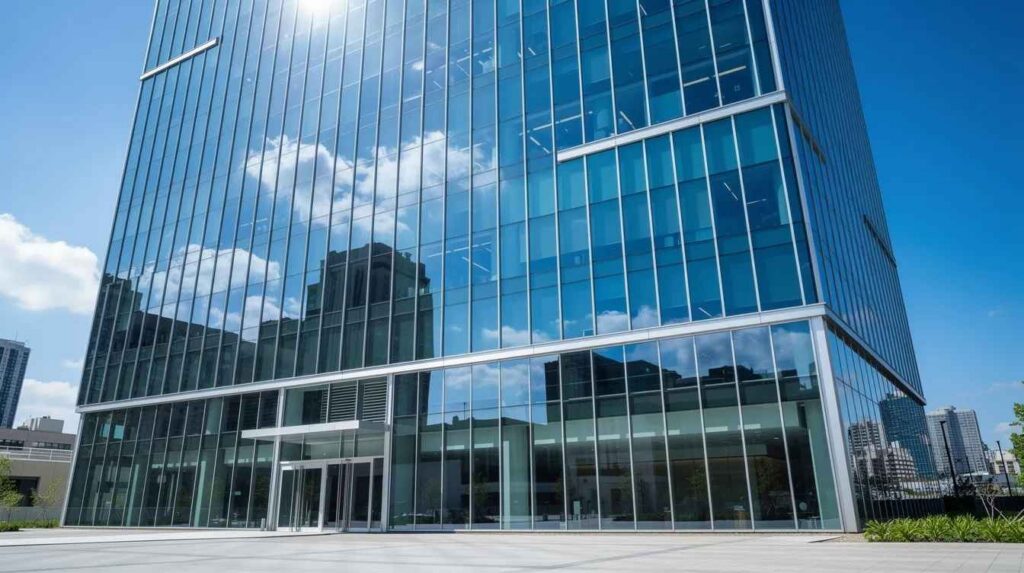
How Effective Is Solar Window Film for Heat Reduction, Glare Control, and UV Protection?
Solar films utilize reflection, absorption, and transmission to manage sunlight. A film’s coating or embedded particles bounce infrared energy away, absorb portions of the solar spectrum, and let a controlled amount of visible light through. The result: less total solar energy enters the building.
When a product spec sheet lists 60-70% heat rejection, that means 60-70% of the sun’s energy hitting that glass never reaches your interior. For a sun-exposed living room or open-plan office, that translates to high-performance films lowering interior temperatures by 5 to 10 degrees Fahrenheit on hot afternoons. Solar window films can block up to 79% of solar heat on single-pane clear glass with reflective products like the R-20 Silver, which reflects 80% of the sun’s heat.
Key performance metrics to compare before buying:
- Total Solar Energy Rejected (TSER): the single best number for overall heat rejection; ranges from 50% to 95% depending on film type
- Visible Light Transmission (VLT): how much natural light passes through; 40-70% VLT keeps rooms bright, while 5-20% darkens interiors
- UV Rejection: most premium solar films block up to 99% of UV rays (280-380 nm), which slows fading of hardwood floors, artwork, and fabrics
- Solar Heat Gain Coefficient (SHGC): film lowers this number compared to clear glass, meaning less heat gain per square foot of glazing
Window solar film reduces glare by lowering visible light transmission. Certain films can mitigate glare, improving computer screen visibility in open offices, classrooms, healthcare waiting rooms, and home media spaces. UV protection helps prevent fading on furniture and flooring over a 5-to-10+ year service life.
What to realistically expect:
- 5-10°F cooler near filmed windows on summer afternoons
- 10-30% cooling energy savings depending on climate, glass area, and film type
- 60-80% glare reduction with mid-to-dark films
- 99%+ UV damage protection across virtually all premium product lines
Types of Solar Control Window Film (and How They Compare to Low-E Glass)
Not all window films perform the same way. Performance depends on construction method, coating type, and how the film interacts with your existing glass. Selecting the right film starts with understanding four core categories.
Reflective films use metallized layers to bounce solar energy away. They block maximum heat and provide strong daytime privacy, producing a mirrored exterior appearance. Example: R-20 Silver film reflects 80% of the sun’s heat at ~20% VLT.
Dual reflective films are more reflective on the outside than the inside, so occupants retain clear views during the day without the heavy mirror look from indoors. Dual reflective films provide clearer views both day and night compared to standard reflective products.
Neutral films reduce glare without changing the window’s appearance from the outside. They suit storefronts, residential spaces, and Class-A office towers where aesthetics matter.
Ceramic films use nano-ceramic particles instead of metals to block infrared heat while maintaining natural light and views. Some ceramic lines achieve IR rejection up to 99.9% and TSER up to 96% at darker shades. Because they contain no metal, they avoid interference with WiFi, cellular, and GPS signals.
Specialized films can also help hold shattered glass in place during impacts, combining solar control with safety performance.
Solar film vs. low E glass: Low E glass is built into the window unit at manufacture and is standard in new construction. Solar film is a retrofit solution applied to existing glass to replicate or enhance low E glass behavior at a fraction of the replacement cost, with occupants remaining in place during installation. Combining solar film with existing low E glass makes sense on west-facing curtain walls that still run hot in summer, but glass-to-film compatibility checks are essential to avoid thermal stress in insulated units.
Real-World Energy Savings, Carbon Emissions and ROI from Solar Window Film
Lab numbers help compare products. Payback periods close deals. Here is what measured data from real buildings shows.
Solar window films can reduce total building energy use by up to 10% and cut cooling energy use by up to 30%. Solar films lower air conditioning reliance during peak summer months by reducing the heat load that passes through glass. Less heat entering through windows means shorter compressor runtimes and smoother temperature profiles, which can also lower demand charges for larger facilities.
Typical savings ranges by building type:
| Building Type | Cooling Cost Reduction | Simple Payback |
|---|---|---|
| Commercial office tower, large glass | 10-30% | 2-4 years |
| Retail with west/south storefront | 15-25% | 2-5 years |
| Residential with sunrooms or sliders | 8-15% | 3-5 years |
Energy savings can recover installation costs within three to five years. A realistic example: a 50,000 sq ft medical office with west-facing glass installs dual reflective film. Cooling costs drop roughly 18%. At $12 per square foot for materials and installation, the project pays for itself in about three years.
Every kWh not consumed by air conditioning reduces associated carbon emissions. In many U.S. regions, cutting cooling energy by 10-20% supports corporate ESG reporting, LEED certification, and local sustainability goals.
Solar window film worth is strongest in hot, sunny climates with large glass facades and rising utility rates. In shaded buildings or already efficient glazing in cool climates, savings are more marginal; focus instead on glare and UV damage protection as the primary benefits.
Comfort, Natural Light, Privacy and Aesthetics: Getting the Balance Right
The most common concern from building owners: “Will film make my rooms too dark?” Modern products answer this clearly. Spectrally selective ceramic and neutral films block infrared heat while allowing 50-70% VLT, preserving bright, open interiors.
Solar films can enhance privacy during daylight hours without blocking views. Reflective and dual reflective options create one-way daytime privacy for ground-floor offices, clinics, and residential spaces, reducing the need for blinds, shades, or curtains. Most films do not provide nighttime privacy with interior lights on.
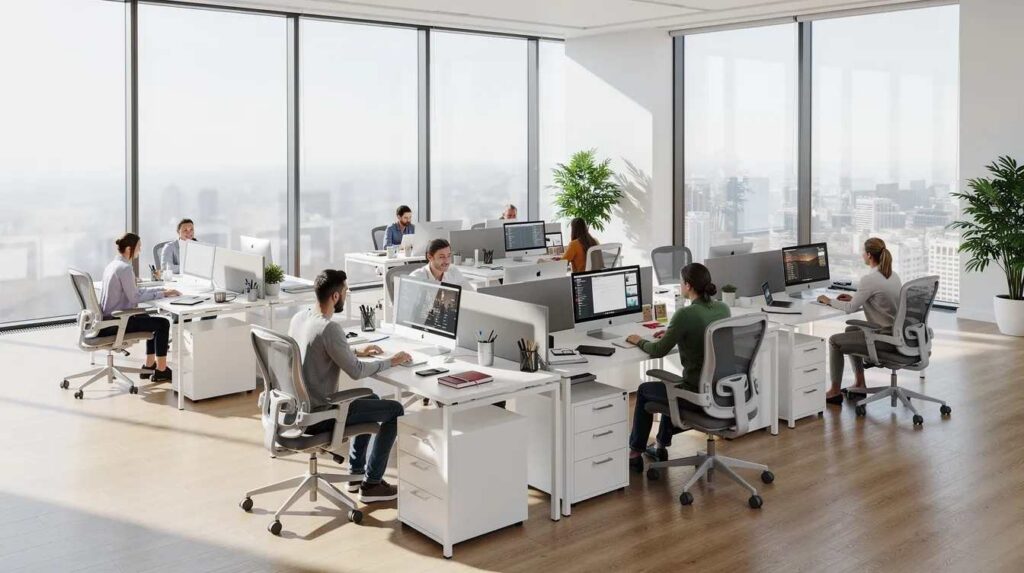
Aesthetic options range from a mirrored silver look to soft neutral gray or bronze tints. On buildings with mismatched glazing from different renovation phases, film can unify the facade’s appearance. Inside, occupants benefit from less harsh light, more even illumination, and reduced hot and cold spots near windows. Reduced screen visibility problems in offices, classrooms, and call centers translate directly to fewer complaints.
Before committing, ask your installer to mock up two or three VLT levels on one elevation so stakeholders can stand inside at midday and compare comfort and appearance in real conditions.
Limitations, Common Mistakes and How to Choose the Right Film
Solar film is powerful, but it does not solve every building envelope problem. Setting accurate expectations prevents disappointment.
Key limitations:
- Spaces with undersized HVAC may still need mechanical upgrades even after film reduces heat gain
- Film does not fix existing glass defects, seal failures, or frame-related heat loss and condensation
- Very dark or highly reflective films can reduce outward views at night and may slightly increase lighting energy use
Common mistakes to avoid:
- Choosing the darkest film assuming maximum heat rejection; a ceramic film at 50% VLT can outperform a dark dyed film at 15% VLT on infrared rejection
- Ignoring glass type compatibility; certain absorptive films on some insulated or laminated units create thermal stress risk
- DIY installation on large panes, which leads to bubbles, creases, and early failure
- Selecting by price per square foot alone without comparing TSER, VLT, and warranty terms
Quick selection checklist:
- Need daytime privacy + high heat rejection + decent daylight? Look at dual reflective in the 20-35% VLT range
- Need maximum natural light + strong IR blocking? Ceramic or spectrally selective at 50-70% VLT
- Need uniform facade appearance across a large building? Neutral films in consistent shades
- Need to reduce glare on south-facing glass in a school? Mid-range VLT reflective or ceramic
- Always confirm compatibility with your existing glass, especially low E glass or double-pane units, and request NFRC or equivalent performance data sheets
Installation, Maintenance and Lifespan of Solar Window Film
Professional installation follows a sequence: site assessment, glass audit (checking window size, type, condition, and orientation), product selection, scheduling by floor or zone, and controlled application. Professional installation ensures proper adhesion and warranty protection. Professional installation costs range from $6 to $15 per square foot depending on film type and project complexity.
From the client’s perspective:
- Furniture and blinds near windows are temporarily moved or protected
- Glass is cleaned thoroughly to remove dirt, silicone, and stickers
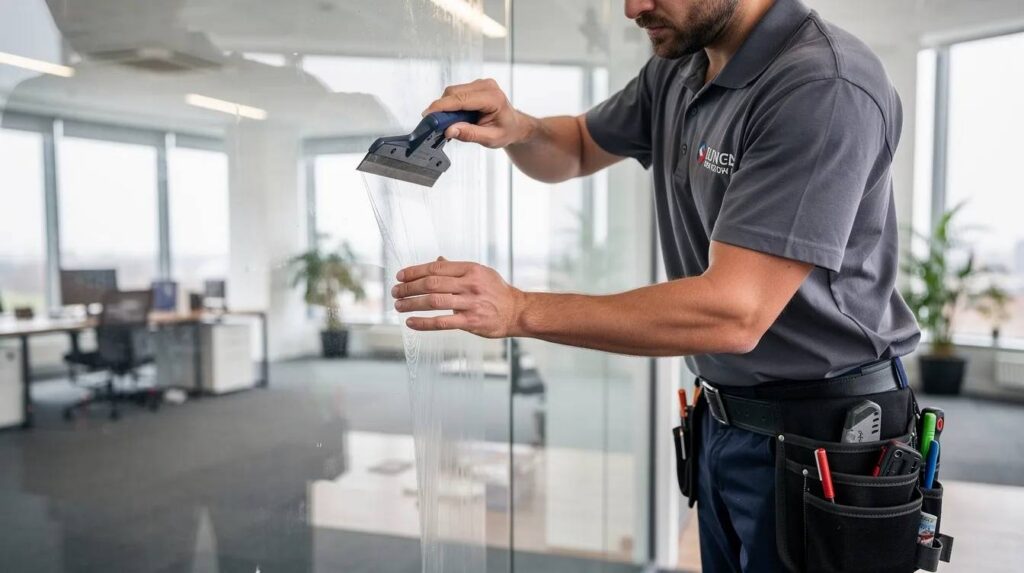
- Film is wet-applied, squeegeed, trimmed, and inspected
- Curing takes several days to a few weeks; slight haze during this period is normal
Maintenance rules:
- Wait 30 days after installation before cleaning the film
- Use a soft cloth with a mild, non-ammonia cleaner
- Avoid razor blades, abrasive pads, and strong solvents
High-quality films can last between 10 and 20 years depending on product construction, sun exposure, and climate. South and west elevations receive more UV and heat, which shortens lifespan slightly compared to north-facing glass. Signs for replacement include fading, discoloration, edge lifting, or bubbling of the film that does not resolve after curing.
FAQs About Solar Window Film
How much heat can solar window film actually block?
Quality solar control films reject up to 75-80% of total solar energy on clear single-pane glass. Most real-world installations achieve 50-70% heat rejection depending on film type and glass construction. This translates to several degrees cooler near windows on hot, sunny days, especially on west- and south-facing facades. Exact performance depends on film selection, glass, orientation, and local climate.
Will solar film make my rooms too dark or ruin my view?
Modern solar window film is available in shades ranging from nearly clear to very dark. Spectrally selective and neutral options maintain bright natural light and clear views while still delivering meaningful heat reduction. Very dark reflective films reduce visible light and create a mirror effect, which suits certain commercial applications but is not necessary in most residential spaces. Sampling two or three VLT levels on the same elevation before committing is the best way to discover the right balance.
Is solar control window film safe for double-pane or low E glass?
Many solar control films are engineered and tested for use on insulated and some low E glass configurations, but compatibility must be verified by glass type, thickness, and existing coatings. Applying an overly absorptive film on certain IG units can increase thermal stress and risk glass breakage. Professional installers perform a glass audit and follow manufacturer guidelines to avoid this. Avoid generic DIY films on complex glazing systems.
How long does solar window film last, and what kind of warranty should I expect?
Interior-applied solar films typically last 10 to 20 years depending on film construction, exposure, and maintenance. Common warranty terms cover peeling, bubbling, discoloration, and adhesive failure. Some manufacturers offer lifetime residential warranties on premium ceramic lines. Professional installation is usually required to keep warranty coverage intact.
Is solar window film worth it for colder or mixed climates?
Even in cooler climates, solar films deliver value on elevations that experience strong summer heat and glare, especially in spaces with large glass areas like atriums, lobbies, and sunrooms. Some films also help reduce winter heat loss by improving interior glass surface temperatures, which reduces drafts near windows. Focus on films that maintain higher VLT while controlling summer heat, and evaluate payback based on both comfort improvements and the months with heavy cooling use.
Can solar window film help with sustainability goals and certifications?
Solar films reduce cooling loads and associated carbon emissions, supporting certifications like LEED and corporate ESG reporting. Because film is a retrofit measure, it upgrades existing building stock without the embodied carbon and disruption of full window replacement. Facility managers can share projected energy savings and carbon reductions from film modeling with their sustainability teams when planning upgrades.
Why Choose Window Film Depot
Working with an experienced film specialist matters for three reasons: correct product selection, warranty protection, and minimal disruption. Window Film Depot, founded in 1992, offers a broad portfolio of solar control window films across reflective, dual reflective, neutral, and ceramic categories. Trained crews handle complex projects including multi-story facades, schools, government facilities, and healthcare buildings. The company also provides wholesale film supply to glass and glazing trade partners across North America.
Beyond installation, Window Film Depot helps customers balance heat rejection, natural light, aesthetics, and safety by integrating solar film with security glazing, privacy film, decorative glass, and other building envelope upgrades.
Next Steps: Is Solar Window Film Right for Your Building?
Solar window film is most likely to pay off when:
- Your building has high cooling costs and large sun-exposed glass areas
- Occupants report heat, glare, and fading problems near windows
- You want fast, non-invasive energy savings instead of full window replacement
Action checklist:
- Walk the building at 2-4 p.m. on a sunny day and note the hottest, brightest rooms
- Gather 12 months of utility bills and identify summer peaks
- List your priorities: maximum heat rejection, maintaining natural light, privacy, or aesthetics
- Contact a qualified solar window film provider for a site assessment and detailed proposal with projected energy costs and payback
Whether you are a building owner, facility manager, architect, or trade partner looking for wholesale film supply, Window Film Depot can help you move from questions to a clear plan. Reach out to schedule a site assessment, compare film options, and get a proposal built around your building’s specific glass, climate, and goals.