Table of Contents:
- Types of Security Glass Explained
- Overview of Hurricane Window Protection Options
- Temporary Hurricane Window Protection: Plywood, OSB, and Fabric Screens
- Permanent Hurricane Shutters and Metal Storm Panels
- Impact-Resistant Windows and Glass Systems
- How to Choose Hurricane Window Protection for Your Home or Building
- FAQs About Security Glass, Bullet Resistance, and Blast Protection
- Installation, Maintenance, and Common Mistakes to Avoid
- Frequently Asked Questions About Hurricane Window Protection
- Why Choose Our Team for Hurricane Window Protection Upgrades
- Next Steps: Prepare Your Windows Before the Next Hurricane Season
Why Hurricane Window Protection Matters in 2026
The Atlantic hurricane basin has produced above-normal activity in nine of the past ten seasons, and rapid intensification events are becoming more frequent. For most homeowners, facility managers, and building owners along the Gulf Coast and Atlantic seaboard, hurricane window protection is no longer optional-it is a baseline requirement for preserving life and property.
Windows are often the most vulnerable points in a home or commercial building. Wind-driven debris can shatter unprotected glass in seconds, and a single broken window can compromise home safety by allowing high winds inside. That internal pressurization can cause roofs to lift during storms, leading to catastrophic structural failure, water damage, mold, and months of business interruption. Protecting homes from hurricane-force winds is essential for structural integrity.
Category 3 hurricanes produce sustained winds of 111–129 mph, Category 4 reaches 130–156 mph, and Category 5 exceeds 157 mph. At those speeds, flying debris-roof tiles, lumber, tree limbs-becomes lethal projectiles capable of punching through standard glass. Hurricane window protection spans a range of solutions:
- Hurricane shutters (accordion, roll down, colonial, Bahama)
- Impact-resistant windows with laminated glass
- Removable storm panels (steel, aluminum, polycarbonate)
- Window film as a secondary defense layer
Overview of Hurricane Window Protection Options
There is no single best option. The right hurricane window protection depends on your budget, risk level, building type, and local building codes. Here is how the main choices compare:
- Storm panels: Removable metal or polycarbonate sheets bolted into tracks. Storm panels must meet strict building codes when properly secured. Average $7–$9 per square foot.
- Hurricane shutters: The most economical solution for window protection when you consider long-term use. Types range from accordion to roll-down shutters.
- Plywood sheets: Temporary, budget-friendly. Cost $4–$7 per square foot but does not meet most building codes for hurricane protection.
- Oriented strand board: Generally not recommended due to poor impact resistance and moisture failure.
- Impact-resistant windows: Permanent, passive protection. Cost $45–$75 per square foot installed. Code-approved standalone systems.
- Hurricane fabric screens: Engineered ballistic-grade systems that mount on tracks or grommets.
- Security window film: A retrofit layer that holds shattered glass together. Supplemental in most codes-not a substitute for shutters or laminated glass.
Permanent systems cost more upfront but eliminate last-minute hurricane season prep and reduce recurring labor. Properly rated products can help reduce storm damage costs over time.
Temporary Hurricane Window Protection: Plywood, OSB, and Fabric Screens
Temporary options make sense when a storm approaches with little warning, when budgets are tight, or for less-exposed inland properties with limited glass area.
Plywood protection remains the go-to for quick deployment. Use exterior-grade plywood at a minimum 5/8-inch thickness, pre-cut and labeled for each window opening before hurricane season begins. Fasten panels into structural framing studs or masonry using lag screws or bolts, not just into stucco or trim. Plywood costs $4 to $7 per square foot, and plywood installation takes 1 to 1.5 hours per window. However, plywood is labor-intensive to install and uninstall, plywood blocks all light and is not aesthetically pleasing, and plywood does not meet most building codes for hurricane protection.
Oriented strand board is not recommended for hurricane protection due to poor impact resistance. OSB swells and delaminates in heavy rain, weakening rapidly under the wet conditions that accompany every hurricane. Plywood outperforms it in every practical scenario.
Fabric hurricane screens use high-strength materials like Kevlar or ballistic poly mounted on tracks or grommets. They allow light through when deployed and offer better visibility than plywood. Fabric hurricane screens absorb impact energy and dampen wind pressure. When properly engineered with correct anchorage, they can meet specific wind-load codes. These temporary systems can also be combined with security window film to help hold glass fragments together if the outer barrier fails.
Permanent Hurricane Shutters and Metal Storm Panels
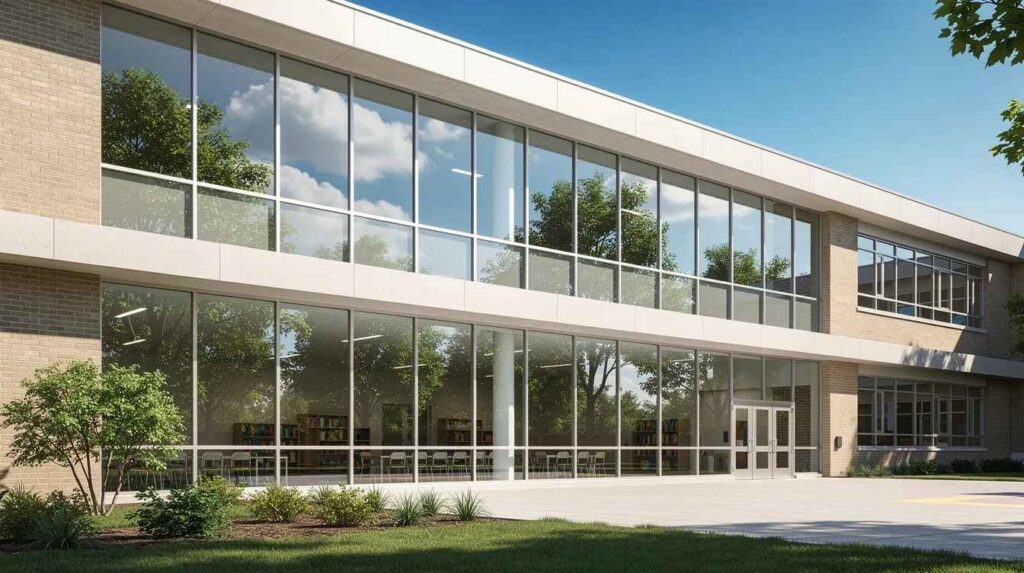
Hurricane shutters remain the most common way to protect windows in coastal regions because they balance cost, durability, and deployment speed. Permanent shutters can deploy quickly without needing extensive setup, and hurricane shutters protect homes from flying debris and prevent water intrusion.
Storm panel hurricane shutters are removable metal storm shutters made from steel, aluminum, or clear polycarbonate, and bolt into pre-installed tracks around window frames. Storm panel hurricane shutters average $7–$9 per square foot, making them a cost-effective option for household budgets.
Here is how the main shutter styles compare:
- Accordion shutters fold along a permanent track and can be closed by one person in minutes. Accordion hurricane shutters cost $15–$22 per square foot. They work well on a two story house where access to upper windows is limited.
- Roll down shutters store in a housing above the opening and lower via crank or motor. Roll-down hurricane shutters cost $30–$45 per square foot-the most expensive shutter option-but offer the easiest deployment for larger windows and commercial storefronts.
- Colonial shutters swing closed from both sides for a traditional look. Colonial hurricane shutters cost $29–$45 per square foot and suit historic styles.
- Bahama shutters prop open above the window for shade and close flat for storm protection. Bahama hurricane shutters cost $24–$35 per square foot.
For commercial buildings, mixing systems is standard practice: metal storm panels on back-of-house openings, roll down on exposed glass storefronts, and decorative Bahama or colonial shutters on street-facing windows and doors. When selecting, consider whether one person can deploy the system, aesthetics for your property’s style, security benefits (metal shutters double as break-in deterrents), and whether motorized roll-down models need battery backup.
Impact Resistant Windows and Glass Systems
Impact resistant windows provide maximum protection against high-velocity winds. They are built with laminated glass layers-two or more panes bonded with a plastic interlayer such as PVB-that keep the pane intact even when struck. Impact-resistant windows can crack but maintain integrity during storms, meaning the glass stays in the frame and the building envelope remains sealed. They eliminate the need for hurricane shutters entirely.
Impact-resistant windows cost $45–$75 per square foot installed. Impact windows require no deployment and protect homes while occupants are away, which is critical for properties left vacant during evacuations. Additional benefits include robust protection against forced entry, better sound control, and the fact that hurricane windows block UV rays and reduce outside noise. Installing impact-resistant windows can qualify homeowners for insurance discounts of 10–30% in many Florida markets.
Impact-resistant windows are often required by building codes in hurricane-prone areas, particularly in High Velocity Hurricane Zone jurisdictions where products must carry Miami-Dade NOA certification and pass TAS 201/202/203 testing. Full window frames must be replaced to meet code; glass alone is not enough.
Not all marketing claims are equal. True impact-resistant windows differ from standard double-pane glass with basic tint:
- Tested as a complete assembly (glass, interlayer, frame, hardware)
- Rated for design pressure (DP-50 through DP-140+ depending on exposure)
- Certified to withstand large missile impact per ASTM E1996
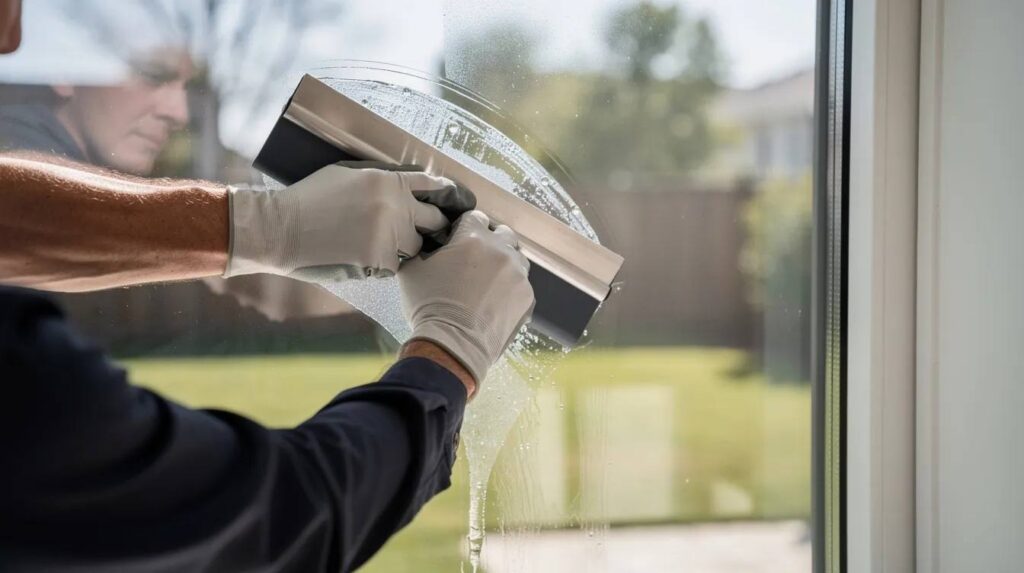
Security and impact-resistant window film can be added as a retrofit to existing glass to enhance shatter resistance and glass retention, but film must be paired with proper attachment systems and framing to approach hurricane-level performance.
Using Window Film as Part of a Hurricane Protection Strategy
Window film does not replace code-approved shutters or impact-resistant glazing in most coastal jurisdictions. But professionally installed safety and security films play an important role in layered hurricane protection by bonding to existing glass and holding shattered pieces together, reducing dangerous shards and keeping openings more secure after impact.
Film makes the most sense for commercial storefronts that cannot easily use exterior shutters, schools and government buildings with large glazed areas, and phased retrofit projects where full impact window replacement is not yet in the plan. Certain multi-layer, thick security films can be designed and tested as part of engineered systems for wind-borne debris and blast mitigation when combined with mechanical anchoring and proper framing.
Beyond hurricane season, window film delivers:
- UV reduction up to 99%, protecting interiors from fading
- Glare control and improved occupant comfort
- Reduced cooling load and energy cost
- Enhanced safety and defense against forced entry
How to Choose Hurricane Window Protection for Your Home or Building
Selection should be systematic, not driven by one contractor’s recommendation or the lowest line item on a quote. Hurricane protection systems must be properly tested and installed for effectiveness.
Steps to evaluate your needs:
- Identify your wind zone and whether your property falls within a windborne debris region or HVHZ
- Assess your building’s existing glass type, window frames, and frame material
- Count and measure all window openings, including doors with glass panels
- Determine whether the building is occupied during storms (hospitals, nursing homes, critical facilities need passive protection)
- Review local building codes and required product approvals
Start with the highest-risk openings-large glass doors, storefronts, corner windows, upper-level exposures on a two-story house- and build a multi-year upgrade plan. Compare the long-term cost of frequently reinstalling plywood versus a one-time investment in accordion shutters or impact-resistant windows. Factor in maintenance, inspection, and storage as part of total ownership.
Installation, Maintenance, and Common Mistakes to Avoid
Even the best hurricane window products fail if installed incorrectly or neglected. Professional installation is strongly recommended for impact-resistant glass systems, multi-story buildings, large curtain walls, and any project requiring engineered calculations or permits.
Common mistakes to avoid:
- Relying on tape on glass (provides zero protection against flying debris)
- Anchoring panels or shutter attachment points only into stucco or siding instead of structural walls
- Using undersized screws or wrong hardware for the wind load
- Waiting until a storm is 48 hours away to measure, cut, and install plywood
- Ignoring corrosion on fasteners and tracks in coastal salt air
Annual maintenance checklist:
- Clean, lubricate, and test-close operable shutters each spring
- Clear tracks of debris; inspect bolted connections and hinges
- Check window film edges for lifting or bubbling
- Repair damaged glazing or seals before hurricane season
- Document installations with photos, receipts, and product approval numbers for building officials and insurance carriers
Frequently Asked Questions About Hurricane Window Protection
How early before hurricane season should I install or upgrade window protection?
Major projects like impact-resistant windows, large shutter installations, or engineered window film systems should be planned 3–6 months before local hurricane season begins. Permitting, product lead times, and contractor availability all tighten as the season approaches. Removable solutions like storm panels and plywood should be cut, labeled, and stored well in advance so they can be deployed quickly when a storm watch is issued.
Are plywood sheets enough to protect my windows in a major hurricane?
Properly sized, securely fastened exterior-grade plywood can offer meaningful plywood protection for smaller openings. But it may not satisfy code in high-velocity zones or for commercial occupancies. For larger windows, glass doors, and storefronts, pair plywood with stronger systems or upgrade to rated shutters or impact resistant windows. Broken windows can lead to serious water damage, so leaving any opening unprotected is a significant risk.
What is the difference between impact resistant windows and hurricane window film?
Impact-resistant windows are purpose-built systems with laminated glass and reinforced frames tested as a complete unit. They withstand hurricane debris impact and maintain their integrity even when cracked. Window film is a retrofit layer applied to existing glass that helps hold broken pieces together and improves safety, but it generally does not replace the structural performance of certified impact-resistant glazing. Film is best used as part of a broader hurricane protection strategy or in other protections alongside shutters.
Do metal storm shutters protect against both wind and break-ins?
Yes. Metal storm shutters and roll-down systems can double as a physical security barrier, deterring smash-and-grab attempts on retail and commercial properties. Locking mechanisms, track design, material thickness (steel or heavy-gauge aluminum), and how shutters attach to the structure all influence security performance. They must be closed and locked to serve as both storm protection and theft deterrents.
How often should I inspect my hurricane shutters and window protection systems?
At minimum, inspect once per year-ideally each spring before hurricane season. Test operation of all moving parts, check for corrosion, confirm labels on removable panels, and ensure nothing blocks access from inside. Perform additional inspections after each major storm to look for bent tracks, damaged fasteners, film damage, or cracked glass that could reduce protection next time.
Can I combine different hurricane window protection options on the same property?
Mixing systems is common and often the most cost-effective option. For example, impact resistant windows on upper floors of a house, accordion shutters on ground-floor windows, and security film on a glass storefront door. The key is coordinating with one qualified provider so the combined approach meets local code, covers every opening, and does not leave unprotected weak points in your defense.
Why Choose Our Team for Hurricane Window Protection Upgrades
Window Film Depot has specialized in professional window film and glazing solutions for commercial, institutional, and residential clients since 1992. Our experience spans security and impact-resistant window films, retrofit glazing strategies, and large multi-site rollouts for retail chains, schools, and government facilities across the United States.
We take a consultative approach: on-site assessments, coordination with architects and engineers, and product-neutral recommendations that can include shutters, film, and impact glazing as appropriate for your building and budget.
- Turnkey project management from assessment through installation
- National reach with trained installation teams familiar with regional hurricane codes from the Gulf Coast to the Atlantic seaboard
- Experience working in occupied facilities during off-hours
- Focus on long-term building performance, not one-off product sales
Next Steps: Prepare Your Windows Before the Next Hurricane Season
Hurricane window protection is most effective when planned months before storms threaten-not during the rain bands of an approaching system. If your property still relies on aging plywood, outdated shutters, or unprotected glass, now is the time to act.
Contact Window Film Depot to schedule a professional assessment of your current windows and doors, request a quote for security or impact-resistant window film, or discuss a phased upgrade plan that fits your budget. Assemble a written hurricane preparation checklist for your property that includes deploying shutters, confirming all window protection is secure, and clearing exterior objects that could become flying debris.
Proactive hurricane window protection helps safeguard people, property, and business continuity when the next storm arrives.