Table of Contents:
- Protecting Client Investments: The Project Manager’s Hidden Risk
- Demystifying Performance: Key Metrics for Specifying Advanced UV Protection Films
- Choosing Wisely: Advanced Film Technologies for Superior Protection
- Seamless Integration: Mastering Installation Logistics for Premium Residential Projects
- The Strategic ROI: Quantifying the Value of Professional-Grade UV Protection
- Putting Theory into Practice: An Illustrative Scenario for Comprehensive UV Protection
- Conclusion: Key Takeaways and Next Steps
- Frequently Asked Questions
- Related Posts from Window Film Depot
Protecting Client Investments: The Project Manager’s Hidden Risk
For Project Manager Paul, delivering a high-end residential project means more than just structural integrity and aesthetic appeal. It demands meticulous attention to preserving the client’s long-term investment, particularly in valuable interior furnishings, artwork, and custom finishes. House windows with UV protection will mitigate hidden risks for many building investments.
Standard glass offers only partial defense against solar radiation. This failure leads to client dissatisfaction and reputational damage for the team. Modern windows still allow interior materials to degrade over time. Advanced film technology is a low-cost way to fix this. It safeguards project value and preserves expensive assets. UV protection for windows is a vital step for project success.
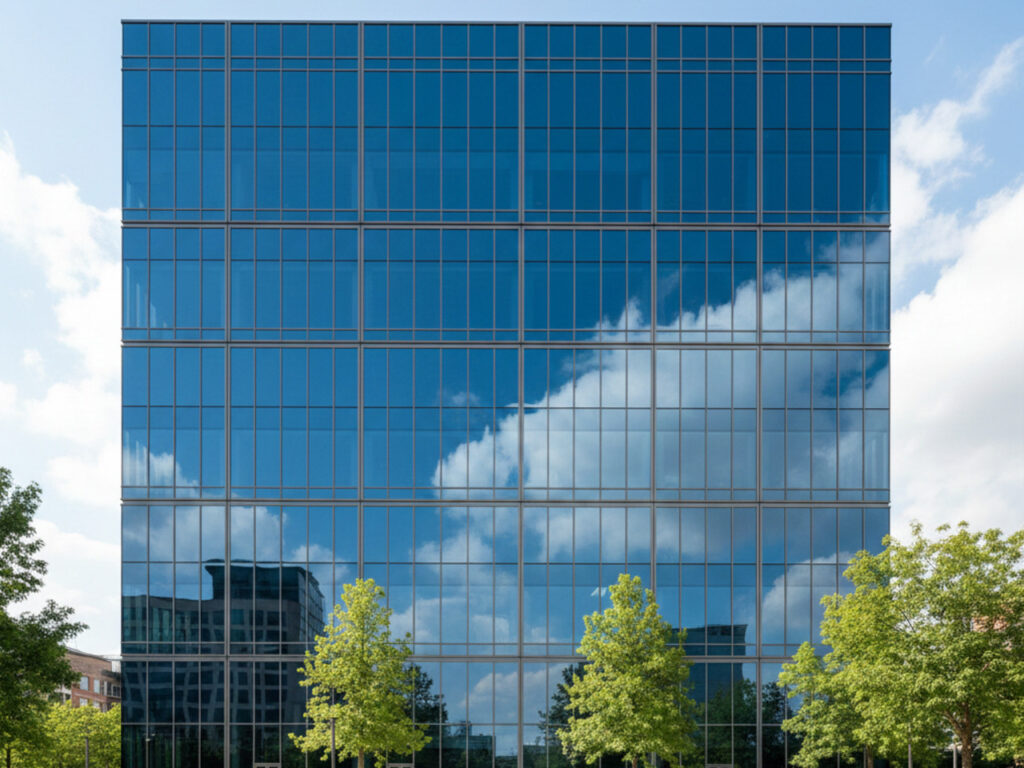
Decoding the Damage: How UV-A and UV-B Rays Degrade Premium Interiors
The sun’s invisible ultraviolet (UV) radiation is categorized into two primary types that impact interiors: UV-A and UV-B. While most standard glass effectively blocks the more damaging UV-B rays, it provides minimal protection against UV-A, which accounts for approximately 95% of the UV radiation reaching the Earth’s surface. These persistent UV-A rays penetrate deep into materials, triggering a chemical breakdown process known as photodegradation.
This degradation manifests visibly in several ways:
- Fading and Discoloration: Organic dyes in textiles, leathers, and pigments in artwork undergo irreversible chemical changes, leading to dulling or shifting of colors.
- Material Weakening: Wood finishes can crack and warp, while fabrics become brittle and lose tensile strength.
- Irreversible Damage: Once photodegradation begins, it cannot be reversed, necessitating costly repairs or replacements for high-value items.
The Argument for Proactive Protection: Beyond Aesthetics and Basic Glass
The decision to specify advanced UV protection film transcends mere aesthetic preservation. It is a strategic investment in the longevity and intrinsic value of a high-end property. Standard glass simply is not engineered to provide the comprehensive spectral selectivity required to effectively block the full spectrum of harmful UV radiation while maintaining visible light transmission. Relying solely on basic window treatments offers only temporary and often incomplete protection, necessitating constant adjustment and compromising natural light and views. Proactive film application integrates seamlessly with the building envelope, providing continuous, unobtrusive defense against the primary cause of interior degradation.
The True Cost of Sun Exposure: Financial Implications for Homeowners and Project Reputation
Unmitigated sun exposure causes financial losses far beyond visible fading. Premature damage to custom furniture and flooring creates massive replacement costs. Antique rugs and original artwork are also at high risk of degradation. This oversight leads to significant financial loss for the property owner. For project managers, these issues can tarnish a professional reputation. Negative client feedback often impacts the acquisition of future projects. Professional UV film acts as a robust insurance policy for the home. It protects against furniture fading from sun and other long-term liabilities.
Demystifying Performance: Key Metrics for Specifying Advanced UV Protection Films
Understanding UV Rejection: The Gold Standard for Preventing Fading
When evaluating UV window film, UV rejection stands as the paramount metric for preventing interior fading. This specification indicates the percentage of ultraviolet light (both UV-A and UV-B) that a film blocks from entering the interior space. Professional-grade films, particularly those from home window film, typically boast a UV rejection rate of 99.9% or higher. Achieving this near-absolute blockage is critical because even a small percentage of UV penetration can initiate the photodegradation process in sensitive materials. Prioritizing films with maximal UV rejection is the most direct method to preserve the vibrant colors and structural integrity of high-value interior assets.
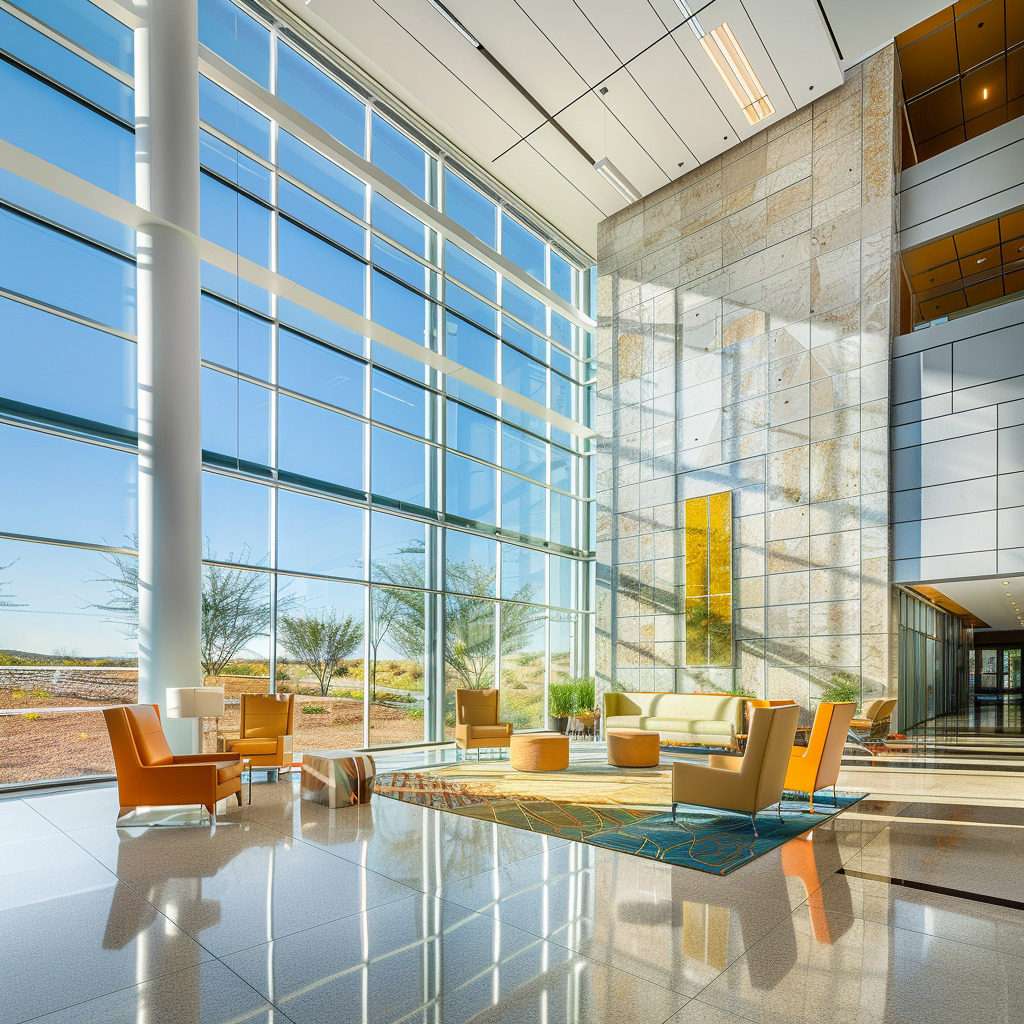
Balancing Comfort and Efficiency: Total Solar Energy Rejected (TSER)
Total Solar Energy Rejected (TSER) provides a comprehensive measure of a film’s performance. This metric quantifies the percentage of solar energy prevented from entering a building. It encompasses ultraviolet rays, visible light, and infrared radiation. A higher value indicates superior performance in reducing total heat gain. This directly contributes to enhanced comfort by maintaining stable temperatures. High-performance films translate into tangible energy savings for the client. They reduce HVAC loads and lower daily operational costs. These benefits enhance the property’s efficiency and overall value proposition.
Clarity Without Compromise: Visible Light Transmission (VLT) and Glare Reduction
Visible Light Transmission (VLT) measures the percentage of light passing through a window. Maintaining optimal VLT is crucial for preserving natural brightness in interior spaces. Advanced films balance high heat rejection without significantly darkening rooms. These performance films are also engineered to reduce uncomfortable glare. This is critical for occupant comfort in rooms with south-facing exposures. Glare reduction minimizes eye strain and improves the usability of digital screens. These features contribute to a more productive and enjoyable living environment.
The Science of Spectral Selectivity: Optimizing Light, Heat, and UV Filtration
Spectral selectivity represents the pinnacle of window film technology. This advanced capability allows films to selectively filter specific wavelengths of the solar spectrum while permitting others to pass through. Specifically, spectrally selective films are designed to:
- Block UV Radiation: Achieves near-total UV rejection to prevent fading.
- Reject Infrared (IR) Heat: Targets and blocks the invisible portion of the spectrum responsible for the majority of solar heat gain, significantly improving thermal comfort.
- Maximize Visible Light: Allows a high percentage of visible light to transmit, preserving natural brightness and views.
This sophisticated engineering, often utilizing multi-layer optical film (MLO) technology as pioneered by companies like 3M, delivers superior performance without the visual drawbacks of darker, more reflective films. It is about intelligent light management, not just dimming or obscuring.
Beyond Basic Glass: Why Low-E Coatings Aren’t Enough for Comprehensive Protection
Low-E glass has become a standard in modern construction for improving energy efficiency. Project managers must understand the limitations regarding comprehensive interior protection. These coatings primarily reflect long-wave infrared radiation to improve insulation. They keep the heat inside during winter and outside during summer. However, standard Low-E glass offers only moderate UV-A rejection. This level is often insufficient to prevent the fading of sensitive materials. Low-E also fails to address solar heat gain from short-wave infrared light. Applying high-performance window film over Low-E glass creates a superior barrier. This combination addresses both thermal performance and maximum UV mitigation.
Choosing Wisely: Advanced Film Technologies for Superior Protection
Specifying the right UV protection film is a strategic decision for high-value projects. This choice directly impacts long-term asset preservation and client satisfaction. Project managers must understand fundamental differences in film technology to deliver results. Not all window films offer the same level of protection or durability. Selecting an inferior product can introduce significant financial risk for the owner. Poor choices lead to faded interiors or premature film degradation over time. High-quality film mitigates future liabilities and ensures project success.
From Basic to Breakthrough: A Comparative Overview of Film Types
The market offers various window film technologies with different performance levels. Entry-level options often seem cost-effective but lead to compromised results. These limitations can cause significant client dissatisfaction over the project’s lifecycle. A nuanced understanding of these differences empowers project managers to make informed choices. High-quality products align with the rigorous demands of luxury residential construction. Selecting superior technology ensures long-term protection and aesthetic excellence.
The Limitations of Traditional Films: Dyed and Metallized Technologies
Early generations of window films, while addressing initial needs, present considerable drawbacks for high-end applications.
- Dyed Films: These films primarily achieve heat and glare reduction through a layer of dye that absorbs solar energy. Their most significant limitation is their susceptibility to fading and color shifting over time, often resulting in a purplish hue and a noticeable decline in performance. This degradation not only compromises the film’s aesthetic integrity but also significantly reduces its effectiveness in blocking UV rays, leaving valuable interiors vulnerable. Such rapid deterioration inevitably leads to premature replacement, incurring additional costs and client complaints.
- Metallized Films: Designed to reflect solar energy, metallized films incorporate thin layers of metal within their construction. Metallic films are effective at heat rejection but often create a reflective appearance. This mirror-like look can negatively alter a luxury home’s exterior aesthetics. More critically, metallic content can interfere with radio frequency signals. This impacts cell phone reception, Wi-Fi signals, and GPS functionality indoors. In humid environments, these films are prone to corrosion and bubbling. Delamination then compromises both the appearance and performance of the windows.
The Evolution of Performance: Ceramic Window Films
Ceramic window films represent a significant advancement, leveraging advanced ceramic particles to filter solar energy. Unlike dyed films, they maintain color stability and resist fading, offering superior longevity. Crucially, as they contain no metals, ceramic films eliminate the risk of signal interference, making them a more viable option for modern smart homes. They provide enhanced heat rejection and comprehensive UV protection without the highly reflective appearance of metallized films. While a substantial upgrade from traditional technologies, their spectral selectivity might not always achieve the maximum light transmission desired in luxury settings where preserving natural light and views is paramount.
The Pinnacle of Protection: Exploring Spectrally Selective Films for Luxury Residences
For high-end residential projects, spectrally selective films stand as the benchmark for superior performance. These advanced films are engineered to selectively block unwanted portions of the solar spectrum, specifically infrared heat and harmful UV radiation, while allowing a high percentage of visible light to pass through. This innovative technology enables maximum daylighting and preserves unobstructed views, which is a non-negotiable aesthetic requirement in luxury homes. Key benefits include:
- Uncompromised Aesthetics: Virtually invisible once installed, they maintain the original look of the glass and the architectural design intent.
- Exceptional UV Rejection: Blocking up to 99.9% of UV rays, providing unparalleled protection against fading and degradation of interior furnishings, artwork, and flooring.
- Superior Heat Rejection (TSER): Achieved without heavy tinting, resulting in a more comfortable indoor environment and reduced HVAC loads.
- Enhanced Daylighting: Maximizing natural light input contributes to a brighter, more inviting living space.
The application of spectrally selective films directly addresses the core objective of protecting high-value interior assets, making them an indispensable component of responsible luxury property development.
Why 3M Prestige Series Stands Apart: Unmatched UV Blocking Window Film Performance for High-End Homes
The 3M Prestige Series exemplifies the pinnacle of spectrally selective technology, setting it apart as the premier choice for discerning luxury homeowners and project managers. Utilizing a proprietary multi-layer, non-metalized optical film construction, 3M Prestige window film delivers exceptional performance without compromising clarity or aesthetics. This innovative design allows for:
- Virtually Total UV Protection: Consistently blocking up to 99.9% of harmful UV-A and UV-B rays, the Prestige Series offers the highest available uv blocking window film for homes, against interior fading and sun damage. This directly safeguards the significant investments clients make in custom furniture, flooring, fine art, and other irreplaceable possessions.
- Superior Total Solar Energy Rejected (TSER): Despite being virtually clear, Prestige films achieve impressive TSER values, significantly reducing heat gain and contributing to lower cooling costs and enhanced occupant comfort. This efficiency helps to lower operational costs, boosting the property’s long-term value.
- No Signal Interference: As a non-metalized film, the Prestige Series guarantees no disruption to cellular, GPS, or Wi-Fi signals, ensuring seamless connectivity within the smart home environment.
- Low Reflectivity: These films maintain the natural appearance of the glass, preserving exterior architectural aesthetics and interior views without a mirrored effect.
- Durability and Longevity: Backed by 3M’s comprehensive warranty, the Prestige Series is engineered for exceptional durability, resisting scratching and maintaining its performance and appearance for years, thereby safeguarding the client’s investment and the project manager’s reputation.
By specifying 3M Prestige Series films, project managers are not just installing a product. They are implementing a critical, low-cost risk mitigation strategy that protects significant interior assets, enhances energy performance, and ensures enduring client satisfaction, directly contributing to the long-term value and prestige of the residential property.
Seamless Integration: Mastering Installation Logistics for Premium Residential Projects
Successful integration of UV protection film requires meticulous planning and flawless execution. Overlooking installation logistics can undermine even the most advanced technology. This often leads to compromised performance and visible aesthetic imperfections. A proactive approach to scheduling and budgeting is paramount for success. Proper installer selection ensures the finished product meets high client expectations. These steps are essential for delivering a superior result in luxury projects.
Strategic Planning: Incorporating UV Film into Project Timelines and Budgets
Integrating UV film installation effectively requires foresight and coordination within the broader project timeline. It is not merely an afterthought but a critical component of the building envelope, deserving early consideration.
- Timeline Integration: Ideally, window film installation should be scheduled after all interior drywall, painting, and major dust-producing activities are complete, but before final finishes, custom millwork, and high-value furnishings are brought into the space. This minimizes the risk of dust contamination during installation and prevents potential damage to newly installed films or surrounding elements. Adequate curing time, typically 30-90 days depending on climate and film type, should also be factored in before final inspection or client handover.
- Budget Allocation: From a project budgeting perspective, the cost of professional-grade UV protection film and its installation represents a relatively small percentage of the total construction or renovation budget for a luxury residence. However, its return on investment (ROI) in protecting multi-million dollar interiors from irreversible sun damage is substantial. Framing this allocation as a proactive insurance policy against asset degradation and potential client claims underscores its value, shifting the perception from an expenditure to an essential risk mitigation strategy.
Precision Application: Best Practices for Flawless Film Installation on Large-Scale Projects
The quality of installation is as critical as the film technology itself. For premium residential projects, an impeccable finish is non-negotiable. Substandard installation, characterized by visible defects, can detract from the overall luxury aesthetic and diminish the film’s intended performance.
- Environmental Control: Professional installation begins with rigorous site preparation, including dust control measures and meticulous cleaning of all glass surfaces to prevent particles from being trapped under the film.
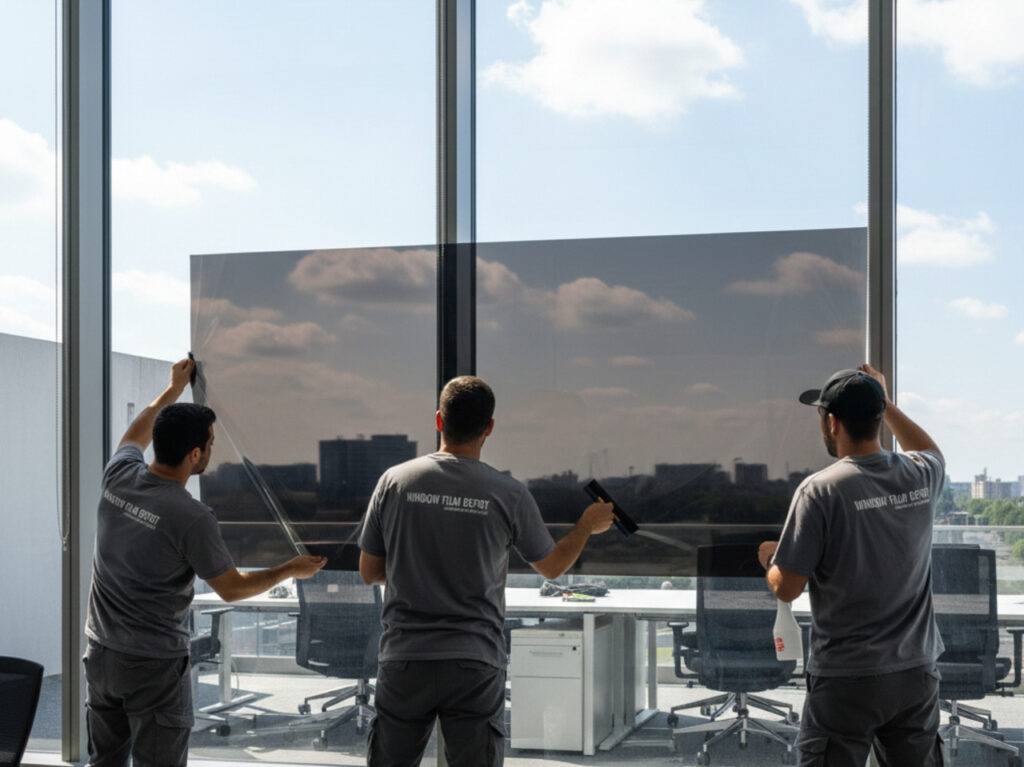
- Expert Craftsmanship: Precision cutting, seamless application techniques, and careful squeegeeing are essential to avoid common issues such as bubbles, creases, or edge lift. Large or unusually shaped glass panels, often found in luxury architecture, demand a higher degree of skill and experience to ensure a flawless finish.
- Post-Installation Care: Proper adherence to manufacturer-specified curing times and initial cleaning protocols is vital for the film to bond securely and achieve its optimal clarity and performance. Clear communication with the client regarding these initial care instructions helps manage expectations and ensures long-term satisfaction.
Partnering for Success: The Value of Certified and Experienced 3M Window Film Installers
For complex, high-value projects, the choice of installation partner is paramount. Engaging a certified and experienced 3M Window Film Dealer, such as Window Film Depot, offers distinct advantages that translate directly into project success and client confidence.
- Specialized Expertise: Certified installers undergo extensive training directly from 3M, ensuring a deep understanding of product specifications, application techniques for various film types (e.g., multi-layer spectrally selective films), and troubleshooting common challenges. This specialized knowledge is critical for films like the 3M Prestige Series, which require precise handling.
- Access to Proprietary Tools and Techniques: 3M certified dealers utilize manufacturer-approved tools and methods, optimizing installation efficiency and ensuring adherence to the highest quality standards.
- Proven Track Record: Experienced installers have a history of successfully completing large-scale, intricate projects, demonstrating their capability to manage complex logistics, coordinate with other trades, and deliver consistent, high-quality results under demanding conditions. This mitigates project risk and instills confidence in the project manager and the client.
Addressing Common Concerns: Aesthetics, Maintenance, and Long-Term Durability
Proactively addressing client and project team concerns about window film ensures smoother project execution and greater long-term satisfaction.
- Aesthetics: A primary concern for luxury homeowners is maintaining the visual integrity of their windows. Modern, spectrally selective films, particularly the 3M Prestige Series, are virtually invisible. They do not distort views, add noticeable tint, or create a reflective glare, preserving the natural light and exterior appearance of the home. Explaining this technology can alleviate aesthetic apprehensions.
- Maintenance: Window film maintenance is straightforward. Once cured, films can be cleaned with standard non-abrasive window cleaners and soft cloths or sponges. Providing clear guidelines on cleaning products and techniques ensures the film’s longevity and prevents accidental damage.
- Long-Term Durability: Clients invest significantly in their homes, expecting solutions to last. Professional-grade films, especially those from reputable manufacturers like 3M, come with robust warranties that cover bubbling, peeling, cracking, and delamination. Highlighting these warranties reassures clients about the product’s long-term performance and durability, reinforcing the value of the investment.
Ensuring Compliance: Warranty, Product Specifications, and Client Satisfaction
The final stage of integrating UV protection film involves meticulous documentation and transparent communication to safeguard the project’s integrity and ensure client peace of mind.
- Warranty Documentation: Providing clients with comprehensive warranty documentation is not just a formality. It is a critical component of their investment protection. This document outlines the manufacturer’s guarantee, covers product defects, and provides recourse should issues arise, reinforcing the reliability of the specified solution.
- Product Specifications: Furnishing detailed product specifications, including the exact film type (e.g., 3M Prestige 70), its UV rejection rate, Total Solar Energy Rejected (TSER) metrics, and Visible Light Transmitted (VLT) percentages, offers tangible proof of the film’s performance capabilities. This transparency validates the project manager’s decision and substantiates the protection offered to the client’s assets.
- Client Satisfaction: Collectively, these elements, selecting advanced film technology, ensuring professional installation, proactively addressing concerns, and providing clear documentation, culminate in elevated client satisfaction. It demonstrates a commitment to protecting their significant investment in their home, showcasing due diligence in preventing irreversible damage to interiors, and ultimately enhancing the long-term value and enjoyment of their property. This thorough approach solidifies the project manager’s reputation as a trusted, detail-oriented partner.
The Strategic ROI: Quantifying the Value of Professional-Grade UV Protection
Implementing professional-grade UV protection films is not merely an optional upgrade. It represents a strategic investment that delivers tangible returns on investment (ROI) by safeguarding assets, enhancing living environments, and mitigating future liabilities. For high-value residential projects, this proactive approach directly contributes to long-term client satisfaction and differentiates a property in a competitive market.
Safeguarding High-Value Assets: Preventing Furniture Fading From Sun, Protecting Artwork, and Preserving Hardwood Floors
The most immediate and quantifiable return on investment from advanced UV protection films is the preservation of interior furnishings and finishes. Standard architectural glass typically blocks only a fraction of damaging UV-A and UV-B radiation, leaving priceless artwork, custom furniture, designer fabrics, and high-end hardwood flooring susceptible to irreversible photochemical degradation. This fading, discoloration, and material breakdown significantly diminishes the aesthetic and monetary value of interior assets over time.
Professional-grade films like the 3M Prestige Series feature advanced spectral selectivity. They block up to 99.9% of radiation across the entire UV spectrum. These products maintain high levels of visible light for a bright interior. This protection extends the lifespan of expensive furniture and custom millwork. It prevents costly repairs and protects the value of fine art collections. The cost of installing film is negligible compared to asset replacement expenses. This strategic choice directly reduces the client’s long-term financial outlay.
Enhancing Comfort and Energy Efficiency for Discerning Homeowners
Beyond UV protection, high-performance window films significantly contribute to occupant comfort and energy efficiency. Films with superior Total Solar Energy Rejected (TSER) ratings reduce solar heat gain through windows, creating a more stable and comfortable indoor climate. This minimizes hot spots near windows and reduces the load on HVAC systems, leading to measurable energy savings.
Glare reduction is another critical comfort factor, especially in homes with extensive glazing. Advanced films can significantly cut harsh glare without compromising natural light, improving visibility and creating a more pleasant living and working environment. These benefits directly address the discerning homeowner’s desire for optimal comfort and sustainable living, reinforcing the project’s overall value proposition.
Mitigating Future Risks: Avoiding Client Dissatisfaction and Potential Claims
Failing to specify adequate UV protection introduces significant, avoidable risks. When clients observe their new custom sofa fading or their valuable artwork deteriorating within a few years of project completion, it inevitably leads to dissatisfaction. This erosion of trust can damage professional reputations and, in extreme cases, escalate into disputes or claims related to inadequate protective measures or unforeseen damage to high-value assets.
Proactive implementation of professional-grade window films acts as a critical risk mitigation strategy. By transparently discussing and installing these solutions, project managers demonstrate due diligence and a commitment to protecting the client’s long-term investment. This preemptive action safeguards the project team from future complaints and potential financial liabilities, reinforcing the value of meticulous planning and specification.
Building Trust: The Project Manager’s Role in Long-Term Client Relationships
A project manager’s ability to anticipate and solve potential client pain points, even those not explicitly stated, is fundamental to building lasting trust. Recommending and implementing advanced UV protection films positions the project manager as a forward-thinking, knowledgeable partner who prioritizes the client’s interests and the longevity of their investment. It demonstrates a commitment to delivering not just a structure, but a fully optimized living environment.
This proactive approach fosters deeper client relationships, leading to repeat business, referrals, and a reputation for excellence. It transforms the project manager from a mere executor into a trusted advisor, reinforcing the value of their expertise beyond construction timelines and budgets.
The Competitive Advantage: Differentiating Luxury Properties with Advanced Solutions
In the competitive luxury real estate market, every detail contributes to a property’s differentiation. Integrating professional-grade window films provides a distinct competitive advantage. It elevates the property’s performance profile, offering a tangible benefit that sets it apart from standard builds. High-end buyers are increasingly sophisticated, valuing features that enhance comfort, protect investments, and contribute to sustainability.
Highlighting advanced UV protection as a standard feature, rather than an afterthought, appeals to this discerning demographic. It underscores the property’s superior quality, thoughtful design, and commitment to preserving value, contributing to faster sales cycles and potentially higher valuations.
Putting Theory into Practice: An Illustrative Scenario for Comprehensive UV Protection
To fully appreciate the practical implications and benefits, consider a common scenario in high-end residential construction. This illustrates how strategic application of advanced film technology directly addresses complex challenges and delivers exceptional outcomes.
The Challenge: A High-End Renovation with Extensive Sun Exposure and Priceless Interiors
Imagine a sprawling, contemporary residence undergoing a significant renovation. The design incorporates expansive floor-to-ceiling windows and skylights, maximizing natural light and capturing panoramic views. The homeowner, an avid art collector and connoisseur of antique furnishings, is investing millions in custom-built cabinetry, bespoke fabrics, original artworks by masters, and exotic hardwood flooring. The property’s south and west-facing exposures, however, present a considerable challenge: intense solar heat gain and pervasive UV exposure throughout the day.
The homeowner has expressed concerns about the longevity of their cherished collections but is reluctant to obscure the natural light or alter the aesthetic purity of the glass with tints or heavy draperies. The project manager, acting as a renovation manager, faces the task of preserving these invaluable interiors while maintaining the architectural vision and ensuring optimal comfort.
The Solution: Strategic Application of 3M Prestige Window Film
The strategic solution involves the application of 3M Prestige Series window films, a choice driven by its high performance and optical clarity. Specifically, a film like 3M Prestige 70 was recommended for its outstanding balance of UV rejection, heat reduction, and visible light transmission. This film allows nearly 70% of natural light to enter, preserving the bright, open aesthetic, while blocking 99.9% of harmful UV rays. Crucially, its non-metalized construction means no interference with cellular or satellite signals, and its low reflectivity ensures the exterior appearance of the glass remains unchanged.
Design and Specification: Tailoring Films to Specific Project Needs and Aesthetic Demands
The selection process was not a one-size-fits-all approach. The project team, in consultation with Window Film Depot’s technical specialists, conducted a detailed assessment of each window and glazed area. Factors considered included:
- Solar Orientation: Different film specifications for south-facing windows (higher heat rejection) versus north-facing windows (focus on UV protection, less on heat).
- Visible Light Transmittance (VLT): Ensuring the chosen VLT met the homeowner’s aesthetic preference for light and view.
- Spectral Selectivity: Prioritizing films that block infrared (IR) heat and UV without significantly darkening the glass.
- Aesthetic Integration: Guaranteeing the film was virtually undetectable, preserving the architect’s intended design.
This detailed specification process ensured that each glazed surface received the optimal film solution, balancing performance requirements with aesthetic integrity.
Installation and Oversight: Ensuring Excellence Through Partnering with the #1 U.S. 3M Window Film Installer
The effectiveness of even the most advanced film is contingent upon expert installation. For this project, partnering with Window Film Depot, recognized as the #1 U.S. 3M Window Film Installer, was paramount. Their certified technicians possess the specialized training and experience required for flawless application on large, complex glazing systems.
Oversight included meticulous site preparation, precise cutting, and bubble-free installation techniques. Post-installation, a thorough inspection ensured adherence to 3M’s stringent warranty standards, providing the homeowner with a long-term performance guarantee. This professional installation averted common issues associated with substandard work, such as peeling, bubbling, or premature film failure, which would compromise both protection and appearance.
The Outcome: Protecting Value, Ensuring Comfort, and Exceeding Client Expectations
The outcome was a resounding success. The 3M Prestige film effectively mitigated solar heat gain, reducing internal temperatures by several degrees and significantly lowering the air conditioning load. More critically, the 99.9% UV rejection created a protective shield for the homeowner’s invaluable art and furnishings, preserving their vibrancy and integrity for decades to come without visible alteration to the glass.
The client expressed immense satisfaction, noting the enhanced comfort, reduced glare, and, most importantly, the peace of mind knowing their high-value assets were securely protected. This successful implementation cemented the project manager’s reputation for meticulous planning, expert execution, and a deep understanding of high-performance building solutions, ultimately enhancing the property’s enduring value and the client relationship.
Conclusion: Key Takeaways and Next Steps
Reaffirming the Thesis: The Indispensable Role of Professional UV Film in Luxury Construction
Throughout this discussion, a critical truth has emerged: relegating professional-grade window tint for house windows to an optional ‘upgrade’ in high-end residential projects is a false economy. It is, in essence, a form of value engineering that inadvertently introduces significant financial risk. The initial omission of this seemingly minor specification can lead to substantial long-term depreciation of bespoke interiors, custom furnishings, and invaluable art, ultimately threatening client satisfaction and the project’s perceived quality. Specifying advanced UV film is not merely an aesthetic enhancement. It is a foundational safeguard, protecting the substantial investments made in high-value residential assets from irreversible solar damage.
Empowering Project Managers: Making Informed Decisions for Lasting Value and Client Satisfaction
For project managers navigating the complexities of luxury residential construction, understanding the nuanced role of professional UV film represents a powerful opportunity. By proactively integrating this technology, you are not simply addressing a client demand. You are strategically mitigating future complaints, enhancing the property’s long-term performance, and solidifying client trust. This informed decision-making transforms a potential liability into a tangible asset, ensuring the interior’s integrity and extending the lifespan of finishes, fabrics, and artworks. It is about delivering a complete, resilient, and enduring product that stands the test of time and sunlight.
Your Trusted Partner: Window Film Depot and 3M Advanced Film Technology for Residential Construction
Navigating the technical specifications and installation requirements of high-performance window films demands specialized expertise. This is where the partnership of Window Film Depot and 3M’s advanced film technology becomes invaluable. 3M’s proprietary film constructions, with their superior spectral selectivity and verifiable TSER performance, offer unparalleled UV protection without compromising natural light or exterior aesthetics. Coupled with Window Film Depot’s certified installation capabilities and consultative approach, project managers gain a reliable partner committed to precise execution and guaranteed results, ensuring a seamless integration into even the most sophisticated architectural designs.
Navigating the technical specifications and installation requirements of high-performance window films demands specialized expertise. This is where the partnership of Window Film Depot and 3M’s advanced film technology becomes invaluable. 3M’s proprietary film constructions, with their superior spectral selectivity and verifiable TSER performance, offer unparalleled UV protection without compromising natural light or exterior aesthetics with applications ranging from clear performance films to frost window film. Coupled with Window Film Depot’s certified installation capabilities and consultative approach, project managers gain a reliable partner committed to precise execution and guaranteed results, ensuring a seamless integration into even the most sophisticated architectural designs.
Actionable Recommendations for Incorporating Superior UV Protection into Future Projects
Integrating professional-grade UV protection effectively requires a proactive and informed strategy. Consider the following actionable recommendations for your upcoming high-value residential projects:
- Early Specification Integration: Make professional UV film a standard line item during the initial design and specification phases. This ensures that budgets are allocated appropriately and avoids reactive installations down the line.
- Consult with Certified Experts: Engage with Window Film Depot early in your planning process. Our technical team can provide detailed performance data, conduct on-site assessments, and recommend the optimal 3M film solution tailored to specific project requirements and aesthetic goals.
- Educate Stakeholders: Clearly communicate the long-term benefits and ROI of UV protection to clients, designers, and general contractors. Highlight the protection of interior assets, maintenance of property value, and enhanced client satisfaction.
- Prioritize Performance Metrics: When evaluating options, look beyond basic UV rejection. Focus on verifiable performance data such as TSER (Total Solar Energy Rejected) and specific visible light transmission (VLT) to ensure the film meets both protective and aesthetic criteria.
- Demand Certified Installation: The performance of any advanced film is directly tied to the quality of its installation. Ensure that only 3M-certified installers are used to guarantee adherence to manufacturer specifications and warranty validity.
Frequently Asked Questions
Why is UV protection film crucial for high-end residential windows?
UV protection film is crucial for high-end homes because standard windows allow harmful UV-A rays to penetrate, causing irreversible fading and degradation of valuable interior assets like custom furniture, hardwood floors, and artwork. Professional-grade films block up to 99.9% of UV rays, safeguarding these investments and preventing costly replacements.
How does 3M Prestige window film differ from traditional Low-E glass?
While Low-E glass improves energy efficiency by reflecting heat, it typically offers only moderate UV-A protection (around 60-75%). 3M Prestige window film, a spectrally selective film, provides vastly superior UV rejection (up to 99.9%) and more effective solar heat gain reduction without heavy tinting. Applying 3M Prestige film in addition to Low-E glass creates a comprehensive barrier for both thermal performance and UV protection.
Will UV-blocking window film make my home darker or more reflective?
Modern uv blocking window film for homes, especially advanced spectrally selective options like the 3M Prestige Series, is engineered to be virtually invisible. They allow a high percentage of natural light to pass through, preserving brightness and views, and do not create a mirrored or overly reflective appearance. This ensures protection without compromising aesthetic integrity.
What is Total Solar Energy Rejected (TSER) and why is it important for house windows’ UV protection?
Total Solar Energy Rejected (TSER) is a key metric indicating the percentage of total solar energy (UV, visible light, and infrared) blocked by a window film. A higher TSER value means more heat is rejected, leading to reduced cooling costs and a more comfortable indoor environment. For house windows uv protection, a high TSER film ensures both excellent UV blocking and superior energy efficiency benefits.
How can I ensure a quality installation for my residential window film project?
To ensure a quality installation for your house windows uv protection, partner with a certified and experienced dealer, such as a 3M Window Film Dealer like Window Film Depot. Certified installers undergo rigorous training, use manufacturer-approved tools and techniques, and have a proven track record of handling complex projects. This ensures optimal film performance, warranty adherence, and a flawless aesthetic finish.