Project managers often ask if standard windows provide adequate UV protection for building interiors. A widespread belief suggests that modern windows inherently shield against harmful ultraviolet radiation. However, this common assumption represents a critical oversight with significant long-term consequences for asset integrity.
While standard windows offer some filtration, they primarily target only the more aggressive UVB rays. They invariably fall short of providing comprehensive protection against the full spectrum of UV radiation. This deficiency leads to gradual interior degradation that negatively impacts the building’s overall value.
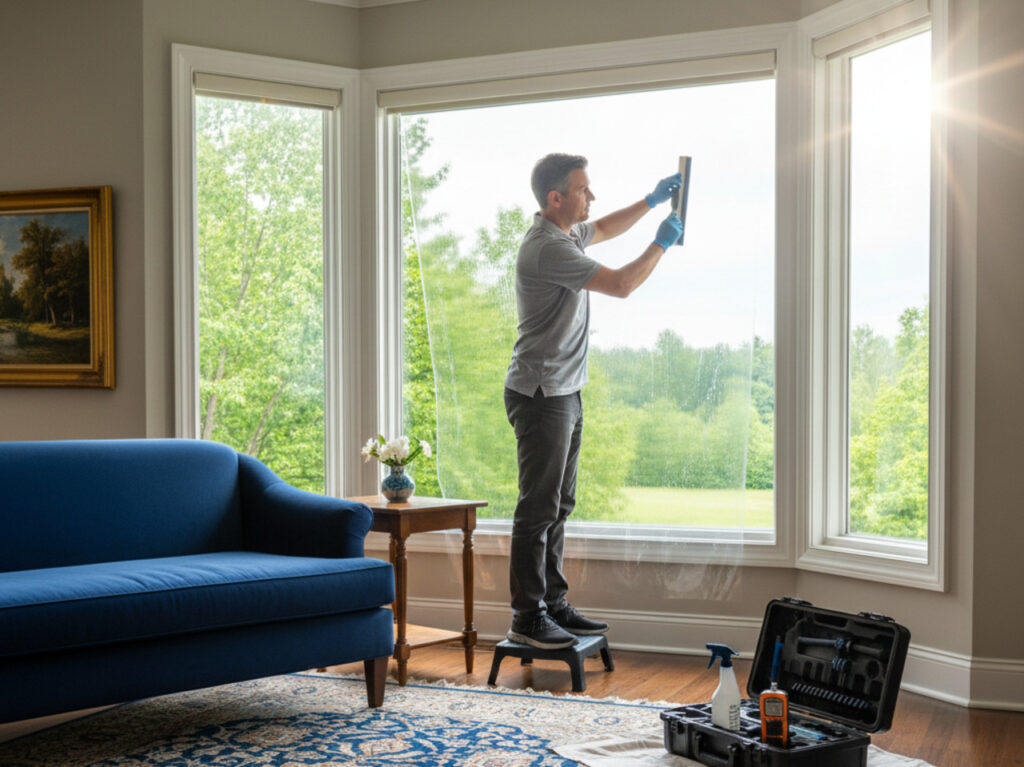
The Pervasive Belief in Standard Window UV Blocking
The perception that factory-installed glazing blocks all UV radiation stems from general awareness of glass properties. Most architectural glass successfully blocks nearly 100% of UVC and substantial portions of UVB. This partial protection can foster a false sense of security for many building owners. They mistakenly believe their interiors are safe from all forms of sun damage.
However, this assumption overlooks the most insidious component of the entire UV spectrum. UVA radiation remains primarily responsible for the fading and breakdown of interior materials. Without addressing this gap, building managers leave valuable assets vulnerable to long-term deterioration. Recognizing this specific vulnerability is the first step toward implementing effective protective solutions.
Unmasking the Invisible Damage: The Cost of Underestimation
The underestimation of UV’s destructive power results in silent, progressive damage to interior assets. This is not always immediately visible but manifests over time as irreversible degradation. Flooring materials, from hardwood to carpet, visibly fade and lose their vibrancy. High-value furniture upholstery, artwork, textiles, and even retail merchandise suffer from discoloration, brittleness, and structural weakening. This damage is not merely aesthetic. It diminishes the lifespan and intrinsic value of these assets, leading to premature replacement costs and reducing the overall appeal and value of the property.
Project Manager Paul’s Dilemma: Asset Degradation vs. Long-Term Value
For Project Manager Paul, this scenario presents a significant dilemma regarding long-term asset preservation. He must balance delivering high-performance products with the total cost of ownership for his clients. Relying on standard windows means accepting an inevitable trajectory of asset degradation over time. This outcome directly conflicts with the intention to enhance building value and overall performance.
Initial cost savings from omitting UV protection are quickly overshadowed by much greater expenses later. Repairing or replacing damaged interiors undermines the project’s success and reduces client satisfaction. Strategic decisions must prioritize protection to ensure the longevity of the building’s interior investments.
Understanding the UV Spectrum: Why UVA Matters Most for Interiors
To fully grasp the limitations of standard windows and the necessity of advanced protection, it is crucial to understand the different components of ultraviolet radiation and their distinct impacts.
Deconstructing Ultraviolet Radiation: UVA, UVB, and UVC
Ultraviolet radiation is a segment of the electromagnetic spectrum with wavelengths shorter than visible light. It is categorized into three primary types based on wavelength:
- UVC (100-280 nm): The shortest and most energetic form of UV radiation. It is almost entirely absorbed by the Earth’s ozone layer and does not typically reach the surface.
- UVB (280-315 nm): This type is partially filtered by the ozone layer but can still reach the Earth’s surface, contributing to sunburn and skin cancer. Standard architectural glass blocks most UVB.
- UVA (315-400 nm): With the longest wavelength among UV types, UVA penetrates deep into the skin and, crucially, can easily pass through most standard window glass. It accounts for approximately 95% of the UV radiation that reaches the Earth’s surface.
The Distinct Impacts of UVA and UVB on Materials and Human Health
While both UVA and UVB are detrimental, their effects differ significantly, particularly concerning interior environments:
- UVB Effects: Primarily causes direct DNA damage, leading to sunburn and increasing the risk of skin cancer. In materials, UVB contributes to surface degradation and color fading but is largely mitigated by standard glass.
- UVA Effects: Contributes to skin aging, wrinkles, and indirectly to skin cancer by damaging collagen and elastin. Critically for interiors, UVA is the primary driver of fading, discoloration, and deterioration of fabrics, wood, plastics, and other materials. Its ability to penetrate glass makes it a constant threat within buildings.
The Silent Destroyer: How UVA Permeates and Degrades Interior Assets
UVA’s ability to pass through ordinary window glass virtually unimpeded makes it the “silent destroyer” of interior assets. Unlike UVB, which is largely attenuated by standard glazing, a significant percentage of UVA energy (often 50% or more) can still enter a building. Once inside, this UVA radiation initiates chemical reactions within materials:
- Photodegradation: UVA energy breaks down the chemical bonds in dyes, pigments, and polymers. This leads to fading, color shifts, and the embrittlement of textiles.
- Oxidation: UVA accelerates oxidation processes, causing materials to become brittle, discolored, and lose their structural integrity. Wood finishes crack, plastics become chalky, and fabrics weaken.
- Heat Contribution: While not primarily a heat source, UVA contributes to the overall solar load, which can exacerbate degradation by raising interior temperatures and accelerating chemical reactions.
The cumulative effect of this ongoing UVA exposure slowly but inevitably degrades the value and appearance of interior furnishings and surfaces.
Differentiating Between UV Protection for Skin and for Interior Furnishings
It is essential to distinguish between UV protection standards for human skin and those required for safeguarding interior assets. Sunscreen ratings (SPF) primarily measure protection against UVB, which causes sunburn, and offer some, but not complete, protection against UVA. However, the needs of textiles, artwork, and furnishings are different:
- Skin Protection: Focuses on preventing immediate damage (sunburn) and reducing long-term health risks from both UVA and UVB exposure.
- Interior Asset Protection: Requires near-total blockage of both UVA and UVB to prevent the slow, irreversible photochemical degradation that causes fading and material breakdown. Even small percentages of residual UVA can accumulate over time to cause significant damage to sensitive materials.
Standard windows, while offering partial protection beneficial for skin, do not meet the stringent requirements for comprehensive interior asset preservation, leaving valuable investments vulnerable to the continuous assault of UVA radiation.
The UV Protection Limits of Standard Residential and Commercial Glass
For project managers focused on delivering long-term value, understanding the true capabilities of standard window glazing is critical. Many assume that modern windows offer comprehensive protection against the sun’s harmful ultraviolet (UV) radiation. However, this perception often diverges sharply from reality, leading to unforeseen and costly asset degradation over time.
Baseline Performance: UV Blocking Capabilities of Untreated Glazing
Standard, untreated glass offers only partial protection against harmful ultraviolet radiation. Common float glass effectively blocks nearly 100% of the aggressive UVB rays. However, it allows a significant portion of the longer-wavelength UVA rays to pass through easily. This baseline performance means interior assets remain vulnerable even with brand-new standard windows.
Valuable furnishings, flooring, and artwork are still exposed to the primary cause of fading. This continuous exposure leads to inevitable material breakdown and reduces the interior’s lifespan. Relying on untreated glazing fails to provide the comprehensive barrier needed for asset preservation.
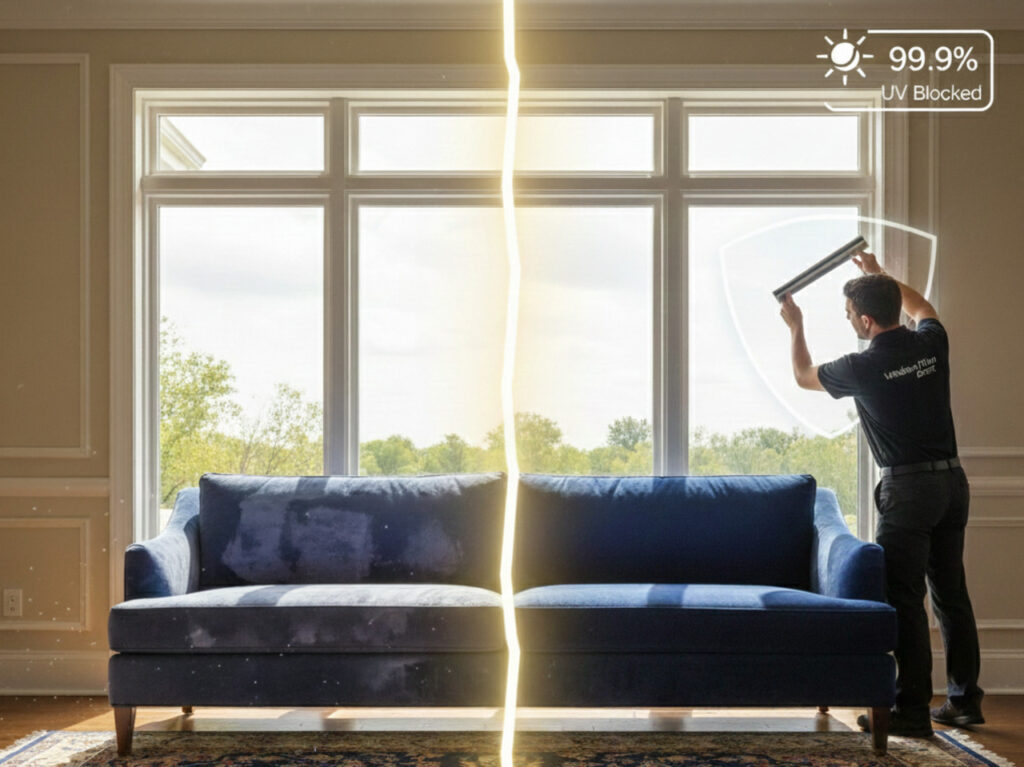
The Role and Limitations of Low-E Coatings in UV Mitigation
Low-emissivity (Low-E) coatings are a common feature in modern energy-efficient windows, primarily designed to reduce heat transfer through the glass. They achieve this by reflecting infrared radiation, keeping interiors warmer in winter and cooler in summer. While some Low-E coatings do offer incidental UV reduction as a side effect of their metallic or oxide layers, this protection is rarely comprehensive. Their primary engineering focus remains on thermal performance, not full-spectrum UV filtration. Consequently, relying on a Low-E coating alone for robust UV protection against asset fading is a critical oversight. The level of UV blocked can vary significantly depending on the specific coating formulation, and it often falls short of the near-total blockage required to truly safeguard interior investments.
Laminated Glass and Its Variable Effectiveness Against UVA Penetration
Laminated glass, which consists of two or more panes of glass bonded together with a polymer interlayer (most commonly polyvinyl butyral, or PVB), is often lauded for its safety and sound-dampening properties. A common misconception is that all laminated glass provides complete UV protection. The PVB interlayer does absorb a high percentage of UV radiation, including a significant portion of UVA. This makes laminated glass generally more effective at blocking UV than standard or Low-E coated annealed glass.
However, its effectiveness is not absolute or universal:
- The actual UV blocking performance depends on the specific type and thickness of the PVB interlayer used. Not all PVB is designed with optimal UV absorption in mind.
- Laminated glass is typically specified for specific applications requiring enhanced safety or noise reduction, not as a blanket UV solution for an entire building’s glazing.
- Its higher cost and specialized applications mean it is not a universally applied solution, leaving many areas of a project vulnerable.
The Gap Between Perceived and Actual Protection for Interior Assets
The combined effect of these factors creates a significant gap between the perceived and actual UV protection offered by standard residential and commercial glass. Building owners, tenants, and even some project managers operate under the assumption that their modern windows adequately protect their valuable interiors. The reality is that the persistent penetration of UVA rays, even at reduced levels, contributes significantly to:
- Fading: Discoloration and loss of vibrancy in fabrics, artwork, and wood finishes.
- Degradation: Weakening and embrittlement of materials over time.
- Deterioration: Chemical breakdown of dyes and polymers.
This ongoing damage represents a tangible loss of value for high-end finishes, custom furniture, and irreplaceable artwork, directly undermining a project manager’s goal of enhancing building value and performance. Without a targeted solution, this silent degradation continues unchecked, leading to premature replacement costs and diminished aesthetic appeal.
How 3M Window Films Achieve 99.9% UV Blockage and Beyond
Addressing the inherent limitations of standard glazing requires a specialized approach. 3M window films are engineered specifically to overcome these challenges, offering a level of UV protection that standard glass simply cannot match, preserving building assets and occupant well-being effectively.
Advanced Film Technology: The Science Behind 3M’s Superior Protection
3M’s proprietary window film technology goes far beyond simple tints or dyes. It leverages advanced multi-layer optical film (MOF) construction, a testament to precision material science. These films are composed of hundreds of micro-layers, each designed to specifically interact with different wavelengths of the solar spectrum. This intricate layering allows the films to be exceptionally thin yet incredibly effective at targeting and rejecting specific types of radiation, particularly ultraviolet light, without compromising visible light transmission. This is a crucial distinction from conventional film manufacturing.
Precision Engineering: How 3M Films Filter Harmful UV Rays
The secret to 3M’s unparalleled UV blockage lies in the molecular-level engineering of these multi-layers. Instead of merely absorbing some UV, 3M films are designed to actively filter and reject virtually all UVA and UVB radiation. This precision means that films can achieve an extraordinary 99.9% or more UV blockage while maintaining optical clarity. The films effectively create a protective barrier that selectively allows beneficial visible light to pass through while denying entry to the damaging UV spectrum, ensuring that interiors are illuminated without being exposed to harmful rays.
Introducing the 3M Prestige Series: Unparalleled Clarity and UV Defense
The 3M Prestige Series exemplifies this advanced technology, offering a solution that combines exceptional performance with aesthetic integrity. These films are constructed using non-metalized, multi-layer optical films, ensuring superior clarity and maintaining the natural appearance of glass. The absence of metals eliminates concerns about corrosion in coastal environments or interference with wireless and cellular signals. This 3m prestige window film uv protection delivers outstanding results.
Key benefits of the Prestige Series include:
- Near-Total UV Rejection: Blocking over 99.9% of UVA and UVB rays, significantly reducing the primary cause of fading and skin damage.
- High Visible Light Transmission: Allowing ample natural light into spaces, avoiding a dark or tinted appearance.
- Exceptional Heat Rejection: Reducing solar heat gain, which contributes to lower energy consumption and improved occupant comfort.
- Low Interior and Exterior Reflectivity: Maintaining the original aesthetic of the building without creating a mirrored effect.
This series offers a premium solution for project managers seeking to deliver the highest level of performance and protection without sacrificing optical quality or architectural design.
The Comprehensive UV Shield: Protecting Valuables Without Compromising Light
The installation of 3M window films provides a comprehensive shield no standard glass can offer. High-value interior assets are safeguarded from the relentless and damaging effects of UV radiation. This protection covers custom hardwood flooring, designer furnishings, and irreplaceable artwork within the building. Achieving near-total blockage without altering architectural appearance is a complete game-changer for the industry.
For Project Manager Paul, this translates directly into preserving long-term beauty and performance. This solution satisfies client expectations while meeting critical asset protection requirements for the property. Maintaining interior value through advanced technology ensures project success and lasting durability.
Quantifying the ROI: Preventing Asset Fading and Enhancing Building Value
The assumption that standard architectural glazing provides adequate UV protection is a costly misconception. Many modern windows block UVB rays but allow UVA radiation to pass through unimpeded. This persistent exposure acts as a silent aggressor, initiating molecular breakdown in valuable interior assets. This damage involves the degradation of chemical bonds, leading to material weakening and embrittlement.
Fabrics, wood finishes, and plastics face premature failure and irreversible structural damage. This deterioration translates directly into accelerated depreciation and unexpected replacement costs for the owner. Such outcomes undermine the long-term value and performance expected from any high-quality build. Implementing advanced filtration is the only way to stop this silent cycle of destruction.
Preserving Investment: Safeguarding Flooring, Furniture, and Artwork
For discerning clients, preserving interior investments like custom flooring and bespoke furniture is paramount. UV radiation is the primary culprit behind the discoloration and embrittlement of these high-value assets. Professional-grade 3M window films are engineered to block 99.9% of both UVA and UVB rays. This technology effectively neutralizes the threat of irreversible dulling or cracking of fine art.
By eliminating the dominant cause of degradation, these films significantly extend asset lifespan. This proactive protection safeguards initial investments and reduces long-term maintenance burdens for the owner. It ensures the interior environment retains its intended visual appeal and value for decades. High-performance film is the most efficient way to maintain aesthetic integrity against sun damage.
Beyond Fading: Mitigating Solar Heat Gain for Energy Efficiency and Comfort
While UV protection is critical for asset preservation, the benefits of advanced window film technology extend far beyond preventing fading. Solar heat gain, driven by infrared (IR) and visible light, significantly impacts interior comfort and energy consumption. Many high-performance 3M window films are designed to reject a substantial portion of solar heat without sacrificing natural light.
This selective rejection of solar energy means HVAC systems work less intensely to maintain temperatures. This efficiency leads to measurable and significant reductions in annual energy costs for the owner. Beyond financial savings, mitigating solar heat gain creates a more consistent and comfortable interior climate. This enhancement significantly improves the overall occupant experience and productivity within the building space. This is a crucial factor in tenant satisfaction and employee productivity.
Strategic Asset Protection: Elevating Building Performance for End Clients
Implementing professional 3M window film for UV and solar control elevates a building’s performance metrics. For project managers, this represents an opportunity to deliver a superior, high-performing final product. This solution creates an environment that is more sustainable, cost-efficient, and protective of interiors.
This comprehensive approach to asset protection positions the project as one designed for longevity and superior value, offering end clients:
- Extended Asset Lifespan: Reducing the need for premature replacement of interior furnishings and finishes.
- Reduced Operational Costs: Lowering energy consumption through optimized thermal management.
- Enhanced Occupant Comfort: Creating a more stable and pleasant indoor climate.
- Preserved Aesthetic Value: Maintaining the vibrancy and integrity of interior design elements.
- Increased Building Appeal: Differentiating the property in the market with superior protection and efficiency.
By addressing the vulnerabilities of standard glazing, professional window film installation transforms windows from points of potential weakness into proactive protectors of building value.
Choosing the Right UV Protection Film for Your Project
Tailoring Solutions: Matching 3M Film Technology to Specific Project Needs
The selection of a window film is not a one-size-fits-all proposition. It requires a detailed understanding of a project’s unique requirements, aesthetic goals, and performance targets. 3M offers a diverse portfolio of advanced film technologies, each engineered to address specific challenges. Whether the primary objective is maximum UV and heat rejection with minimal visual impact, enhanced privacy, glare reduction, or a combination thereof, there is a tailored 3M solution. This necessitates a collaborative approach to evaluate factors such as building orientation, existing glass type, local climate conditions, interior design scheme, and specific occupant needs to recommend the optimal film series. Options range from clear, virtually invisible films that prioritize natural light to tinted or reflective films that offer increased privacy and solar control, ensuring that the chosen solution aligns perfectly with the project’s vision and functionality.
Understanding Optical Clarity and Performance Metrics in Film Selection
When evaluating window film, understanding key performance metrics is essential for informed decision-making. Beyond the critical 99.9% UV rejection, crucial metrics include Visible Light Transmitted (VLT), Total Solar Energy Rejected (TSER), and Glare Reduction. VLT indicates how much visible light passes through the glass, influencing interior brightness. TSER measures the film’s effectiveness in blocking overall solar heat, encompassing UV, visible light, and infrared. Glare reduction quantifies the film’s ability to minimize harsh sunlight, improving visual comfort. Equally important is optical clarity. High-quality films must enhance protection without introducing distortion, haze, or a visible change in the glass’s appearance, especially in applications where maintaining pristine views is paramount. These quantitative benchmarks allow project managers to compare films objectively and select products that deliver precise performance without compromise.
The Indispensable Role of Professional Installation for Optimal Results
Even the most advanced window film cannot deliver promised performance without expert installation. Professional application is fundamental to long-term durability, warranty validity, and optimal functionality. This process demands meticulous surface preparation and precise cutting techniques for a perfect finish. Installers must ensure a dust-free and bubble-free application that accounts for various glass types.
Substandard installation leads to visible imperfections like premature peeling, bubbling, or edge lifting. These flaws compromise both the film’s appearance and its critical protective capabilities. Investing in professional installation ensures the film adheres correctly and performs for its full lifespan. This choice maintains the pristine appearance expected in any high-quality building project.
Partnering with Expertise: Leveraging the #1 U.S. 3M Window Film Installer
For project managers seeking to guarantee the highest level of UV protection and solar control, partnering with the #1 U.S. 3M Window Film Installer is a strategic advantage. This designation signifies not only unparalleled experience and technical proficiency but also a deep understanding of 3M’s extensive product line and installation best practices. A top-tier installer offers:
- Certified Expertise: Highly trained and certified technicians ensure flawless application according to 3M’s stringent standards.
- Comprehensive Product Access: Full access to the latest 3M film innovations and specialized solutions.
- Seamless Project Integration: Expert consultation and execution that integrates smoothly into complex project timelines.
- Robust Warranties: Assurance that the product and installation are backed by industry-leading guarantees.
This partnership mitigates risk, ensures optimal performance, and ultimately delivers a superior, long-lasting solution that protects assets and enhances building value for the end client.
Conclusion: Key Takeaways and Next Steps
The evidence is clear. While conventional window glazing offers a modicum of defense against certain UV wavelengths, it is fundamentally insufficient for comprehensive protection against the relentless degradation of interior assets. Relying solely on factory-installed windows creates a vulnerability that leads to irreversible damage to flooring, furnishings, artwork, and even the structural integrity of materials over time. This often overlooked detail represents a critical oversight in project planning, directly impacting the long-term value and client satisfaction for any building.
Understanding the limitations of standard windows and the unparalleled capabilities of advanced film technology is crucial for delivering a truly high-performance project.
Standard Windows Offer Limited UV Protection:
Most clear glass, even low-e coatings, block only a fraction of harmful UVA and UVB rays, allowing significant transmission that causes fading and material deterioration. This creates a false sense of security regarding asset preservation.
Irreversible Asset Degradation is a Costly Consequence:
Without comprehensive UV mitigation, high-value interior assets—from expensive hardwood floors and bespoke furniture to curated art collections—will inevitably fade, discolor, and degrade. This damage is cumulative, irreversible, and significantly diminishes the aesthetic and monetary value of a space.
3M Window Films Provide Superior, Verified Protection:
Professionally installed 3M window films are engineered to block virtually 99% or more of all damaging UVA and UVB rays, far surpassing the capabilities of standard glazing. This advanced protection is a non-negotiable safeguard for interior investments and occupant well-being.
Preserve Value and Enhance Performance:
Integrating 3M window film into your project specification is not merely an upgrade. It is a strategic investment in preserving the longevity and value of interior assets. It demonstrates a commitment to delivering a building that maintains its aesthetic appeal and functional performance for years to come, directly addressing client expectations for quality and durability.
The Next Step
For project managers seeking to deliver exceptional value and performance, the next step is clear. Proactively specifying and integrating professional 3M window film solutions into your building designs ensures that these critical vulnerabilities are addressed comprehensively. Engaging with a certified 3M window film expert provides the opportunity to assess specific project needs, understand the optimal film selection, and ensure precise installation that maximizes both protection and long-term return on investment. This proactive approach safeguards client assets, enhances building performance, and ultimately elevates the standard of your completed projects.
Frequently Asked Questions
Do home windows have UV protection?
Standard home windows, including most clear glass and even some low-e coatings, offer only partial UV protection. While they typically block almost all UVB rays and some UVC, they allow a significant amount of UVA radiation to pass through. This UVA radiation is the primary cause of fading and degradation of interior furnishings, artwork, and flooring.
How effectively do low-e coatings block UV rays?
Low-e coatings are primarily designed to improve thermal performance by reflecting infrared radiation, not specifically for comprehensive UV blocking. While some may offer incidental UV reduction, their effectiveness against UVA rays is often limited and varies greatly. Relying on a low-e coating alone for robust UV protection of interior assets is generally insufficient.
What is the best way to block UV rays from windows to protect interiors?
The most effective way to block UV rays from windows to protect interior assets is through the professional installation of high-quality UV-blocking window film, such as 3M window films. These films are engineered to block virtually 99.9% of both UVA and UVB rays, providing a comprehensive shield that standard glazing cannot match.
Does 3M Prestige window film provide comprehensive UV protection?
Yes, 3M Prestige window film offers comprehensive UV protection, blocking over 99.9% of both UVA and UVB rays. This advanced film series is non-metalized for optical clarity and superior performance, effectively preventing the fading and degradation of interior assets while allowing ample natural light and reducing solar heat gain.
Beyond UV protection, what other benefits do window films offer?
In addition to superior UV protection, advanced window films offer several other benefits, including significant solar heat gain reduction, which leads to lower energy consumption and improved interior comfort. They can also reduce glare, enhance privacy, increase glass safety by holding shattered fragments, and maintain the aesthetic integrity of a building’s architecture.