Table of Contents:
- Searching for “Building Window Tinting Near Me” in 2026
- Key Benefits of Building Window Tinting for Homes & Businesses
- Residential Window Tinting: Comfort, Privacy & Protection for Home Windows
- Commercial Window Tinting: Energy Savings & Security for Buildings
- Types of Window Film: From Ceramic Window Tint to Decorative Window Film
- Cost & ROI of Building Window Tinting in 2026
- FAQ: Building Window Tinting Near Me
Searching for “Building Window Tinting Near Me” in 2026
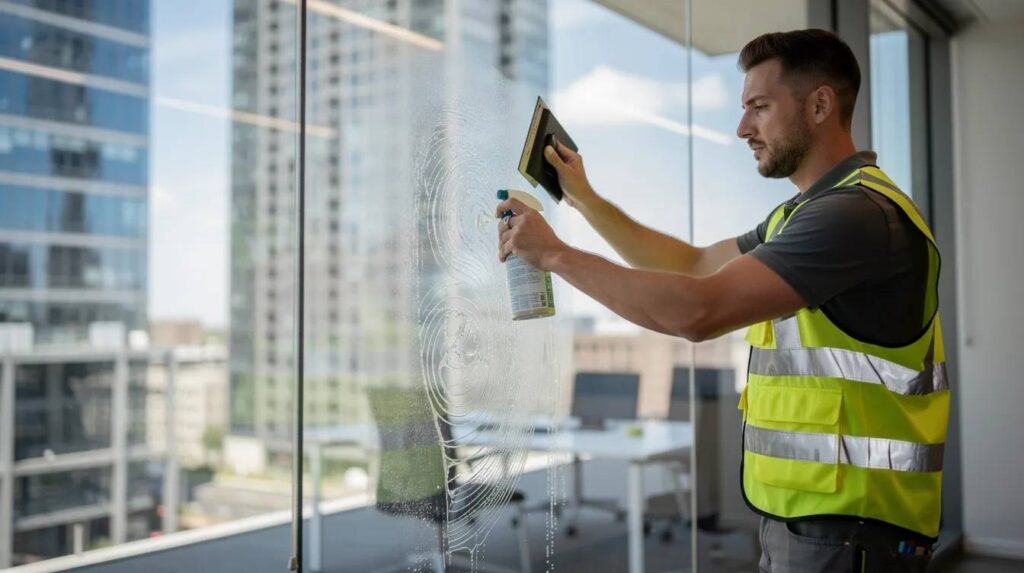
If you just searched for a local window tinting company, you likely want a fast, informed path to better comfort in your home or commercial building. Building window tinting is the professional application of solar control, security, and decorative window film to existing glass on houses, offices, and storefronts. Modern window films block over 99% of harmful UV rays, reduce heat buildup by up to 80%, lower energy bills, and add privacy – all without replacing your windows. This guide covers every film type, 2026 pricing, and how to pick the right installer at your location.
Key Benefits of Building Window Tinting for Homes & Businesses
Today’s window tint turns ordinary glass into a high-performance surface. Consider that 75% of existing windows aren’t energy efficient, and windows account for up to 40% of household energy waste.
- Heat reduction: High-quality window film can block up to 79% of solar heat, and solar control window film can reject up to 80% of heat overall. Since one-third of a building’s cooling load comes from solar heat gain, tinting eliminates temperature disparities throughout a building and stabilizes rooms on south- and west-facing walls.
- UV protection: Window films block over 99% of harmful UV rays. LLumar solar control window film blocks over 99% of UV rays, and premium films block 99% of UV rays protecting building occupants from skin damage. Quality window films protect interiors from premature fading due to sun damage across flooring, furniture, and artwork.
- Glare control: Tinting reduces screen glare by up to 90%, helping you reduce glare on monitors in any office or workspace. Window film preserves natural light entry while maintaining outward visibility.
- Energy savings: Window tinting can reduce air conditioning workloads yielding energy savings up to 30%. Window tinting regulates indoor temperature and improves energy efficiency, which directly cuts energy costs and saves money over time.
- Privacy: Window films can provide daytime privacy by obscuring outside views, letting you add privacy with reflective or frosted options and achieve increased privacy without darkening the space.
- Safety: Heavy-duty safety and security films hold shattered glass tightly to prevent injuries. Security window film increases glass strength by 2 to 3 times, protecting property against break-ins, vandalism, and natural disasters.
Residential Window Tinting: Comfort, Privacy & Protection for Home Windows
Homeowners evaluating home window tinting for living rooms, bedrooms, or sunrooms typically want to cut cooling costs and protect interiors. Home window tints can reduce energy waste by up to 40%, and Kepler’s home window films offer up to 88% heat reduction. Home window tints prevent UV rays from fading fabrics and furnishings. LLumar solar control film protects furnishings from UV damage across every residential window. Buildings retrofitted with LLumar film save 5-15% on energy annually.
- Use lighter ceramic window tint in open living areas and dual-reflective film on hot upper-floor house windows.
- Low-emissivity films help retain indoor heat in winter, supporting year-round energy efficiency.
- Expert installation on a typical house (2,000–2,500 sq ft) takes just 1–2 days, and films work safely on modern double-pane and low-e home windows when manufacturer-approved products are installed.
- Customize by orientation – stronger solar control on south-facing walls, lighter film on shaded sides.
Home Tinting Options for Style & Privacy
Home tinting goes beyond function. Decorative window film enhances a building’s aesthetic appeal and provides additional privacy for homes. Options include frosted, gradient, and patterned films that block unattractive views and hide clutter. Decorative film can increase a home’s value and create a creative, polished appearance on entry sidelights, bathroom glass, and internal doors. Renters benefit from removable decorative film options that peel off without damaging the glass.
Commercial Window Tinting: Energy Savings & Security for Buildings
For property managers and business owners, commercial window tinting delivers measurable returns. Buildings with LLumar film save 5-15% on energy annually, and most large projects recoup their cost within 3–5 years. Tinting enhances workplace productivity by creating a visually comfortable environment, and window films can improve occupant comfort by reducing glare and blocking UV rays in open-plan offices, lobbies, and conference rooms. Large-scale corporate projects often require structural experience with complex building codes, so choose a company with that ability.
- Brand and aesthetic upgrades with commercial decorative window film – frosted bands, logo cut-outs, and creative privacy patterns.
- Anti graffiti film on storefront glass, elevators, and mirrors acts as a sacrificial layer you can peel and replace after vandalism, protecting the surface and maintaining visibility.
Safety, Security & Anti-Graffiti Solutions
Many commercial specifications combine solar control with security in a single job. Security film bonds to glass with strong adhesives for added protection and provides low-profile defense for windows and glass doors. Thick security window film makes break-ins more challenging, and specialized films enhance shatter resistance in case of severe weather. Film thickness ranges from 4–15 mil depending on threat level. Hybrid solar-security products let you balance performance, safety, and aesthetic priorities in one product.
Types of Window Film: From Ceramic Window Tint to Decorative Window Film
The window film industry includes companies that provide architectural and building window tinting across several categories. Quality of film manufacturer is critical in the window film industry – always verify brand and warranty.
| Film Type | IR Rejection | Lifespan | Best For |
|---|---|---|---|
| Dyed/Metalized | 25–75% TSER | 5–15 yrs | Budget residential and light commercial window use |
| Ceramic window tint | 88–95% IR | 20–25 yrs | Premium homes, high-visibility facades |
| Low-E / Four-Season | Moderate | 15–20 yrs | Year-round energy efficiency |
| Decorative window film | Varies | 10–15 yrs | Privacy, branding, appearance |
| Security film | Varies | 10–20 yrs | Impact resistance, safety |
| Anti graffiti film | N/A | Replaceable | Storefronts, public surfaces |
Ceramic window tint blocks up to 99.9% of UV rays, and ceramic window film blocks 99.9% of UV rays with zero signal interference – ideal for any building that needs reliable connectivity.
Choosing the Right Film for Your Project
Match window film options to your goals. Use ceramic or spectrally selective films for severe heat on south- or west-facing glass. Choose decorative window film where design and privacy both matter, and specify clear security film on ground-floor glass in schools or retail. Ask installers for sample swatches on your own house windows or commercial glass to see real-world light levels before committing.
How to Choose a Local Building Window Tinting Company
Quality of expert installation matters as much as the film itself. Look for a professional company offering both residential window tinting and commercial building projects – not just vehicle or windshield work.
- Confirm licensing, insurance, and manufacturer certifications for architectural films.
- Review recent (2024–2026) project photos and testimonials from similar window tinting services.
- Get a detailed onsite assessment with measurements, film recommendations by orientation, and a written quote with no hidden fees.
- Reputable installers explain curing times, aftercare, and what to expect visually after the film is installed.
Questions to Ask Before You Book
Use this checklist when you contact local providers:
- Which films do you recommend for my climate and window orientation?
- How many residential window and commercial window projects have you completed recently?
- What warranty covers the film and workmanship, and is it transferable?
- Will this film affect my existing glass warranty or low-e coatings?
- Can you provide references or photos from 2025–2026 projects?
Cost & ROI of Building Window Tinting in 2026
Prices vary by film type, glass size, and access, but these ranges help with budgeting:
- Residential: Standard solar films run ~$6–$12/sq ft installed; premium ceramic ~$7–$15/sq ft. A full-house job (15–20 windows) typically costs $2,500–$5,000.
- Commercial: Standard solar control ~$7–$12/sq ft; security film $15–$25+/sq ft. Economies of scale make larger projects more affordable per square foot.
- Cost adders: Difficult access, existing film removal ($2.50–$8/sq ft), and complex decorative patterns increase the total.
- ROI: Energy savings, utility rebates, and reduced HVAC wear produce payback in 2–5 years for most commercial properties. Non-monetary returns – comfort, protection from fading, and reduced glare complaints – stand out immediately.
Request line-item quotes separating film, labor, removal, and equipment so you can compare offerings accurately.
FAQ: Building Window Tinting Near Me
Is it worth it to tint house windows?
Yes. You’ll cut energy bills, protect furnishings from UV damage and fading, and gain daytime privacy – especially on sun-exposed walls.
Will tint make my home too dark?
No. Modern ceramic and spectrally selective films cut heat and sunlight damage while keeping rooms bright. VLT ratings above 50% maintain a light, open feel.
How long does residential window tinting last?
Depending on film type and climate: dyed films last 5–10 years, carbon 15–20, and ceramic 20–25 years with professional installation.
Can window film be removed later?
Yes. A professional service can remove quality films from most glass types without permanent damage.
Is there a difference between auto tint and home window tinting?
Absolutely. Architectural films are engineered for flat glass, carry different warranty requirements, and meet building energy standards. Unlike windshield replacement or vehicle tint, building films address energy efficiency, security, and code compliance on a different scale entirely – think of it as upgrading your property rather than your windshield.
How quickly will I notice energy savings?
Comfort improvements happen the same day. Measurable bill reductions typically appear within the first full cooling or heating season.
Conclusion: Next Steps When You’re Ready to Tint Your Building
Building window tinting delivers measurable comfort, security, and energy efficiency for every residential and commercial window project. If you searched for building window tinting near me, schedule an onsite assessment to get a tailored recommendation for your specific windows. Prioritize installers who carry multiple film lines – solar, ceramic, decorative, security, and anti graffiti film – so you’re never locked into one product. Walk each room or floor with your consultant to discuss privacy levels, glare issues, and heat hotspots before finalizing. Contact us today for a fast estimate, professional installation, and long-term support for your home or business.