Table of Contents:
- Beyond “Ballistic Window Tint”: Specifying True Ballistic-Resistant Glazing for Commercial Projects
- Anatomy of Protection: Components of a Comprehensive Ballistic-Resistant Glazing System
- The Project Manager’s Playbook: Key Specification Questions for Security Glazing Partners
- Mastering Implementation: Integrating Ballistic Systems into Large-Scale Commercial Projects
- Conclusion: Moving Beyond Myths Toward Real Security Performance
- Frequently Asked Questions
Beyond “Ballistic Window Tint”: Specifying True Ballistic-Resistant Glazing for Commercial Projects
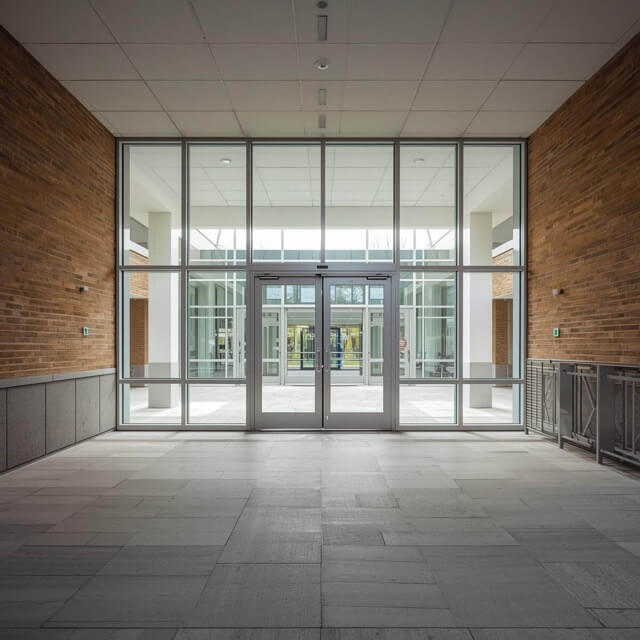

The Critical Misconception: Why “Ballistic Window Tint” is a Dangerous Myth
The phrase “ballistic window tint” is frequently encountered in security discussions, yet it represents a fundamental misunderstanding of how true ballistic resistance is achieved in glazing systems. This common misconception often leads project managers to believe a simple film application can transform standard glass into a bulletproof glass barrier. Such an assumption carries significant risks, as film alone, regardless of its thickness or adhesive strength, is not designed to stop ballistic projectiles.
True ballistic resistance is never about a single product, like a film or a specific type of glass in isolation. Instead, it is an intricately engineered system designed to dissipate and absorb the kinetic energy of a projectile, preventing penetration. Relying on the term “ballistic window tint” for project specifications is not only inaccurate but can lead to severe security vulnerabilities and potential liability when a system fails to perform as erroneously expected.
Understanding True Ballistic Resistance: Navigating UL 752 Standards and Beyond
To move beyond misconceptions, project managers must ground their specifications in recognized industry standards. The most authoritative standard for ballistic resistance in glazing is Underwriters Laboratories (UL) 752, “Standard for Bullet-Resisting Equipment.” This standard defines various levels of protection against specific firearms and ammunition types, providing a clear, measurable benchmark for performance.
- UL 752 Levels: The standard categorizes resistance into multiple levels, from Level 1 (withstanding three shots from a 9mm handgun) to Level 8 (withstanding five shots from a 7.62mm rifle). Each level specifies the exact firearm, ammunition type, and number of impacts the material must resist without penetration or spalling (the shattering of fragments from the protected side).
- Beyond UL 752: While UL 752 is the primary standard, other certifications and testing methodologies exist, often tailored to specific threats or regions. For instance, specific government or military applications might require compliance with Department of Defense (DoD) or ASTM standards, which can include blast mitigation alongside ballistic resistance. It is crucial to identify the exact threat profile for a project and then align it with the appropriate, verified testing standard.
Certification under UL 752 signifies that a complete glazing system, not just an individual component, has been rigorously tested by an independent third party. This process ensures that the specified product will perform as intended when confronted with the defined ballistic threat, offering verifiable peace of mind and demonstrating due diligence in security planning.
Anatomy of Protection: Components of a Comprehensive Ballistic-Resistant Glazing System
A truly ballistic-resistant glazing system is a complex assembly, far removed from a simple film application. Its effectiveness stems from the synergistic performance of multiple integrated components, each playing a critical role in energy absorption and projectile containment.
- Laminated Glass: This forms the primary barrier. Ballistic glass is typically a multi-layered laminate comprising multiple panes of glass bonded together with advanced polymer interlayers. The greater the ballistic threat, the more layers and the thicker the overall assembly becomes.
- Tempered Glass: The glass tempering process, a thermal tempering heat treatment, makes tempered glass much harder than standard glass. Regular annealed glass undergoes this process to relieve internal stress, making the rigid, brittle material tougher and more impact-resistant while changing how it shatters.
- Polycarbonate or Acrylic Layers: Often integrated into the laminate structure, these thermoplastic sheets provide exceptional impact resistance and ductility. They are key to absorbing projectile energy, preventing spalling, and often contributing significantly to the overall ballistic rating while reducing weight compared to all-glass solutions.
- Advanced Interlayers: These specialized polyvinyl butyral (PVB), ionoplast, or other proprietary films are engineered to bond the glass and polycarbonate layers securely. Their primary function is to hold the fractured glass pieces together upon impact, prevent penetration, and dissipate energy across a wider area.
- Structural Framing Systems: The glazing itself is only as strong as its frame. Ballistic-resistant glazing requires robust framing systems, typically steel or reinforced aluminum, designed to withstand the significant forces transferred upon impact without deforming or failing. These frames must also be securely anchored to the building structure.
- Attachment Systems: Equally critical are the methods used to attach the ballistic-resistant glazing unit to the frame and the frame to the building. This includes specialized sealants, structural silicone, and mechanical fasteners designed to maintain the integrity of the entire assembly under ballistic attack, preventing the window from simply being dislodged.
Every component must be specified and installed correctly to ensure the system performs to its rated UL 752 level. A weakness in any single element compromises the entire barrier, rendering the investment ineffective.
Distinguishing Roles: Security Film’s Value Versus Engineered Ballistic Systems
It is vital to differentiate between the protective capabilities of security film and those of a fully engineered ballistic-resistant glazing system. While security window film offers significant benefits, these benefits operate at a different threat level and for different objectives than ballistic protection.
- Security Window Film: This is typically a single or multi-layered polyester film applied to existing glass surfaces. Its primary function is to enhance the integrity of the glass by holding shattered fragments together upon impact. This provides critical advantages:
- Shard Retention: Prevents dangerous glass shards from flying inward, mitigating injury during accidents, natural disasters, or forced entry attempts.
- Delay and Deterrence: It significantly increases the time and effort required for an intruder to breach the glass. The glass may break, but the film holds it in place, forming a barrier that can delay entry for valuable minutes, allowing occupants to react or security personnel to arrive.
- Blast Mitigation: In a blast event, security film can help contain flying glass fragments, reducing injury from primary and secondary projectiles.
- Engineered Ballistic Systems: These systems, as described above, are purpose-built to resist penetration from specific firearm projectiles. Their design goal is to prevent a bullet from passing through the barrier, a capability that standard security films do not possess.
While a high-performance security film can be an element within a bulletproof window system by enhancing post-impact integrity and reducing spalling, it is never, by itself, the source of ballistic resistance. Project managers must understand this clear distinction to specify the correct solution for the desired level of protection. Choosing security film when ballistic resistance is required is a critical miscalculation.
The Project Manager’s Playbook: Key Specification Questions for Security Glazing Partners
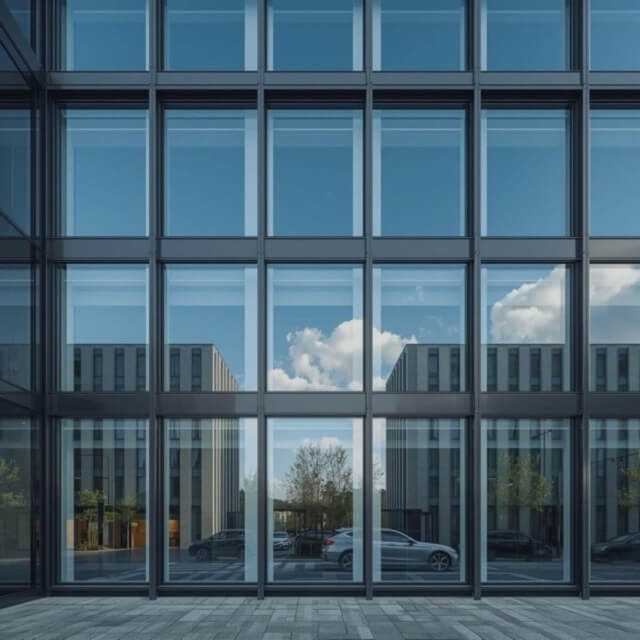
For project managers navigating the complexities of ballistic-resistant glazing, partnering with the right vendor is paramount. This requires asking precise questions that go beyond simple cost and delve into expertise, proven capabilities, and logistical proficiency, especially for national or large-scale rollouts.
- Certification and Testing Documentation:
- “Can you provide current UL 752 certification for the exact system you are proposing, specifying the level of resistance and testing authority?”
- “Do you have documentation of successful third-party testing for the full glazing and framing assembly, not just individual components?”
- System Integration and Engineering:
- “How do you ensure the ballistic-resistant glass, frame, and attachment systems are fully integrated and rated as a complete unit?”
- “What engineering support do you offer for custom designs or non-standard openings?”
- Installation Expertise and Experience:
- “What is your track record with large-scale commercial ballistic glazing projects, particularly those involving multiple sites or complex logistics?”
- “What are the qualifications and training of your installation teams? Are they factory-certified for the specific systems being installed?”
- “How do you manage quality control for installations across multiple locations to ensure consistent performance?”
- Project Management and Support:
- “What dedicated project management resources will be assigned to our project, particularly for multi-site deployments?”
- “How do you handle supply chain logistics and lead times for specialized ballistic materials?”
- “What post-installation support, maintenance guidelines, and warranty information do you provide?”
Asking these questions helps identify partners with the deep technical knowledge and national operational capacity required to deliver a compliant and effective security solution, addressing the critical need for reliable, specialized vendors for large-scale projects.
Mastering Implementation: Integrating Ballistic Systems into Large-Scale Commercial Projects
Integrating ballistic-resistant glazing into national or large-scale commercial projects presents unique challenges that demand a highly coordinated and experienced partner, but can result in a highly effective “bulletproof shield” for your building’s windows. It’s not just about selecting the right product; it’s about seamless execution across diverse locations, architectural styles, and operational constraints.
- Logistical Complexity: Large-scale projects involve managing material procurement, fabrication, and delivery to multiple sites, often simultaneously. This requires robust logistical planning to ensure components arrive on time and are handled correctly, as ballistic glazing can be exceptionally heavy and fragile.
- Installation Consistency: Maintaining uniform installation quality across numerous locations is crucial for ensuring every site meets the specified security standards. This necessitates standardized training, rigorous quality checks, and experienced field supervisors who can manage multiple crews effectively.
- Architectural Integration: Ballistic glazing systems often have substantial thickness and weight, which can impact existing building structures and aesthetic designs. Expert partners can provide crucial input during the design phase, ensuring the selected system integrates seamlessly without compromising structural integrity or architectural vision.
- Site-Specific Adaptations: While national rollouts aim for consistency, each site may have unique challenges, such as varying wall constructions, existing framing conditions, or specific local codes. A capable partner provides on-site surveys and engineering assessments to develop tailored solutions without deviating from overall security objectives.
Choosing a partner with a proven national footprint and expertise in managing complex security installations is paramount. Their ability to deliver consistent quality, overcome logistical hurdles, and provide comprehensive project oversight across all sites directly mitigates project risks and ensures the long-term effectiveness of the ballistic security investment.
Conclusion: Moving Beyond Myths Toward Real Security Performance
Specify Proven Ballistic Protection — Not Marketing Terminology
For commercial projects where occupant safety and asset protection are critical, relying on vague phrases like “ballistic window tint” creates unnecessary risk. True ballistic resistance is not achieved with aftermarket tint or standard security film alone. It requires independently tested glazing assemblies engineered to meet strict standards such as UL 752. Project managers, architects, and security consultants must evaluate verified performance data, complete system design, and certified installation practices when specifying protective glazing solutions.
The Right Security Strategy Starts with the Right Threat Assessment
Every facility faces different security challenges, from forced entry and vandalism to blast hazards and ballistic threats. The most effective glazing specification begins with identifying the actual risk profile of the building and matching it to the appropriate level of protection. While security window films provide valuable benefits like shard retention and delayed entry, true ballistic protection demands purpose-built systems designed for projectile resistance. Understanding this distinction helps ensure safer buildings, reduced liability, and long-term project success.
Frequently Asked Questions
What is “ballistic window tint”?
“Ballistic window tint” is not a real product category. It’s a misleading term used to describe security film, which does not provide bullet resistance.
Can window tint or film make glass bulletproof?
No. Even advanced security films can help hold glass together after impact, but they cannot stop bullets or provide UL 752 ballistic protection.
What does UL 752 certification actually mean?
UL 752 certifies complete glazing systems for resistance to specific firearm threats, ensuring no penetration or dangerous spalling under tested conditions.
What materials are used in ballistic-resistant glass systems?
They typically combine laminated glass, polycarbonate layers, advanced interlayers, and reinforced framing systems engineered to absorb projectile energy.
Where does security film fit in high-security applications?
Security film helps improve glass retention and delay forced entry, but it is not a substitute for engineered ballistic-resistant glazing systems.