Table of Contents:
- Navigating the ‘Temporary’ Trap: Why Removable Window Film Demands Strategic Specification
- The Myth of ‘One-Size-Fits-All’ Removable Film: Beyond Static Cling Solutions
- Professional vs. Consumer-Grade: A Specification Breakdown for Commercial Applications
- Unlocking Strategic Flexibility: Key Applications for Removable Frosted Film
- The Removal Process: Ensuring a Pristine, Damage-Free Outcome – A Project Manager’s Assurance
- Mitigating Risk and Ensuring Quality: The Imperative of a 3M Certified Installer Partnership
- Specifying the Right Removable Film: A Blueprint for Project Success and Asset Protection
- Conclusion: Elevating ‘Removable’ from Convenience to Core Project Strategy
- Frequently Asked Questions
- Related Posts from Window Film Depot
Navigating the ‘Temporary’ Trap: Why Removable Window Film Demands Strategic Specification
The Hidden Costs of Underestimating “Temporary” Solutions in Commercial Projects
Project managers often view “temporary” solutions as inherently less complex and, therefore, less critical to specify rigorously. This perspective, particularly concerning removable window films, can lead to high unforeseen costs and project delays. A seemingly minor detail, like a poorly performing temporary film, can quickly escalate into a substantial problem impacting project timelines and budgets.
The hidden costs manifest in several ways. If a film peels prematurely, fails to provide adequate privacy, or appears visibly flawed, it necessitates immediate reinstallation, incurring additional material and labor expenses. More critically, if the film damages the glass or leaves stubborn adhesive residue upon removal, it can require costly glass replacement or extensive cleaning. These rectifications not only add direct financial burdens but also introduce delays, pushing back subsequent project phases and potentially impacting contractual obligations and client satisfaction.
Elevating Removable Film from Commodity to Critical Specification for Project Managers
Given the potential for disruption and increased costs, removable frosted film must be elevated from a perceived commodity to a critical project specification. This shift in perspective recognizes that the film’s performance directly influences project continuity and asset protection. Specifying professional-grade removable film is a proactive risk management strategy that protects the project manager’s reputation and the client’s investment.
A strategic specification outlines precise requirements for adhesion longevity, optical properties, and, crucially, a guaranteed clean removal process. It moves beyond generic product descriptions to demand verified performance data, ensuring the selected solution aligns with the project’s specific duration and environmental conditions. This meticulous approach ensures that the temporary film reliably fulfills its function without introducing unforeseen complications upon removal, safeguarding both project timelines and the underlying glass assets.
The Myth of ‘One-Size-Fits-All’ Removable Film: Beyond Static Cling Solutions
Understanding the Spectrum of “Removable” Claims and Their Commercial Implications
The term “removable” carries a broad spectrum of interpretations, and not all are suitable for commercial applications. What constitutes “removable” for a consumer often translates to unacceptable performance or damage in a professional environment. For instance, a film advertised as easily removable after a few weeks for a home office might leave residue or fail to maintain integrity when subjected to the demands of a high-traffic commercial space over several months.
Commercial projects require films that guarantee clean, residue-free removal after a specified duration, often ranging from six months to two years, without compromising the integrity of the glass surface. Failure to meet these criteria can lead to substantial financial liabilities for property damage and project overruns. Understanding the precise capabilities and limitations of a film’s “removable” claim, backed by manufacturer specifications and installer experience, is therefore paramount.
Why Consumer-Grade Options Fail to Meet Commercial Durability and Aesthetic Standards
Consumer-grade removable films, while seemingly cost-effective, fall short of commercial expectations in several critical areas. They typically lack the necessary durability to withstand the rigors of a commercial environment. Common issues include:
- Premature Edge Lifting: Films begin to curl or lift at the edges, compromising aesthetics and allowing dirt ingress.
- Reduced Scratch Resistance: Surfaces are prone to scuffs and scratches from routine cleaning or accidental contact, degrading appearance.
- Inconsistent Aesthetic Quality: Uneven frosting, visible adhesive lines, or rapid discoloration can diminish the intended privacy and design integrity.
- Adhesive Failure or Residue: The adhesive may degrade prematurely, causing the film to detach, or it might bond too aggressively over time, leaving difficult-to-remove residue or even damaging anti-glare coatings upon removal.
These deficiencies result in a less professional appearance, necessitate premature replacement, and ultimately detract from the client’s perception of quality, creating additional work and expense for the project manager.
The Fundamental Differences in Material Science and Adhesive Systems for Professional Applications
The distinction between consumer-grade and professional-grade removable films lies deep within their material science and adhesive technologies. Professional films are engineered for predictable performance and clean removal under specified conditions.
- Advanced Film Composition: Commercial films often feature multi-layered polyester construction, offering superior dimensional stability, greater scratch resistance, and enhanced UV inhibitors to prevent fading and material degradation. Their optical properties are meticulously controlled to ensure uniform light diffusion and privacy, without optical distortion.
- Precision Adhesive Systems: The core difference lies in the adhesive. Professional removable films utilize specialized, low-tack, pressure-sensitive adhesive formulations. These adhesives are designed to create a strong initial bond for installation while maintaining their structural integrity over time, ensuring that the adhesive layer remains with the film during removal. This prevents adhesive transfer to the glass surface.
- Controlled Adhesion and Delamination: Unlike static cling options, which lack true adhesive and are prone to dislodging, professional films bond reliably. However, they are engineered for controlled delamination, meaning the bond strength is designed to release cleanly without tearing or leaving adhesive residue, even after prolonged application. This is a stark contrast to films with aggressive, permanent adhesives or poorly formulated “removable” adhesives that cure too hard and leave damage.
Professional vs. Consumer-Grade: A Specification Breakdown for Commercial Applications
Project managers frequently encounter seemingly simple solutions that, upon closer inspection, fall short of commercial standards. For removable frosted films, the distinction between professional-grade products and consumer alternatives is not merely about price; it is a critical differentiator in performance, durability, and most importantly, risk mitigation for a project.
Material Composition: Ensuring Optical Clarity, Longevity, and Desired Aesthetics
Professional-grade removable films are engineered using high-performance optical-grade polyester or specialized vinyl substrates. These materials are meticulously designed to resist common issues such as yellowing, cracking, or bubbling over time, maintaining their aesthetic and functional integrity throughout their intended temporary deployment. Their advanced composition ensures consistent optical clarity for frosted effects, delivering a uniform, professional finish that inferior materials simply cannot match. This inherent stability prevents premature degradation, a common failure point for consumer films that can lead to costly reinstallation and project delays.
The Science of Advanced Adhesive Systems vs. Temporary Static Cling
The core distinction, and often the primary concern for project managers regarding clean removal, lies in the adhesive system. Professional films utilize advanced, pressure-sensitive adhesives that are precisely formulated for temporary, yet secure, bonding to glass. These proprietary systems allow for repositioning during installation and, crucially, for clean removal without leaving residue or damaging the substrate. This is a stark contrast to static cling films, which rely solely on electrostatic forces for adhesion. Static cling is inherently unreliable in varying temperatures, humidity, or with minor mechanical stresses, often leading to edge lift, bubbling, and complete failure. The engineered adhesive of professional films provides reliable performance under commercial conditions, ensuring the film stays put until its intended removal.
Performance Metrics Critical for Commercial Environments: UV Resistance, Adhesion Integrity, and Application Ease
For commercial projects, several performance metrics are non-negotiable for ensuring a successful, risk-free application of removable film:
- UV Resistance: Professional films are treated to block a significant percentage of harmful ultraviolet (UV) radiation. This not only protects interior furnishings and occupants but also prevents the film itself from prematurely degrading, yellowing, or becoming brittle.
- Adhesion Integrity: This metric defines the film’s ability to maintain its bond securely to the glass under a range of environmental stressors, including temperature fluctuations, cleaning protocols, and day-to-day use. High adhesion integrity guarantees the film remains aesthetically pleasing and functional for its specified temporary duration.
- Application Ease and Quality: Professional films are designed for wet application by trained and certified installers. This method facilitates precise positioning, minimizes air bubbles, and ensures a smooth, factory-like finish. Attempting DIY installation with consumer-grade products often results in poor application quality, visible imperfections, and a compromised aesthetic, all of which reflect poorly on project execution and client satisfaction.
Decoding Industry Terminology: What “Temporary Privacy Film” Truly Means for Office Environments
The term “temporary” in the context of professional-grade window film technology carries a specific meaning that diverges sharply from its colloquial use. For commercial applications, “temporary” signifies that the film is engineered for clean, damage-free removal from the glass surface within a specified timeframe, typically ranging from six months to several years, depending on the product. It does not imply fragility, short-term functional integrity, or susceptibility to premature failure. Instead, these films are designed to perform consistently and reliably throughout their temporary deployment, delivering uninterrupted privacy, branding, or aesthetic enhancement until their planned removal. Understanding this distinction is vital for project managers to select products that meet performance expectations without introducing unforeseen risks of damage or performance degradation.
Unlocking Strategic Flexibility: Key Applications for Removable Frosted Film
Beyond its technical specifications, the true value of professional-grade removable frosted film lies in its capacity to provide strategic flexibility for dynamic commercial environments. It offers adaptable solutions that align with the fluid nature of modern projects and business operations.
Achieving Agile Privacy and Light Control for Office Glass Partitions
Modern office designs frequently incorporate open layouts and glass partitions to foster collaboration and maximize natural light. However, specific team projects, client meetings, or reconfigured departments often necessitate temporary visual privacy. Removable frosted films offer an ideal solution, allowing project managers to rapidly deploy and remove privacy barriers without permanent alterations or costly construction. These films diffuse natural light effectively, maintaining an open feel while blocking direct views, providing an agile response to evolving workspace needs.
Strategic Branding, Wayfinding, and Messaging for Phased Retail Build-outs
Retail construction and renovation projects, particularly those with phased openings or evolving branding strategies, greatly benefit from the adaptability of removable frosted film. During initial build-outs or extensive renovations, films can provide temporary branding, promotional messaging, or wayfinding information directly on glass storefronts or interior partitions. This ensures a professional appearance throughout the project lifecycle and facilitates quick updates for seasonal campaigns, new product launches, or complete brand overhauls, all without damaging the underlying glass.
Enhancing Leasehold Improvements with Adaptable Decorative Window Film
For commercial tenants undertaking leasehold improvements, the ability to customize their space without incurring significant costs for restoration upon lease expiration is paramount. Removable decorative window films offer an economical and highly customizable solution. They allow for the integration of custom patterns, logos, or frosted privacy designs that define a tenant’s brand and operational needs. The critical advantage is their clean removability, which ensures the property is returned to its original condition without expensive glass replacement or resurfacing, thereby protecting the tenant’s security deposit and mitigating landlord concerns.
Temporary Obscurity and Security for Construction Phases and Vacant Spaces
Construction sites and vacant commercial properties present unique challenges regarding visual obscurity and security. During construction, removable frosted films can effectively obscure interiors, protecting valuable equipment and ongoing work from public view and deterring potential theft or vandalism. Similarly, for vacant retail units or office spaces awaiting new tenants, these films provide a cost-effective method to maintain a clean, private facade while preventing unauthorized viewing of an empty space. Their ease of installation and damage-free removal ensures that properties remain protected and presentable during vulnerable periods, without leaving a lasting impact once the space is ready for occupancy.
The Removal Process: Ensuring a Pristine, Damage-Free Outcome – A Project Manager’s Assurance
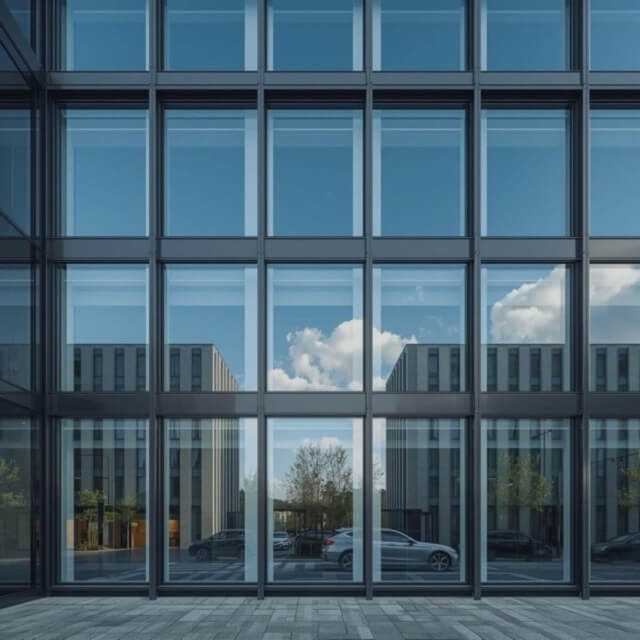
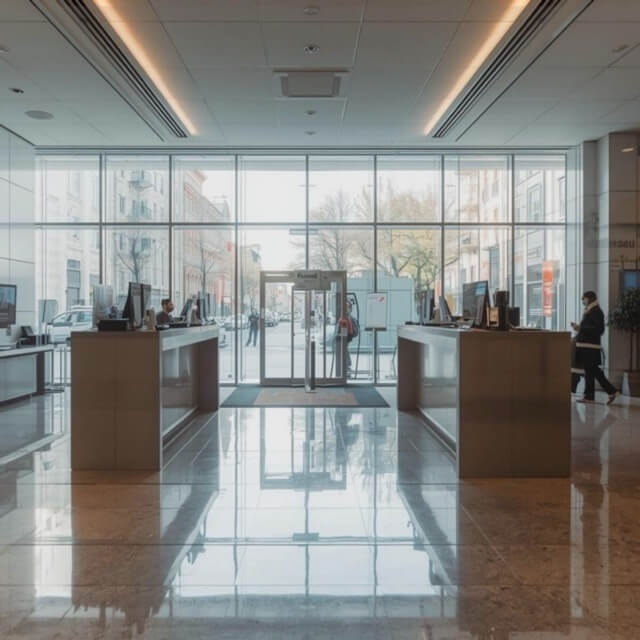
For any commercial project requiring temporary window film, the ultimate measure of success lies not only in its performance during use but critically, in its removal. A clean, damage-free removal process is paramount to avoiding unforeseen costs, project delays, and potential harm to a building’s asset value. This aspect is often overlooked in initial planning but holds significant weight in overall project risk mitigation.
The Engineering Behind Residue-Free Professional Film Removal
Professional-grade removable window films, such as those from 3M, are engineered with sophisticated adhesive technologies distinct from their permanent counterparts or consumer-grade products. These films utilize a proprietary, non-aggressive, pressure-sensitive adhesive system designed to bond securely to glass surfaces for specified durations while maintaining its integrity for clean delamination. The adhesive formulation is crafted to resist excessive curing or chemical alteration over time, which often leads to stubborn residue or surface damage upon removal. This advanced engineering ensures that the adhesive layer separates cleanly from the substrate, leaving no gummy residue, ghosting, or etching marks on the glass.
Mitigating the Risk of Costly Glass Surface Damage and Project Delays
The consequences of improperly removed window film extend far beyond mere aesthetics. Substandard films or amateur removal attempts can lead to adhesive residue necessitating extensive solvent use, potential scratching from abrasive cleaning methods, or even irreparable damage to specialized glass coatings. Each of these scenarios translates directly into significant project liabilities:
- Rework and Labor Costs: Hours spent cleaning residue or repairing damaged surfaces add unbudgeted labor expenses.
- Material Replacement: In severe cases, glass panels may require full replacement, incurring substantial material and installation costs.
- Schedule Overruns: These corrective actions inevitably push back project timelines, impacting subsequent trades and overall completion dates.
- Reputational Damage: Delays and visible imperfections can damage client relations and a project manager’s professional standing.
Choosing a professional-grade film specifically designed for temporary applications, installed and removed by certified experts, directly mitigates these financial and reputational risks.
The Critical Role of Proper Installation in Guaranteeing Successful Removal
While film quality is foundational, even the most advanced removable film can present issues if not installed correctly. Professional installation ensures adherence to stringent protocols that safeguard the removal process. This includes meticulous surface preparation, ensuring the glass is immaculately clean and free of contaminants before application. Furthermore, precise squeegee techniques minimize water entrapment and ensure uniform adhesion across the entire film surface, preventing air pockets or incomplete bonding that could compromise film integrity over time. Proper edge sealing, where applicable, also prevents environmental factors from degrading the adhesive prematurely. These meticulous steps are not just about immediate appearance; they are integral to ensuring the film behaves as intended when its temporary purpose is served, enabling a smooth, residue-free removal.
Understanding Removal Specifications and Guarantees for 3M Fasara Glass Finishes
Professional-grade solutions like 3M Fasara Glass Finishes come with clear, manufacturer-backed removal specifications. These specifications detail the expected lifespan for clean removal, typically stating a timeframe within which the film can be removed without causing damage or leaving residue. For instance, many removable 3M films are guaranteed for clean removal for up to five years from installation, provided specific environmental conditions and professional installation guidelines are met. A reputable installer will provide comprehensive information on these specifications and often extend their own guarantee for the removal process, contingent on following the manufacturer’s prescribed methods. This level of transparency and assurance is critical for project managers, offering a documented understanding of performance and accountability.
Mitigating Risk and Ensuring Quality: The Imperative of a 3M Certified Installer Partnership
The successful integration of temporary window film into a commercial project hinges not just on the product itself, but profoundly on the expertise of the installation team. Partnering with a 3M Certified Installer is a strategic decision that transcends simple subcontracting, transforming into a critical component of project risk management.
The Value of Manufacturer-Backed Expertise and Certified Training
A 3M Certified Installer possesses a level of expertise directly sanctioned and continually updated by the manufacturer. This certification signifies that technicians have undergone rigorous training specific to 3M products, covering every aspect from film characteristics and substrate compatibility to advanced application techniques and specialized removal procedures. This direct link to the manufacturer ensures a deep understanding of adhesive chemistry, film durability, and optimal performance parameters. Unlike uncertified or general contractors, certified installers leverage this manufacturer-backed knowledge to select the correct film for specific project requirements, ensuring that its temporary nature and clean removal are inherent to the solution.
Ensuring Uncompromising Quality Control from Product Specification to Installation
The value of a certified installer extends beyond technical skill on site. It encompasses a comprehensive approach to quality control throughout the entire project lifecycle. This begins with the initial consultation and product specification, where the installer ensures the selected 3M film aligns precisely with the project’s temporary needs and environmental conditions. During installation, certified teams adhere to 3M’s strict guidelines for handling, preparation, and application, minimizing the potential for defects that could compromise both the film’s temporary performance and its eventual clean removal. This systematic adherence to quality standards significantly reduces the likelihood of product failure or installation issues, mitigating project risks before they materialize.
Leveraging Proven Experience with Large-Scale Commercial Removable Window Film Rollouts
Commercial projects often involve large-scale applications, demanding efficient logistics and consistent quality across numerous windows or glass partitions. 3M Certified Installers frequently possess extensive experience in managing such large-scale removable window film rollouts. Their experience translates into:
- Efficient Project Planning: Optimized scheduling and resource allocation to meet tight project deadlines.
- Consistent Application: Uniform quality standards maintained across multiple installations, regardless of complexity.
- Problem Resolution: Proactive identification and resolution of potential challenges, honed by years of field experience.
This proven track record with substantial commercial engagements provides project managers with the confidence that their temporary film requirements will be executed smoothly, to specification, and without unexpected complications.
The Guarantee of Professional Tools, Techniques, and Accountability
A 3M Certified Installer provides an assurance that goes beyond mere promises. It is built upon a foundation of:
- Professional Tools: Utilization of specialized tools and equipment designed for precision application and, crucially, for safe and efficient removal without damaging glass surfaces.
- Validated Techniques: Adherence to industry-best practices and 3M-prescribed methodologies, ensuring optimal adhesion and clean delamination, thus preserving asset integrity.
- Accountability: A professional firm stands behind its work with warranties and clear contractual obligations. This means that if any issue arises related to the film’s performance or removal within the specified timeframe, the project manager has a reliable partner committed to corrective action.
This comprehensive package of expertise, quality control, and accountability directly addresses the project manager’s core concerns regarding reliability and risk, ensuring that a “simple” window film job does not become a costly project impediment.
Specifying the Right Removable Film: A Blueprint for Project Success and Asset Protection
Defining Project Requirements: Durability, Aesthetic Needs, and Removal Timelines
Effective film specification begins with a meticulous assessment of immediate and long-term project requirements. For temporary applications, this involves a precise understanding of the film’s intended lifespan and its operational environment. A film designed for a three-month privacy screen in an interior office will have different performance specifications than one needed for eighteen months on an exterior storefront, exposed to varying weather conditions and high foot traffic.
Durability considerations encompass resistance to UV degradation, abrasion, and cleaning agents. Aesthetic needs dictate the level of opacity, light transmission, color rendering, and whether the film will integrate branding elements or specific design motifs. Crucially, the removal timeline is paramount for a “removable” film. This involves not only the intended removal date but also the substrate material, ambient conditions during removal, and the expectation of a residue-free, damage-free surface. Ignoring these parameters often leads to premature film failure, aesthetic compromise, or, most critically, costly surface damage upon removal—precisely what project managers aim to avoid.
Evaluating Product Options: Beyond the Initial Price Tag to Total Cost of Ownership
The temptation to select a film based solely on its upfront unit cost can be a significant pitfall in commercial projects. A comprehensive evaluation necessitates considering the Total Cost of Ownership (TCO), which encompasses material costs, installation labor, maintenance, and potential remediation expenses if the film fails or damages the substrate upon removal. Inferior films, while seemingly cost-effective initially, often utilize aggressive adhesives that leave substantial residue, or conversely, inadequate adhesives that lead to premature peeling and bubbling.
Professional-grade removable films, such as those engineered by 3M, feature advanced adhesive technologies designed for specific removal windows and substrate compatibility. These films may present a higher initial material cost but mitigate substantial risks associated with re-application, glass cleaning, or even glass replacement, which can quickly inflate project expenditures and cause significant delays. Evaluating TCO underscores the value of reliability and performance over a simple commodity price comparison.
Collaborative Planning: Working with Your Certified Partner for Optimized Solutions
Navigating the complexities of film selection and installation demands specialized expertise. Engaging a certified window film partner early in the planning phase is not merely a convenience but a strategic imperative. A certified installer brings extensive knowledge of film characteristics, adhesive chemistries, and substrate compatibilities—factors often overlooked in a standard procurement process.
This collaborative approach allows for a thorough site assessment, identifying potential challenges such as existing glass coatings, frame materials, or environmental factors that could influence film adhesion and removal. By working closely with your certified partner, you ensure that the selected film is perfectly matched to the project’s unique requirements, from visual specifications to durability expectations and the critical clean removal guarantee. This proactive engagement transforms film application from a simple task into an optimized, risk-mitigated solution.
Long-Term Value: Asset Protection, Reputation Safeguarding, and Project Efficiency
The strategic adoption of professional-grade removable frosted films delivers substantial long-term value that extends far beyond their immediate application. Foremost is the robust protection of high-value assets, primarily the glass surfaces themselves. A properly specified and installed film prevents damage from aggressive cleaning attempts, scratches, or UV exposure, and crucially, ensures an intact, residue-free substrate upon removal, preserving the client’s property value.
Beyond physical assets, this approach safeguards the project manager’s professional reputation. Delivering a solution that performs flawlessly throughout its intended lifecycle and removes cleanly, without incident, reinforces trust and reliability. This mitigates the risk of costly rework or disputes that can tarnish relationships and project portfolios. Ultimately, by eliminating unforeseen complications, such professional installations contribute significantly to overall project efficiency, keeping timelines on track and budgets in control, allowing project resources to focus on core deliverables rather than unforeseen remediation.
Conclusion: Elevating ‘Removable’ from Convenience to Core Project Strategy
Recapping the Strategic Advantages of Professional-Grade Removable Frosted Films
The discourse surrounding removable films often frames them primarily as a convenient, temporary fix. However, for commercial projects, this perspective dramatically underestimates their strategic utility. Professional-grade removable frosted films, when expertly specified and installed, are not merely temporary aesthetic enhancements but critical tools for project flexibility, branding, and privacy management. Their inherent value lies in their ability to deliver consistent performance, aesthetic integrity, and, most importantly, a guaranteed damage-free removal that commodity-grade alternatives cannot match. This transforms ‘removable’ from a simple feature into a foundational component of intelligent project execution.
Empowering Project Managers with Informed Decisions for Risk Management and Quality Assurance
For project managers navigating the complexities of commercial builds and renovations, understanding the nuances of professional-grade removable films empowers them to make truly informed decisions. This knowledge shifts the focus from simply acquiring a film to strategically implementing a solution that actively mitigates project risks. By prioritizing factors like total cost of ownership, precise project requirements, and the unparalleled assurance of clean removal, project managers gain critical control over potential liabilities. This proactive approach ensures quality assurance, protecting both the project’s financial integrity and the client’s valuable assets from unforeseen damages or delays.
The Window Film Depot Commitment to Reliability, Performance, and Client Success
At Window Film Depot, our commitment extends beyond merely supplying materials; we provide integrated solutions built on a foundation of reliability and proven performance. Our partnership approach ensures that every removable frosted film installation, whether for temporary branding, phased privacy, or aesthetic integration, adheres to the highest standards. Leveraging 3M’s advanced film technologies and executed by our team of certified installers, we guarantee installations that not only meet your project’s precise specifications but also uphold our promise of clean, damage-free removal. We understand that your success is our success, and we stand by our expertise to deliver outcomes that safeguard your project, protect your assets, and reinforce your reputation.
Frequently Asked Questions
What makes professional removable frosted window film different from consumer versions?
Professional films use advanced, low-tack, pressure-sensitive adhesives engineered for clean, residue-free removal after a specified duration, whereas consumer versions often leave residue or damage glass coatings.
Can removable frosted window film be used for commercial branding?
Yes. It is an ideal solution for phased retail build-outs, seasonal campaigns, or brand overhauls, allowing for temporary branding and wayfinding that can be updated without permanent alterations.
How long can removable frosted window film safely stay on glass?
Professional-grade films are designed for predictable performance over specified timeframes, typically ranging from six months to several years, depending on the specific product and environmental conditions.
What are the risks of using low-quality removable frosted window film?
Why is professional installation important for removable frosted window film?
Certified installers ensure meticulous surface preparation and precise application techniques, which are essential to guaranteeing the film’s intended performance and its clean, damage-free removal.