Table of Contents:
- The Unseen Threat: Understanding UV Radiation in Commercial Spaces
- The Insufficiency of Standard Glazing: A Critical Assessment for Commercial Properties
- Quantifying the Loss: The Economic Repercussions of Unmitigated UV Damage
- The Engineering Solution: Unpacking 3M Professional-Grade UV Protection Film
- Strategic Specification: Comparing 3M UV Film with Low-E Glazing for Renovation Projects
- Defining Excellence: Key Specifications for Selecting the Right Commercial UV Protection Film
- Seamless Integration: The Project Management Advantage of a Specialized Installation Partner
- Conclusion: Protecting Client Assets, Enhancing Value, and Mitigating Risk
- Frequently Asked Questions
- Related Posts from Window Film Depot
The Unseen Threat: Understanding UV Radiation in Commercial Spaces
Ultraviolet (UV) radiation, an invisible component of sunlight, poses a continuous threat to commercial interiors and occupants. This radiation is primarily categorized into UVA and UVB rays. While UVB rays are largely responsible for sunburn and some skin cancers, UVA rays penetrate deeper, contributing significantly to skin aging, eye damage and, critically, material degradation. In commercial environments, this persistent exposure manifests as irreversible damage to valuable assets, often without immediate visual cues until the deterioration is well underway. The cumulative effect of this unseen threat can significantly devalue interior spaces and their contents, especially in spaces designed with large glass features like a one-way glass window where solar exposure is more pronounced.
The Project Manager’s Dilemma: Balancing Cost, Protection, and Client Value
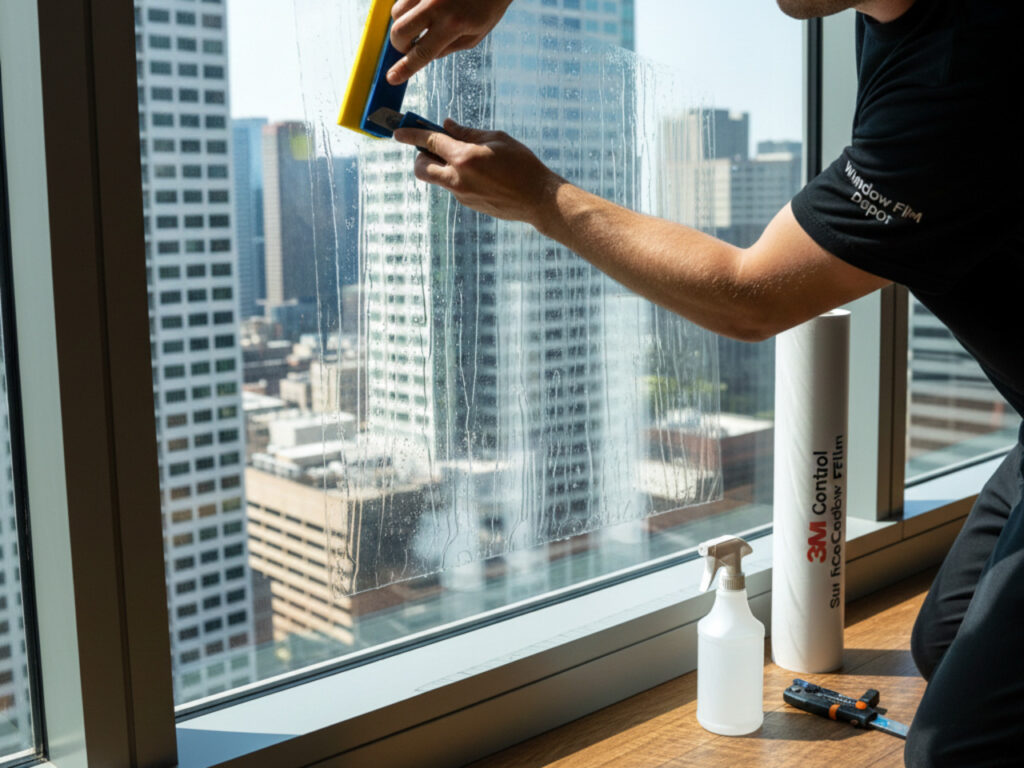
For project managers tasked with optimizing budgets and delivering exceptional value, the consideration of uv window film protection often surfaces as a perceived additional cost. However, framing this decision purely as an expense overlooks its foundational role in asset preservation and long-term client satisfaction. The challenge lies in articulating the tangible return on investment for proactive UV mitigation, demonstrating that neglecting this aspect can lead to far greater financial burdens and compromised asset integrity over the lifespan of a commercial property. It requires a shift in perspective from immediate outlay to strategic risk management and value enhancement.
Reframing UV Protection: From Expense to Strategic Asset Preservation
Effective UV protection should be viewed not as an optional add-on, but as a critical component of a comprehensive asset preservation strategy. Investing in superior UV mitigation technology directly safeguards the integrity and longevity of high-value interior assets. This includes:
- Furniture and Fixtures: Preventing premature fading, cracking, and material breakdown.
- Art and Collectibles: Preserving original colors and structural integrity, especially crucial in galleries or high-end commercial spaces.
- Flooring: Protecting carpets, hardwood, and other flooring materials from discoloration and accelerated wear.
- Merchandise Displays: Maintaining the visual appeal and saleability of products in retail environments.
Beyond material assets, advanced UV protection contributes to occupant well-being, reducing liability and enhancing overall comfort and space appeal. This strategic approach ensures that initial construction investments maintain aesthetic and functional value, solidifying client trust and property reputation.
The Insufficiency of Standard Glazing: A Critical Assessment for Commercial Properties
The Reality of Standard Glass: Limited UV Filtration and its Immediate Impact
A common misconception is that standard window glazing inherently provides adequate UV protection on commercial windows. In reality, clear annealed glass, widely used in commercial construction, offers only partial filtration of harmful solar rays. While it effectively blocks most UVB radiation, its performance against pervasive UVA rays is significantly less robust.
Significant UVA transmission is the primary culprit behind accelerated fading of fabrics and degradation of interior artwork pigments. Over months and years, this constant bombardment leads to irreversible damage, requiring costly replacements of damaged commercial assets. This material degradation ultimately diminishes both the aesthetic appeal and the long-term financial value of property investments.
The Myth of “Tinted” Windows: Understanding Basic Glazing Limitations
The presence of factory-tinted windows can further mislead property owners and project managers into believing their assets are fully protected. While window tinting effectively reduces visible light transmission and often heat gain, its primary function is not comprehensive UV blockade.
Many standard tinted products achieve solar control through dyes that absorb visible light yet permit harmful UVA radiation. While rooms might appear cooler or dimmer, insidious damage from UV radiation continues unabated within the interior space. This exposure highlights the limitations of relying on basic glazing specifications for critical long-term asset protection.
Calculating the Hidden Costs: When “Good Enough” Isn’t for Asset Protection
Opting for “good enough” standard glazing or basic tinting in commercial projects invariably leads to significant hidden costs that far outweigh the initial savings on specialized UV protection. These costs are often not budgeted for and accrue silently over time:
- Premature Asset Depreciation
- Replacing faded carpets, drapes, and upholstery well before their expected lifespan.
- Refurbishing or replacing discolored wood finishes, vinyl, or laminate surfaces.
- Devaluing or requiring costly restoration of fine art and sensitive displays.
- Reduced Employee Productivity and Comfort
- Increased glare leading to eye strain and discomfort for occupants.
- Higher energy consumption if inefficient windows lead to excessive heat gain.
- Reputational Damage
- Visible signs of deterioration in a commercial space reflect poorly on the property owner and management.
- Compromised interior aesthetics can deter clients or tenants.
For a project manager, these hidden costs directly impact a client’s long-term operational budget and asset value. Relying on standard glazing is not a cost-saving measure but rather a deferral of inevitable, greater expenses down the line, fundamentally undermining the objective of preserving commercial asset value.
Quantifying the Loss: The Economic Repercussions of Unmitigated UV Damage
Unprotected commercial interiors face a quantifiable degradation from solar radiation, primarily ultraviolet (UV) light. This damage is not merely aesthetic. It translates directly into significant financial liabilities through premature material failure, asset devaluation, and potential health and legal complications. Understanding these repercussions is crucial for any project manager evaluating long-term operational costs and property value.
Premature Deterioration: Impact on Interior Furnishings, Retail Displays, and Art
The cumulative effect of UV exposure accelerates the degradation of organic and synthetic materials. Within a commercial environment, this manifests as irreversible fading, embrittlement, and discoloration across a broad spectrum of assets. High-value interior furnishings, such as executive office furniture, upholstered seating, and custom draperies, lose their original vibrancy and structural integrity years before their expected lifespan. This necessitates costly early replacement cycles, impacting operational budgets.
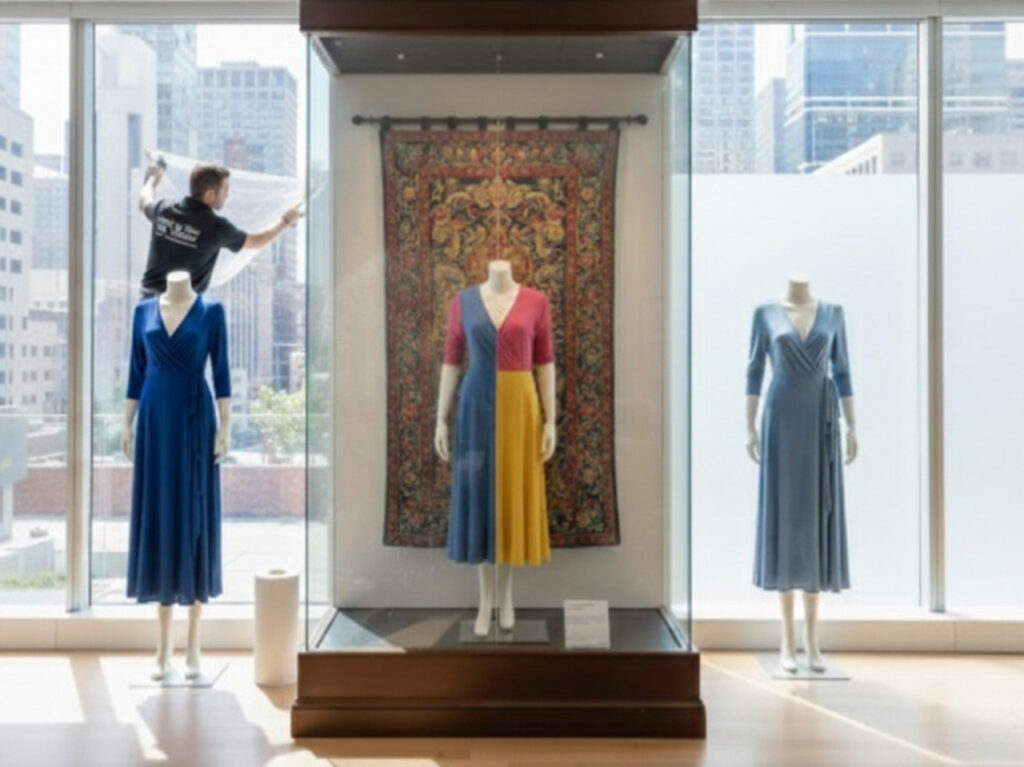
Retail environments are particularly susceptible, as the efficacy of merchandise displays is directly tied to their visual appeal. Faded apparel, discolored packaging, or damaged product aesthetics significantly diminish perceived value and sales potential. Similarly, art galleries, museums, and high-end residential properties with valuable collections face direct threats to their assets. The unique pigments and materials in artwork are highly vulnerable to UV-induced chemical changes, leading to irreparable damage and a substantial loss in intrinsic and monetary value. Project specifications that overlook this protection are implicitly signing off on accelerated depreciation for these critical interior elements.
Devaluation of Assets: Long-Term Consequences for Property Value and Tenant Satisfaction
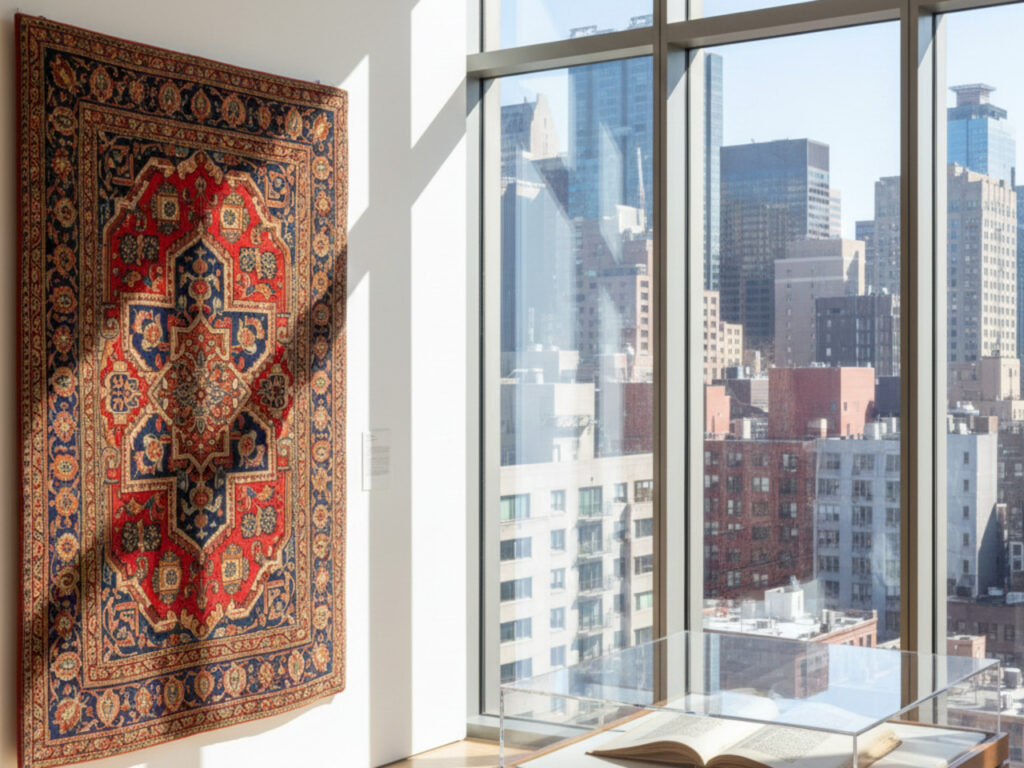
Beyond direct costs of replacing damaged goods, unmitigated UV exposure profoundly impacts the overall valuation of commercial property. Visible signs of sun damage, such as bleached wooden floors, detract significantly from property appeal during appraisals or sales. These imperfections suggest a lack of preventative maintenance and lead to downward adjustments in final property value.
For leasehold properties, maintaining pristine interior conditions is paramount for tenant acquisition and retention. Tenants, particularly in high-end office spaces or retail fronts, expect their leased environment to protect their investments and maintain a professional appearance. Commercial buildings exhibiting widespread UV damage may struggle to attract premium tenants or command competitive rental rates. This translates to reduced occupancy rates, increased turnover, and ultimately, a diminished return on investment for property owners. Proactively specifying UV protection safeguards the aesthetic integrity and ensures long-term tenant satisfaction, directly contributing to sustained asset value.
Health and Liability Concerns: Protecting Occupants and Mitigating Risk
While often overlooked, the health implications of unmitigated UV exposure represent a significant concern for building owners and managers. Prolonged exposure to UVA and UVB radiation contributes to skin damage, premature aging, and increased skin cancer risks. In environments like offices or healthcare facilities, occupants spend extended periods near windows, making this a health consideration.
Failing to address this known environmental hazard can lead to potential liability issues for property owners. Building codes and industry best practices increasingly emphasize occupant well-being. A proactive approach to UV mitigation, therefore, serves as a critical risk management strategy. It protects the health of employees, clients, and visitors, reduces the potential for health-related complaints or lawsuits, and demonstrates a commitment to creating a safe and comfortable interior environment. Specifying advanced uv protection on windows is not just about asset preservation. It is about due diligence in occupant care.
The Engineering Solution: Unpacking 3M Professional-Grade UV Protection Film
Addressing multifaceted challenges posed by solar UV radiation requires an engineered solution that surpasses the standard capabilities of architectural glass. Professional-grade 3M UV protection film represents a scientifically developed material designed to provide comprehensive, long-term protection for assets. This technology is an indispensable specification for high-value commercial projects focusing on performance and interior preservation
Advanced Science: How 3M Film Achieves Near-Total UV Rejection (99.9% UVA/UVB)
The efficacy of 3M UV protection film stems from its sophisticated material science, specifically engineered to intercept and absorb UV radiation across the entire harmful spectrum. Unlike standard glass, which offers only partial UV attenuation, 3M Window Films incorporate proprietary UV inhibitors and absorbers within their core layers. These chemical compounds are formulated to selectively block electromagnetic wavelengths corresponding to UVA (320-400 nm) and UVB (290-320 nm) radiation.
The result is a documented performance metric of up to 99.9% rejection of both UVA and UVB rays. This near-total blockage is not achieved by simple window tinting, which can reduce visible light but often allows significant UV penetration. Instead, it relies on a precise molecular structure that acts as an invisible, highly effective barrier. This scientific achievement ensures that the primary catalyst for fading, degradation, and health concerns is virtually eliminated at the point of entry.
Beyond Basic Blocking: The Multi-Layered Approach to Solar Control and Fade Protection
3M’s engineering extends beyond mere UV rejection. Their professional-grade films are constructed using a multi-layered optical technology that provides a holistic approach to solar control and fade protection. These films are not monolithic sheets but rather intricate composites designed for specific performance characteristics. Each layer contributes to the overall efficacy:
- UV Filtering Layers: The primary components responsible for the 99.9% UV rejection.
- Heat Rejection Layers: Many 3M Window Films incorporate additional technologies, such as spectrally selective coatings or nano-particle layers, to reflect or absorb solar heat. This contributes to energy efficiency by reducing cooling loads, providing a secondary ROI.
- Fade Protection Additives: While UV is the leading cause of fading, other factors like visible light and heat also contribute. Certain 3M films are designed to mitigate these additional factors, offering a more complete fade protection window film solution.
- Adhesive Systems: Advanced adhesive technologies ensure a durable bond to the glass, resisting bubbling, peeling, and delamination over time.
This integrated design ensures that while UV is the primary target, the film also contributes to occupant comfort, energy conservation, and extended lifespan for a broader range of interior assets.
Durability and Longevity: The Performance Promise of 3M Commercial UV Window Film
The investment in professional-grade film is justified by its sustained performance and durability under commercial conditions. 3M films are engineered for longevity, typically featuring scratch-resistant coatings and advanced adhesive systems that withstand the rigors of daily operation and cleaning. Unlike temporary solutions, these films are designed to remain effective for many years, often backed by comprehensive manufacturer warranties that cover common issues like bubbling, peeling, crazing, and demetallization.
This commitment to performance directly addresses the project manager’s need for a solution with a tangible return on investment. Initial installation costs are offset by reduced expenses related to premature replacement of furnishings and sustained property value. The proven durability of commercial film ensures protection performs reliably throughout the building’s entire lifecycle. This makes the product a definitive engineering solution rather than a recurring or expensive maintenance item for building owners.
Strategic Specification: Comparing 3M UV Film with Low-E Glazing for Renovation Projects
When approaching renovation projects, project managers often evaluate various glazing solutions. Low-emissivity (Low-E) glass is a common consideration, primarily for its energy efficiency benefits. However, a critical distinction must be made between broad energy performance and targeted UV protection, particularly when safeguarding valuable commercial assets. Understanding where 3M UV protection film fits into this equation is crucial for comprehensive project planning and long-term asset preservation.
Complementary, Not Competitive: Understanding the Roles of Film and Low-E Glass
It is a common misconception that Low-E glass provides sufficient UV protection for sensitive commercial interiors. In reality, Low-E coatings are engineered primarily to mitigate solar heat gain and heat loss, thereby improving a building’s thermal performance and reducing HVAC load. While some Low-E glass formulations offer incidental reduction in UV radiation, their core design objective is not comprehensive UV elimination.
Professional-grade 3M films use advanced absorbers to block virtually all harmful UV rays, often exceeding 99% total rejection. This targeted performance means that Low-E glass and 3M home window film are not mutually exclusive or competitive products. Rather, they serve complementary functions, allowing buildings to benefit from both energy efficiency and near-total UV protection. Relying solely on Low-E glass for UV-sensitive environments constitutes an unacceptable risk to valuable interiors and merchandise.
Cost-Effectiveness and Implementation: Project Flexibility and Budgetary Advantages
For renovation projects, the financial and logistical implications of glazing upgrades are paramount. Replacing existing windows with new Low-E units is often a high-cost, labor-intensive, and disruptive undertaking. It involves significant material costs, demolition, installation labor, and potential downtime for affected spaces.
Applying 3M UV protection film to existing windows offers a vastly more cost-effective and efficient solution. This retrofit application bypasses the need for full window replacement, drastically reducing material and labor expenses. Installation is typically quicker, less invasive, and results in minimal disruption to ongoing operations, a significant advantage for commercial properties where downtime translates directly to lost revenue. From a project management perspective, this budgetary flexibility and streamlined implementation allow for essential uv protection on windows to be achieved within tighter constraints, delivering critical ROI by protecting assets without necessitating a prohibitive capital expenditure.
Need More Info?
The Window Film Depot team is happy to help.
Performance Metrics: Targeted UV Protection vs. Broader Energy Efficiency Goals
Evaluating glazing performance requires an understanding of specific metrics. Low-E glass is typically assessed by its U-factor (measuring heat transfer) and Solar Heat Gain Coefficient (SHGC, measuring solar radiation allowed into a building). While a lower SHGC implies some reduction in solar energy, it does not directly correlate to high UV rejection. Many Low-E products, even those with good SHGC values, may still transmit a significant portion of the UV spectrum that causes fading and damage.
Conversely, the primary performance metric for 3M window film is its specific Ultraviolet Light Rejected percentage. This figure precisely quantifies the film’s ability to block harmful radiation from entering any interior building space. Specialized 3M films are engineered to achieve UV rejection levels that far exceed incidental blocking from standard glass. When the project goal includes safeguarding interiors or occupants, specifying dedicated UV film is the only guaranteed method. This distinction ensures project managers meet precise client requirements for asset preservation and targeted high-performance protection.
Defining Excellence: Key Specifications for Selecting the Right Commercial UV Protection Film
Selecting an appropriate UV protection film for commercial applications extends beyond simply choosing a “UV film.” A nuanced understanding of key performance specifications is vital to ensure the film meets the specific demands of the project, delivers on its promise of protection, and provides lasting value.
Understanding UV Transmission Rates: A Non-Negotiable Performance Metric
The most critical specification for any commercial UV window film is its UV Transmission Rate, often expressed as the percentage of ultraviolet light rejected. For high-value commercial assets and sensitive environments, an effective UV film should block at least 99% of both UVA and UVB rays. Films that block less than this threshold may still allow enough UV radiation to pass through and cause noticeable fading and degradation over time.
Project managers must scrutinize product data sheets for precise UV rejection percentages, ensuring the selected film offers comprehensive protection against the entire UV spectrum responsible for material deterioration. A film claiming “significant UV reduction” without precise percentage data is inadequate for critical applications. Specifying a 3M UV protection film with a proven rejection rate of 99% or higher provides a quantifiable, non-negotiable benchmark for protecting assets and mitigating long-term liability.
Optical Clarity and Aesthetic Impact: Preserving Views While Protecting Assets
While uv protection on windows is paramount, preserving optical clarity and the aesthetic integrity of the building’s facade and interior views is equally important for commercial properties. Obtrusive tinting or haze can detract from natural light, alter interior colors, and negatively impact the visual appeal of merchandise displays or architectural features.
High-quality 3M UV protection films are engineered to offer exceptional UV rejection with minimal impact on visible light transmission or optical clarity. Advanced film technologies achieve near-invisible protection, allowing occupants to enjoy uninterrupted views and abundant natural light without compromising asset safety. This balance ensures that the investment in UV protection enhances the property’s longevity and preserves its intended design and ambiance, a key consideration for project managers balancing protection with visual quality.
Warranty and Manufacturer Support: Ensuring Long-Term Investment Protection
The long-term viability and performance of any building material are critical considerations for project managers. For UV protection film, a robust warranty from a reputable manufacturer is indispensable. A comprehensive commercial warranty should cover common failure points such as peeling, bubbling, cracking, and significant discoloration for a specified period, typically several years.
Beyond the warranty itself, the reputation and support of the manufacturer are paramount. Collaborating with an industry leader like 3M provides assurance of consistent product quality, extensive research and development backing, and reliable technical support. This partnership minimizes project risk, ensures that the specified film delivers its performance benefits for its intended lifespan, and protects the client’s investment against unforeseen issues, offering peace of mind for project managers and building owners alike.
Seamless Integration: The Project Management Advantage of a Specialized Installation Partner
The efficacy of professional-grade 3M UV protection film extends beyond its inherent material specifications. It is profoundly influenced by its application. For project managers overseeing high-value commercial properties, selecting a specialized installation partner is not merely a logistical choice but a strategic decision that directly impacts project outcomes, risk profiles, and the ultimate return on investment for asset protection.
Expertise in Large-Scale Commercial Projects: Mitigating Risk and Ensuring Quality
Large-scale commercial projects present unique challenges, ranging from complex scheduling and stakeholder coordination to stringent safety protocols and exacting performance standards. A specialized 3M film installation partner brings a proven track record in navigating these intricacies. Their expertise encompasses not only the precise technical application of advanced film technologies across vast areas but also the logistical acumen to execute projects efficiently without disrupting ongoing operations. This specialized knowledge significantly mitigates common project risks such as installation delays, material waste, or quality control issues. By ensuring optimal film adhesion, uniform coverage, and adherence to manufacturer specifications, these experts guarantee the fade protection window film performs as intended, providing the specified UV rejection rates and preserving the aesthetics and integrity of the glazing system. This meticulous approach safeguards the client’s investment and upholds the project manager’s commitment to delivering a high-quality, durable solution.
National Reach and Consistent Service: Reliability for Multi-Location Deployments
For organizations managing portfolios of properties across diverse geographies, consistency in product application and service delivery is paramount. A specialized installation partner with a national presence offers a distinct advantage, providing standardized processes, uniform quality control, and consistent pricing across all locations. This national reach simplifies procurement and project management for multi-location deployments, eliminating the need to vet and manage multiple local vendors. Project managers can rely on a single, trusted entity to deliver the same high standard of 3M UV protection film installation, ensuring that every facility benefits from identical levels of UV protection and asset preservation. This consistency not only streamlines project execution but also reinforces brand standards and reduces administrative overhead, translating into tangible efficiency gains and predictable outcomes across the entire portfolio.
Streamlined Process: From Consultation to Post-Installation Support
A comprehensive, streamlined process is critical for efficient project delivery. Specialized 3M Window Films partners offer an end-to-end solution designed to support project managers at every stage. This begins with expert consultation, where technical representatives assess specific project requirements, analyze existing glazing performance, and recommend the optimal 3M film product to meet both performance and aesthetic criteria.
The process typically includes:
- Detailed Site Surveys: Accurate measurements and assessments inform precise material ordering and installation planning.
- Customized Specification Development: Assistance in integrating film specifications directly into project documentation.
- Efficient Project Scheduling: Coordinated planning that minimizes disruption to building occupants and operations.
- Professional Installation: Certified technicians ensure meticulous application, adhering to stringent quality standards.
- Post-Installation Support and Warranty Management: Providing clear documentation, addressing any post-installation concerns, and facilitating warranty claims, thereby protecting the long-term investment.
This integrated approach reduces the burden on project managers, allowing them to focus on broader project objectives while ensuring the UV protection component is executed flawlessly and supported long after completion.
Conclusion: Protecting Client Assets, Enhancing Value, and Mitigating Risk
The decision to specify professional-grade 3M UV protection film transcends a mere aesthetic or comfort upgrade. It represents a critical strategic investment in asset preservation, risk mitigation, and long-term property value. Relying on standard window glazing for adequate uv protection on windows exposes high-value commercial assets to irreversible damage, compromising their lifespan and diminishing their intrinsic worth.
Reaffirming the Thesis: 3M UV Film as an Essential Investment
The foundational premise remains unambiguous: standard windows are demonstrably insufficient for protecting high-value commercial assets against damaging solar radiation. Specifying professional-grade 3M UV protection film is a non-negotiable component of modern building design and comprehensive property renovation.
This investment prevents interior degradation, preserves material structural integrity, and mitigates potential health risks for all building occupants. Protecting these surfaces effectively reduces long-term financial liabilities while simultaneously safeguarding the client’s significant capital investment over time. The financial implications of premature asset deterioration far outweigh the initial cost of installing proactive and durable window protection.
Actionable Insights for Project Managers: Specifying with Confidence
For project managers tasked with delivering superior outcomes and maximizing client ROI, integrating 3M UV protection film into project specifications is a prudent and essential practice. It requires a proactive stance, moving beyond conventional glazing solutions to embrace advanced material science.
Key actionable insights include:
- Early Specification: Incorporate 3M UV protection film into the project’s design and budget from the earliest stages.
- Education and Justification: Articulate the clear, quantifiable benefits of 3M film to clients, framing it as a critical asset protection strategy rather than an expense. Highlight the ROI through prevented damage, extended asset lifespan, and reduced liability.
- Partner Selection: Engage a specialized 3M film installation partner with a proven track record in commercial projects to ensure expert consultation, precise application, and reliable post-installation support.
- Performance Metrics: Refer to 3M’s specific performance data for UV rejection and heat reduction to substantiate recommendations, aligning with a data-driven project management approach.
By championing this advanced solution, project managers demonstrate leadership in delivering comprehensive, future-proof facilities.
The Partnership for Protection: Leveraging Expert Resources
Ultimately, successful implementation of 3M film on high-value commercial projects is best achieved through collaborative partnerships with expert resources. Leveraging the technical knowledge and logistical capabilities of specialized providers ensures projects benefit from cutting-edge technology and execution. This partnership extends beyond transactions, offering ongoing support and peace of mind that client assets are properly safeguarded. By choosing this path, project managers empower clients to maintain the long-term viability and value of commercial properties.
Frequently Asked Questions
Why is standard window glass insufficient for UV protection in commercial buildings?
Standard window glass, while blocking most UVB rays, allows a significant amount of harmful UVA radiation to penetrate. UVA rays are a primary cause of fading, material degradation, and health concerns, meaning standard glazing offers only partial protection and is inadequate for preserving valuable commercial assets and ensuring occupant well-being.
What are the hidden costs of neglecting UV protection on commercial windows?
Neglecting proper UV protection leads to high hidden costs, including premature deterioration and replacement of interior furnishings, art, and retail merchandise. It can also result in property devaluation due to visible sun damage, reduced tenant satisfaction, and potential health and liability concerns for occupants, all of which ultimately impact a property’s long-term financial viability.
How does 3M UV protection film compare to Low-E glass for commercial properties?
Low-E glass primarily focuses on energy efficiency by controlling heat transfer. While it offers some incidental UV reduction, its main purpose is not comprehensive UV protection. 3M UV protection film, however, is specifically engineered to block over 99% of UVA and UVB rays. These technologies are complementary, with 3M film providing targeted asset protection that Low-E glass alone cannot achieve.
What key specifications should I look for when selecting commercial UV window film?
When selecting commercial UV window film, prioritize a film with a proven UV rejection rate of 99% or higher for both UVA and UVB. Also, consider optical clarity to maintain views and natural light, and verify the manufacturer’s comprehensive warranty and support for long-term investment protection.
How does a specialized 3M film installer add value to a commercial project?
A specialized 3M film installer brings expertise in large-scale commercial projects, ensuring precise application and quality assurance. They offer a national reach for consistent service across multiple locations and provide a streamlined process from initial consultation and customized specification to professional installation and post-installation support. This mitigates project risks and ensures optimal performance and longevity of the UV protection solution.