Table of Contents:
- Why More Homeowners Are Choosing Tinted Glass Windows
- Key Benefits of Tinted House Windows
- Is Tinting House Windows Worth It?
- Understanding Types of Home Window Films
- Room-by-Room Guide
- Costs, Energy Savings, and ROI
- Professional Installation vs. DIY
- Maintenance, Lifespan, and Care
- FAQs About Tinted Glass Windows for Homes
- Why Choose Our Team
- Schedule Your Consultation
Introduction: Why More Homeowners Are Choosing Tinted Glass Windows
Energy bills keep climbing, summers keep getting hotter, and regular clear windows let nearly all infrared and UV heat pass through into your living spaces. If you have house windows built before modern low-E glazing became standard around 2015, you are likely paying more than you need to cool your home.
Home window tinting means applying a high-performance film to your existing glass, not replacing it. A single upgrade can deliver energy efficiency improvements, glare reduction, UV protection, daytime privacy, and improved curb appeal. This guide covers everything you need to know: film types, costs, room-by-room recommendations, professional installation details, and whether house window tint is a smart investment for your situation.
Key Benefits of Tinted House Windows
Tinted glass windows offer both aesthetic appeal and environmental control in a single upgrade. Tinted windows can reduce energy costs significantly by blocking solar heat before it enters your home. They also improve indoor temperature consistency, so rooms that used to swing between hot and cold stay comfortable throughout the day.
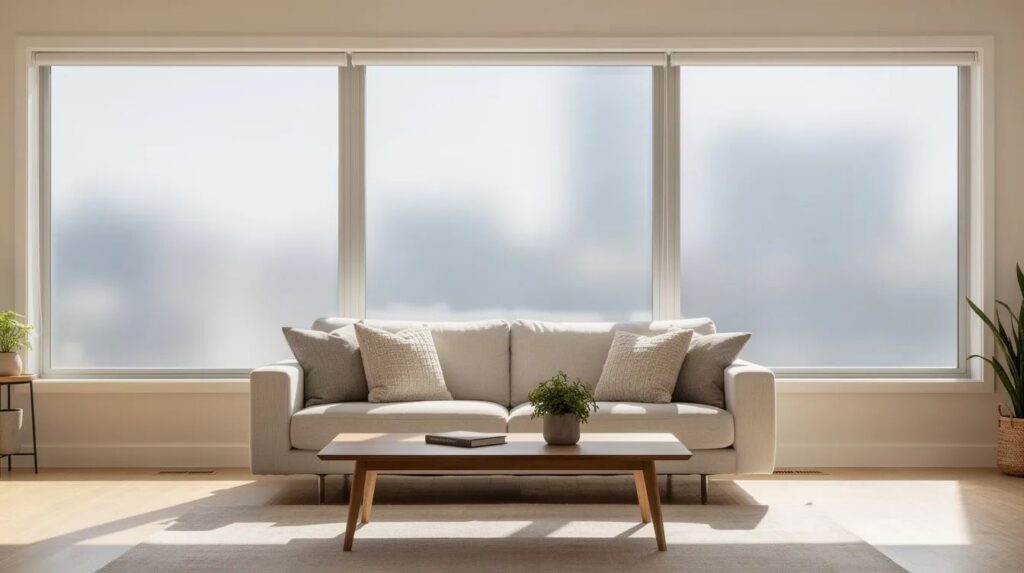
Here is what a quality window film delivers:
- Energy savings. Tinted windows block solar heat gain by 40–70% depending on film type and orientation. Window tinting can lower air conditioning costs in summer, and tinted windows help retain heat during the colder months by adding an insulating layer.
- UV protection. Solar window films can block up to 99.9% of UV rays. Tinted windows block up to 99% of harmful UV rays that fade furniture, hardwood floors, and artwork, extending their life by many years.
- Glare reduction. Tinting cuts down on glare from sunlight, reducing eyestrain indoors. You can reduce glare on your computer screen or TV without closing the blinds and turning your room into a dark cave.
- Privacy. Darker or reflective tints enhance privacy during the daytime, and tinted windows make it harder to see inside homes from the street. You keep your views out while limiting outside visibility during the day.
- Curb appeal and aesthetics. Tinted glass provides a sleek, modern exterior look for homes. A consistent film across all house windows can make mismatched panes look uniform and attractive.
- Safety and security. Security films help hold glass together during impacts from storms, accidents, or attempted break-ins, reducing the risk of injury from glass shards and helping protect against forced entry during natural disasters.
Tinted windows enhance privacy by limiting visibility from outside while still allowing natural light into your home’s interior.
Pros and Cons: Is Tinting House Windows Worth It?
House window tint is not a universal solution for every climate, window type, or preference. Here is a balanced view.
Pros:
- Improving energy efficiency and lowering energy bills without replacing windows
- Noticeable comfort in west- and south-facing rooms during the warmer months
- Protection from harmful UV rays that fade furniture, flooring, and fabrics
- Daytime privacy without sacrificing views or natural light
- Extends the useful life of older windows as an alternative to full replacement
Cons:
- Tinting can reduce visibility at night when interior lights are on and the film is darker or reflective
- Not all window films are compatible with every type of glass, particularly certain types of insulated or tempered units
- Window tinting can void warranties from some window manufacturers if unauthorized film is applied
- In colder months and low-sun regions, overly strong heat rejection can reduce helpful passive solar gain, increasing heating demand
When is tinting house windows worth it? For homes with older double-pane windows without low-E coatings, high cooling costs, strong afternoon sun exposure, fading interiors, or a desire for privacy without heavy curtains or blinds, window tinting is typically a smart investment.
Understanding Types of Home Window Films
Window films can be categorized into three types: solar, privacy, and security. Each technology is tuned for specific performance goals.
Solar control films focus on heat rejection and glare reduction. They maintain how much light enters a room while blocking infrared energy. Visible light transmission ranges from about 20% to 70%, and the solar heat gain coefficient measures how much solar heat passes through glass – lower numbers mean less heat indoors. Gray tint offers glare control and efficient solar heat reduction. Low-E tinted glass combines a solar-control tint with a metallic layer for enhanced performance. Ceramic and nano-ceramic films deliver high infrared rejection (60–98%) with minimal reflectivity and no interference with electronics.
Privacy films can be frosted, reflective, or decorative. Frosted films provide constant privacy regardless of lighting conditions. Reflective glass features a microscopic, metallic reflective coating that creates a mirror effect during the day. Darker or reflective tints can create a one-way mirror effect in bright light. Privacy films can be used to obscure direct sightlines while allowing light into the room. Decorative films enhance privacy while adding style to bathrooms, entryways, and doors. Privacy films can also block up to 99% of UV rays.
Security and safety films are thicker constructions that help keep glass in place during breakage – useful for storm protection, preventing break-ins, and reducing risk from shattered glass. Many can be combined with tint for dual benefits.
Choosing the right window film depends on your goals: energy savings, privacy, security, or design. A north-facing home office needs different film than a south-facing two-story foyer.
Room-by-Room Guide: Choosing the Right Tint for Different Living Spaces
Not every room needs the same film. Customizing by orientation and use leads to a perfect fit for comfort and aesthetics.
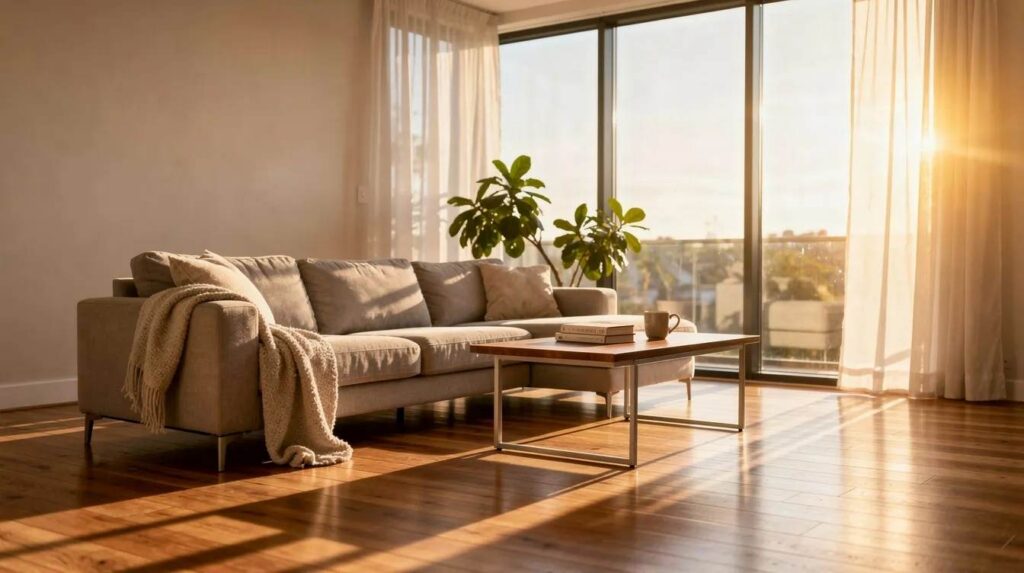
- Living rooms and family rooms. Choose films that reduce glare and heat while allowing natural light at different levels. Medium light transmission with low reflectivity preserves views and an open feel.
- Bedrooms and nurseries. Prioritize privacy and soft light. Pair light-control films with blackout curtains for complete nighttime darkness when needed.
- Bathrooms. Frosted or patterned privacy films allow daylight while fully blocking views – ideal for ground-level or street-facing windows and glass doors.
- Home offices. Glare reduction films prevent screen reflections and eyestrain without making the room feel dim, especially on east- or west-facing windows.
- Kitchens and dining areas. Control heat near large glass doors and breakfast nooks with films that prioritize clear views and handle frequent cleaning.
- Street-facing and corner windows. Daytime privacy films reduce visibility from sidewalks and neighboring houses while maintaining curb appeal and a consistent exterior look across all windows.
Costs, Energy Savings, and Return on Investment
Adding a high-performance film to existing windows is cost-effective compared with full window replacement. In 2026, professional installation typically runs $7–$15 per square foot for quality ceramic or spectrally selective films, with total project cost for many homeowners landing around $600–$650 depending on window count and size. While high installation costs can be a financial hurdle for larger homes, window tinting can reduce energy costs by insulating windows and cutting cooling loads.
In hot or sunny regions, many homes see meaningful energy savings within 3–5 cooling seasons. Factors that impact cost include total window area, glass type, access challenges like second stories, and whether security-grade films are chosen. Compared to replacing all windows – which involves framing, labor, permits, and structural considerations – window film delivers many of the same energy efficiency and comfort benefits at a fraction of the money.
Non-monetary returns matter too: year-round comfort, protection from fading, better usability of bright rooms, and additional benefits to your home’s energy efficiency add up over a few years.
Professional Installation vs. DIY Home Window Tinting
While DIY kits exist at hardware stores, there is a clear gap between DIY results and what a professional installer delivers.
Professional installation involves onsite evaluation of glass types, selection of compatible films, precise cutting, dust-controlled application, and careful edge finishing for a nearly invisible result. Not all films are compatible with every type of glass, and trained installers specifically test for thermal stress risk in insulated units. Professional installation prevents bubbling and peeling issues and often comes with warranties covering both product and workmanship.
DIY installation commonly results in bubbling, peeling, trapped dust, and mismatched shades from one window to another. Poor installation can lead to bubbling or peeling within months, and DIY installation can lead to films that fail within a few years, wasting both material and money. When energy efficiency, appearance, and warranty protection are priorities, a professional consultation is the right call – especially for large glass areas and upper stories where having film installed correctly makes all the difference.
Maintenance, Lifespan, and Everyday Care
Home window tinting can last 10 to 20 years with proper care, depending on film quality and sun exposure. After installation, expect a cure period of several days to a few weeks when small haziness or water pockets may appear but gradually clear.
Cleaning is straightforward:
- Use soft microfiber cloths and mild non-ammonia glass cleaners
- Avoid abrasive pads, razor blades, or harsh chemicals
- With proper care, premium films resist peeling and fading for their full rated lifespan
Signs film needs replacement include noticeable discoloration, edge lifting, persistent bubbles, or scratching that affects clarity or performance.
FAQs About Tinted Glass Windows for Homes
How much can home window tinting really lower my energy bills?
Savings depend on climate, window orientation, glass type, and HVAC system. Well-chosen films can reduce solar heat gain through windows by 40–70%, translating to noticeable reductions in energy bills, especially in hot or sunny regions. Independent studies and utility programs recognize window film as a cost-effective energy efficiency upgrade.
Will tinted house windows make my home too dark?
Many modern films are designed to be nearly invisible or lightly tinted while still blocking a high percentage of heat and UV. You control how much light enters by choosing different levels of visible light transmission. Work with an installer to view samples on actual glass before committing.
Do privacy films work at night as well as during the day?
Reflective films create a one-way mirror effect during daylight hours but lose effectiveness at night when interior lights are brighter than outside. Frosted films provide constant privacy regardless of lighting. For full nighttime privacy in bedrooms and bathrooms, pair films with curtains or shades to prevent silhouettes.
Can window tint damage my existing house windows or void the warranty?
Using the wrong film on certain insulated or tempered glass can cause thermal stress, which is why professional assessment and right film selection matter. Check your original window documentation, and choose films from reputable manufacturers that include compatible glass warranties.
How long does professional home window tinting last?
High-quality residential films typically last 10–20 years, with south- and west-facing windows sometimes aging faster. Many products carry manufacturer-backed warranties covering peeling, bubbling, and significant discoloration when installed by authorized professionals.
Is home window tinting legal in my area?
Most local tint laws focus on automotive glass. However, legal restrictions may limit tint darkness in some areas, and certain homeowners’ associations or municipalities may have rules about reflectivity or exterior appearance. Professional installers can help you select films that meet both performance goals and neighborhood standards.
Will window tint affect my ability to open, clean, or replace my windows later?
Films are applied to the interior surface of the glass and do not interfere with normal window operation – tilting, sliding, or opening casements works exactly as before. If windows are later replaced, film can be removed with proper techniques, and new glass can be re-tinted with updated products.
Why Choose Our Team for Home Window Tinting
Window Film Depot has been delivering window film solutions since 1992. Our team brings decades of hands-on expertise with solar control, privacy films, security glazing, and decorative films across homes, schools, government buildings, and retail properties nationwide.
We install high-performance 3M solar control products and security glazing solutions, recommending the right combination for your energy efficiency, privacy, or safety goals. Our process is turnkey: consultation, film selection, glass compatibility checks, professional installation, and post-install support. Every project is backed by trained installers, manufacturer guidelines, and written warranties for both product and workmanship.
Next Steps: Schedule Your Home Window Tinting Consultation
Rising energy costs and intensifying sun exposure are not slowing down. Window film is one of the fastest, most practical ways to save money, protect your home’s interior, and improve comfort without replacing windows.
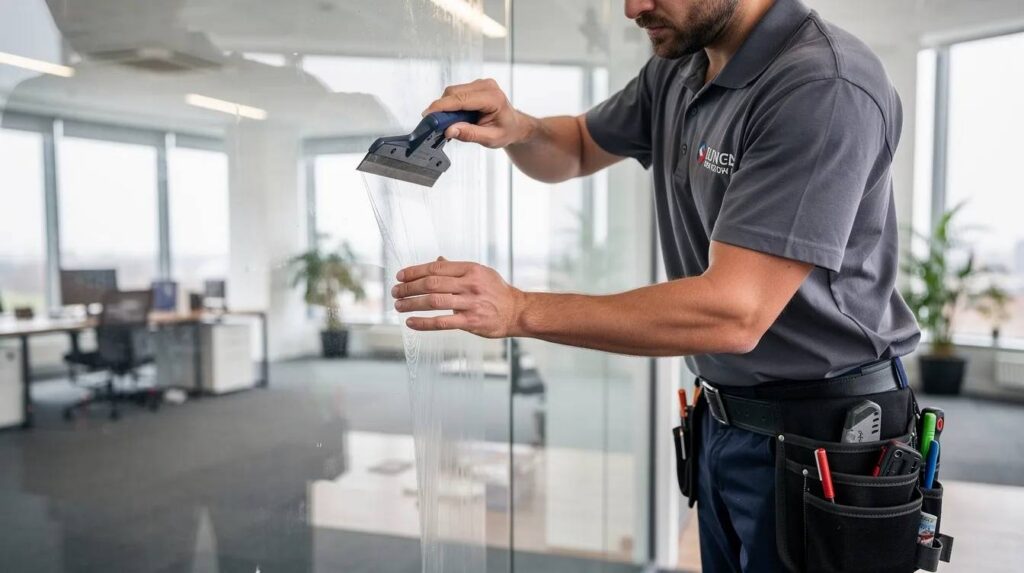
Contact us to request a site visit or virtual consultation. We will evaluate your house windows, discuss problem rooms, review film samples tailored to your climate and architecture, and provide a customized quote. Whether you are a homeowner, facility manager, or building owner managing many options across multiple properties, upgrading to tinted glass windows is a proven way to enhance your living spaces, protect what matters, and boost your home’s energy efficiency for years to come.