Table of Contents:
- Need One-Way Window Film Nearby Right Now?
- How One-Way Window Film Works (And Its Daytime Privacy Limits)
- Types of One-Way Privacy Window Films You’ll See Nearby
- Pros and Cons of One-Way Mirror Glass
- Pros and Cons of One-Way Mirror Film and One-Way Window Film
- Best Use Cases for One Way Glass, Mirror Glass, and Mirror Film
- Lighting and Privacy: Day vs Night with One Way Mirrors
- How Professional One Way Window Film Installation Works
- Common Mistakes and Misconceptions About One Way Mirrors
- FAQs About One Way Glass Windows and Mirror Film
- Why Choose a Professional Partner for One Way Glass and Mirror Film
- Next Steps: Plan Your One Way Glass Window or Mirror Film Project
Need One Way Window Film Nearby Right Now?
If you manage a street-facing office, run a retail store with floor-to-ceiling glass, or live in a ground-floor apartment where pedestrians can see inside, you already know why people search for one-way window film nearby. The need is usually urgent: a new tenant moves in, a building changes use, or the sun hits a conference room wall at the wrong angle, and everyone inside feels exposed.
One way window film provides daytime privacy is by turning the exterior side of your glass into a mirror-like surface. It allows visibility from the inside to the outside while blocking the view of people passing by during daylight hours. For larger commercial or multi-story projects, local professional installation is faster and more reliable than a DIY approach; a skilled crew can survey your glass, recommend the right privacy window film, and complete the job within days of your first call.
This article covers how the film works, the types you will find from nearby suppliers, realistic 2026 costs, what to ask installers, and common mistakes that waste money.
How One-Way Window Film Works (And Its Daytime Privacy Limits)
The one-way effect relies on relative light intensity between the two sides of the glass. Reflective metallic or ceramic-metallic coatings embedded in the film bounce light back toward the brighter side. During a sunny afternoon on a busy Atlanta sidewalk, someone looking at a storefront with reflective film sees their own reflection. Inside, employees see out clearly because interior light is dimmer than sunlight.
Visible Light Transmission (VLT) measures the percentage of natural light allowed through the film. Reflective one-way window films typically range from 5% to 35% VLT; lower numbers mean a stronger mirror effect and darker interior, while higher numbers preserve more indoor brightness.
One-way window film works best when installed on single-pane or compatible double-pane glass. But the privacy effect is not permanent around the clock. At night, when interior lights are on and the outside is dark, the mirror flips: people outside can see in, and occupants see their own reflection. Pair film with blinds or curtains for evening use in bedrooms, counseling rooms, or any space where after-hours privacy matters.
How does this compare to other privacy films? Frosted or translucent film provides true day-and-night privacy without reliance on outdoor light, but it blocks your view out entirely. Decorative films add patterns or gradients. One-way mirror film preserves the outward view while delivering strong daytime privacy; that trade-off is the core reason most commercial and residential buyers choose it.
Types of One-Way Privacy Window Films You’ll See Nearby
Local window film suppliers and installers typically stock several categories of one-way and privacy products. Here are the main types, along with their best use cases.
- Mirrored solar control one-way window film. The classic product: a silver or neutral-toned reflective film that combines daytime privacy with heat and glare reduction. VLT ranges from about 5% to 15%. Ideal for south- and west-facing glass on offices, schools, and retail stores in sun-heavy regions. Reflective films can simultaneously reduce solar heat and glare, enhancing comfort for occupants.
- Dual-reflective film. High reflectance on the exterior, lower reflectance on the interior. Dual-reflective film reduces the mirror-like effect at night for better visibility from inside after dark. A strong option when occupants want evening views without a full mirror staring back at them.
- Colored reflective tints. Available in bronze, gold, gray, and blue. These films offer moderate privacy and heat rejection while matching corporate branding or architectural palettes. Useful for storefronts and lobbies where appearance matters as much as function.
- Static cling one-way window film. Uses no adhesive; clings to glass with static charge. One-way window film is available in various sizes and lengths, including consumer products like Rabbitgoo window privacy film, which measures 17.5 x 78.5 inches. Best for renters, temporary setups, or small residential windows.
- Frosted and decorative privacy films. Frosted window films provide sun shading and privacy on both sides of the glass regardless of lighting conditions. They block the view entirely, so they work best on bathroom windows, interior partitions, and spaces where an outward view is unnecessary.
- Perforated window film. Perforated window film allows visibility from the inside while maintaining an opaque look from outside. Often used for storefront graphics where branding and privacy overlap.
- Low-reflectivity films for HOA-sensitive areas. Some neighborhoods restrict mirror finishes. These films use ceramic-metallic coatings that control heat and add mild privacy without the chrome-mirror look that triggers code complaints.
Large panels, high glass, and complex curves are better handled by commercial installers. Static cling and small decorative panels are realistic for DIY on standard-size residential windows.
Benefits of One-Way Window Film for Homes and Commercial Buildings
The value of one-way window film goes beyond blocking a sidewalk view. Here is what the product delivers in measurable terms for both home and commercial settings.
Privacy. During daylight, occupants maintain an outward view while people on sidewalks, in parking lots, and in neighboring buildings cannot see inside. This is particularly useful for ground-floor offices, healthcare exam rooms, and school counseling areas.
Energy performance. Window exposure affects the performance of heat-rejection films, particularly in sunny locations. Reflective films can reject 50% to 70% of solar heat gain depending on film grade, glass orientation, and climate. Window film can improve energy efficiency by reducing the load on air conditioning units; in sun-exposed commercial spaces, cooling energy consumption can drop by 10% to 20%. One way window film can also reduce fading from sunlight, protecting carpet, furniture, and merchandise.
UV blocking. The film blocks up to 99% of harmful ultraviolet rays, protecting furnishings from fading. For retail stores with merchandise displays or museums with light-sensitive exhibits, this alone justifies the cost.
Security. A mirrored exterior makes it harder for someone to case an office or store from outside. When layered with thicker safety film, the glass also retains fragments on impact rather than scattering shards inward.
Aesthetics. A uniform reflective finish can modernize a dated glass facade, replace mismatched blinds, and create visual consistency across a campus or retail chain. Businesses and institutions (schools, healthcare, government) often choose reflective privacy window film to meet both privacy and energy goals in one retrofit.
Static Cling vs Adhesive One-Way Film: Which Should You Choose?
Many shoppers searching for one-way window film nearby see “static cling” labels on online listings and wonder whether they should skip the installer. Here is how the two options compare.
Static cling one-way window film uses no adhesive. Static cling window films are easy to install and remove, and they are easy to install and reposition without adhesives. That makes them ideal for renters, seasonal applications, and small residential windows. Trade-offs: shorter lifespan, more prone to bubbling and edge lift, and limited panel sizes. Installation methods for window films include static cling and permanent adhesive; cling covers the simpler end of the spectrum.
Adhesive, professionally installed films bond directly to the glass with pressure-sensitive adhesive. They deliver better optical clarity, stronger heat rejection, and longer warranties, often 7 to 15 years for quality architectural film. They are better suited to large commercial glazing systems, multi-story buildings, and any project where the film needs to perform for a decade or more.
In hot, sunny climates, higher-grade adhesive films outperform cheap cling products for color stability and heat rejection. A $10 cling roll that yellows or peels within a year is not a savings.
Guidance: use static cling for small, low-risk windows and temporary needs. Choose adhesive, pro-installed film for offices, schools, retail chains, and whole-building upgrades.
How to Find One-Way Window Film Installers Nearby
- Search for “one way window film near me” or “privacy window film installer” plus your city name. Check results for actual project photos rather than stock images.
- Look for providers that handle both residential and commercial work, and confirm they install mirrored solar control films specifically, not just decorative or automotive window tint.
- Check whether the company lists service areas by city or state. For multi-location businesses or retail chains, a provider with national rollout capability and local crews can maintain consistent appearance across sites.
- Call or submit a quote form with details: glass size, number of windows, building type (office, school, storefront, multifamily), and which direction the sun hits your glass.
- Reputable installers can schedule on-site assessments within a few business days for nearby properties and deliver written proposals shortly after.
- Ask whether they have experience with your glass type. If your building has insulated glass units (IGUs), low-e coatings, or older annealed glass, the installer needs to verify compatibility before recommending a film.
What to Ask Before Hiring a Local One-Way Window Film Company
This checklist helps you compare multiple nearby providers on substance, not just price.
- Brands and film lines. Ask which manufacturers they carry. Do they offer mirrored solar control films, dual-reflective films, and interior privacy window film? A one-product shop limits your options.
- Certifications and history. Confirm years in business (look for more than 10 years in the window film trade), relevant certifications, and insurance appropriate for commercial job sites.
- Local references. Request recent projects: a corporate office retrofit completed in 2024, school privacy upgrades finished in 2025, or a retail chain rollout with before-and-after photos.
- Written warranties. Insist on warranties covering both material and labor. Ask for clear language about glass breakage or seal failure coverage on insulated glass units. Quality commercial warranties often run 6 to 15 years; some residential warranties extend for the life of the original owner.
- Project logistics. How long will the install take? What hours do crews work? What are their cleanup standards? How do they minimize disruption for tenants, patients, students, or staff?
Cost of One Way Window Film in 2026: What to Expect
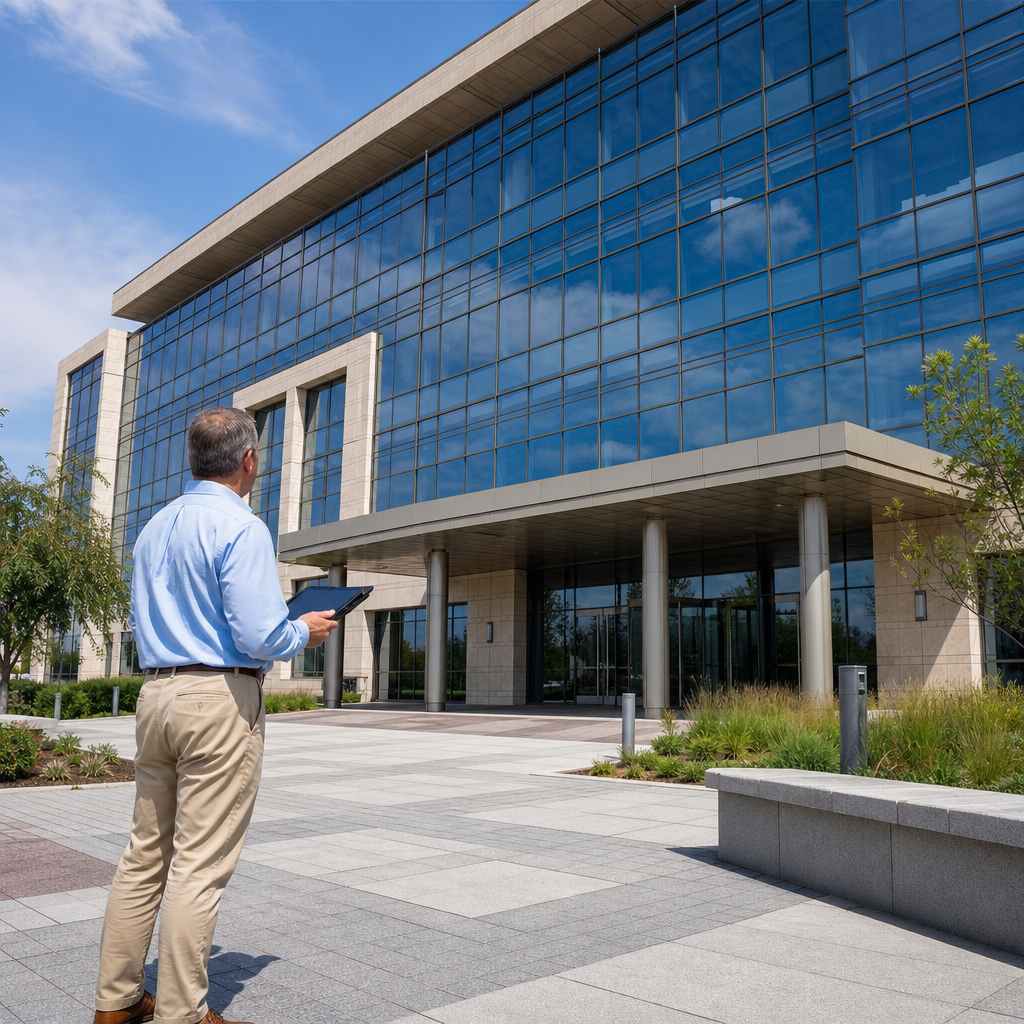
Exact pricing depends on glass size, access difficulty, film type, and local labor rates. These ranges help you budget before quotes arrive.
| Category | Approximate Cost |
|---|---|
| DIY static cling rolls (small residential) | One-way mirror film costs around $9.95 per roll; heat-blocking window film is available for around $7.39 |
| Professional residential install (reflective film) | $5 to $10 per square foot, installed |
| Commercial install (large curtain-wall projects) | $6 to $12 per square foot, installed |
| Add-ons: lifts, scaffolding, after-hours crews | Varies by site; get a line-item quote |
Upgraded films with higher solar performance or combined safety layers cost more upfront but can pay back through energy savings and reduced risk over several years. A facility spending $15,000 on reflective film across a 10,000-square-foot glass facade that cuts cooling costs by 15% each summer recovers that investment faster than most building envelope upgrades.
Get at least two local quotes and compare film specs, warranty length, and demonstrated commercial experience alongside the bottom-line price.
Common Mistakes People Make With One Way Window Film
Avoiding these mistakes saves money and frustration, especially for first-time buyers.
- Choosing cheap decorative film instead of true reflective one-way film. A frosted or patterned product will not create the mirror effect needed for daytime privacy with an outward view. Confirm the film’s reflectance and VLT specs before ordering.
- Assuming 24-hour privacy. One-way window film provides daytime privacy only. Relying on it alone for evening privacy in a bedroom or therapy office will leave occupants exposed after dark. Add shades or blinds for those hours.
- Poor installation quality. Trapped dust, light gaps at edges, and misaligned seams on large windows are common when inexperienced people piece together panels. Professional installers use continuous rolls cut to fit each pane, eliminating visible seams.
- Skipping glass and seal compatibility checks. On older insulated units with annealed glass, a dark reflective film can increase solar absorption enough to cause thermal stress cracks or seal failure. Wired, textured, or already-coated glass carries similar risk.
- Installing extremely dark film on already tinted or low-e glass. Stacking absorption layers without a professional review of the glass manufacturer’s limits is the fastest path to a cracked pane and a voided glass warranty.
How Professional One Way Window Film Installation Works
Here is what happens from first contact through post-install inspection when you hire a qualified crew.
Site survey. A technician measures every pane, checks for existing coatings (low-e, solar control), identifies sun exposure direction, and discusses privacy and energy goals with the owner or facility manager. This step determines which film is safe for your glass type.
Proposal. The installer presents film options with specs: VLT, visible reflectance (exterior and interior), solar heat rejection percentage, UV rejection, and warranty terms. Mockups or samples may be provided so you can judge appearance on your actual glass.
Installation day. Crews clean each pane thoroughly, apply a solution, place the film, squeegee out moisture and air, trim edges with precision knives, and inspect every window for bubbles or debris.
Cure time. Small bubbles or haze are normal for the first several days to a few weeks as trapped moisture evaporates. Climate affects cure speed; humid conditions slow the process.
Aftercare. Wait at least 30 days before cleaning new film. Avoid ammonia-based cleaners and abrasive pads. Use a soft cloth with mild soap solution. If edges lift or film discolors within the warranty period, call the installer back.
Why Local and Experienced Installers Matter for One Way Window Projects
Experience plus local knowledge leads to better film selection and fewer callbacks.
Local pros understand regional climate. In the Southeast, hot and humid summers with intense UV demand films rated for high solar absorption without overheating sealed glass units. In northern states, snow-reflected glare can change which film grade works best on north-facing glass. A local installer has handled these conditions on buildings nearby and knows what performs.
Commercial and institutional work adds complexity. Installers working in occupied classrooms, hospitals, or federal buildings need to manage security clearances, coordinate with building management, and schedule around operational hours. A company with a track record of school and government projects brings those logistics skills to your job.
Nearby support means faster response. If a warranty issue arises, a local crew can visit the site within days rather than weeks. For phased rollouts across a campus or multi-building portfolio, proximity keeps the project on schedule.
Experienced installers also coordinate with architects, facility managers, and energy consultants when one-way film is part of a larger building envelope upgrade, ensuring the film spec aligns with the overall performance strategy.
FAQs About Finding One-Way Window Film Nearby
These questions come up most often from homeowners and commercial decision-makers evaluating one-way window film options.
Does one-way window film work at night?
Standard one-way window film only provides strong privacy when the outside is brighter than the inside. At night, with indoor lights on and darkness outside, people outside can usually see in. For rooms that need evening privacy, pair the film with roller shades, blinds, or interior privacy window film on select windows.
Can I install static cling one-way window film myself?
Many homeowners install small static cling panels on ground-level windows using a spray bottle, squeegee, and utility knife. The process is straightforward for standard-size panes. Large panes, high windows, and commercial jobs are better left to professionals to avoid seams, bubbles, and safety risks from working at height.
Will one-way window film make my rooms too dark?
Modern reflective films come in a range of VLT levels. A film at 35% VLT lets in roughly a third of visible light and keeps the room bright; a 5% VLT film creates a much darker space. A professional can suggest a product that balances privacy, outward view, and interior brightness for your specific glass orientation. Ask to see completed local projects with similar window exposure before committing.
Is one-way window film safe for double-pane or low-e glass?
Compatibility depends on glass type, pane size, orientation, and film selection. Professional installers follow manufacturer glass guidelines to determine whether a given film is approved for your specific unit. A site survey is the best way to reduce the risk of thermal stress cracking or seal failure, especially on older insulated glass units where seals may already be weakened.
How long does professionally installed one-way window film last?
Quality architectural films on vertical glass typically last 7 to 15 years or more when installed according to manufacturer recommendations. Strong sun exposure, harsh cleaning chemicals, and frequent abrasion shorten lifespan. Many commercial warranties cover 6 to 15 years; some residential warranties extend for the lifetime of the original owner.
How quickly can a local company install one-way window film?
For a single home or small office, the timeline is often: initial consult within a few business days, proposal within about a week, and installation completed in one day once scheduled. Larger offices, schools, or multi-site projects typically run on phased schedules to limit disruption while finishing within defined timeframes agreed upon in the proposal.
Why Choose Our Team for Your Local One-Way Window Film Project
Founded in 1992, our family-owned team brings over three decades of hands-on experience to every one-way window film project, from a single residential window to a 200-location retail rollout across North America.
We maintain national reach with local installation crews, so whether you need nearby service for one building or coordinated deployment across multiple states, you get on-the-ground support without sacrificing consistency. Our crews install performance films from leading manufacturers, including solar control one-way film, security glazing upgrades, decorative and privacy window film, and architectural surface finishes.
Every project is turnkey: site surveys, product selection matched to your glass and climate, project management, professional installation, and post-install support. We work with facility managers, architects, and building owners daily, and we have completed projects in demanding environments including K-12 schools, federal buildings, healthcare facilities, and high-visibility retail storefronts.
Next Steps: Get a Local Quote for One Way Window Film
You have done the research. The next step is a conversation with a specialist who can match the right film to your glass, your climate, and your privacy goals.
Before reaching out, gather a few basics: building type, approximate window sizes, which direction your windows face, whether you need daytime privacy only or around-the-clock coverage, and your preferred timeline. This helps us provide an accurate recommendation on the first call.
Request a no-obligation assessment to find out which one-way window film, privacy window film, or related solution fits your project. Call us, submit an online quote form, or email photos and dimensions of your windows. A specialist will respond with a detailed proposal and schedule installation at a time that works for your team.