Both electrochromic film and photochromic film are some of the industry’s most advanced dynamic glazing products offering transformational capabilities for your windows.
However, these technologies are very different and offer varying benefits.
While one offers on-demand privacy, the other offers dynamic sun control.
We’ll break down the technology behind these films so you can better understand which is right for you.

What is Smart Glass?
Smart glass refers to a variety of intelligent glass options with varying properties that can transition depending on circumstances and includes switchable smart film (smart tint) and switchable smart glass.
Some glass comes with photochromic or electrochromic technology already built in.
Alternatively, smart glass film can be applied to existing glass, giving it either electrochromic or photochromic capabilities.
There are three types of smart glass: both electrochromic glass and photochromic glass fall into this smart glass category.
Electrochromic Window Film
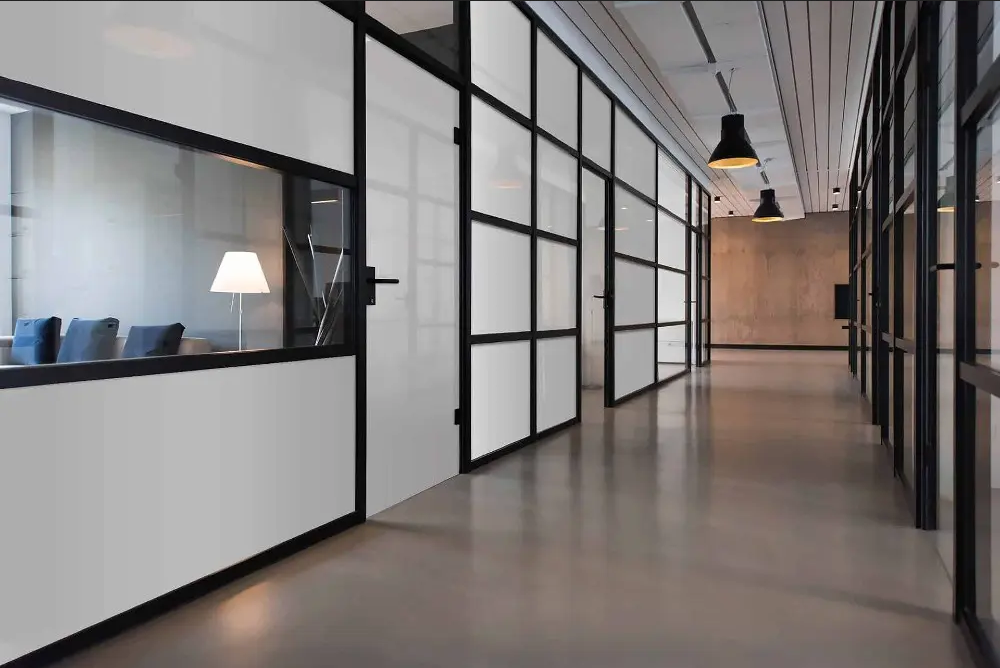
Electrochromic film, also known as electrochromic window tint or “switchable” film, is a unique product that turns windows from transparent to frosted or tinted on command. You can use electrochromic film in a variety of installations, from interior to exterior, where you need on-demand privacy or sun protection.
We use the word electrochromic to describe materials that change color when an electrical current energizes them. The amount of voltage applied to the glass controls the electrochromic tint of electrochromic windows. At the press of a button, the voltage changes, causing a reaction within the electrons that changes the way it reflects light.
The main advantage of these smart glass windows is that you can directly control the switchable nature so that you can tint the window when needed but leave it transparent in other situations. This maximizes access to views and the desired amount of light, allowing design freedom and giving architects the ability to design without blinds or other window shades.
Electrochromic glazing is ideal in many situations but is often applied in interior installations on windows, doors, and glass walls to provide a dynamic layer of privacy. Commercial, government and educational buildings can all benefit from the use of switchable window films.
Additionally, this type of film can be used for exterior purposes to change the tint of windows on command. However, it often lacks the sun and temperature control capabilities that photochromic film delivers.
Photochromic Window Film
Another common name for photochromic film is “transitional” film. This type of film changes from clear to tinted when exposed to the sun’s UV rays through a chemical process within the glass. It automatically adapts to the amount of sunlight and provides concentrated levels of sun protection only when needed.
Photochromic glass truly is “smart glass” since it adapts on its own and doesn’t require electricity to power it. A popular photochromic film product is CoolVu transitional film, which blocks 99% of UV rays and reduces solar-induced heat by up to 80% while still maintaining your desired aesthetic.
This built-in UV and heat blocking smart glass technology help save money on cooling costs, allowing buildings to run their air conditioning less. You get the same energy savings and light glare reduction as static tint films without unattractive metallic tint.
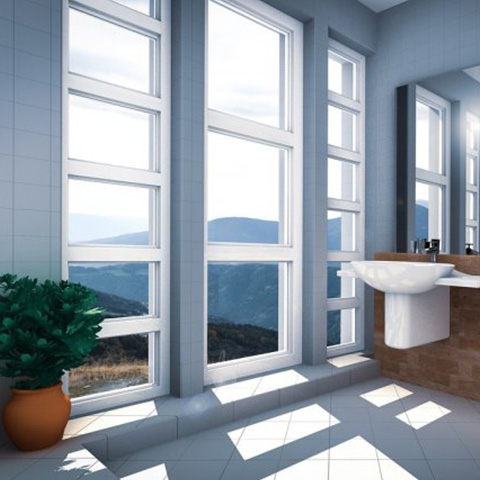
Electrochromic Window Film for your Building
Photochromic films deliver more benefits for sun control, while electrically switchable electrochromic films better suit privacy needs and maintain a desired aesthetic.
Whatever your smart glass needs are, Window Film Depot is here to help. When it comes to deciding between electrochromic or photochromic window films, we can discuss with you what your needs are to help guide you to the best solution.